
Detox in the San Fernando Valley at Simonds Recovery Center is medically supervised withdrawal with round-the-clock clinical care, located in Granada Hills and serving adults from across the Valley. A licensed clinical team manages alcohol, opioid, benzodiazepine, and stimulant withdrawal safely, then connects directly into ongoing treatment on the same campus. Same-day placement is available, and benefits are verified in about 15 minutes. Call (833) 781-8338.
Talk to a consultant:
+1 (833) 781-8338


Detox is time-sensitive, and when someone in the Valley decides to get help, the distance to a facility can be the difference between starting today and waiting. Simonds is located in Granada Hills, in the northern San Fernando Valley, and provides medically supervised withdrawal care for adults from across the region. For most of the Valley it is a short drive, which matters when withdrawal is already underway and getting to care quickly is the priority.
Staying within the Valley also keeps a person close to the family and support that recovery leans on after detox. The communities served from the Granada Hills facility include:
Wherever in the Valley a person is coming from, detox is the first step, and having it close to home makes taking that step easier.
Talk to a consultant:
+1 (833) 781-8338
Medical detox is the process of clearing a substance from the body under medical supervision, with clinicians managing withdrawal symptoms and watching for complications. It is the first stage of treatment for most people with a physical dependence on alcohol, opioids, or benzodiazepines, and it exists because stopping these substances suddenly and without support can be dangerous.
This process is not the same as full addiction treatment. It stabilizes the body so that therapy and the rest of recovery can begin. Someone who completes it has cleared the immediate physical dependence, but treating the addiction, through residential care, partial hospitalization, or intensive outpatient, comes after. This is why the connection from detox into ongoing care matters, and why a Valley program that links directly to further treatment is more useful than one that ends at stabilization.
Talk to a consultant:
+1 (833) 781-8338



Medical supervision matters because withdrawal from some substances can be life-threatening, and no one can predict in advance how severe a given person’s withdrawal will be. Alcohol and benzodiazepine withdrawal can produce seizures and delirium tremens, both of which require immediate medical management. Opioid withdrawal is rarely fatal on its own but is severe enough that many people relapse to escape it, which carries its own overdose risk. In each case, a monitored setting changes the outcome.
In a supervised setting, clinicians track vital signs, manage symptoms with appropriate medication, and respond quickly if withdrawal escalates. This is the difference between medical detox and trying to quit alone at home. At home, symptoms go unmanaged and complications go uncaught, and the discomfort often drives a return to use before the process finishes. Under medical care, withdrawal is safer and far more likely to be completed.
Talk to a consultant:
+1 (833) 781-8338
Care at Simonds begins with a clinical assessment that identifies the substances involved, the level of dependence, and any medical or mental health conditions that affect the plan. From that assessment, the clinical team builds a withdrawal-management approach specific to the person rather than a single protocol applied to everyone.
Care runs around the clock. The clinical team includes licensed physicians and addiction psychiatrists, with monitoring through the phases of withdrawal when symptoms peak and safety risks are highest. Medication is used where appropriate to ease symptoms and, for opioid dependence, to begin medication-assisted treatment when it fits the plan. Length of stay depends on the substance and the person, since alcohol, opioid, and benzodiazepine withdrawal each follow different timelines. Because this care is delivered on the same campus as residential, PHP, and IOP treatment, a person moves from stabilization into treatment without leaving the program or transferring to a new provider.
The substances that most often require medical detox are those with a physically dangerous or severe withdrawal. Simonds provides medically supervised care for the substances behind most admissions across the Valley:
For alcohol and benzodiazepines in particular, medical detox is not optional. The withdrawal syndromes for both can be fatal, which is why supervised care is the recommended path rather than an at-home attempt.
Talk to a consultant:
+1 (833) 781-8338
The San Fernando Valley is one of the largest regions in Los Angeles County, identified in county overdose reporting as Service Planning Area 2. The Los Angeles County Department of Public Health, which reports data by Service Planning Area, found that countywide drug-related overdose deaths fell 22 percent between 2023 and 2024, from 3,137 to 2,438, with fentanyl-related deaths down 37 percent. Even with that progress, fentanyl was still involved in 52 percent of accidental overdose deaths in 2024, and the county’s report is clear that the crisis is ongoing.
Behind those figures are Valley residents who need a safe first step. For someone with a physical dependence, medically supervised care close to home is often what makes getting into treatment possible, because it removes both the danger of unsupervised withdrawal and the distance that can delay the decision to start.
Simonds is in-network with TriWest and TRICARE and works with most major insurance carriers on an out-of-network basis, with benefits verified in about 15 minutes. We do not accept Medicaid, Medicare, or Medi-Cal. Most commercial plans cover medically supervised withdrawal with prior authorization, and the admissions team confirms what a plan covers before treatment begins, so the cost is clear before care starts.
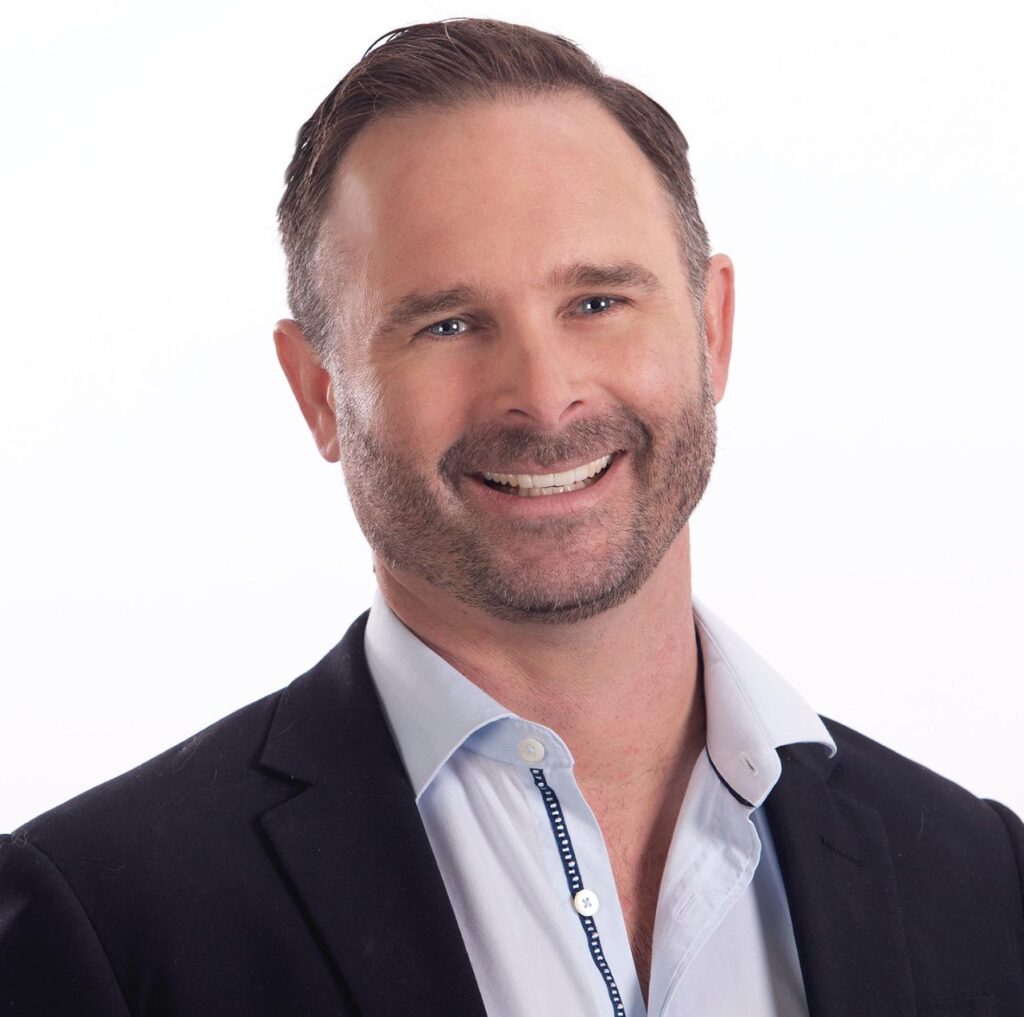
Chris Small, M.D. Addiction Psychiatrist. Dr. Small is board certified in Psychiatry, Addiction Medicine, and Family Medicine. He earned his medical degree at the University of Hawaii and completed his residency in Psychiatry and Family Medicine at UCSD.
The facility is in Granada Hills, in the northern San Fernando Valley, and serves adults from across the region, including Van Nuys, Reseda, Northridge, Sylmar, and the west Valley. For most of the Valley it is a short drive, which matters when detox is time-sensitive.
Length of stay depends on the substance and the person. Alcohol and opioid detox often run several days, while benzodiazepine detox can take longer because it requires a gradual taper. The clinical assessment sets the expected timeline, and the team adjusts it as withdrawal progresses.
It can be. Alcohol withdrawal can cause seizures and delirium tremens, which are medical emergencies. This is why medical detox with 24-hour monitoring is the recommended standard for anyone with a significant alcohol dependence, rather than quitting at home.
Detox stabilizes the body, and treatment continues from there. Most people step into residential care, PHP, or IOP. Because these are delivered on the same Granada Hills campus, the move from detox into ongoing care happens without changing providers.
Same-day placement is available for many people. Call (833) 781-8338 and an admissions coordinator can verify insurance, complete the assessment, and arrange intake, often the same day, which matters when detox is time-sensitive.
Simonds is in-network with TriWest and TRICARE and works with most major commercial insurance carriers out-of-network, with benefits verified in about 15 minutes. We do not accept Medicaid, Medicare, or Medi-Cal.
If you or someone you love needs medically supervised detox in the San Fernando Valley, call (833) 781-8338 now. Withdrawal from alcohol, benzodiazepines, and opioids is safest under medical care, and starting sooner is safer than waiting. An admissions coordinator will verify your insurance in about 15 minutes, plan safe withdrawal care after a brief assessment, and arrange same-day placement close to home. You can also submit the verification form on this page for a callback. Every conversation is confidential, with no obligation to enroll.
Talk to a consultant:
+1 (833) 781-8338