


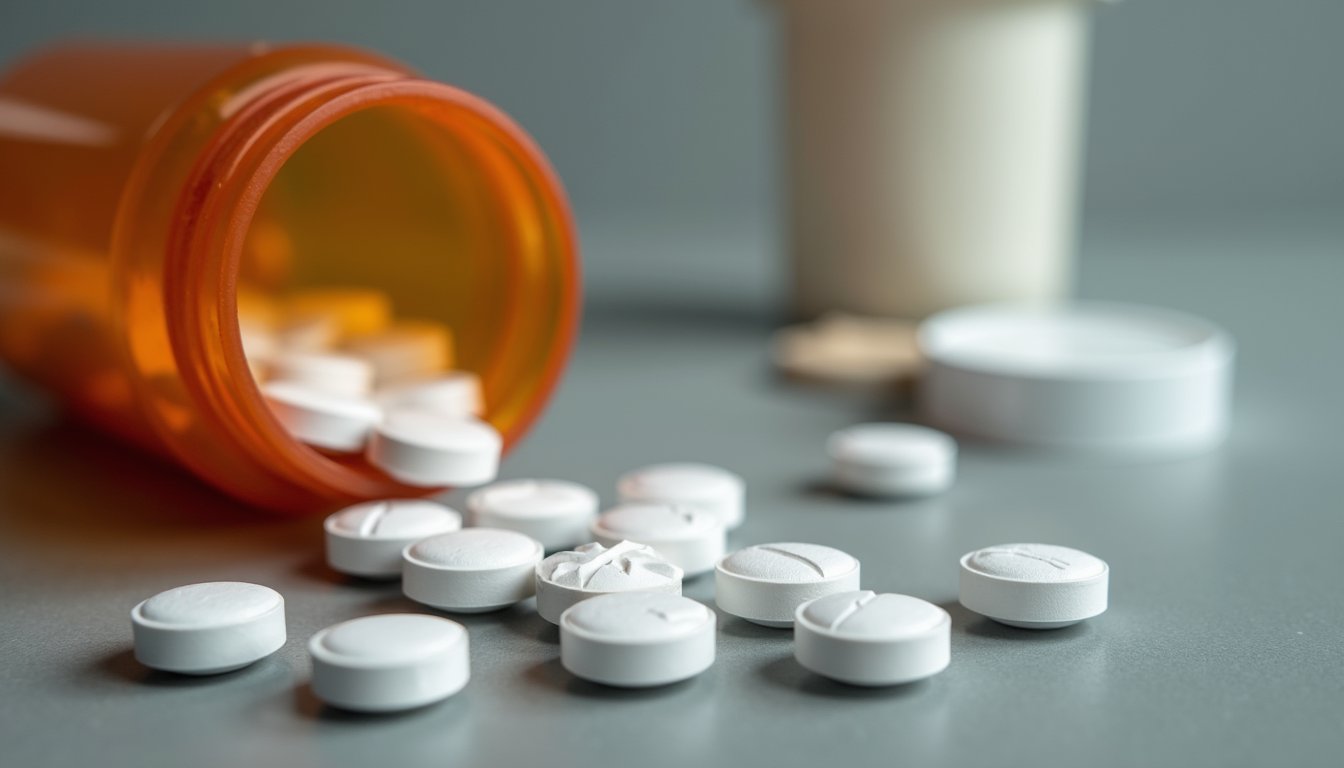



Xanax addiction means you’ve lost control over your alprazolam use, continuing despite harmful consequences and experiencing intense cravings. Your body develops biological dependence through constant GABAergic modulation, 40% of daily users become dependent within six weeks. You’ll notice warning signs like tolerance (needing higher doses), dangerous withdrawal symptoms when stopping, behavioral disruptions, social withdrawal, and neglecting responsibilities. Approximately 5.3 million Americans misuse Xanax annually, with young individuals maturity level 18-25 facing the highest risk. Understanding these specific indicators can help you identify when recreational use crosses into addiction territory.
Understanding Xanax Addiction: Definition and Core Characteristics

The disorder’s defining features include loss of control over use, continued consumption despite harm, and persistent cravings. Your brain adapts to constant GABAergic modulation, creating biological dependence that complicates cessation. Treatment challenges arise from severe withdrawal risks, including seizures,and the complex interplay between underlying anxiety disorders and addiction. Xanax addiction involves both physical and psychological dependence, where the body and mind become reliant on the drug to function normally. Recognition involves identifying behavioral disruption, such as “doctor shopping,” social withdrawal, and neglect of responsibilities alongside physical symptoms. As tolerance develops, individuals may escalate to taking 20-30 pills daily to achieve the same effects they once experienced with smaller doses. The warning signs may appear gradually, suggesting that trying again later or seeking immediate professional intervention becomes critical when patterns emerge consistently rather than as isolated incidents.
How Common Is Xanax Addiction? Prevalence and Risk Factors
You might assume Xanax addiction affects only a small margin of users, but the data reveals a different reality: approximately 17% of the 30.6 million U.S. adults using benzodiazepines misuse them, and 40% of those taking Xanax daily for six weeks or longer develop dependency. These figures translate to roughly 4.8 million Americans misusing benzodiazepines like Xanax annually, with prescription rates having grown 67% between 1996 and 2013 before declining in recent years. Women are twice as likely as men to receive benzodiazepine prescriptions, creating a disproportionate risk for dependency among female patients. For every 311 Xanax prescriptions written, one results in an emergency room visit related to drug abuse. The danger escalates significantly when Xanax is combined with opioids, as this polydrug combination can lead to life-threatening respiratory depression and overdose. Understanding who’s most vulnerable and why misuse continues to rise can help you recognize whether you or someone you care about falls into a higher-risk category.
Xanax Prescription Rates Nationwide
Understanding how widespread Xanax use has become reveals the scope of potential addiction risk across the nation. In 2023, approximately 15.9 million alprazolam prescriptions were dispensed to 3.3 million patients across the U.S. While this represents a significant decline from the 2013 peak of 28.9 million prescriptions, Xanax remains one of the most commonly prescribed benzodiazepines nationwide. Prescription monitoring programs have documented a 67% increase in benzodiazepine prescribing between 1996 and 2013, though rates dropped distinctly after 2017. You should know that anxiety disorders account for over 50% of these prescriptions. However, the misuse rate remains concerning; approximately 17% of users engage in non-medical use, often involving dangerous drug interactions with opioids or alcohol that substantially increase overdose risk. The overdose death rate related to benzodiazepines more than quadrupled in the U.S. between 1999 and 2010, highlighting the escalating danger of both prescribed and non-medical use. With alprazolam ranking as the #37 most prescribed medication in 2023, the accessibility of this benzodiazepine underscores the widespread nature of potential dependency concerns.
Who Is Most Vulnerable
Vulnerability to Xanax addiction doesn’t discriminate randomly; it follows distinct demographic and behavioral patterns that reveal who faces the greatest risk. Research identifies primary demographic targets, including young adults aged 18-25, who show misuse rates of 10.3%, nearly double that of older populations. Women face twice the prescription rate due to higher anxiety diagnoses, increasing their dependence risk. Socioeconomic risk factors emerge through family access, with 70% of teens obtaining Xanax from household medicine cabinets.
High-Risk Populations:
- Young adults (18-25) demonstrate the highest misuse rates, often combining Xanax with alcohol or other substances recreationally
- Individuals with co-occurring mental health disorders (anxiety, depression) face drastically elevated addiction vulnerability
- Those with substance use histories show strong associations with benzodiazepine misuse
- Pregnant women (1.9% usage rate) pose dual-victim scenarios affecting maternal and fetal health
The accessibility of Xanax extends beyond traditional drug markets, with 55% of nonmedical users acquiring the medication from friends or relatives for free, fundamentally reshaping how substance distribution networks operate in modern communities.
Rising Trends in Misuse
While recent years have shown declining prescription rates, Xanax misuse remains alarmingly prevalent across the United States and beyond. You’re looking at approximately 5.3 million Americans, 17% of benzodiazepine users, who engage in misuse patterns annually. Regional variances reveal significant differences: North America leads globally in consumption, while European nations show concerning trends.
| Region | Key Statistics | Notable Patterns |
|---|---|---|
| United States | 4.8 million annual misusers | 1 ED visit per 311 prescriptions |
| Europe | France ranks 3rd globally | High consumption in Italy, UK |
| Other | 200+ UK deaths since 2015 | Rising student misuse in South Africa |
Young individuals aged 18-25 face the highest risk, with misuse rates reaching 10.3%, nearly double older demographics. For every 311 prescriptions written, one emergency department visit occurs due to abuse. The connection between substance misuse and mental health is particularly striking, as 20.4 million adults experience both any mental illness and at least one substance use disorder simultaneously.
The Physical Signs That May Indicate Xanax Addiction
Recognizing physical signs of Xanax addiction requires attention to observable changes in motor function, essential physiological processes, and withdrawal-related symptoms. You may notice someone experiencing coordination difficulties, slurred speech, or persistent drowsiness that interferes with daily functioning. When the body becomes dependent on Xanax, specific physical manifestations emerge, including tremors, changes in blood pressure or heart rate, and visible distress when attempting to reduce or stop use. A critical indicator of physical dependence is needing higher doses to achieve the same therapeutic effect that was once obtained with smaller amounts. Additionally, individuals may experience temporary physical disruptions when their medication routine is interrupted or during periods when they cannot access their prescription. Prolonged use can result in respiratory depression, which represents a dangerous slowing of breathing that may require immediate medical attention.
Observable Motor Impairment Symptoms
Physical manifestations of Xanax addiction often emerge gradually, affecting basic motor functions in ways that become increasingly difficult to ignore. Unsteady gait patterns and loss of postural equilibrium signal compromised neurological control. You’ll notice reflexes slowing considerably, making routine tasks like driving or using machinery potentially dangerous. Chronic use impairs cognitive function, memory, making it harder to process information and recall important details.
Observable impairments include:
- Coordination difficulties that make walking, balancing, and performing everyday movements increasingly challenging
- Slurred or mumbled speech that others may mistake for alcohol intoxication, requiring frequent repetition
- Tremors and muscle stiffness affecting hands and limbs, particularly noticeable during withdrawal periods
- Persistent drowsiness creating accident risks and diminishing your ability to maintain wakefulness during critical activities
These motor impairments don’t resolve with rest alone; they require professional intervention and medication management.
Vital Signs and Changes
Beyond observable motor impairments, Xanax addiction triggers measurable alterations in your body’s key signs and physiological responses. You’ll experience persistent drowsiness throughout the day, accompanied by a sedated appearance with slowed reactions. Your body may exhibit hand tremors or subtle shaking not attributed to other conditions. Sleep disturbances become prominent, you’ll feel groggy even after adequate rest and struggle maintaining wakefulness during routine activities.
Gastrointestinal issues frequently emerge, including unexplained nausea, reduced appetite, and stomach discomfort. You might notice weight fluctuations without clear dietary changes. Neurological symptoms manifest as blurred vision, frequent headaches, and episodes of confusion in familiar contexts. Your speech patterns change noticeably, becoming slurred or delayed. These physiological alterations represent your body’s response to chronic benzodiazepine exposure and developing dependence.
Withdrawal Physical Manifestations
When you attempt to reduce or stop Xanax use after prolonged consumption, your body launches a cascade of withdrawal responses that signal physical dependence. The onset of withdrawal symptoms typically includes multiple body systems reacting simultaneously to discontinuation of treatment.
Physical manifestations you may experience include:
- Neurological disturbances: muscle tremors, severe headaches, and potentially life-threatening seizures requiring immediate medical attention
- Gastrointestinal disruption: nausea, vomiting, diarrhea, and abdominal cramping that compromise nutritional intake
- Autonomic dysregulation: profuse sweating, heart palpitations, hypertension, and temperature fluctuations
- Sensory alterations: heightened sensitivity to light and sound, blurred vision, and in severe cases, hallucinations
These symptoms range from uncomfortable to medically dangerous, underscoring why supervised tapering is essential rather than abrupt cessation.
Behavioral Changes Associated With Xanax Dependence
Recognizing behavioral changes in someone with Xanax dependence often proves more revealing than identifying physical symptoms alone. You’ll notice shifts in prescription acquisition patterns, including doctor shopping and frequent reports of lost medications. Social withdrawal becomes evident as the person isolates from previously valued relationships and activities. Financial strain emerges through excessive spending, selling belongings, or theft to maintain access to the drug.
| Behavioral Domain | Observable Changes |
|---|---|
| Prescription Patterns | Doctor shopping, fraudulent “lost” prescription reports |
| Social Relationships | Isolation, broken connections, occupational decline |
| Financial Stability | Mounting debt, selling possessions, theft |
| Risk-Taking | Driving impaired, combining substances, neglecting responsibilities |
The impact on social relationships deteriorates progressively, making relapse prevention strategies essential for sustained recovery. Concealment and deceptive conduct typically intensify as dependence deepens.
Cognitive and Emotional Symptoms to Watch For

While behavioral changes provide external evidence of Xanax dependence, the internal cognitive and emotional deterioration often signals deeper neurological impact. You may notice compromised short-term memory, concentration deficits, and slowed processing speed that interfere with daily functioning. Emotionally, unpredictable mood swings, rebound anxiety, and persistent depression emerge as your brain chemistry adapts to the drug’s presence.
Critical symptoms demanding immediate attention include:
- Anterograde amnesia preventing recall of recent events
- Visual-spatial deficits impairing judgment and decision-making
- Paranoia or delusional thinking during use or withdrawal
- Suicidal ideation as cognitive-emotional symptoms intensify
Healthcare providers recognize that compassion fatigue often prevents loved ones from identifying these gradual changes. The identity reformation accompanying addiction masks cognitive decline, making professional assessment essential for accurate diagnosis and intervention.
When Medical Use Crosses the Line Into Addiction
The boundary between therapeutic Xanax use and addiction isn’t always clear-cut, particularly when physical dependence develops from legitimate medical treatment. Escalating dose patterns often signal this shift, when you’re taking more than prescribed or using it longer than intended. Physical tolerance typically emerges after several weeks, requiring higher doses for the same effect. Usage exceeding 4 mg daily or continuing beyond six weeks dramatically increases dependency risk, with four in ten users developing dependence after six weeks.
Progressing from therapeutic to recreational use occurs when you take Xanax without physician approval or for its sedative effects rather than anxiety relief. Nearly one in five prescribed users misuse benzodiazepines by exceeding recommended doses. When withdrawal symptoms like anxiety and insomnia drive continued use despite negative consequences, addiction has taken hold.
Dangerous Combinations: Mixing Xanax With Other Substances

Mixing Xanax with alcohol or other substances creates life-threatening risks that exceed the dangers of either drug alone. Both Xanax and alcohol are central nervous system depressants, meaning their combined effects can cause profound sedation, respiratory depression, loss of consciousness, and fatal overdose. Understanding these interactions is essential because polydrug use greatly increases your likelihood of overdose hospitalization, accidental injury, and death, even at doses that might seem manageable when taken separately.
Xanax and Alcohol Risks
Combining Xanax with alcohol creates one of the most dangerous drug interactions you can encounter. Both substances depress your central nervous system, and their effects multiply rather than simply add together. When you mix them, respiratory depression risks heighten dramatically; your breathing can slow to dangerous levels, potentially leading to coma or death. The liver damage effects compound as both substances compete for metabolization, causing amplified Xanax levels and increased toxicity.
Critical dangers of this combination include:
- Severe cognitive impairment with blackouts and complete memory loss of events
- Respiratory failure from synergistic CNS depression, slowing breathing and heart rate
- Overdose likelihood increases sharply; alcohol contributes to 20% of benzodiazepine deaths
- Unpredictable behavior, including aggression, accidents, and life-threatening decision-making
Polydrug Use Complications
Beyond alcohol, numerous substances create life-threatening interactions when mixed with Xanax, yet polydrug use remains alarmingly common among people who misuse benzodiazepines. Opioids present the greatest danger; more than 16% of opioid overdose deaths in 2020 involved benzodiazepines, with combined use causing additive respiratory depression that can lead to coma or death. The accidental overdose risk multiplies exponentially when you mix Xanax with other CNS depressants like barbiturates, hypnotics, or certain antihistamines. Even stimulants create hazardous interactions, masking intoxication symptoms while fostering a dependence addiction cycle across multiple substances. Most Xanax fatalities involve polydrug use rather than isolated benzodiazepine consumption. Withdrawal becomes medically complex and dangerous, potentially triggering seizures or delirium when multiple depressants are involved simultaneously.
The Role of Tolerance and Withdrawal in Addiction
Warning signs include:
- Escalating doses – You need more Xanax to achieve the same therapeutic effect
- Withdrawal symptoms – Anxiety, insomnia, or seizures emerge when you miss doses
- Compulsive use patterns – You prioritize obtaining Xanax over other responsibilities
- Physical dependence markers – Your body can’t function normally without the drug
This progression from tolerance to withdrawal creates a self-perpetuating trap that characterizes true addiction.
Health Complications and Long-Term Effects of Xanax Addiction
Long-term Xanax addiction doesn’t just trap you in a cycle of dependence; it systematically damages your body and brain in ways that persist long after the last dose. Chronic misuse produces measurable cognitive dysfunction, including permanent memory deficits and reduced executive function. You’ll face heightened cancer risk alongside cardiovascular complications like heart rhythm disturbances and respiratory suppression. The long term neurological effects extend beyond cognition, expect seizures during withdrawal, potential brain damage, and increased dementia risk. Your liver and kidneys sustain damage while psychiatric symptoms intensify: depression, psychosis, and suicidality become persistent threats. Meta-analyses confirm these aren’t temporary impairments. With benzodiazepine overdose deaths increasing 917% since 1999, the stakes are undeniable. Recovery requires acknowledging these consequences.
When to Seek Professional Help and What to Expect
Recognizing the severity of Xanax addiction is only meaningful if you act on that knowledge. Professional intervention becomes essential when you can’t reduce use despite attempts, experience withdrawal symptoms, or face medical and psychological complications. Clinical assessment involves structured interviews, screening for co-occurring disorders, and collaborative treatment planning customized to your circumstances.
Professional intervention for Xanax addiction is essential when self-reduction fails, withdrawal symptoms emerge, or medical complications develop.
Treatment options include:
- Medically supervised detoxification for moderate to severe dependence, preventing life-threatening withdrawal seizures
- Inpatient or outpatient programs offering evidence-based therapies like cognitive-behavioral therapy and relapse prevention
- Emergency care for withdrawal seizures, overdose symptoms, or suicidal ideation
- Family support systems and aftercare planning to strengthen recovery outcomes and prevent relapse
Seek immediate help if withdrawal symptoms become unmanageable or medical complications arise.
Frequently Asked Questions
Can Xanax Addiction Develop Even When Taking the Medication as Prescribed?
Yes, you can develop Xanax addiction even when following your prescription exactly. Up to 40% of patients using it daily for six weeks or more become dependent due to tolerance and brain chemistry changes. That’s why prescription monitoring and regular dosage adjustments with your doctor are essential. Withdrawal symptoms like anxiety and insomnia signal dependence has formed, even under medical supervision. If you’re noticing increased cravings or concern about running out, discuss these signs with your healthcare provider immediately.
How Long Does Xanax Withdrawal Typically Last During Recovery?
Your Xanax withdrawal detox timeline typically spans 1-2 weeks for acute physical symptoms, beginning 6-12 hours after your last dose and peaking within 1-4 days. However, your complete recovery timeline extends much longer; psychological symptoms like anxiety and insomnia can persist for weeks or months. If you’ve used Xanax long-term or at high doses, you’re more likely to experience protracted withdrawal. Medically supervised tapering considerably reduces severity and shortens your total recovery duration.
Are There Medications That Can Help Treat Xanax Addiction Safely?
Yes, medication-assisted treatment can safely support your recovery from Xanax addiction. Your doctor may switch you to a longer-acting benzodiazepine like clonazepam, then gradually taper the dose under medical supervision. You’ll likely receive antidepressants for co-occurring anxiety or depression, plus non-benzodiazepine sleep aids if needed. This pharmacological approach works best when you’re simultaneously engaged in outpatient therapy, particularly cognitive behavioral therapy, which addresses the psychological aspects of your dependence while medications manage withdrawal symptoms.
Can Someone Recover From Xanax Addiction Without Inpatient Rehabilitation?
Yes, you can recover from Xanax addiction through outpatient programs if your dependence is mild-to-moderate and you have a stable support system. Outpatient treatment combines medically supervised tapering with behavioral therapy like CBT to address triggers and prevent relapse. However, you’ll need medical oversight due to dangerous withdrawal risks, including seizures. If you have severe dependence, co-occurring disorders, or lack home support, inpatient care may be necessary for your safety and success.
Is It Safe to Quit Xanax Cold Turkey at Home?
No, quitting Xanax cold turkey at home isn’t safe. You’re risking life-threatening seizure complications that can occur within 6-8 hours of your last dose. Home detox risks include severe tremors, hallucinations, heart palpitations, and potentially fatal seizures. Without medical supervision, you can’t safely manage these dangerous withdrawal symptoms. If you’ve been using Xanax regularly, especially at high doses or for extended periods, you’ll need professional medical assistance to taper off safely.