






Ethanol abuse occurs when your drinking pattern causes clinically significant impairment or distress, meeting DSM-5 criteria for Alcohol Use Disorder. You’ll see it documented in medical records as “EtOH abuse” or “EtOH dependence.” The causes combine genetic factors, with 40, 60% heritability, and environmental triggers like stress, mental health conditions, and social influences. Healthcare providers use this terminology to flag modified treatment needs and monitor your risk for serious complications you should understand.
Defining Ethanol Abuse in Medical Terms

When healthcare providers document ethanol abuse, they’re describing a pattern of alcohol consumption that causes clinically significant impairment or distress. You’ll find this condition recorded in medical charts as “EtOH abuse,” “EtOH misuse,” or “EtOH dependence” depending on severity and presenting symptoms. Understanding the etoh meaning and medical implications is crucial for effectively addressing the needs of individuals struggling with alcohol-related issues. Clinicians must assess the extent of impairment and develop appropriate treatment plans, which may include therapy, counseling, or support groups.
The ethanol abuse meaning in clinical contexts encompasses recurrent harmful drinking behaviors, including binge episodes and continued use despite documented medical, psychological, or social consequences. Diagnosis aligns with DSM-5 Alcohol Use Disorder criteria, requiring at least two of eleven symptoms within twelve months. The abbreviation EtOH derives from ethanol’s chemical structure, where Et represents the ethyl group and OH represents the hydroxyl group. Effective treatment for Alcohol Use Disorder often involves a combination of therapy, medication, and support groups, all aimed at helping individuals recognize the significance of their relationship with alcohol. Understanding the importance of avoiding etoh is crucial for recovery and maintaining long-term health, as continued use can lead to exacerbated health issues and compromised quality of life.
Key diagnostic features include tolerance, withdrawal symptoms, craving, and unsuccessful attempts to reduce intake. You may also meet criteria through functional impairment, such as failing work obligations or experiencing relationship problems directly linked to drinking patterns. Healthcare providers measure blood alcohol concentration (BAC) to assess intoxication levels and guide appropriate treatment decisions. Chronic alcohol use significantly increases the risk of developing alcoholic liver disease, which progresses through stages including fatty liver, hepatitis, and cirrhosis.
Understanding the EtOH Abbreviation and Clinical Usage
Medical charts frequently display “EtOH” as shorthand for ethanol, a notation you’ll encounter across emergency departments, laboratory reports, and clinical documentation. The abbreviation derives from chemical nomenclature: “Et” represents the ethyl group (C₂H₅), while “OH” denotes the hydroxyl group. Understanding the etoh abuse meaning requires recognizing how clinicians apply this terminology. Clinicians often develop individualized care strategies for etoh patients to address their unique needs and challenges. These strategies may involve a combination of medical treatment, counseling, and support services designed to promote recovery and overall well-being.
Healthcare providers use EtOH notation to indicate:
EtOH notation serves as clinical shorthand for documenting everything from active intoxication to withdrawal syndromes and alcohol-related organ damage.
- Active intoxication status, documented as “EtOH on board” or “positive EtOH”
- Diagnostic labels including EtOH dependence, EtOH withdrawal, and EtOH-related liver disease
- Laboratory values measuring blood alcohol concentration in mg/dL or g/dL
- Risk factors requiring modified treatment approaches, particularly regarding sedative and hepatotoxic medications
This standardized terminology guarantees precise inter-professional communication and supports accurate risk stratification when alcohol involvement affects your presenting symptoms. Clinicians rely on this documentation because EtOH is the active ingredient in alcoholic beverages that directly causes intoxication and related medical complications. Law enforcement agencies also utilize EtOH as shorthand when documenting incidents involving public intoxication or drunk driving. In research laboratories, EtOH serves as both a solvent and disinfectant, playing a critical role in procedures such as DNA extraction and tissue fixation.
Genetic and Neurobiological Risk Factors
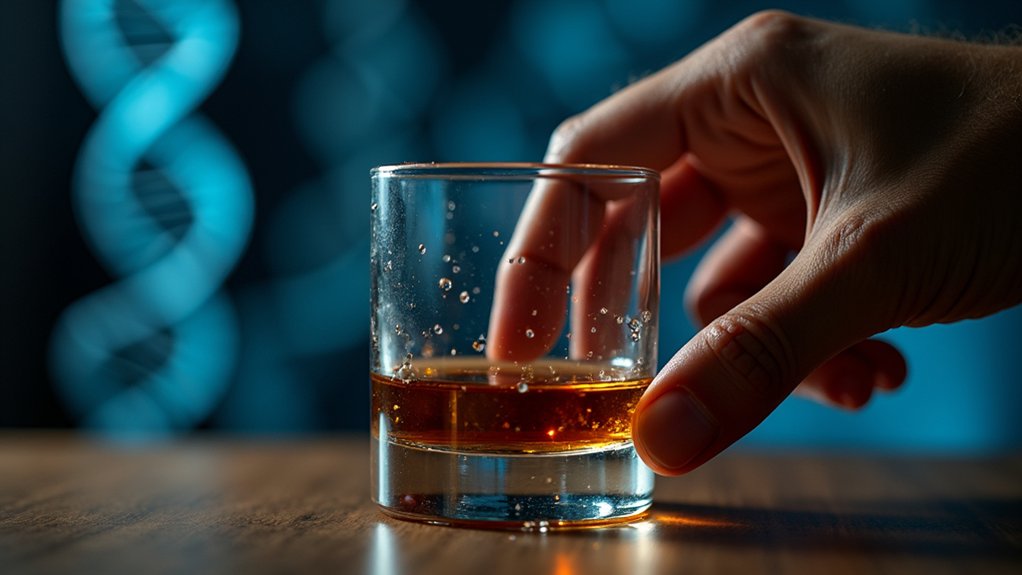
Your genetic makeup profoundly influences your risk for developing ethanol abuse, with heritability estimates ranging from 40, 60% across twin and family studies. If you have first-degree relatives with alcohol use disorder, your risk increases 2, 4 times compared to the general population. Researchers have identified over 100 genetic variants associated with problematic drinking, particularly in alcohol metabolism genes like ADH1B and ALDH2. The largest genome-wide association study conducted on over 1 million participants has significantly advanced our understanding of these genetic contributions to alcohol use disorder. This research identified genetic variations with the strongest signals linked to regulation of dopamine signaling, reinforcing the central role of the dopamine system in addiction.
Neurobiologically, your mesolimbic dopamine system determines how you respond to alcohol’s rewarding effects. Variants in GABRA2 and cholinergic receptor genes affect cortical excitability and predispose you to chronic ethanol abuse. These genetic factors influence your stress response, reward processing, and executive control circuits. The ALDH2*504K allele, common in East Asian populations, causes the “Asian flushing reaction” and provides significant protection against developing alcohol dependence. Understanding your genetic vulnerability helps clinicians assess your individualized risk profile and tailor prevention strategies before dependence develops.
Psychological and Environmental Causes
Psychological and Environmental Causes
Beyond genetic predisposition, psychological and environmental factors play a significant role in the development of ethanol abuse. Understanding the chronic ethanol abuse meaning requires examining these contributing elements that shape drinking patterns.
Key Psychological and Environmental Risk Factors:
- Mental health comorbidities, Depression and anxiety disorders frequently co-occur with alcohol use disorder, creating a self-medication cycle that worsens both conditions. Bipolar disorder shows particularly strong associations, with approximately 42% prevalence of alcohol use disorder in clinical populations.
- Maladaptive coping mechanisms, You may use ethanol to manage stress, block traumatic memories, or release difficult emotions, leading to tolerance and dependence. With heavy, prolonged use, brain chemistry adjusts to alcohol’s effects, requiring more to achieve the same result.
- Stressful life events, Job loss, bereavement, or childhood adversity increases your vulnerability to problematic drinking.
- Social and environmental influences, Peer pressure, household alcohol exposure, and high-availability settings normalize consumption patterns that escalate into abuse. Areas with a concentration of bars and college campuses have been linked to higher rates of ethanol abuse in surrounding communities.
Recognizing Behavioral Signs and Symptoms

Five distinct categories of warning signs can help you identify ethanol abuse before it progresses to severe dependency.
Behavioral changes include declining academic or work performance, shifting social circles, abandoning previously enjoyed activities, and accumulating legal problems. These behavioral shifts often reflect the preoccupation with obtaining and consuming alcohol that characterizes addiction.
Physical indicators present as alcohol odor on breath or clothing, bloodshot eyes, flushed skin, slurred speech, and deteriorating hygiene.
Mood alterations manifest through depression, anxiety, irritability, aggression, and using alcohol to suppress intense emotions.
Cognitive impairments involve concentration difficulties, short-term memory deficits, blackouts, confusion, and obsessive thoughts about drinking.
Social and habitual signs reveal themselves through concealing alcohol consumption, drinking despite consequences, isolating from relationships, and experiencing compulsions to drink at specific times.
Recognizing these ethanol abuse indicators enables early intervention and prevents progression toward physical dependence.
Tolerance, Dependence, and Withdrawal Patterns
When ethanol abuse continues over time, your body undergoes neuroadaptive changes that fundamentally alter how it responds to alcohol. You’ll develop tolerance, requiring progressively larger amounts to achieve the same intoxicating effects. This tolerance signals your brain’s adaptation and accelerates progression toward dependence.
Dependence occurs when your body requires alcohol to function normally. Without it, you’ll experience withdrawal symptoms that follow a predictable timeline:
- Mild symptoms like anxiety and tremors emerge 6-12 hours after your last drink
- Hallucinations may develop within 24 hours
- Peak withdrawal intensity occurs between 24-72 hours
- Severe cases involve seizures and convulsions
Fear of withdrawal often perpetuates the abuse cycle. Each detoxification episode sensitizes your system through the kindling effect, making subsequent withdrawals increasingly severe and relapse more likely. While physical withdrawal symptoms typically subside within days, persistent psychological distress and dysphoria may continue for much longer, contributing to heightened relapse vulnerability.
Acute Toxicity and Alcohol Poisoning
Acute ethanol toxicity represents the dangerous endpoint of rapid, excessive alcohol consumption, a medical emergency that differs fundamentally from the gradual neuroadaptive changes of chronic abuse. When your blood alcohol concentration exceeds 200 mg/dL, you’ll experience hypoventilation, hypothermia, and cardiac arrhythmias. Levels above 400 mg/dL can trigger coma, respiratory arrest, and death.
You’ll recognize acute ethanol toxicity through specific warning signs: mental confusion, uncontrollable vomiting, seizures, and breathing slower than eight breaths per minute. The physiological mechanism involves GABA enhancement that depresses your central nervous system, causing hypoglycemia, hypokalemia, and lactic acidosis.
Your gag reflex becomes suppressed, creating choking and asphyxiation risks. Medical intervention requires IV fluids, glucose administration, and potential intubation. Physicians typically admit adults with BAC exceeding 300 mg/dL for continuous essential sign monitoring.
Long-Term Organ Damage and Health Consequences
How extensively does chronic ethanol abuse damage your body’s critical organs? Prolonged alcohol exposure creates systemic deterioration across multiple organ systems, potentially leading to chronic ethanol abuse death when complications compound.
Chronic alcohol abuse silently destroys multiple organ systems, creating compounding damage that can ultimately prove fatal.
Your liver progresses through fatty liver disease, alcoholic hepatitis, and cirrhosis, with heightened enzymes signaling tissue injury. Cardiovascular damage manifests as cardiomyopathy, arrhythmias, and increased stroke risk.
Key organ damage patterns include:
- Hepatic deterioration, scarring disrupts over 500 indispensable liver functions
- Pancreatic inflammation, chronic pancreatitis impairs insulin production
- Neurological decline, oxidative stress causes neuroinflammation and cognitive impairment
- Renal compromise, toxin filtering strains kidneys toward potential failure
Additionally, you’ll experience weakened immunity, osteoporosis risk, and muscle wasting. These cumulative effects demonstrate why early intervention prevents irreversible damage.
Social, Occupational, and Legal Impacts
Beyond the physical toll on your body, chronic ethanol abuse disrupts nearly every dimension of daily life, damaging relationships, derailing careers, and creating lasting legal consequences.
Relationship deterioration occurs rapidly. Research shows 60, 70% of physical partner altercations involve alcohol misuse, and children in affected households face four times greater risk of developing alcohol problems themselves.
Occupational impairment manifests through absenteeism, hangover-related underperformance, and workplace accidents. The ethanol abuse definition extends beyond consumption patterns to include these functional deficits that jeopardize employment stability.
Legal consequences frequently follow. DUI charges, public disorder offenses, and assault-related arrests create criminal records that compound existing difficulties.
Financial strain accelerates as income decreases while alcohol-related expenses mount. U.S. binge drinking alone costs approximately $249 billion annually in healthcare and productivity losses.
Medical Treatment and Recovery Approaches
When you’re ready to address ethanol abuse, medical treatment typically begins with detoxification, a supervised withdrawal process lasting 2 to 7 days that requires sedating medications to prevent dangerous symptoms like tremors, sweating, and seizures.
Following detox, evidence-based pharmacotherapy options include:
- Naltrexone blocks alcohol’s rewarding effects with a number needed to treat of 10
- Acamprosate reduces cravings post-abstinence with NNT of 9-12
- Disulfiram creates aversive reactions when alcohol is consumed
- Vivitrol provides monthly injectable naltrexone for improved adherence
Understanding the etoh abuse definition guides treatment intensity. Severe cases require 30 to 90-day inpatient programs with 24-hour medical oversight, behavioral therapies, and group counseling. Outpatient options suit those maintaining daily responsibilities. Cognitive behavioral therapy combined with medications demonstrates significant consumption reduction. Aftercare programs address relapse prevention and co-occurring mental health conditions. Family involvement can play a critical role in the recovery process, as it fosters a supportive environment for individuals. Additionally, alcohol addiction treatment often includes educational components that empower individuals and their loved ones to understand the disease and its effects.
Frequently Asked Questions
How Long Does Ethanol Stay Detectable in the Body After Drinking?
You can detect ethanol in your body through various tests with different windows. Blood tests identify alcohol up to 12 hours after drinking, while breath and saliva tests extend to 24-48 hours. Urine tests detect standard ethanol for 12 hours, but EtG markers remain detectable up to 80 hours. Hair follicle tests offer the longest window, detecting chronic alcohol use for up to 90 days.
Can Occasional Heavy Drinking Be Considered Ethanol Abuse?
Yes, occasional heavy drinking can qualify as ethanol abuse when it causes measurable harm or impairment. If you’re binge drinking, reaching a BAC of 0.08% or higher, you’re exposing yourself to acute ethanol toxicity risks, including injuries, cardiac arrhythmias, and alcohol poisoning. Medical providers may document these episodes as “ETOH abuse” regardless of your overall drinking frequency. Repeated binges also increase your progression risk toward alcohol use disorder and physiological dependence.
Does Ethanol Abuse Affect Medication Effectiveness or Safety?
Yes, ethanol abuse drastically affects both medication effectiveness and safety. It alters how your liver metabolizes drugs, potentially increasing toxicity or reducing therapeutic levels. You’re at higher risk when combining alcohol with CNS depressants, opioids, or blood thinners, these combinations can cause respiratory depression, bleeding complications, or overdose. Chronic use also undermines disease management by disrupting glycemic control, worsening psychiatric conditions, and reducing adherence to prescribed treatment regimens.
What Blood Alcohol Level Is Considered Dangerous for Most Adults?
A BAC of 0.08% impairs your judgment and coordination considerably, marking the legal intoxication threshold. You’ll experience severe mental and physical impairment at 0.25, 0.30%, including stupor and high accident risk. Once you reach 0.30, 0.40%, you’re facing life-threatening conditions, potential coma, respiratory arrest, and death. A BAC of 0.40% or higher is considered potentially lethal for most adults, though individual tolerance and health factors influence exact danger thresholds.
Can Someone Fully Recover Brain Function After Stopping Ethanol Abuse?
You can partially recover brain function after stopping ethanol abuse, though full restoration isn’t guaranteed. Your brain’s neuroplasticity allows some cognitive improvements, studies show 60-80% of moderate abusers regain near-normal function within one year of abstinence. However, recovery depends on abuse duration, age, and co-occurring conditions. Severe cases involving Wernicke-Korsakoff syndrome cause irreversible memory loss in 10-20% of individuals, and 50% of long-term abusers retain lasting executive function deficits.