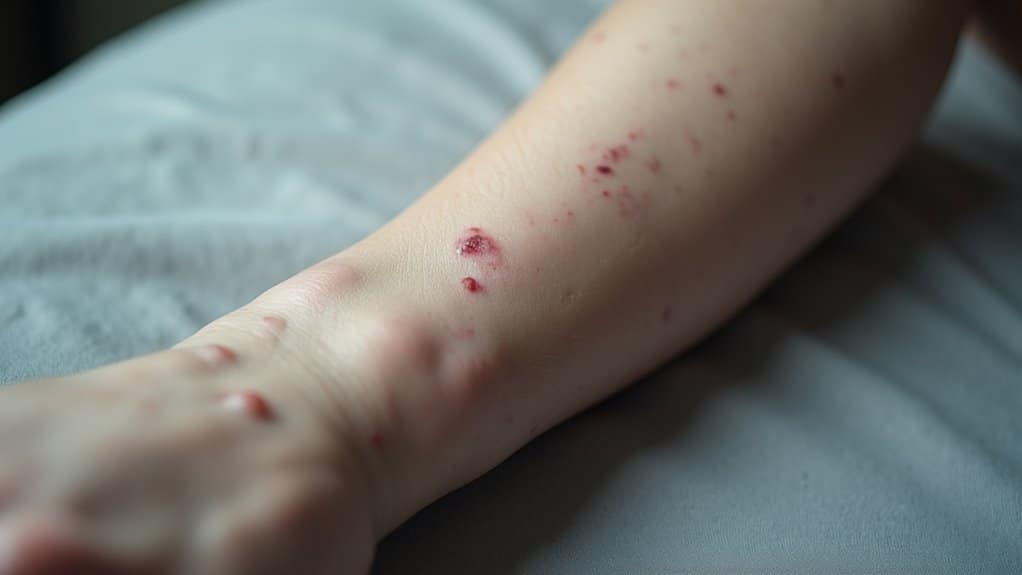
Physical Signs
Track Marks: What They Look Like and What They Mean
Track marks: learn what fresh and old injection marks look like, where they appear, and which warning signs of infection or vein damage need care.

Track marks: learn what fresh and old injection marks look like, where they appear, and which warning signs of infection or vein damage need care.
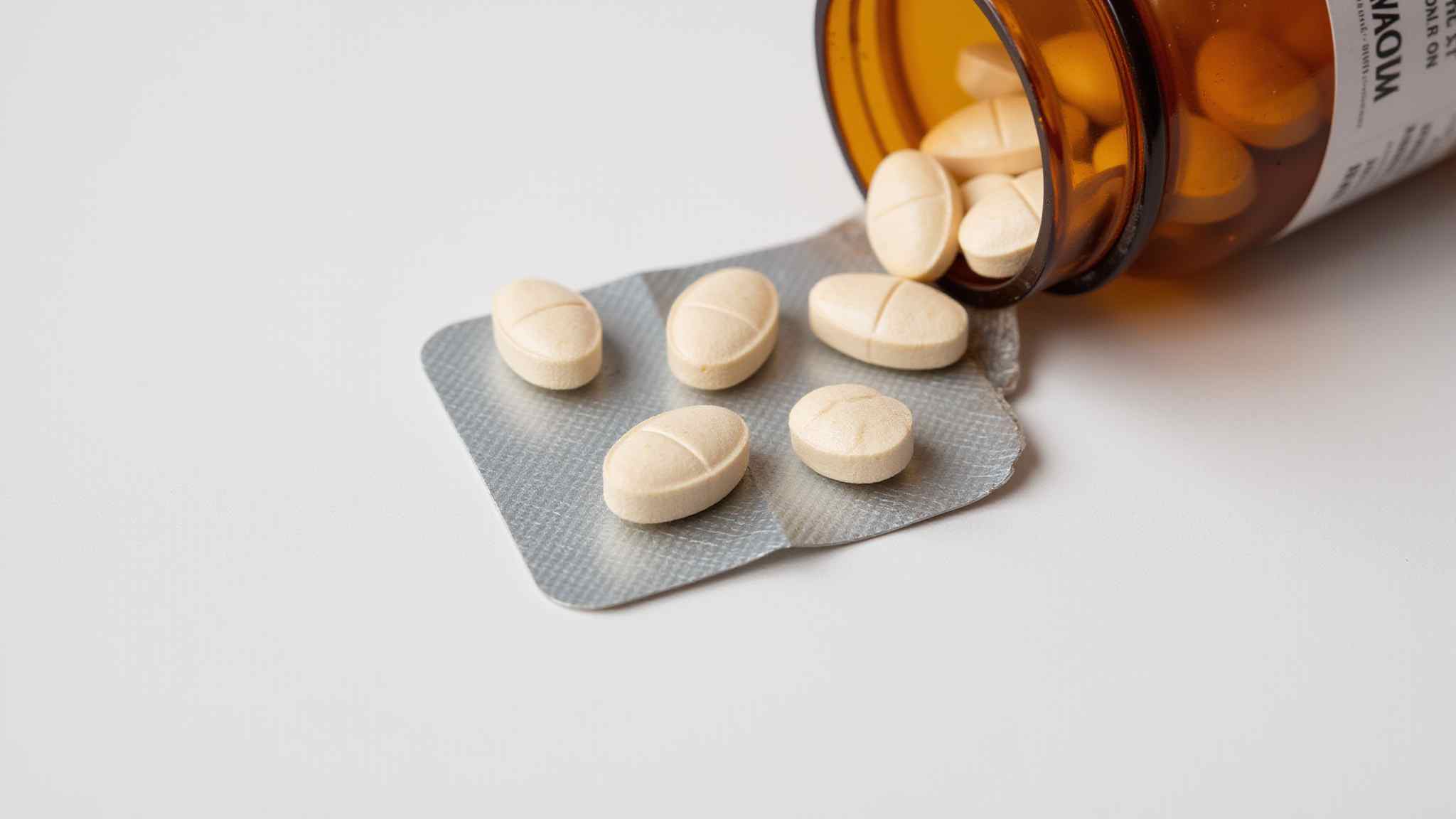
Is Adderall a stimulant? Yes. Learn how this Schedule II drug affects dopamine and norepinephrine, and how prescribed use differs from misuse.

Dry drunk syndrome: learn the signs and causes of feeling stuck after quitting alcohol, plus practical steps to build coping skills and move forward.

What does cocaine do to your brain? Learn how it floods dopamine, rewires reward and stress circuits, and whether your brain can recover after quitting.

Panic attack vs. anxiety attack: learn the key differences in onset, triggers, and duration so you can find the right relief.

High-functioning anxiety: learn to spot the hidden signs, from over-preparing to poor sleep, how they link to GAD, and when to seek care.

ADHD and addiction often overlap. Learn why ADHD raises substance use risk and how integrated dual-diagnosis care treats both conditions together.

Self-medicating anxiety with alcohol or drugs can lead to addiction. Learn the warning signs and how integrated care treats both conditions.

Wet brain syndrome (Wernicke-Korsakoff) explained: how thiamine deficiency causes it, key warning signs, and why fast treatment matters.

Alcoholic ketoacidosis: learn the warning signs after binge drinking, how IV fluids, dextrose, and thiamine treat it, and how to prevent it.

How alcohol affects the liver: see how damage progresses from fatty liver to cirrhosis, and learn whether your liver can recover.

Alcohol brain damage is often partly reversible. Learn how gray and white matter recover after you quit drinking and what supports healing.

Adult children of alcoholics face higher risks of depression and anxiety. Learn how these patterns form and how screening and support help you heal.
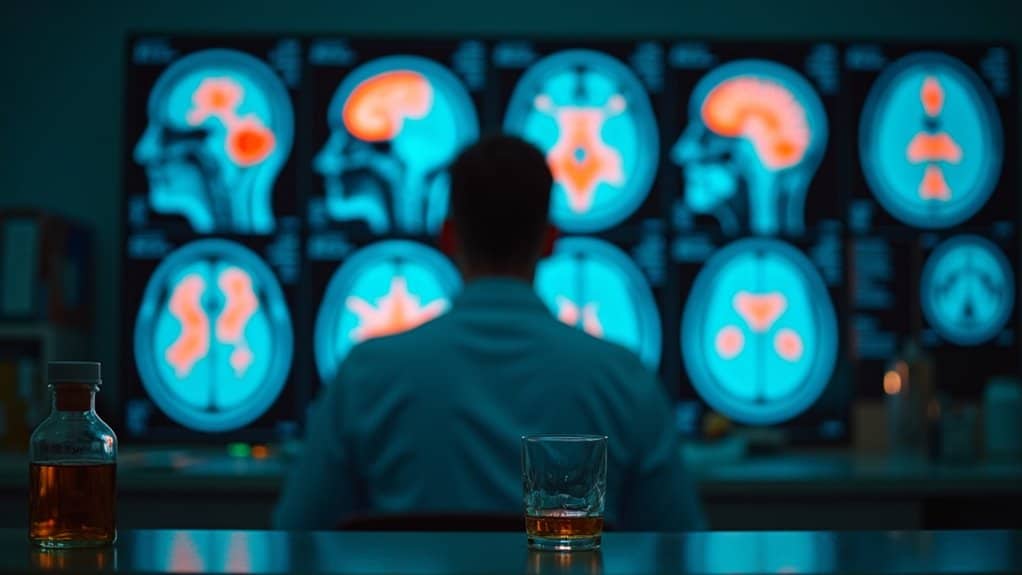
Is addiction a disease? Yes. Learn how substance use changes the brain, what shapes risk, and why the medical label matters for treatment.
Codependency in relationships: learn the key signs and practical steps to rebuild your self-worth and set healthy boundaries.