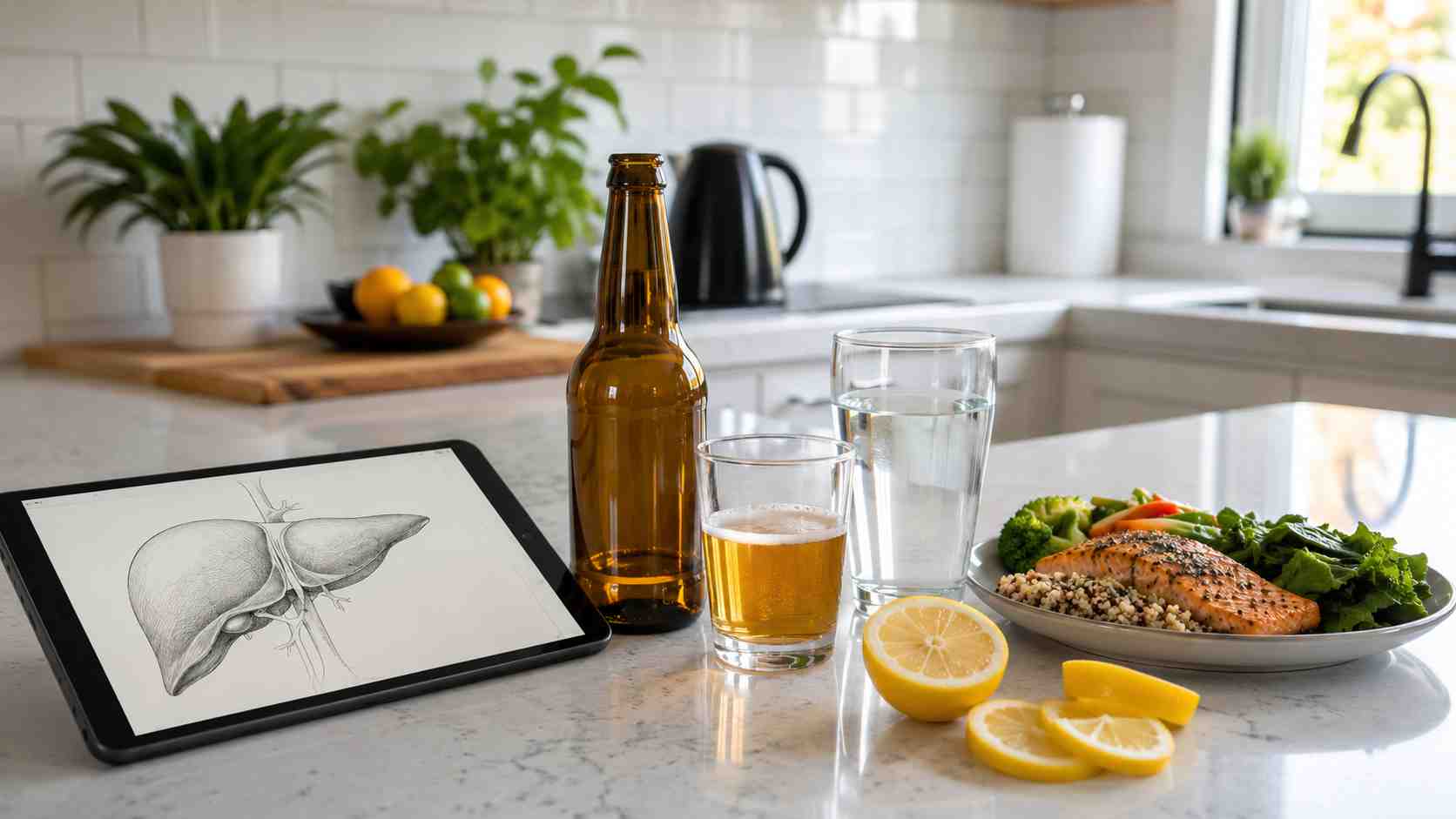






Alcohol shows up in your blood for 6 to 12 hours after your last drink, since standard BAC tests measure active ethanol. Urine tests vary more widely. Standard urine screens detect ethanol for 12 to 24 hours, while advanced metabolite testing extends detection considerably, EtG registers for 48 to 80 hours and EtS for 24 to 72 hours. Your specific window depends on the test type, and understanding why reveals essential differences worth knowing.
Key Takeaways
- Standard blood tests detect alcohol for roughly 6 to 12 hours after the last drink.
- Standard urine tests typically detect ethanol for 12 to 24 hours after drinking.
- Advanced urine testing extends detection, with EtG lasting 48 to 80 hours and EtS 24 to 72 hours.
- Detection windows overall range from 6 hours to 90 days depending on the test type used.
- Metabolites like EtG and EtS remain detectable even after blood alcohol returns to zero.
How long is alcohol detectable on different tests

Alcohol’s detection window ranges from 6 hours to 90 days depending on the test used. A standard blood test detects alcohol for 6 to 12 hours after your last drink, though heavy consumption can extend this slightly. Standard urine tests typically identify ethanol for 12 to 24 hours. Advanced urine metabolite testing extends this range markedly: ethyl glucuronide (EtG) detects use for 48 to 80 hours, while ethyl sulfate (EtS) remains detectable for 24 to 72 hours. Breath and saliva tests catch alcohol for 12 to 24 hours. For long-term monitoring, hair follicle tests reveal heavy drinking patterns for up to 90 days, and phosphatidylethanol (PEth) blood tests identify consumption for 1 to 2 weeks or longer. Your specific detection window ultimately depends on the method used. How long does alcohol stay in your system varies with factors like your metabolism and how much you drank. Personal health and drinking habits shape detection windows, and since different tests yield different results, it helps to know which one you’ll be taking.
How long does alcohol stay in your blood
Alcohol stays detectable in your blood for roughly 6 to 12 hours after your last drink. It enters your bloodstream within minutes of your first drink and becomes detectable almost immediately. Standard blood alcohol content (BAC) tests then identify ethanol for roughly 6 to 12 hours after your last drink. The National Institute on Alcohol Abuse and Alcoholism reports a typical blood detection window of 8 to 12 hours. If you drink heavily, that window can extend slightly beyond 12 hours, since your metabolism processes larger quantities more slowly. How your body breaks down alcohol involves absorption, distribution, metabolism, and elimination, with liver enzymes converting alcohol into substances the body can clear. This process varies from person to person based on genetics, age, and overall health.
For longer detection, you’ll need a phosphatidylethanol (PEth) blood test. PEth measures a direct alcohol biomarker and identifies consumption for 1 to 2 weeks or longer. Standard BAC testing captures recent intake, but PEth reveals sustained or heavy drinking patterns well after ethanol itself has cleared your blood.
How long is alcohol detected in urine
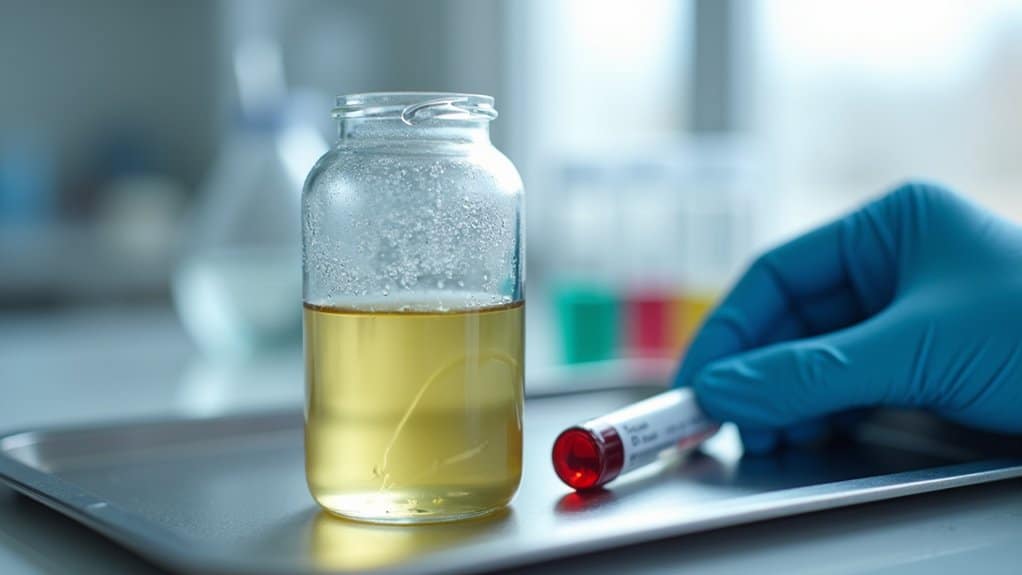
Standard ethanol urine tests typically detect alcohol for 12 to 24 hours after your last drink, with ethanol appearing within an hour of drinking. Some standard screens identify ethanol for only 7 to 12 hours post-consumption. How long alcohol stays detectable in your urine depends on which test you take.
Advanced metabolite tests extend this window considerably. Ethyl glucuronide (EtG) tests detect alcohol for 48 to 80 hours, though light drinking may only register for one day, while heavier consumption can persist up to 5 days. Ethyl sulfate (EtS) tests detect alcohol for 24 to 72 hours.
Your individual metabolism, the amount you’ve consumed, and whether you drink chronically all influence how long these markers remain detectable in your urine.
How do breath and saliva tests compare
Breath and saliva tests both detect alcohol for 12 to 24 hours after your last drink, aligning closely with standard urine ethanol testing rather than the shorter 6-to-12-hour blood window. Both offer noninvasive alternatives to blood and urine with comparable detection windows. Many people wonder if there are ways to flush alcohol out of your system faster. Hydration and certain foods may help a little, but time remains the only truly effective way for your body to metabolize alcohol.
Breath tests measure ethanol concentration in exhaled air, letting you estimate blood alcohol content indirectly without drawing blood. Saliva tests detect ethanol directly in oral fluid, providing rapid, on-site results.
Because both rely on detecting ethanol itself rather than metabolites like EtG or EtS, they can’t match the extended 48-to-80-hour windows advanced urine testing achieves. If you need prolonged detection, these methods won’t suffice. For quick, convenient screening, though, breath and saliva testing deliver practical, reliable results.
What is EtG testing and why does it detect alcohol longer
 EtG testing identifies ethyl glucuronide, a direct metabolite of ethanol rather than ethanol itself, which is why it detects alcohol use for 48 to 80 hours after your last drink, far longer than the 6-to-12-hour window of standard blood tests. Because your body metabolizes ethanol into EtG, this compound lingers well after ethanol clears your bloodstream. Your detection window depends on how much you drink.
| Consumption Level | EtG Detection Window |
|---|---|
| Light drinking | Up to 24 hours |
| Moderate drinking | Up to 48 hours |
| Heavy drinking | 72 hours or longer |
Individual biological factors, including metabolism, can extend detection up to 5 days. This extended sensitivity makes EtG testing especially useful when you need to confirm recent abstinence rather than measure current impairment.
Why detection time differs from impairment or sobriety
Detection time differs from impairment because these tests measure different things. When you’re tested, ethanol metabolites like EtG and EtS remain detectable long after your blood alcohol content returns to zero and impairment ends. These metabolites confirm that you consumed alcohol, not that you’re currently under its influence.
Consider these distinctions:
- Impairment tracks active ethanol in your bloodstream, peaking within hours and clearing in 6, 12 hours.
- EtG/EtS detection identifies metabolites for 24, 80 hours after you’ve sobered up.
- BAC tests measure current intoxication, correlating with impaired motor and cognitive function.
- Metabolite tests verify past consumption, offering no data on your present sobriety.
How Simonds Recovery Centers supports people facing alcohol problems
Simonds Recovery Centers supports people facing alcohol problems by treating alcohol use disorder with evidence-based interventions rather than relying on detection windows alone. When you seek help, you’ll undergo a detailed assessment measuring consumption patterns, physiological dependence, and biomarkers like PEth, which reflects sustained intake over one to two weeks. Your treatment plan integrates medically supervised detoxification, pharmacotherapy, and behavioral therapies calibrated to your metabolic profile and drinking history. Because individual metabolism and consumption levels influence both detection and recovery, clinicians tailor interventions to your specific circumstances rather than applying generic protocols. You’ll receive continuous monitoring, relapse-prevention strategies, and support addressing the underlying factors driving alcohol use. This approach prioritizes measurable clinical outcomes and long-term abstinence over transient test results, giving you a structured, scientifically grounded path toward sustained recovery.
If You’re Counting Hours, That’s Worth Noticing
There’s a difference between wanting to know how testing works and needing to time your drinking around it. If the second one sounds closer, the test window isn’t really the problem. Simonds Recovery Centers in Granada Hills starts with an honest assessment of where your drinking actually sits, then builds treatment around it, medical detox if your body needs it, MAT to take the edge off cravings, and CBT to work on what’s underneath.
Call (833) 781-8338 or verify your insurance. Confidential, seven days a week.
Frequently Asked Questions
Can drinking water flush alcohol out of my system faster?
No. Your liver metabolizes alcohol at a fixed rate of roughly 0.015 BAC per hour, regardless of how much water you drink. Water helps with hydration and can ease hangover symptoms, but it doesn’t accelerate ethanol elimination or shorten detection windows. EtG metabolites persist independently of your fluid intake or how often you urinate.
Does the type of alcohol affect detection times?
No. What matters is the total amount of ethanol you consume, not whether it came from beer, wine, or spirits. Your detection window depends on the quantity, your individual metabolism, your drinking pattern, and the test used. Heavier consumption extends detection, which is why advanced EtG or EtS urine tests can identify metabolites for up to 80 hours.
Can certain foods or medications cause a false positive alcohol test?
They can on sensitive metabolite tests. EtG testing is sensitive enough to register trace ethanol from everyday sources like mouthwash, hand sanitizer, cough syrup, and some fermented foods, none of which represent actual drinking. Standard blood and breath tests are far less prone to this. If you’re facing an EtG test, avoiding alcohol-containing products beforehand reduces the risk of an unclear result.
How accurate are at-home alcohol testing kits?
Accuracy varies by type and quality. At-home breath testers can give a rough indication, but results depend on calibration, timing after your last drink, and correct use, and they aren’t reliable enough for legal or clinical decisions. Laboratory testing (blood BAC, urine EtG/EtS, or PEth) uses validated methods and is what any consequential result should rest on.
Can secondhand exposure to alcohol trigger a positive test result?
Ambient alcohol vapor won’t put enough ethanol into your bloodstream to register. The confusion usually comes from incidental direct exposure instead: products you apply, rinse with, or swallow can leave trace ethanol that a sensitive EtG test may pick up. That’s a different pathway from breathing air near someone drinking, and it’s the one worth guarding against before a test.