



No, you can’t flush alcohol out of your system faster. Only your liver clears it, and it works at a fixed rate: about one standard drink per hour. No coffee, cold shower, water, or workout overrides that pace. These tricks might mask impairment, but they won’t lower your blood alcohol concentration. Only time does that. Hydration and food ease discomfort, though they don’t speed elimination. Keep going to learn what genuinely helps while you wait.
Key Takeaways
- No supplement, drink, or trick can flush alcohol faster; only time lowers your blood alcohol concentration (BAC).
- The liver clears alcohol at a fixed rate of about one standard drink per hour using steady-working enzymes.
- Coffee, cold showers, water, and exercise may mask impairment or boost alertness, but none actually reduce BAC.
- Hydration eases dehydration and eating before drinking lowers peak BAC, though neither speeds up alcohol elimination.
- Rest, steady hydration, and nutritious foods aid recovery, while medically supervised detox safely manages withdrawal without shortcuts.
Can you actually flush alcohol out of your system faster
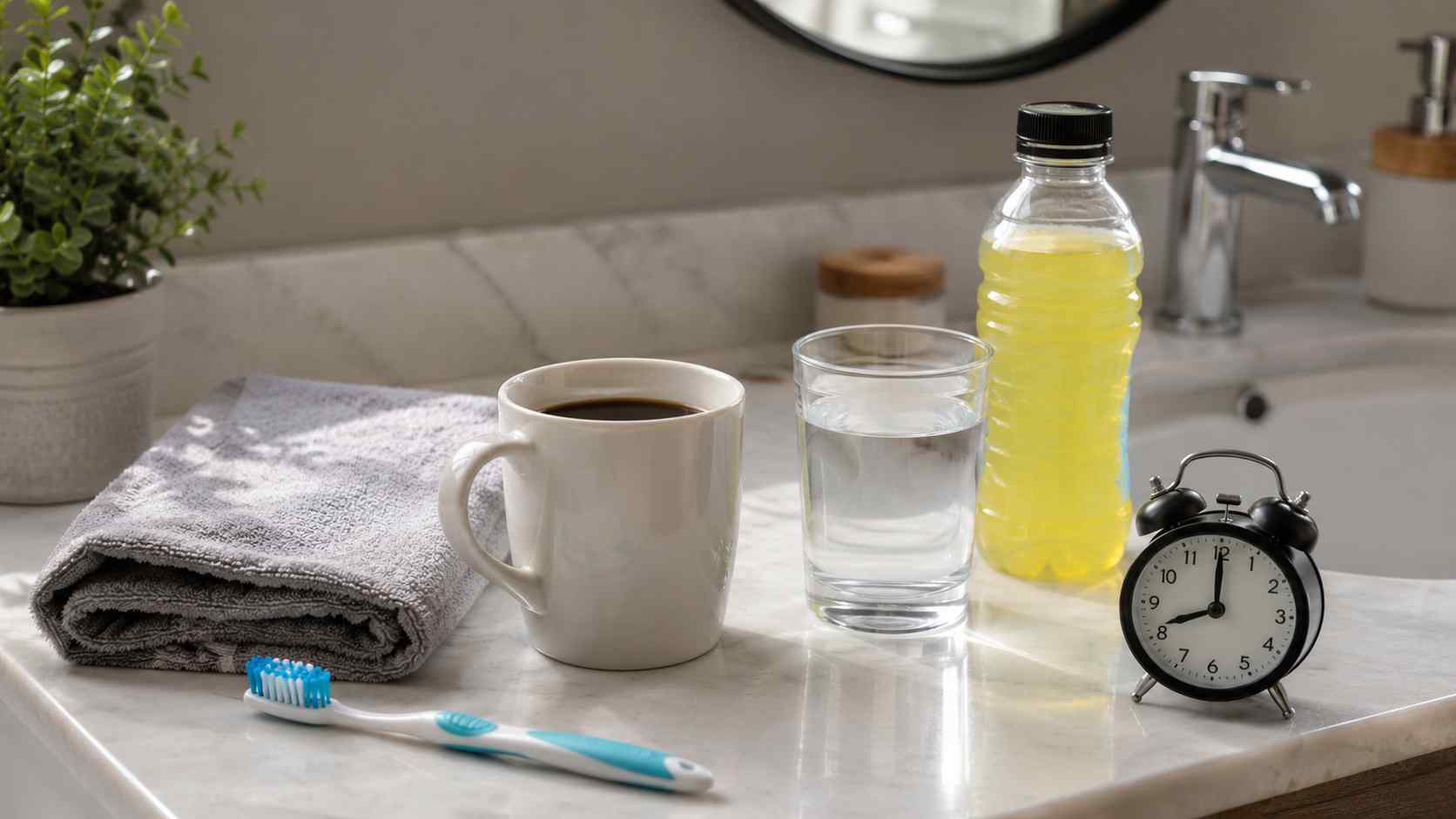
No, you can’t flush alcohol out of your system faster than your liver processes it. Your liver metabolizes alcohol at a fixed rate, roughly one standard drink per hour, and no external factor changes this. Liver enzymes work at a steady pace regardless of what you consume or how much you sweat.
Drinking water, exercising, taking cold showers, or downing coffee won’t accelerate elimination. Water relieves dehydration, and caffeine boosts alertness, but neither lowers your blood alcohol concentration. Sauna sessions and hot baths increase circulation without flushing alcohol from your bloodstream. No supplement, pill, or “detox” juice has scientific evidence supporting faster metabolism.
The only proven method is time. You wait, your liver works, and your BAC drops naturally.
Why the liver clears alcohol at a fixed rate
Your liver clears alcohol at a fixed rate because it relies on enzymes that work at a steady, predetermined pace, processing roughly one standard drink per hour. You can’t accelerate this biological process, no matter what you try. How long does alcohol stay in your system depends on factors like your weight, metabolism, and how much you drank, ranging from a few hours to over a day for full elimination. Understanding this helps you make informed decisions about drinking and its effects.
Here’s what your liver’s fixed rate really means for you:
- No amount of water speeds up enzyme activity in your liver.
- Exercise won’t force alcohol out faster, despite the sweat.
- Caffeine wakes you up but leaves your BAC unchanged.
- Saunas and hot baths increase circulation, not elimination.
- Supplements can’t override your enzymes’ steady pace.
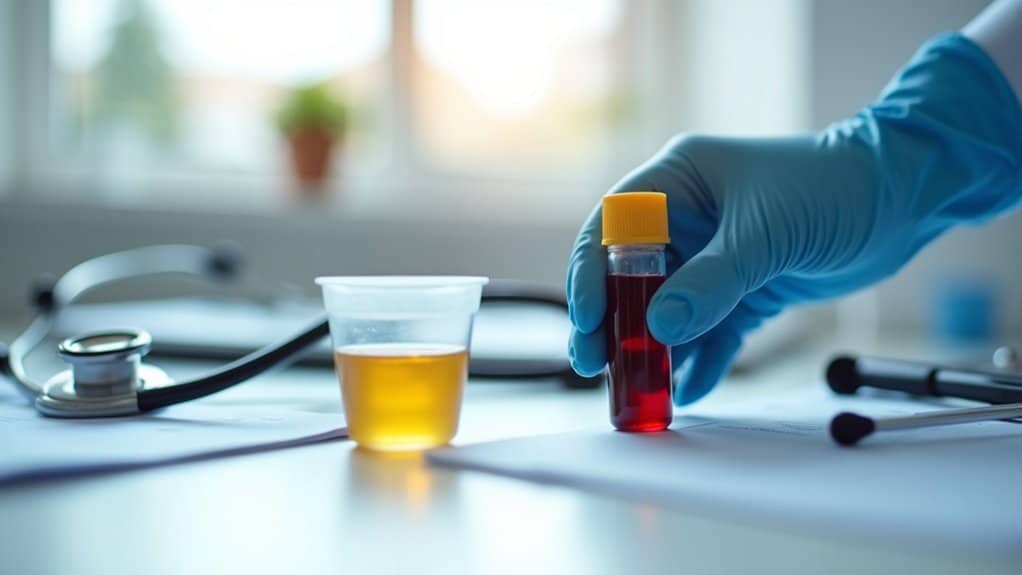
Weight, gender, and health status shape your peak BAC by affecting how alcohol distributes through your body, but they don’t change the hourly rate your liver works at. Accepting this means you’ll stop chasing shortcuts that simply don’t exist. Alcohol detection in blood and urine is key to monitoring intoxication, and many professions require regular testing for safety and legal compliance. Advances in technology have made these tests easier to run accurately.
Why coffee, cold showers, water, and exercise don’t speed it up
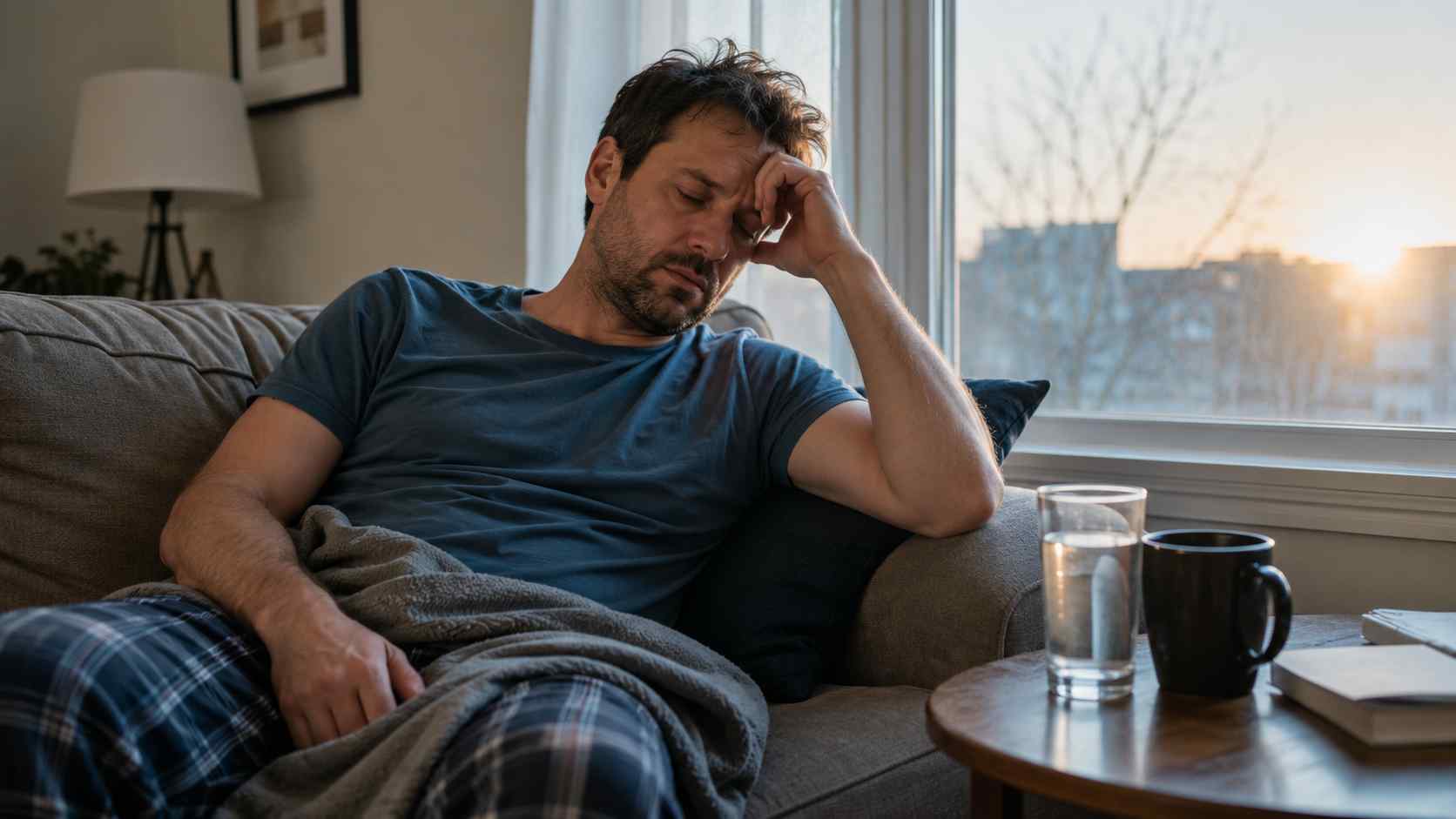
Coffee, cold showers, water, and exercise don’t speed up alcohol elimination because your liver clears alcohol at a fixed rate, and none of these methods change that pace. Caffeine sharpens your focus, but it doesn’t remove alcohol from your bloodstream. It just masks impairment, which is what makes it dangerous: feeling alert is not the same as being safe to drive. Cold showers raise your circulation and jolt your senses, yet they don’t flush alcohol out. Drinking water relieves dehydration, but it won’t lower your blood alcohol concentration any faster. Exercise increases your heart rate and may feel productive, though it doesn’t accelerate metabolism of alcohol. These strategies can make you feel more awake, but your enzymes still work at their steady, unchangeable speed.
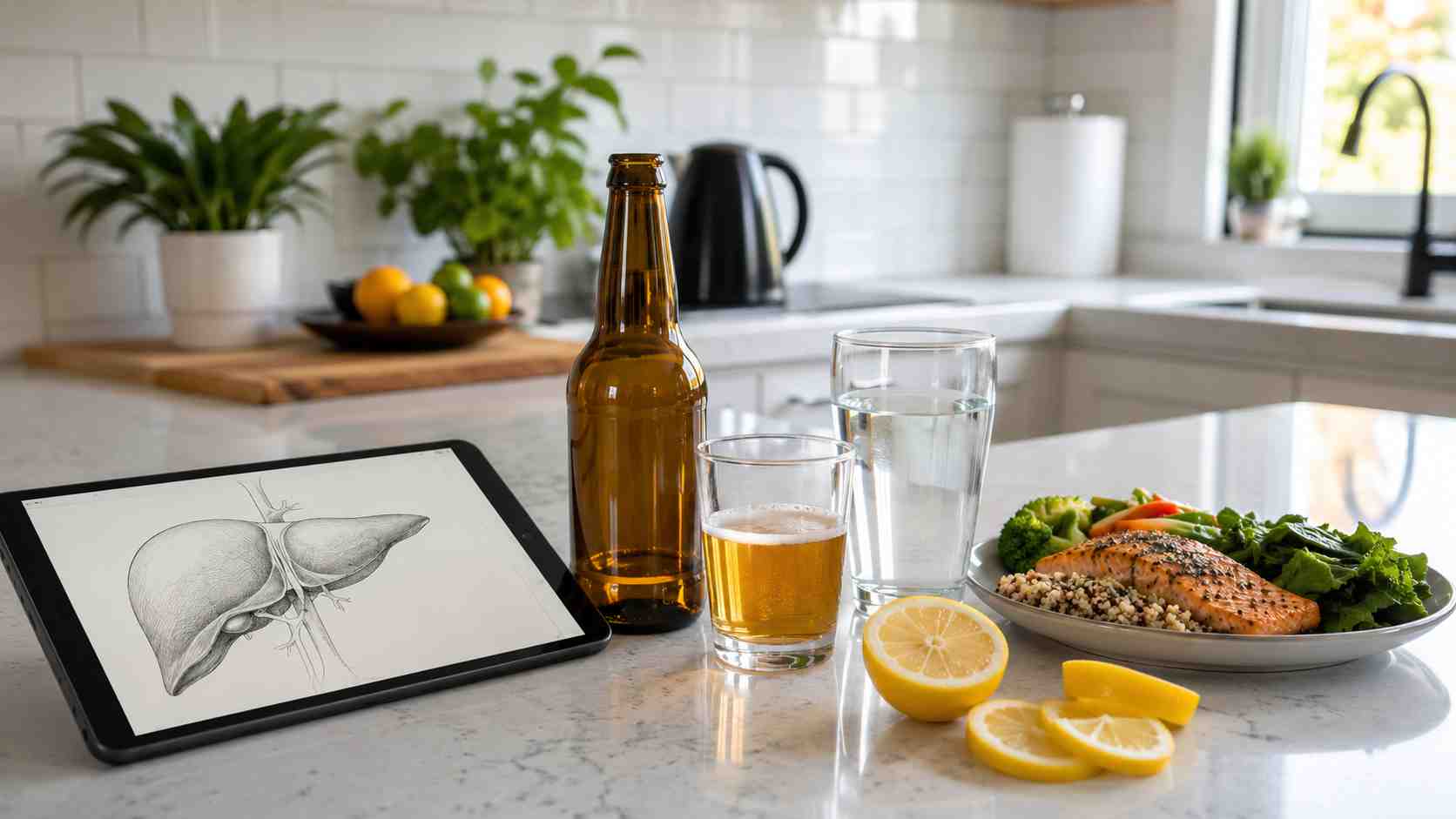
What hydration and food actually do (and don’t do)
Hydration and food make you feel better, but they do not lower your BAC faster.
- Hydration relieves dehydration, but it doesn’t speed alcohol elimination.
- Eating before or during drinking slows absorption, lowering your peak blood alcohol level.
- Zinc, iron, and Vitamin B-rich foods support general liver function.
- Vitamin C is sometimes said to help the liver work more efficiently, though evidence is limited.
- Fiber-rich and citrus foods are often claimed to help, though evidence stays limited.
You’ll feel better, but your BAC won’t drop faster.
Why sobering up quickly is a myth

Sobering up quickly is a myth because your liver sets the pace, and nothing you do can override it. Your liver metabolizes alcohol at a fixed rate, roughly one standard drink per hour, driven by enzymes that operate at a steady speed. No external factor accelerates this process. Caffeine might make you feel alert, but you’re still impaired. Cold showers, exercise, and water don’t lower your blood alcohol concentration. Understanding how your body breaks down alcohol is key to managing intoxication. Your liver does most of the work, using enzymes like alcohol dehydrogenase to process ethanol, producing by-products such as acetaldehyde that fuel hangover symptoms when you drink too much.
| Popular Myth | Reality |
|---|---|
| Coffee sobers you up | Increases alertness, not elimination |
| Exercise burns off alcohol | Doesn’t affect metabolism rate |
| Water flushes alcohol out | Relieves dehydration only |
The truth is straightforward: only time reduces your BAC. Stopping drinking and waiting remains your single reliable strategy. None of these methods make you safe to drive, and none of them lower what a breath test will read.
What genuinely helps you feel better while you wait
Several practical steps genuinely help you feel better while you wait. You can’t speed up alcohol elimination, but you can support your body’s recovery and ease the discomfort that comes with waiting. Your liver processes alcohol at a fixed rate, but you can address dehydration, fatigue, and nutritional depletion while that happens.
You can’t rush sobriety, but you can support your body’s recovery and ease the discomfort while time does its work.
- Hydrate steadily: water relieves dehydration, even though it won’t lower your BAC.
- Rest and sleep, allowing your body to recover while it processes alcohol at its natural pace.
- Eat nutritious foods rich in zinc, iron, and Vitamin B to support liver function.
- Avoid fatty, fried foods that burden your liver during recovery.
These measures ease symptoms, but only time truly clears alcohol from your system.
How Simonds Recovery Centers provides medically supervised alcohol detox
Simonds Recovery Centers provides medically supervised detox designed to keep you safe while your body eliminates alcohol at its natural rate. Trained clinicians monitor your life-sustaining signs, manage withdrawal symptoms, and respond quickly to complications that can arise during acute detoxification. You won’t find shortcuts here. No supplement or intravenous drip accelerates your liver’s fixed metabolic pace. Instead, the program supports your health with hydration, nutrition, and medication when appropriate, reducing risks that unsupervised withdrawal carries. Time remains the only true eliminator, but under professional care, you navigate that time safely, comfortably, and with a clear path toward lasting recovery.
If Waiting It Out Is the Hard Part, That’s the Real Signal
Looking for a shortcut past a hangover is one thing. Needing one because the hours between drinks have started to hurt is another, and that’s when stopping without help turns risky rather than just uncomfortable. Simonds Recovery Centers in Granada Hills gives that time a safe place to pass, with clinicians watching your vitals through medical detox, managing symptoms as they come, and moving you into structured treatment once the worst is behind you.
Call (833) 781-8338 or verify your insurance. Confidential, seven days a week.
Frequently Asked Questions
How long does alcohol stay detectable in urine and saliva tests?
Standard urine tests detect ethanol for roughly 12 to 24 hours after your last drink, while saliva tests detect it for 12 to 24 hours. Advanced EtG urine testing looks for a metabolite rather than ethanol itself, which extends detection to as long as 80 hours. Your exact window depends on how much you drank and which test is used. Detection confirms that you consumed alcohol, not that you’re currently impaired.
Does body weight or gender affect alcohol elimination time?
They affect your peak blood alcohol concentration more than your elimination rate. Body weight and sex influence how alcohol distributes through your tissues, so the same intake can produce a higher or lower starting BAC in different people. Your liver still works through it at roughly one standard drink per hour once it’s there. These factors shape where you start, not how fast you come down.
Can medical detox completely remove alcohol from your system?
No. Even under clinical supervision, your liver metabolizes alcohol at its own fixed rate, and no drip, medication, or procedure overrides that. What medical detox does is manage withdrawal safely, which matters because alcohol withdrawal can be dangerous and occasionally life-threatening. It keeps you safe while time does the elimination, rather than shortening it.
What is considered one standard drink of alcohol?
A standard drink contains roughly 14 grams of pure ethanol. That’s about a 12-ounce beer at 5% ABV, a 5-ounce glass of wine at 12%, or a 1.5-ounce shot of distilled spirits at 40%. Your liver processes approximately one standard drink per hour, so tracking drinks in these units gives you a realistic sense of how long clearance will take.
How does eating before drinking affect blood alcohol levels?
Food slows how quickly alcohol reaches your bloodstream by delaying gastric emptying, so you reach a lower peak BAC than you would on an empty stomach. It changes the shape of the curve, not the total. Your liver still has to process the same amount of ethanol at the same rate, so eating lowers the peak without shortening how long clearance takes.