
Simonds Recovery Centers
Marijuana Addiction Treatment and Rehab
Joint Commission Accredited · Licensed by California DHCS (#191267AP) · LegitScript Certified
Marijuana addiction treatment at Simonds Recovery Centers is therapy-led care for adults dependent on marijuana. Because cannabis dependence is primarily psychological, treatment centers on behavioral therapy, withdrawal support, and relapse prevention rather than medication. We work with most major insurance and verify your benefits before you start.
Talk to a consultant:
+1 (833) 781-8338

What is Marijuana Addiction?
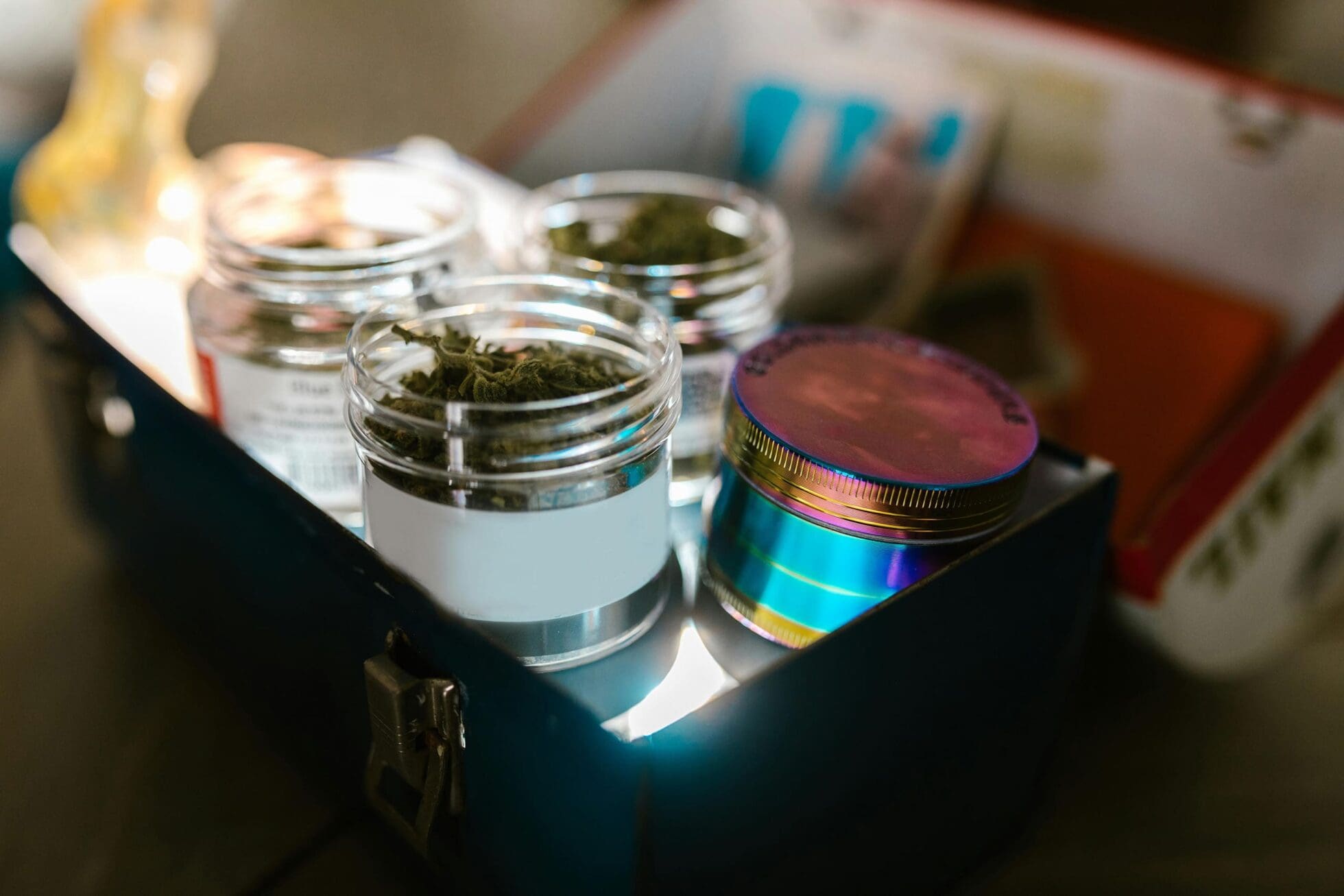
Marijuana addiction, known clinically as cannabis use disorder, is the loss of control over cannabis use despite the problems it causes. Many people think marijuana is not addictive, but regular heavy use can lead to real dependence, with tolerance, cravings, and withdrawal when someone tries to stop. Today’s high-THC products have made dependence more common than the drug’s relaxed reputation suggests.
Cannabis dependence is mostly psychological rather than physical, which shapes how it is treated. People often keep using to manage stress, anxiety, sleep, or boredom, and over time it can quietly take over daily routines, relationships, and motivation. When cutting back becomes difficult despite wanting to stop, treatment helps.
Talk to a consultant:
+1 (833) 781-8338
Who marijuana addiction treatment is for
Marijuana addiction treatment is for adults whose cannabis use has become hard to control or is getting in the way of daily life. You do not have to hit a crisis point to benefit from treatment. The common thread is wanting to stop or cut back and finding it harder than expected.
People who seek treatment often include daily users who no longer feel a choice in it, people using high-THC concentrates, vapes, or edibles whose tolerance has climbed sharply, and those who use marijuana to manage anxiety, depression, or sleep and want to address the underlying issue. Treatment also helps people whose use is affecting work, school, relationships, or motivation, even when they still see it as harmless.
Talk to a consultant:
+1 (833) 781-8338


Signs and symptoms of marijuana addiction
The signs of marijuana addiction are mostly behavioral and psychological. Recognizing them is often what leads someone to seek treatment, for themselves or a loved one. Because marijuana is legal in California and widely seen as harmless, dependence can be easy to overlook.
Common signs include needing more to get the same effect, using to cope with stress or emotions, and being unable to cut back despite wanting to. Other signs include neglecting responsibilities, losing interest in activities, and withdrawal symptoms like irritability, anxiety, restlessness, and trouble sleeping when not using. Using throughout the day or feeling unable to function without it is a key warning sign.
Health and life effects of long-term marijuana use
Long-term heavy marijuana use affects more than the moments of being high. Because cannabis acts on the parts of the brain involved in memory, attention, and motivation, regular heavy use can lead to problems with focus, short-term memory, and follow-through, which often show up at work or school. Higher-potency products tend to carry a greater risk of these effects.
Heavy use is also linked to increased anxiety, low mood, and disrupted sleep, which is part of why cutting back can feel harder than expected when someone is using cannabis to cope with those very things. Smoking marijuana can irritate the lungs and cause a chronic cough, and daily use can strain finances, relationships, and goals over time. Naming these effects is not about judgment, it is about seeing clearly what use is costing, which is often what makes change feel worth it.
Marijuana withdrawal
Marijuana withdrawal is real but not medically dangerous, and it is mostly psychological. When heavy users stop, symptoms can include irritability, anxiety, restlessness, trouble sleeping, vivid dreams, low appetite, and cravings, usually starting within a day or two and easing over one to two weeks. These symptoms are uncomfortable rather than risky, but they are a common reason people relapse early.
Because the hard part of quitting marijuana is psychological, supportive care during the first weeks matters. Our team provides a stable, substance-free setting and helps manage sleep, mood, and cravings as they settle. Where added structure helps in the early days, our detox and stabilization care supports this first stage.
Talk to a consultant:
+1 (833) 781-8338
What to expect when you quit marijuana
Quitting marijuana gets easier in stages, and knowing the rough timeline helps people get through the hardest part. The first few days are usually the toughest, with irritability, restlessness, low appetite, and difficulty sleeping. Many people notice vivid or unusual dreams in the first week or two, which happens as normal sleep patterns return after long-term use, and these fade with time.
Over the following weeks, sleep, mood, and appetite settle, cravings become less frequent, and focus and energy tend to return. People who quit often report clearer thinking, steadier mood, better sleep over time, more money, and a renewed sense of motivation. Therapy during this window is what turns a hard first few weeks into a lasting change, by building the skills and routines that keep cannabis from filling the same role again.
Levels of care for marijuana addiction
Marijuana treatment works through levels of care that differ in how much structure surrounds the therapy. Most people do well in outpatient care, though some benefit from a more intensive start, especially when anxiety, depression, or another condition is part of the picture. The table below shows how the levels compare.
Marijuana treatment levels of care
Level of care | Intensity | Living situation |
Supportive detox / stabilization | Highest, 24-hour medical care | Onsite |
Inpatient / residential | High, 24-hour structured care | Onsite |
Partial hospitalization (PHP) | Intensive daily treatment | Home at night |
Intensive outpatient (IOP) | Moderate, part-time | Home |
Outpatient | Ongoing maintenance | Home |
The right level is set by clinical assessment. Because marijuana recovery is therapy-driven, the levels differ mainly in how much structure and support surround the behavioral work, not in medication.
How marijuana addiction is treated
Marijuana addiction is treated with behavioral therapy, because no medication is approved to treat cannabis use disorder. The most effective approaches are cognitive behavioral therapy (CBT), motivational enhancement, and contingency management, which together address the triggers, habits, and reasons behind use. Treatment is delivered in individual and group settings with a focus on relapse prevention.
Many people who become dependent on marijuana are also managing anxiety, depression, or trouble sleeping, and often use cannabis to cope with those. Treating the underlying condition alongside the addiction is central to lasting recovery, and our team addresses co-occurring conditions as part of the plan.
Insurance and cost
Most major insurance plans cover marijuana addiction treatment, including therapy and outpatient and inpatient care. We work with carriers including Aetna, Blue Cross Blue Shield, Cigna, UnitedHealthcare, Optum, and Humana, among others, and our admissions team verifies exactly what your plan covers before you start.
What you pay out of pocket depends on your plan and the level of care you need. Verifying your benefits takes a few minutes and carries no obligation. Submit the insurance verification form or call +1 (833) 781-8338.
Talk to a consultant:
+1 (833) 781-8338

Medically reviewed by
Chris Small, M.D. Addiction Psychiatrist. Dr. Small is board certified in Psychiatry, Addiction Medicine, and Family Medicine. He earned his medical degree at the University of Hawaii and completed his residency in Psychiatry and Family Medicine at UCSD.
Frequently Asked Questions
Is marijuana actually addictive?
Yes. While marijuana is less physically addictive than alcohol or opioids, regular heavy use can lead to cannabis use disorder, a real psychological dependence with tolerance, cravings, and withdrawal. Today’s high-THC products have made dependence more common than many people expect.
What is the best treatment for marijuana addiction?
The most effective treatment is behavioral therapy, since no medication is approved for cannabis use disorder. Cognitive behavioral therapy, motivational enhancement, and contingency management address the triggers and habits behind use. Treating any co-occurring anxiety or depression is part of the plan.
Is marijuana withdrawal dangerous?
Marijuana withdrawal is not medically dangerous, but it is real and uncomfortable. Symptoms like irritability, anxiety, poor sleep, vivid dreams, and low appetite usually begin within a day or two and ease over one to two weeks. Supportive care during this stage helps prevent early relapse.
What are the benefits of quitting marijuana?
People who quit marijuana often report better sleep over time, clearer thinking and focus, steadier mood, more energy, and more money. Motivation and short-term memory tend to improve as the brain adjusts. The first couple of weeks are the hardest, after which most people notice steady gains.
Why do I have vivid dreams after quitting weed?
Vivid or intense dreams are a common, harmless part of marijuana withdrawal. Regular cannabis use suppresses the dreaming stage of sleep, so when you stop, the brain catches up and dreams come back more strongly for a week or two. They settle as sleep returns to normal.
How long does it take to quit marijuana?
Withdrawal symptoms usually ease over one to two weeks, but building lasting change takes longer and depends on the person. Therapy focuses on the triggers and reasons behind use so the change holds. The clinical team sets the right pace and level of care with you.
Does insurance cover marijuana rehab?
Most major insurance plans cover marijuana addiction treatment, including outpatient and inpatient care. We work with carriers including Aetna, Blue Cross Blue Shield, Cigna, UnitedHealthcare, Optum, and Humana. Our admissions team verifies your specific benefits with no obligation.
Do I need inpatient rehab for marijuana addiction?
Most people recovering from marijuana do well in outpatient care, since the focus is therapy rather than medical detox. A more intensive start can help when anxiety, depression, or another condition is part of the picture. The right level is decided through a clinical assessment.
Where can I find marijuana addiction treatment near me in Los Angeles?
Our marijuana addiction treatment is at Simonds Recovery Centers in Granada Hills, in the San Fernando Valley area of Los Angeles, at 17810 Simonds St. The program serves adults across the greater Los Angeles area. Call +1 (833) 781-8338 or verify your insurance to get started.
Start marijuana addiction treatment today
Talk to our admissions team about therapy-led marijuana treatment for you or your loved one. Call +1 (833) 781-8338 or verify your insurance now.
Talk to a consultant:
+1 (833) 781-8338