
Simonds Recovery Centers
Suboxone Treatment and Rehab
Joint Commission Accredited · Licensed by California DHCS (#191267AP) · LegitScript Certified
Suboxone treatment at Simonds Recovery Centers covers both sides of Suboxone: using it as part of medication-assisted treatment for opioid addiction, and helping people who want to come off Suboxone do so safely through a gradual, medically supervised taper. Whatever brought you here, our team meets you where you are. We work with most major insurance and verify your benefits before you start.
Talk to a consultant:
+1 (833) 781-8338

What Suboxone is
Suboxone is a medication that combines buprenorphine and naloxone, used to treat opioid use disorder. It is an effective, evidence-based, and often life-saving treatment that lowers cravings and withdrawal, and we use it as part of medication-assisted treatment here. For many people, staying on Suboxone is the right long-term choice, and that is a decision to make with a prescriber, not something to be ashamed of.
At the same time, some people develop a dependence on Suboxone itself, misuse it, or simply reach a point where they want to stop taking it. Because buprenorphine is an opioid, the body becomes physically dependent on it, and stopping suddenly causes withdrawal. This page is for both situations: starting Suboxone as treatment, and coming off it with support. Neither is a failure.
Talk to a consultant:
+1 (833) 781-8338
Two paths: starting Suboxone or coming off it
Suboxone treatment splits into two paths, and this page covers both. The first is for adults seeking Suboxone as a treatment for opioid addiction, who want a provider in Los Angeles to start or continue medication-assisted treatment. The second is for people already on Suboxone, or who have been misusing it, who want to come off it safely.
If you are looking for a Suboxone doctor, we can talk through medication-assisted treatment and whether it fits your situation. If you want to taper off Suboxone, we can do that with medical supervision so withdrawal stays manageable. And if Suboxone use has become its own problem, treatment addresses that too. The first step in every case is a conversation with our team.
Talk to a consultant:
+1 (833) 781-8338


Is Suboxone addictive, and what dependence looks like
Suboxone can lead to physical dependence, but it is important to separate dependence from addiction. Because buprenorphine is an opioid, anyone taking it regularly will become physically dependent, meaning they will have withdrawal if they stop, even when taking it exactly as prescribed. That is expected and is not the same as addiction.
Addiction, or misuse, looks different. Signs include taking more than prescribed, using Suboxone to get high rather than to stabilize, getting it from more than one source or without a prescription, and compulsive use despite problems it causes. If that describes your use, treatment can help. If you simply want to stop a prescribed medication, that is a taper, not a rehab admission, and we can guide it.
Talk to a consultant:
+1 (833) 781-8338
Starting Suboxone for opioid addiction
Starting Suboxone, sometimes called induction, is done under medical guidance, and timing is the key part. Because buprenorphine is a partial opioid that binds strongly to opioid receptors, taking it too soon after other opioids can pull them off the receptors and trigger sudden withdrawal, known as precipitated withdrawal. To avoid that, the first dose is timed for when you are already in early withdrawal, which our medical team assesses with you.
Once started, Suboxone reduces cravings and withdrawal so daily life becomes manageable again, often quickly. For many people this is the turning point that makes the rest of recovery possible. We start and oversee Suboxone as part of medication-assisted treatment, combined with therapy, rather than as a prescription on its own.
Suboxone maintenance: staying on it long-term
For many people, staying on Suboxone for the long term is the safest and most effective choice, and the research supports it. Maintenance means taking a steady dose that keeps cravings and withdrawal away while you rebuild your life, and there is no fixed point at which you must stop. Staying on Suboxone is not a sign that treatment has not worked, and it is not trading one addiction for another, two of the most common and damaging myths about this medication.
How long to stay on Suboxone is a decision to make with your prescriber, based on your stability, your history, and your goals. Some people stay on it for a year, others for much longer, and some eventually taper off. We provide Suboxone maintenance within our medication-assisted treatment program, and you can revisit the decision over time as your situation changes.
Coming off Suboxone safely
Coming off Suboxone is done through a gradual, medically supervised taper, never an abrupt stop. Because the body is physically dependent on buprenorphine, stopping suddenly brings on withdrawal, so the dose is lowered slowly over time in a way your body can adjust to. How long this takes varies from person to person, and there is no single right schedule.
Doing this with medical support matters, both to keep withdrawal manageable and to protect against relapse to stronger opioids, which carries overdose risk. Some people taper as outpatients while staying in their daily lives, while others do better with more structure. Our medical detox and stabilization team manages the medical side while therapy supports the rest.
What to expect in Suboxone withdrawal
Because buprenorphine is long-acting, Suboxone withdrawal tends to start later and last longer than withdrawal from shorter-acting opioids. Symptoms often begin a day or two after the last dose and can include muscle aches, sweating, nausea, anxiety, insomnia, and low mood, easing gradually over one to several weeks depending on the dose and how long it was taken. A slow taper is designed to keep these symptoms mild rather than letting them peak. Medical monitoring keeps the process safe and as comfortable as possible.
Levels of care for Suboxone treatment
Suboxone-related care is matched to your goal, whether that is starting medication-assisted treatment, tapering off, or treating misuse. The table below shows how the levels compare.
Suboxone treatment levels of care
Level of care | Intensity | Living situation |
Medical detox / supervised taper | Highest, 24-hour medical care | Onsite |
Inpatient / residential | High, 24-hour structured care | Onsite |
Partial hospitalization (PHP) | Intensive daily treatment | Home at night |
Intensive outpatient (IOP) | Moderate, part-time | Home |
Outpatient | Ongoing maintenance | Home |
The right level is set by clinical assessment. Medication-assisted treatment and tapering can often happen in outpatient care, while misuse may call for more structure.
Therapy and the rest of treatment
Medication is only part of recovery, whether you are on Suboxone or coming off it, and therapy is what makes it last. Treatment addresses the reasons opioid use began, the triggers that sustain it, and the skills to stay well, so that stability does not depend on willpower alone.
We use evidence-based approaches including cognitive behavioral therapy (CBT) and dialectical behavior therapy (DBT), in individual and group settings. Because depression, anxiety, and trauma are common alongside opioid use disorder, our team also treats co-occurring mental health conditions as part of the same plan.
Talk to a consultant:
+1 (833) 781-8338
Suboxone treatment and doctors in Los Angeles
Simonds Recovery Centers provides Suboxone treatment in Granada Hills, in the San Fernando Valley area of Los Angeles, serving adults across the greater Los Angeles area. As part of medication-assisted treatment, our medical team can evaluate whether buprenorphine-based treatment is right for you and oversee it alongside therapy, all in one place.
If you have been searching for a Suboxone doctor or clinic in Los Angeles, our admissions team can explain how we provide medication-assisted treatment, what to expect, and how to start. Care is overseen by a board-certified addiction psychiatrist. Call +1 (833) 781-8338 or verify your insurance to begin.
Insurance and cost
Most major insurance plans cover Suboxone treatment, including medication-assisted treatment, tapering, and rehab. We work with carriers including Aetna, Blue Cross Blue Shield, Cigna, UnitedHealthcare, Optum, and Humana, among others, and our admissions team verifies exactly what your plan covers before you start.
What you pay out of pocket depends on your plan and the level of care you need. Verifying your benefits takes a few minutes and carries no obligation. Submit the insurance verification form or call +1 (833) 781-8338.
Talk to a consultant:
+1 (833) 781-8338
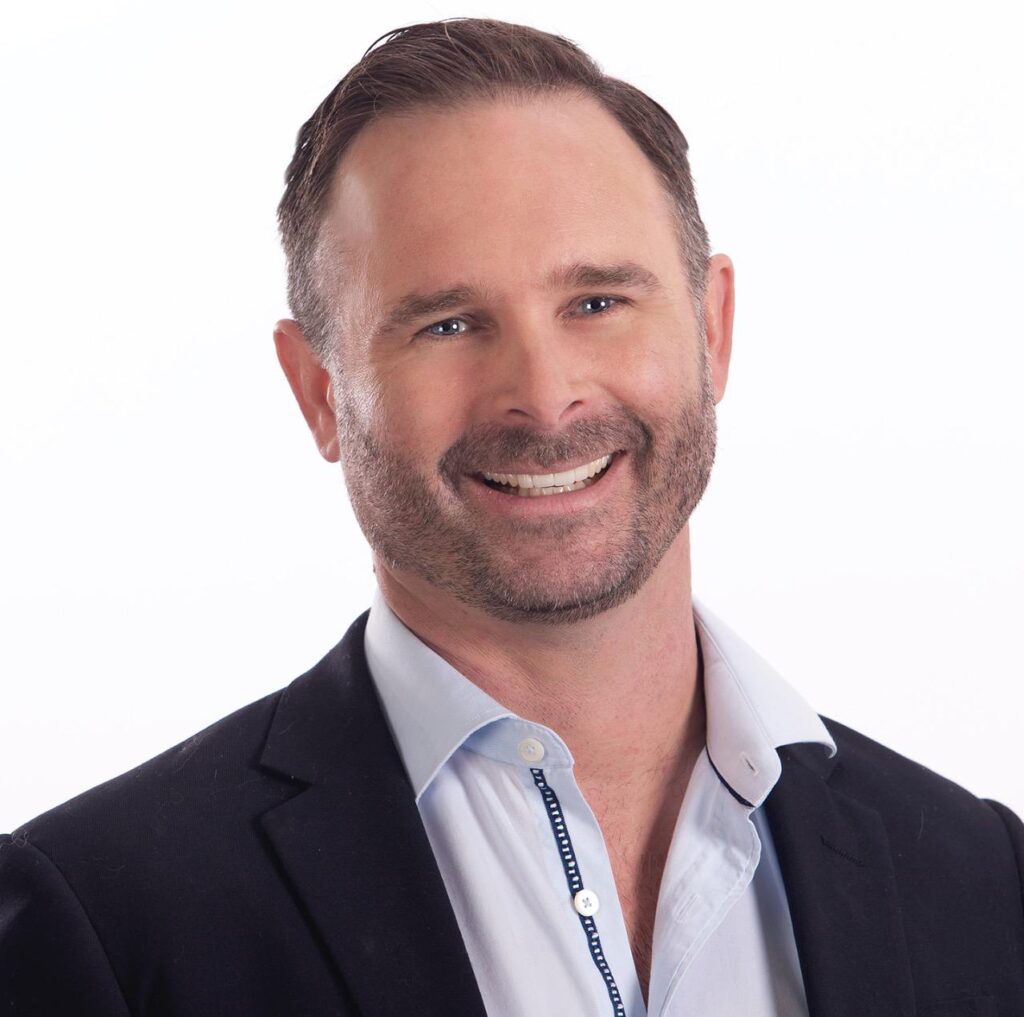
Medically reviewed by
Chris Small, M.D. Addiction Psychiatrist. Dr. Small is board certified in Psychiatry, Addiction Medicine, and Family Medicine. He earned his medical degree at the University of Hawaii and completed his residency in Psychiatry and Family Medicine at UCSD.
Frequently Asked Questions
Is Suboxone addictive?
Suboxone causes physical dependence, but that is not the same as addiction. Because buprenorphine is an opioid, anyone taking it regularly will have withdrawal if they stop, even when using it exactly as prescribed, which is expected. Addiction means misuse, such as taking more than prescribed or using it to get high, and that is treatable.
Does Simonds prescribe Suboxone or provide a Suboxone doctor?
We provide medication-assisted treatment, which can include buprenorphine, as part of opioid addiction care overseen by our medical team. Rather than a standalone walk-in clinic, Suboxone is offered within a full treatment plan with therapy and medical oversight. Call our team to discuss whether it fits your situation.
How do I get off Suboxone?
Coming off Suboxone is done through a gradual, medically supervised taper, never an abrupt stop. The dose is lowered slowly so your body can adjust and withdrawal stays manageable. Doing it with medical support also lowers the risk of relapse to stronger opioids, which is the most dangerous outcome.
How long should I stay on Suboxone?
There is no single right length, and staying on Suboxone long-term is a valid, often safer choice rather than a failure. Some people stay on it for a year, others much longer, and some taper off when they and their prescriber decide the time is right. The decision is based on your stability and goals, and it can be revisited over time.
How long does Suboxone withdrawal last?
Because buprenorphine is long-acting, Suboxone withdrawal tends to start a day or two after the last dose and last longer than withdrawal from shorter-acting opioids, often easing over one to several weeks. The timeline depends on the dose and how long it was taken. A slow taper is designed to keep symptoms mild.
Should I stay on Suboxone or stop?
That is a decision to make with a prescriber, based on your history and goals, not a question with one right answer. For many people, staying on Suboxone long-term is the safest, most stable choice and is not a failure. For others, a carefully planned taper is the right next step. Our team can help you weigh it.
Is Suboxone the same as methadone?
Both are FDA-approved medications for opioid use disorder, but they work differently. Suboxone contains buprenorphine, a partial opioid that has a ceiling on its effects, while methadone is a full opioid. We treat dependence on both, and which is appropriate is a clinical decision. You can read more on our methadone page.
Can I find Suboxone treatment near me in Los Angeles?
Our Suboxone treatment is at Simonds Recovery Centers in Granada Hills, in the San Fernando Valley area of Los Angeles, at 17810 Simonds St, serving adults across the greater Los Angeles area. We provide medication-assisted treatment and supervised tapering in person. Call +1 (833) 781-8338 or verify your insurance to get started.
Does insurance cover Suboxone treatment?
Most major insurance plans cover Suboxone treatment, including medication-assisted treatment, tapering, and rehab. We work with carriers including Aetna, Blue Cross Blue Shield, Cigna, UnitedHealthcare, Optum, and Humana. Our admissions team verifies your specific benefits with no obligation.
Is it better to quit opioids with Suboxone or without?
For opioid use disorder, medication-assisted treatment with Suboxone is supported by strong evidence and lowers the risk of relapse and overdose compared with stopping without medication. It is a valid, often safer path, not a lesser one. Whether it is right for you is a decision to make with our medical team.
Start Suboxone treatment today
Talk to our admissions team about starting Suboxone treatment, tapering off safely, or treating Suboxone misuse. Call +1 (833) 781-8338 or verify your insurance now.
Talk to a consultant:
+1 (833) 781-8338