Simonds Recovery Centers
Prescription Drug Addiction Treatment and Detox
Joint Commission Accredited · Licensed by California DHCS (#191267AP) · LegitScript Certified
Prescription drug addiction treatment at Simonds Recovery Centers is medically supervised care for adults dependent on prescription medications, including opioids, benzodiazepines, and stimulants. Treatment starts with a detox matched to the specific drug, followed by therapy and, where appropriate, medication-assisted treatment. We work with most major insurance and verify your benefits before you start.
Talk to a consultant:
+1 (833) 781-8338

What prescription drug addiction is?
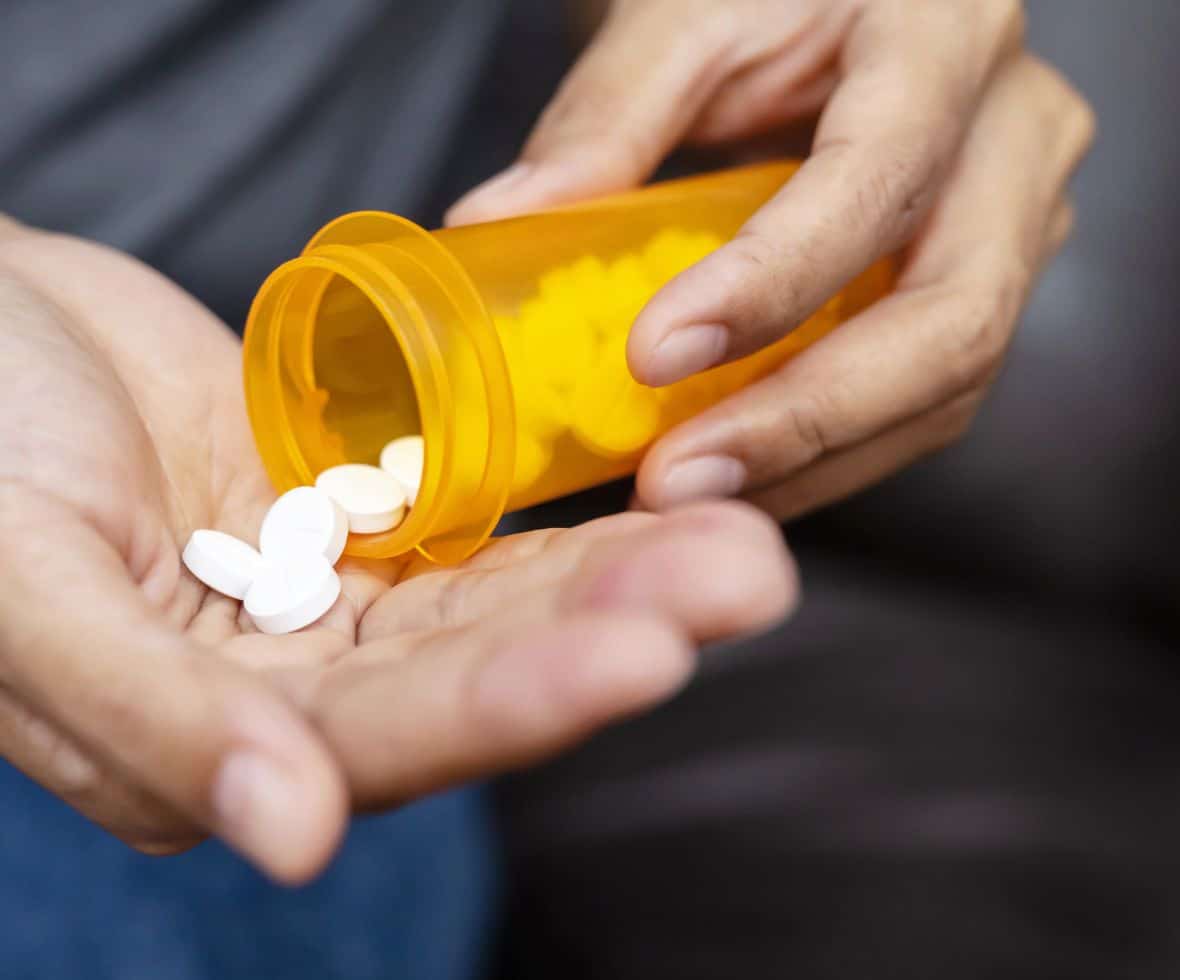
Prescription drug addiction is dependence on medications that were made to be used under a doctor’s direction, taken in ways or amounts they were not prescribed. It often begins with a legitimate prescription, for pain, anxiety, sleep, or attention, and develops over time as the body builds tolerance and physical dependence. People then need more to get the same effect, or keep using to avoid withdrawal.
The most commonly misused prescription drugs fall into three groups: opioid painkillers such as oxycodone and codeine, benzodiazepines such as Xanax and Klonopin, and stimulants such as Adderall. Each group affects the body differently and needs a different treatment approach, which is why an accurate assessment matters. Whatever the medication, professional treatment is the safest way to stop.
Talk to a consultant:
+1 (833) 781-8338
Who prescription drug treatment is for?
Prescription drug treatment is for adults whose use of a prescription medication has become hard to control, whether it began with a prescription or not. Many people first received the medication for a real medical reason and found that over time they needed more, ran out early, or could not stop. You do not have to have bought the drug illicitly to be dependent on it.
People who seek treatment include those taking more than prescribed, getting prescriptions from more than one doctor, using a medication for its effect rather than its purpose, or combining prescription drugs with alcohol or other substances. If stopping feels impossible or withdrawal keeps pulling you back, treatment can help you stop safely.
Talk to a consultant:
+1 (833) 781-8338


Signs and symptoms of prescription drug addiction
The signs of prescription drug addiction are physical, behavioral, and psychological. Recognizing them early matters, because dependence escalates and some prescription drugs carry serious withdrawal or overdose risks.
Common signs include needing higher doses to feel the same effect, strong cravings, and being unable to stop despite wanting to. Behavioral signs include running out of a prescription early, seeking prescriptions from more than one doctor, and using a medication in ways it was not prescribed. Withdrawal symptoms when a dose is missed, neglecting responsibilities at work or home, and continuing to use despite problems it causes are also warning signs.
Prescription drugs we treat
We treat addiction to the prescription medications most often misused, and the right approach depends on the drug. Each links to a dedicated page with detail on that specific medication.
Opioid painkillers, including oxycodone and OxyContin, codeine, morphine, and other opioids, are treated with medically supervised detox and medication-assisted treatment. Benzodiazepines, such as Xanax, Klonopin, Ativan, and Valium, are treated through a careful medical taper, because stopping them suddenly can be dangerous. Medications used in addiction treatment, including Suboxone and methadone, can themselves be misused, and we treat dependence on those as well. We also treat dependence on prescription stimulants such as Adderall through therapy-led care.
Prescription drug withdrawal and detox
Prescription drug withdrawal and detox depend heavily on the type of drug, which is why the first step is always a clinical assessment. There is no single prescription-drug detox, because an opioid, a benzodiazepine, and a stimulant each behave differently and carry different risks.
Opioid withdrawal is intensely uncomfortable but not usually directly life-threatening, with the greatest danger being relapse and overdose from lost tolerance. Benzodiazepine withdrawal is different and can be dangerous, including the risk of seizures, so benzodiazepines are never stopped abruptly and are tapered gradually under medical supervision. Stimulant withdrawal is mainly psychological, with low mood, fatigue, and strong cravings rather than medical danger. Our medical detox program matches the approach to the specific medication so the process is as safe and comfortable as possible.
Talk to a consultant:
+1 (833) 781-8338
Levels of care for prescription drug addiction
Prescription drug treatment works through levels of care that step down in intensity as you stabilize. Many people begin with detox and inpatient care, then move through structured outpatient care as recovery builds. The table below shows how the levels compare.
Prescription drug treatment levels of care
Level of care | Intensity | Living situation |
Medical detox | Highest, 24-hour medical care | Onsite |
Inpatient / residential | High, 24-hour structured care | Onsite |
Partial hospitalization (PHP) | Intensive daily treatment | Home at night |
Intensive outpatient (IOP) | Moderate, part-time | Home |
Outpatient | Ongoing maintenance | Home |
The right level is set by clinical assessment. Many people start with medical detox and inpatient care before stepping down through the levels.
Therapy for prescription drug addiction
Therapy is where the long-term work of recovery happens, and it is central for every prescription drug, especially stimulants, where it is the main treatment. After detox and stabilization, treatment focuses on the reasons use began, the triggers that sustain it, and the skills to stay off the medication. We use evidence-based approaches including cognitive behavioral therapy (CBT) and dialectical behavior therapy (DBT), in individual and group settings.
Many people who become dependent on prescription drugs are also managing the condition the medication was meant to treat, such as chronic pain, anxiety, or sleep problems, alongside depression or trauma. Treating those together is central to lasting recovery, and our team addresses co-occurring conditions as part of the plan.
Talk to a consultant:
+1 (833) 781-8338
Medication-assisted treatment
Medication-assisted treatment (MAT) is part of recovery for prescription opioid addiction. FDA-approved medications such as buprenorphine, methadone, and naltrexone reduce cravings and ease withdrawal, which makes early recovery more stable and lowers the risk of relapse and overdose. MAT applies to opioid dependence; benzodiazepine and stimulant addiction are treated through other approaches.
Whether MAT is appropriate, and which medication, is a clinical decision made with our medical team. Our medication-assisted treatment is integrated with counseling and therapy, not used on its own.
Insurance and cost
Most major insurance plans cover prescription drug addiction treatment, including detox, inpatient, and outpatient care. We work with carriers including Aetna, Blue Cross Blue Shield, Cigna, UnitedHealthcare, Optum, and Humana, among others, and our admissions team verifies exactly what your plan covers before you start.
What you pay out of pocket depends on your plan and the level of care you need. Verifying your benefits takes a few minutes and carries no obligation. Submit the insurance verification form or call +1 (833) 781-8338.
Talk to a consultant:
+1 (833) 781-8338
Medically reviewed by
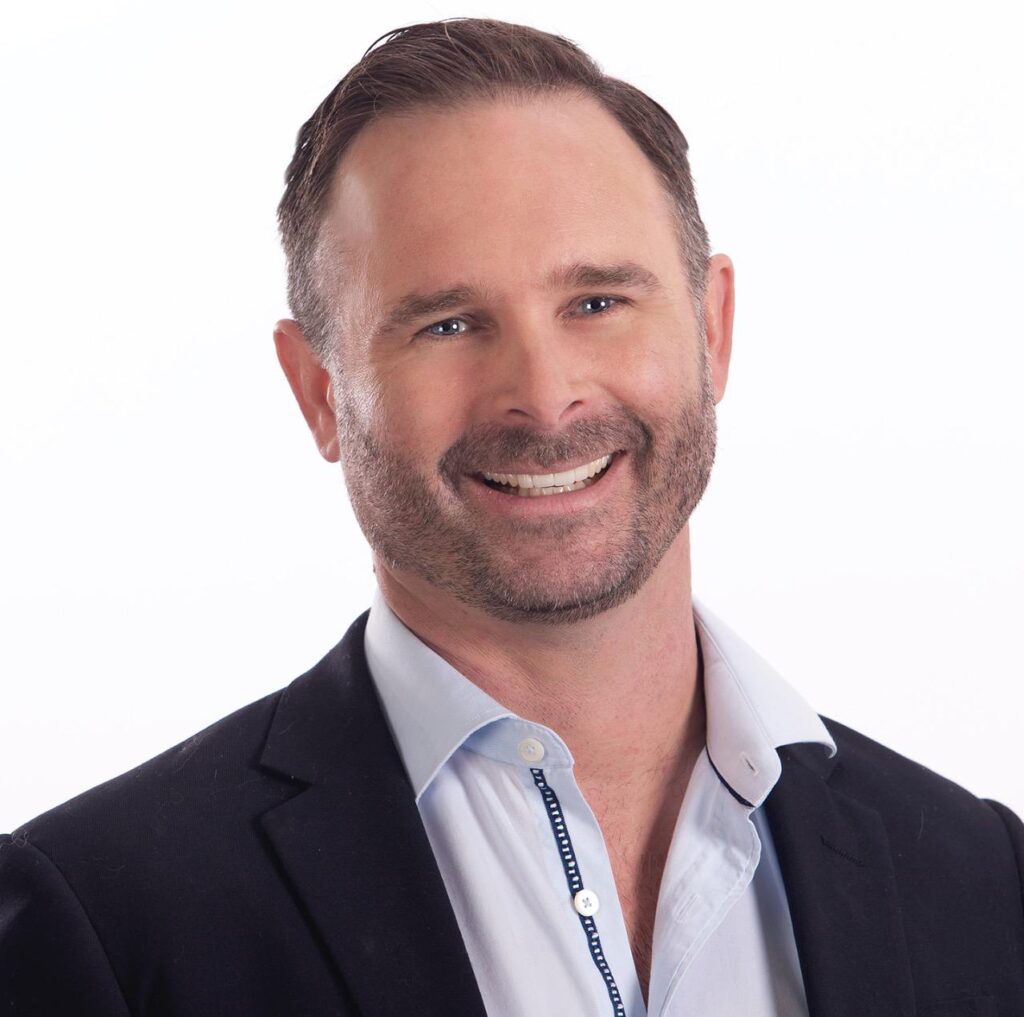
Chris Small, M.D. Addiction Psychiatrist. Dr. Small is board certified in Psychiatry, Addiction Medicine, and Family Medicine. He earned his medical degree at the University of Hawaii and completed his residency in Psychiatry and Family Medicine at UCSD.
Frequently Asked Questions
What is the best treatment for prescription drug addiction?
The most effective treatment starts with a clinical assessment, because the right approach depends on the drug. It generally combines medically supervised detox or taper, therapy, and, for opioids, medication-assisted treatment. Treating any underlying condition the medication was meant to address is part of the plan.
What are the most commonly misused prescription drugs?
The three groups most often misused are opioid painkillers such as oxycodone and codeine, benzodiazepines such as Xanax and Klonopin, and stimulants such as Adderall. Each affects the body differently and needs a different treatment approach. We treat all three, with a dedicated page for each specific medication.
What are the signs of prescription drug addiction?
Common signs include needing higher doses for the same effect, strong cravings, running out of a prescription early, and being unable to stop despite wanting to. Seeking prescriptions from more than one doctor, using a medication in ways it was not prescribed, and withdrawal symptoms when a dose is missed are also warning signs.
I started taking my medication for a real condition. Could I be addicted?
Possibly. Physical dependence can develop even when a medication is taken as prescribed, and needing it to avoid withdrawal does not by itself mean addiction. Addiction involves loss of control, cravings, and continued use despite harm. If you are worried, an assessment can help you understand where you are and what your options are.
Is prescription drug withdrawal dangerous?
It depends on the drug. Benzodiazepine withdrawal can be dangerous, including the risk of seizures, so it requires a gradual medical taper and should never be stopped abruptly. Opioid withdrawal is intensely uncomfortable but not usually directly life-threatening, with relapse and overdose being the main danger. A medically supervised detox keeps you safer whatever the medication.
Does insurance cover prescription drug rehab?
Most major insurance plans cover prescription drug addiction treatment, including detox and inpatient and outpatient care. We work with carriers including Aetna, Blue Cross Blue Shield, Cigna, UnitedHealthcare, Optum, and Humana. Our admissions team verifies your specific benefits with no obligation.
Where can I find prescription drug addiction treatment near me in Los Angeles?
Our prescription drug addiction treatment is at Simonds Recovery Centers in Granada Hills, in the San Fernando Valley area of Los Angeles, at 17810 Simonds St. The program serves adults across the greater Los Angeles area. Call +1 (833) 781-8338 or verify your insurance to get started.
Start prescription drug addiction treatment today
Talk to our admissions team about safe, medically supervised treatment for prescription drug addiction for you or your loved one. Call +1 (833) 781-8338 or verify your insurance now.
Talk to a consultant:
+1 (833) 781-8338