
Joint Commission Accredited · Licensed by California DHCS (#191267AP) · LegitScript Certified
Medical detox is the first and most medically critical stage of recovery, delivered at Simonds Recovery Centers as a 24/7 physician-supervised inpatient program in Los Angeles. Adults withdrawing from alcohol, opioids, or benzodiazepines are stabilized with FDA-approved medications over a stay that typically runs five to ten days depending on the substance.
Withdrawal is where recovery starts, and for some substances it is where going it alone is most dangerous. The sections below cover who this program is for, what to expect day to day, the substances we treat, how long withdrawal lasts, and how supervised care compares to quitting at home.
Who is medical detox for?
Detox is for anyone physically dependent on alcohol, opioids, or benzodiazepines who faces withdrawal symptoms that are unsafe or too severe to manage without clinical support. Physical dependence means the body has adapted to a substance and reacts when it stops, and for alcohol and benzodiazepines that reaction can include seizures, which is why supervised withdrawal is the medical standard rather than an optional upgrade.
You may need this level of care if you drink daily and feel shaky, anxious, or sick when you stop, if you use opioids and dread the withdrawal enough to keep using, or if you have tried to quit on your own before and relapsed during the worst of it. A clinical assessment at intake determines the right intensity of monitoring for your history, your health, and the substances involved.
What happens during medical detox?
Care begins with a clinical and medical assessment that maps your substance use history, physical health, and any co-occurring mental health conditions, and that assessment sets your individual plan. From there, the process moves through three broad phases: intake and stabilization, the acute withdrawal window, and transition planning.
During the acute phase, our nursing staff and physicians monitor your vital signs and withdrawal symptoms 24 hours a day and adjust medication as your symptoms rise and fall. Because care is inpatient, doctors and nurses are on-site at any hour rather than something you have to arrange for yourself in the middle of the night. Comfort matters here too: the goal is not just to keep you safe but to make withdrawal tolerable enough that you stay the course instead of leaving against advice.
A typical stay runs five to ten days, shorter for alcohol and longer for opioids like fentanyl and heroin, with the exact length depending on the substance, how long and how heavily it was used, and your overall health. As acute symptoms resolve, the clinical team plans your next step before discharge, whether that is residential treatment or an outpatient program, so there is no gap between stabilization and ongoing care.
What substances do we treat?
We provide supervised withdrawal for alcohol, opioids, benzodiazepines, and stimulants, with the protocol matched to each substance withdrawal profile. Withdrawal risk is not the same across substances, and the treatment reflects that.
- Alcohol, where withdrawal can be life-threatening and may include seizures or delirium tremens, so 24-hour medical monitoring is the standard of care.
- Opioids, including fentanyl, heroin, and prescription opioids such as oxycodone, managed with medication to ease severe cravings and physical symptoms.
- Benzodiazepines, including Xanax, Valium, Klonopin, and Ativan, managed with a gradual taper because stopping abruptly can cause seizures.
- Stimulants, including cocaine and methamphetamine, focused on medical monitoring and stabilization through the acute crash, heavy fatigue, and cravings.
If you are dependent on more than one substance, which is common, the assessment accounts for that and the plan is built around the combined withdrawal picture. Call (833) 781-8338 if you are unsure what applies to you.
How long does withdrawal last?
Withdrawal timelines vary by substance, but each follows a broadly predictable arc that shapes the length of your stay. Knowing what to expect is part of what makes supervised care easier to commit to.
Alcohol withdrawal usually begins 6 to 24 hours after the last drink, peaks around 24 to 72 hours, and eases over three to seven days, with the seizure and delirium risk concentrated in that first peak window. Opioid withdrawal typically starts 8 to 24 hours after the last use depending on the opioid, peaks within one to three days, and resolves over five to ten days, with fentanyl and short-acting opioids following a faster, sharper curve. Benzodiazepine withdrawal is the most variable and often the longest, beginning within one to four days and managed through a taper that can extend well beyond the acute phase. Stimulant withdrawal is primarily psychological, with the acute crash, depression, and cravings running roughly seven to ten days.
These are general ranges, not promises. Your own timeline depends on dosage, duration of use, and health history, which is exactly why withdrawal is monitored rather than predicted from a chart.
How does medical detox manage withdrawal?
Withdrawal is managed with FDA-approved medications selected for the specific substance, delivered under continuous clinical supervision. For opioid dependence, medication-assisted treatment with Suboxone, methadone, or naltrexone reduces cravings and eases symptoms, and can bridge directly into ongoing MAT after stabilization. For alcohol and benzodiazepine withdrawal, medications control symptoms and lower the risk of seizures during the most acute phase.
Detox delivers medical stability, not a cure on its own. Clearing a substance safely is the first step, and it works only when it leads directly into therapy and continued treatment rather than ending at discharge. That is why every plan here is built to hand off into the next level of care.
Medical detox vs quitting at home
Supervised withdrawal is the safe standard for alcohol, opioid, and benzodiazepine dependence, while quitting cold at home carries real danger for those substances and usually ends in relapse. The comparison below shows why the setting matters.
|
Dimension |
Medical detox |
Quitting at home |
|
Setting |
Inpatient, 24-hour clinical staff |
Home, no medical supervision |
|
Medications |
FDA-approved, physician-managed |
None or self-administered |
|
Alcohol / benzo withdrawal |
Standard of care, prevents seizures |
Can be life-threatening, not recommended |
|
Relapse risk during withdrawal |
Low, controlled environment |
High, cravings plus access |
|
Insurance |
Covered by most plans with authorization |
Not applicable |
For alcohol and benzodiazepines specifically, quitting at home is not recommended, because withdrawal from either can cause seizures, delirium, or death. Supervised care exists to make that first step survivable and to carry you into treatment instead of back into use.
Does insurance cover medical detox?
Detox is one of the most consistently covered levels of care, precisely because it is medically necessary. Most commercial plans pay for medically supervised withdrawal once it is authorized, and Simonds Recovery Centers works with most major carriers, with in-network coverage through TriWest. Because detox is time-sensitive, an admissions specialist can verify your benefits the same day you call and tell you what your plan covers before you are admitted.
Submit the insurance verification form or call (833) 781-8338 to confirm your coverage before you arrive.
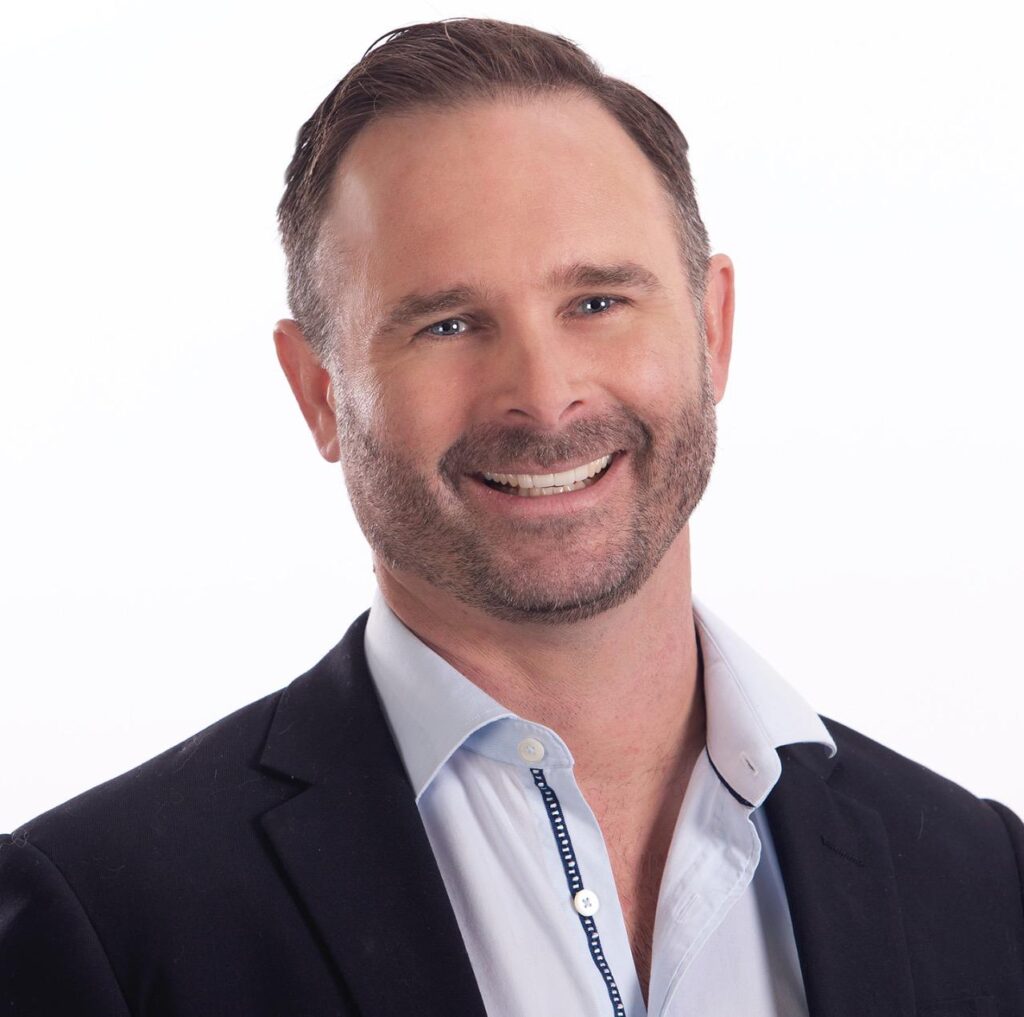
Medically reviewed by
Chris Small, M.D. Addiction Psychiatrist. Dr. Small is board certified in Psychiatry, Addiction Medicine, and Family Medicine. He earned his medical degree at the University of Hawaii and completed his residency in Psychiatry and Family Medicine at UCSD. Rogerian therapy principles for practitioners can greatly enhance the effectiveness of treatment plans. By fostering a collaborative environment, therapists can build a stronger therapeutic alliance with their clients. This approach not only respects the client’s perspective but also encourages open dialogue and mutual understanding.
Start detox today
Talk to our admissions team about starting detox. Call +1 (833) 781-8338 or verify your insurance now.
Frequently Asked Questions
How long does medical detox take?
Most detox stays last five to ten days. Alcohol detox often completes in three to seven days, while opioid detox from fentanyl or heroin can run five to ten. The exact length depends on the substance, how long and how heavily it was used, and your overall health.
Is medical detox safe?
Yes. Supervised withdrawal is the safest way to come off alcohol, opioids, and benzodiazepines, because our nursing staff and physicians monitor you around the clock and use medications to manage symptoms and prevent complications such as seizures.
Can I detox from alcohol at home?
Quitting alcohol at home is not recommended. Alcohol withdrawal can cause seizures and delirium tremens, which can be fatal, so medical supervision is the standard of care for anyone physically dependent on alcohol.
What medications are used?
For opioid withdrawal, we use medication-assisted treatment with Suboxone, methadone, or naltrexone. For alcohol and benzodiazepine withdrawal, medications control symptoms and reduce seizure risk. All are FDA-approved and physician-managed.
What happens after detox?
Most people continue into residential or outpatient treatment, because stabilizing the body does not by itself address the causes of addiction. The clinical team plans your next step before discharge so there is no gap in care.
Can I start today?
Often, yes. Simonds Recovery Centers offers same-day placement when space allows and admits people from across the country. Call (833) 781-8338 to check availability and begin intake.