
Joint Commission Accredited · Licensed by California DHCS (#191267AP) · LegitScript Certified
A partial hospitalization program at Simonds Recovery Centers is the most structured level of daytime addiction treatment we offer in Los Angeles, giving adults intensive clinical care during the day while they return home or to sober living each evening. PHP rehab sits between residential treatment and intensive outpatient care, running six hours a day, Monday through Friday. Most major insurance is accepted, and many people step into PHP straight from detox or residential.
PHP is the level of care for people who need serious daily structure but no longer need to be monitored overnight. The sections below cover who it fits, what a day looks like, how PHP compares to IOP, where it sits in the recovery continuum, and how to verify your coverage.
Who is PHP for?
PHP is the right level of care for people who need daily clinical support but have a stable, safe place to spend their evenings. It fits two groups in particular: those stepping down from detox or residential treatment who are not ready for the lighter structure of outpatient care, and those entering treatment for the first time whose situation calls for intensive support without an overnight stay.
The common thread is stability at home. PHP works when your living environment supports recovery, when you can reliably get to daily sessions, and when your clinical needs are serious enough that a few outpatient hours a week would not be enough. If home is not a safe or sober place, sober living paired with PHP often solves that, giving you a substance-free residence in the evenings while you attend programming by day. A clinical assessment confirms whether PHP is the right starting point or whether detox or residential should come first.
PHP rehab in Los Angeles works best when getting to daily sessions is realistic, so location matters. Our facility serves Los Angeles and the surrounding San Fernando Valley, and because you return home or to sober living each evening rather than staying overnight, a manageable daily commute is part of what makes the program work. For people coming from farther away, pairing PHP with local sober living removes the commute entirely and gives recovery a stable base.
What does a day in PHP look like?
A day in PHP runs six hours of structured clinical programming, Monday through Friday, combining individual therapy, group sessions, and skill-building, with evenings spent at home or in sober living. It is the most intensive outpatient level of care, which means the daytime commitment is substantial even though you are not admitted overnight.
Programming blends individual counseling with your therapist, group therapy where recovery skills are practiced with peers, and psychoeducation that teaches how addiction and relapse work. For people with co-occurring conditions, treatment for anxiety, depression, and trauma is woven into the same schedule rather than handled separately. Medication management is available when it is part of your plan, and the clinical team tracks your progress and adjusts the plan as you stabilize.
The therapies themselves are evidence-based. Cognitive behavioral therapy helps you recognize and change the thought patterns that lead to use, dialectical behavior therapy builds skills for managing intense emotions without turning to substances, and group work provides accountability and the recognition that recovery is not something you do alone. Relapse-prevention planning runs throughout, so you leave with concrete strategies rather than good intentions.
Because the program runs during the day and releases you to your own environment each evening, it rebuilds the routine of normal life while the clinical support is still intensive. That combination, structure by day and real-world practice by night, is what makes PHP effective as a bridge back to independence.
PHP vs IOP: which level is right?
PHP and IOP are both outpatient, but the former is significantly more intensive, and the right choice depends on how much daily structure your recovery needs. The comparison below shows the difference.
|
|
PHP |
IOP |
|
Intensity |
Most intensive outpatient level |
Step down from PHP |
|
Hours |
Six hours a day, five days a week (about 30 hours) |
Around nine to twelve hours a week |
|
Schedule |
Daytime, Monday through Friday |
A few sessions a week, often with evening options |
|
Best for |
Step-down from residential, or serious needs without overnight care |
Work or family commitments, step-down from PHP |
|
Overnight stay |
No, home or sober living each evening |
No |
It is the right level when you need daily structure to stay stable but not around-the-clock supervision. IOP is the right level when you can hold recovery with fewer weekly hours and need to work or care for family around treatment. Many people move from PHP to IOP as they gain stability, stepping down through the continuum rather than stopping treatment all at once.
Where PHP fits in the recovery continuum
PHP is a step in a continuum, not a standalone fix, and its value comes from what happens before and after it. Most people arrive from detox or residential treatment, using this level of care to hold and deepen the stability they gained before easing into lighter support.
From PHP, the typical next step is intensive outpatient treatment, then standard outpatient care, then alumni support, with each step loosening structure as recovery strengthens. If your needs turn out to be greater than this level can meet, the clinical team can step you up to residential care instead. This flexibility, moving up or down as your recovery requires, is the point of treating addiction as a continuum rather than a single program. It also means you are never discharged into a vacuum: each level hands off to the next, so the structure fades gradually instead of disappearing the day you finish.
Does insurance cover PHP?
Insurance coverage for PHP works a little differently from a one-time service: plans authorize it in blocks of days and review your progress as you go, which is normal for this level of care. Simonds Recovery Centers works with most major carriers and is in-network with TriWest, and we handle those authorizations and continued-stay reviews with your insurer so you can focus on treatment rather than paperwork. An admissions specialist can confirm how many days your plan covers and what your out-of-pocket cost will be.
Submit the insurance verification form or call (833) 781-8338 to find out what your plan covers for PHP.
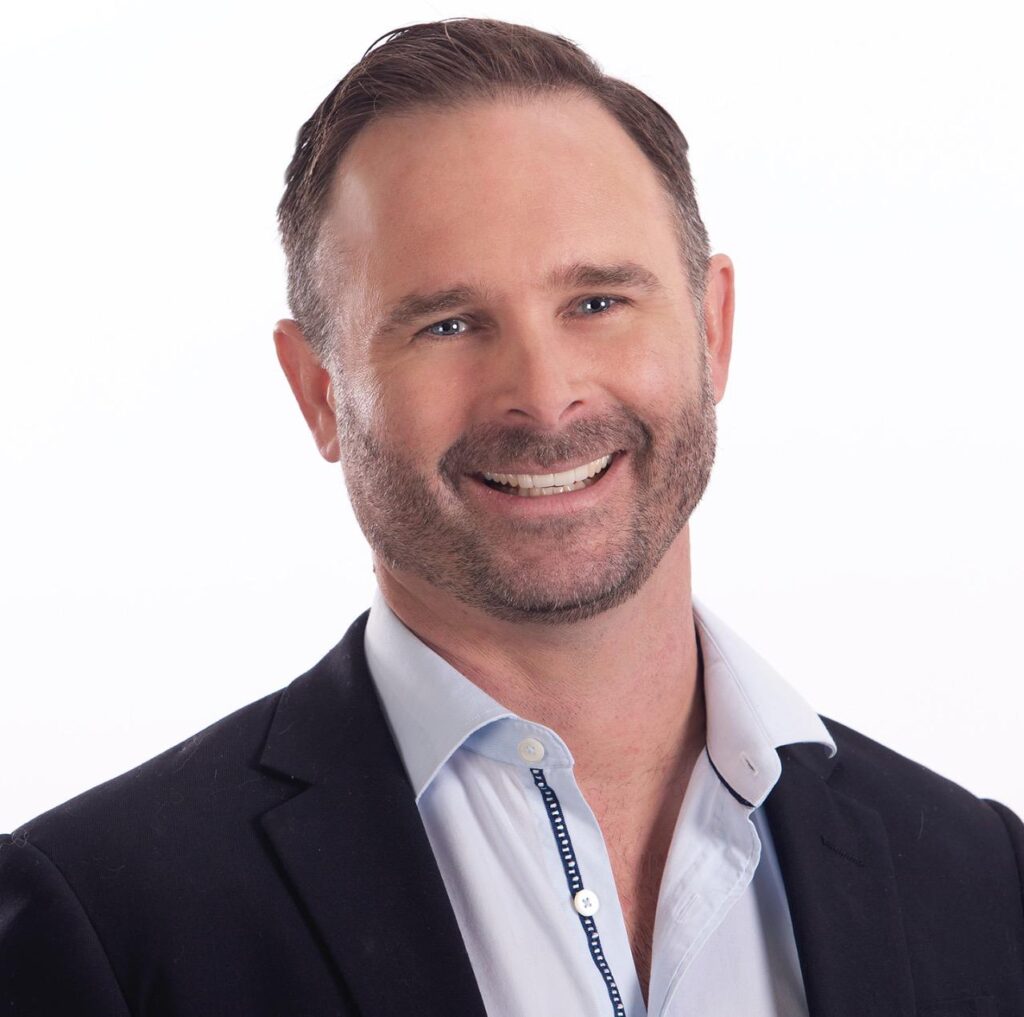
Medically reviewed by
Chris Small, M.D. Addiction Psychiatrist. Dr. Small is board certified in Psychiatry, Addiction Medicine, and Family Medicine. He earned his medical degree at the University of Hawaii and completed his residency in Psychiatry and Family Medicine at UCSD. Rogerian therapy principles for practitioners can greatly enhance the effectiveness of treatment plans. By fostering a collaborative environment, therapists can build a stronger therapeutic alliance with their clients. This approach not only respects the client’s perspective but also encourages open dialogue and mutual understanding.
Start treatment with the structure recovery needs
Talk to our admissions team about whether PHP is the right level of care for you. Call +1 (833) 781-8338 or verify your insurance now.
Frequently Asked Questions
What is a partial hospitalization program?
A partial hospitalization program is the most intensive form of outpatient addiction treatment, with several hours of structured clinical care during the day and evenings spent at home or in sober living. It offers close to the intensity of residential care without the overnight stay.
What is the difference between PHP and IOP?
PHP is more intensive than IOP. PHP runs several hours a day most days of the week, while IOP typically runs around nine to twelve hours a week across a few sessions. Many people step down from PHP to IOP as they stabilize.
How long does PHP last?
The length of PHP depends on your progress and clinical needs, and most people attend for a few weeks before stepping down to IOP. Your care team sets the timeline based on how you respond, not a fixed calendar.
Do I live at the facility during PHP?
No. PHP is a daytime program, so you attend structured treatment during the day and return home or to sober living each evening. If you need overnight supervision, residential treatment is the more appropriate level of care.
Do I need detox before PHP?
It depends on your situation. If you are still physically dependent and facing withdrawal, medical detox usually comes first, and many people enter PHP directly after completing detox or residential treatment. A clinical assessment determines the right starting point.
Does PHP treat mental health conditions too?
Yes. PHP treats co-occurring conditions such as anxiety, depression, and trauma alongside addiction, because treating them together is more effective than treating either alone.
Can I work while in PHP?
PHP is a full daytime commitment most days of the week, so it is difficult to combine with a full-time job. People who need to keep working often step down to intensive outpatient care, which offers evening sessions built around work and family schedules.
Where is your PHP rehab located in Los Angeles?
Our partial hospitalization program is based in Los Angeles and serves the surrounding San Fernando Valley. Because treatment runs during the day and you head home each evening, most people attend from within a reasonable daily drive, and those coming from farther away often pair the program with local sober living.
How much does PHP cost?
Cost depends on your insurance plan, since most of the expense is typically covered when treatment is authorized. What you pay out of pocket comes down to your deductible and coinsurance, which an admissions specialist can confirm before you start so there are no surprises.