
Joint Commission Accredited · Licensed by California DHCS (#191267AP) · LegitScript Certified
Medication-assisted treatment at Simonds Recovery Centers pairs FDA-approved medication with counseling to treat opioid and alcohol addiction at our Los Angeles facility. Suboxone, Vivitrol, and naltrexone reduce cravings and blunt withdrawal so the clinical work of recovery can actually take hold. MAT is delivered under medical supervision, integrated with therapy, and covered by most major insurance.
Medication is not a shortcut around recovery, it is what makes recovery possible for many people with opioid and alcohol dependence. The sections below explain how MAT works, the medications we prescribe and how they differ, who it is right for, and how to start.
How does MAT work?
MAT works by using medication to quiet the cravings and withdrawal that drive relapse, which frees you to engage in the therapy that addresses the causes of addiction. Opioid and alcohol dependence physically rewire the brain reward system, and willpower alone rarely overcomes that rewiring in early recovery. The medication stabilizes brain chemistry so counseling, not craving, sets the pace.
Medication at Simonds Recovery Centers is always paired with individual and group therapy rather than prescribed on its own. A clinician evaluates your substance history, health, and recovery goals, then matches you to the medication that fits, and adjusts it as you stabilize. This combined approach, medication plus counseling, is what the evidence supports and what defines MAT as a treatment rather than a prescription.
Once you start, MAT is actively managed, not set and forgotten. Your clinician monitors how you respond, checks for side effects, and adjusts the dose as cravings ease and your stability grows. Regular check-ins pair the medication with counseling that builds the coping skills, routines, and support that hold recovery together after the medication has done its part.
Which medications are used in MAT?
We prescribe three FDA-approved medications for opioid and alcohol use disorder: Suboxone, Vivitrol, and naltrexone, each chosen to match the substance and the person. They work in different ways, and the right one depends on where you are in recovery and what you are treating.
Suboxone, which combines buprenorphine and naloxone, is a partial opioid agonist that reduces cravings and withdrawal without producing the high of a full opioid, and it is the most widely prescribed option for opioid use disorder. Vivitrol is an extended-release injection of naltrexone given once a month that blocks the effects of opioids and alcohol, and it suits people who have already completed withdrawal and prefer not to take a daily medication. Oral naltrexone works the same way as Vivitrol in daily pill form, and fits people with strong routines who want a non-injectable option.
Suboxone vs Vivitrol vs naltrexone
The three MAT medications differ in how they work, how often you take them, and who they suit best. The comparison below lays out the differences so the choice, made with your clinician, is an informed one.
|
|
Suboxone |
Vivitrol |
Oral naltrexone |
|
How it works |
Partial opioid agonist, reduces cravings and withdrawal |
Opioid and alcohol antagonist, blocks the effects |
Antagonist, blocks effects and reduces cravings |
|
Form |
Daily film or tablet |
Monthly injection |
Daily tablet |
|
Best for |
Most people in early to mid recovery, high adherence |
People past withdrawal who prefer monthly dosing |
People with strong routines who want a daily oral option |
|
Treats |
Opioid use disorder |
Opioid and alcohol use disorder |
Opioid and alcohol use disorder |
|
Requires prior detox |
No, started during withdrawal |
Yes, opioid-free 7 to 14 days first |
Yes, opioid-free first |
All three are FDA-approved and effective. Suboxone works for the broadest range of people and can be started during withdrawal, while Vivitrol and naltrexone require you to be past the acute phase first. The choice is made jointly by you and the clinical team based on your history, your health, and your preferences.
Who is MAT for?
MAT is for adults with opioid or alcohol use disorder, and it is especially valuable for people who have relapsed after abstinence-only attempts or who face cravings strong enough to derail recovery. If detox alone has not held before, that is not a personal failure, it is often a sign that the underlying dependence needs medication support to stay in recovery.
MAT is also for people leaving detox who want to protect the stability they just gained, and for those managing opioid dependence who need to function at work or at home while they recover. A clinical assessment determines whether MAT fits your situation and which medication makes sense.
On the opioid side, MAT is used for dependence on fentanyl, heroin, and prescription opioids such as oxycodone. On the alcohol side, Vivitrol and naltrexone reduce cravings and the reinforcing pull of drinking. In both cases the medication is one part of a plan that includes therapy, and often follows medical detox as the step that protects early recovery.
What to expect when you start MAT
Starting MAT moves through a few clear stages, and knowing them ahead of time takes the uncertainty out of the first weeks. It begins with a medical evaluation, moves into finding the right dose, and settles into a steady maintenance phase paired with ongoing counseling.
The first stage is assessment, where a clinician reviews your substance use, health history, and recovery goals to decide which medication fits and when it is safe to begin. For Suboxone, that start can happen during withdrawal once early symptoms appear. For Vivitrol or naltrexone, it comes after you have been opioid-free for seven to fourteen days, so the assessment also maps out how you get to that point safely.
Next is induction and stabilization, the stretch where your clinician finds the dose that controls cravings without side effects. This can take a few days to a few weeks, with closer monitoring early on and adjustments as your body settles. Once the dose holds steady, you move into maintenance: regular check-ins, continued counseling, and a medication routine that fades into the background of daily life rather than dominating it. How long maintenance lasts is decided with your care team, based on your stability rather than a fixed clock.
Is MAT just replacing one drug with another?
No. MAT does not produce a high or intoxication when taken as prescribed, which is the difference between dependence and addiction. Addiction is compulsive use despite harm, while MAT medication is a controlled, clinically monitored dose that stabilizes brain chemistry and restores normal function.
Decades of research show that MAT reduces overdose deaths, keeps people in treatment longer, and improves recovery outcomes compared with abstinence-only approaches for opioid use disorder. The goal is a full life in recovery, and for many people medication is what makes that life reachable.
Does insurance cover MAT?
Because MAT often continues for months, coverage matters more here than it does for a one-time service. Simonds Recovery Centers works with most major carriers and is in-network with TriWest, and most commercial plans cover both the medication and the counseling that comes with it. An admissions specialist can confirm the specifics of your plan before you start.
Submit the insurance verification form or call (833) 781-8338 to check your MAT coverage.
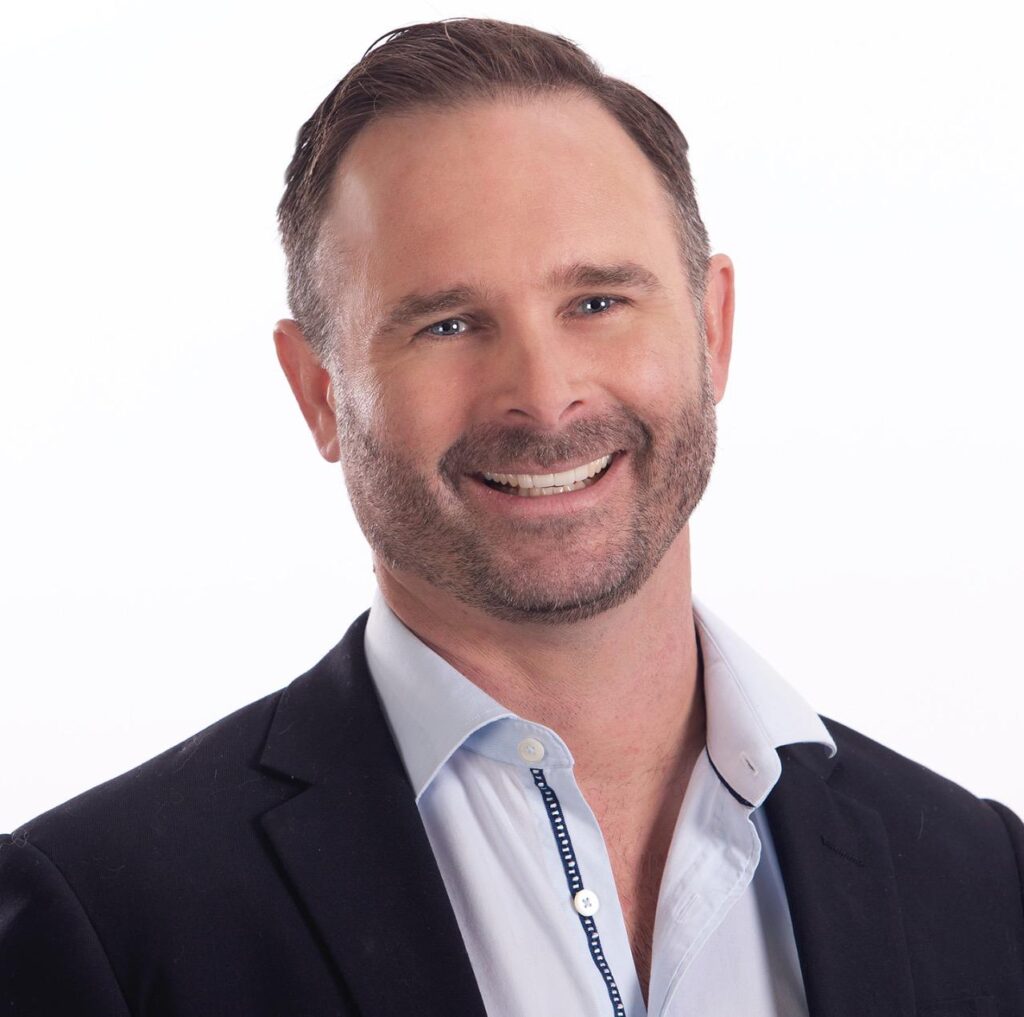
Medically reviewed by
Chris Small, M.D. Addiction Psychiatrist. Dr. Small is board certified in Psychiatry, Addiction Medicine, and Family Medicine. He earned his medical degree at the University of Hawaii and completed his residency in Psychiatry and Family Medicine at UCSD. Rogerian therapy principles for practitioners can greatly enhance the effectiveness of treatment plans. By fostering a collaborative environment, therapists can build a stronger therapeutic alliance with their clients. This approach not only respects the client’s perspective but also encourages open dialogue and mutual understanding.
Start treatment that supports a safer recovery
Talk to our admissions team about whether MAT is right for you. Call +1 (833) 781-8338 or verify your insurance now.
Frequently Asked Questions
How does medication-assisted treatment work?
MAT uses FDA-approved medication to reduce cravings and withdrawal, paired with counseling that addresses the causes of addiction. The medication stabilizes brain chemistry so you can engage in therapy, and a clinician adjusts it as you progress.
What medications do you use for MAT?
We prescribe Suboxone, Vivitrol, and naltrexone for opioid and alcohol use disorder. Your clinician recommends one based on the substance, your recovery stage, and whether you prefer a daily or monthly medication.
Do you offer methadone?
Methadone for opioid use disorder is dispensed only through federally certified opioid treatment programs, which operate as daily outpatient clinics. Our MAT program uses Suboxone, Vivitrol, and naltrexone, which we prescribe and monitor as part of your treatment. If methadone is the right fit for your situation, we can help you understand your options.
Is MAT just trading one addiction for another?
No. Taken as prescribed, MAT medication does not cause a high, and it restores normal function rather than producing intoxication. Research shows MAT lowers overdose risk and keeps people in recovery longer than abstinence-only approaches.
How long does MAT last?
There is no fixed timeline. Some people use MAT for months, others for years, and the right duration is a clinical decision made with your care team based on your stability and goals, not a set calendar.
Do I need to detox before starting MAT?
It depends on the medication. Suboxone can be started during withdrawal, while Vivitrol and naltrexone require you to be opioid-free for about seven to fourteen days first. Your clinician determines the safe starting point.
Can MAT treat alcohol addiction too?
Yes. Vivitrol and naltrexone are both used for alcohol use disorder, reducing cravings and blocking the reinforcing effects of alcohol, alongside counseling.