
Joint Commission Accredited · Licensed by California DHCS (#191267AP) · LegitScript Certified
Cognitive behavioral therapy (CBT) at Simonds Recovery Centers is a structured, evidence-based talk therapy that treats drug and alcohol addiction by changing the thoughts and behaviors behind it. Delivered by licensed clinicians at our facility, CBT for substance use gives you practical tools to manage triggers, reduce cravings, and lower the risk of relapse.
What cognitive behavioral therapy is
Cognitive behavioral therapy is a structured, goal-oriented talk therapy built on a simple idea: your thoughts shape your feelings, and your feelings drive your behavior. In addiction, distorted thoughts feed the cycle of substance use, and CBT works by identifying those thoughts and changing the patterns that keep use going. It is one of the most established, evidence-based approaches in addiction treatment and is supported by research from the National Institute on Drug Abuse.
CBT is practical and present-focused. Rather than dwelling on the past, it concentrates on the thoughts and situations driving use now, and the concrete skills that change them.
How CBT treats addiction: thoughts, feelings, and behaviors
CBT treats addiction by working on the link between thoughts, feelings, and behaviors. You learn to recognize the automatic thoughts that lead to cravings, see how they drive substance use, and replace them with healthier responses.
The work is skills-based and active. A therapist helps you map the situations that trigger use, challenge the thinking attached to them, and rehearse coping strategies you can apply in real life. Over time these skills replace the automatic patterns that maintained the addiction, which is what makes the change durable.
CBT techniques we use
CBT relies on specific, named techniques rather than open-ended conversation. Each of these CBT techniques for substance abuse targets a different part of the addiction cycle.
Cognitive restructuring helps you identify distorted thoughts and replace them with realistic ones. Trigger identification maps the people, places, and feelings that set off cravings, so you can plan for them. Relapse prevention builds a concrete plan for high-risk moments. Coping-skills training gives you practical tools for stress, urges, and difficult emotions without substances. Together these techniques turn insight into action.
What to expect from a CBT session
A CBT session is collaborative and action-oriented. You work with a therapist to identify negative thought patterns, then build and practice specific strategies to change them, often with skills to apply between sessions.
Sessions are structured around goals you set together, such as managing a specific trigger or reducing cravings. CBT is delivered in both individual and group settings as part of your overall treatment plan.
CBT vs. DBT and REBT
CBT, DBT, and REBT are related cognitive-behavioral approaches, but each emphasizes something different. CBT is the broad, foundational method focused on changing distorted thoughts and behaviors. DBT adds a focus on managing intense emotions and distress tolerance. REBT targets the core irrational beliefs underneath self-defeating patterns. Most treatment plans combine more than one; the table below shows how they compare.
CBT vs. DBT vs. REBT
| Dimension | CBT | DBT | REBT |
| Main focus | Distorted thoughts and behaviors | Managing intense emotions | Core irrational beliefs |
| Best known for | Cognitive restructuring, relapse prevention | Distress tolerance, emotion regulation | Disputing irrational beliefs (ABC model) |
| Style | Structured, skills-based | Skills-based, emotional focus | Direct, philosophy-focused |
| Often suits | Most people in addiction treatment | Strong emotions, unstable relationships | Rigid self-defeating beliefs |
All three are directive, evidence-based therapies, and at Simonds they are used together as needed. CBT is usually the foundation, with DBT or REBT added when a person’s needs call for them.
What CBT helps with
CBT treats drug and alcohol addiction and is highly effective for co-occurring mental health conditions, including anxiety, depression, and trauma or PTSD. Because addiction and these conditions often reinforce each other, addressing them together is part of how CBT supports stable recovery.
CBT is used across substance types and whether addiction appears on its own or alongside a mental health condition, which is why it is a core part of treatment for most people at Simonds.
Insurance and getting started
CBT is part of the treatment programs we provide, and most major insurance plans cover addiction treatment that includes it. We work with carriers including Aetna, Blue Cross Blue Shield, Cigna, UnitedHealthcare, Optum, and Humana, among others, and our admissions team confirms your specific benefits before you start.
Verifying benefits takes a few minutes and carries no obligation. Submit the insurance verification form or call +1 (833) 781-8338.
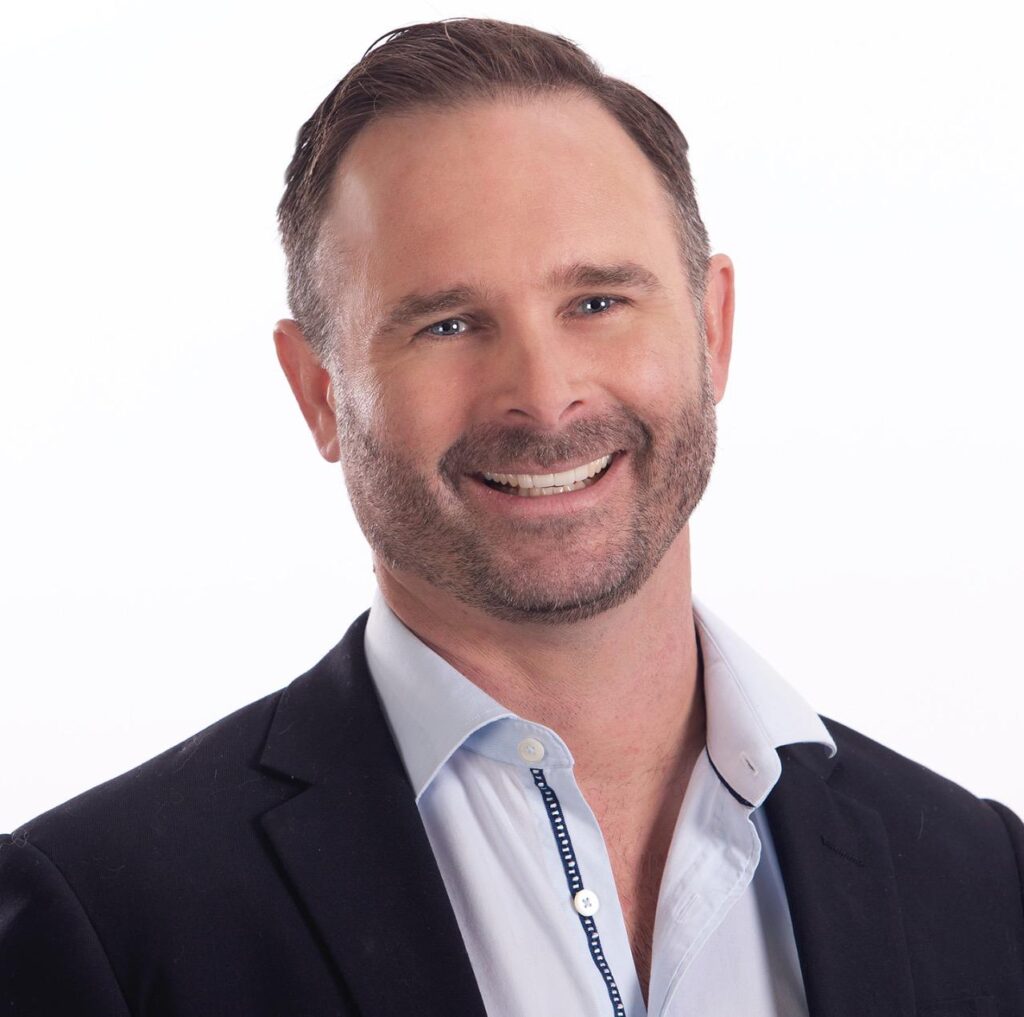
Medically reviewed by
Chris Small, M.D. Addiction Psychiatrist. Dr. Small is board certified in Psychiatry, Addiction Medicine, and Family Medicine. He earned his medical degree at the University of Hawaii and completed his residency in Psychiatry and Family Medicine at UCSD.
Start treatment built on practical change
Talk to our admissions team about CBT as part of your treatment. Call +1 (833) 781-8338 or verify your insurance now.