
Simonds Recovery Centers
Alcohol Rehab and Addiction Treatment
Joint Commission Accredited · Licensed by California DHCS (#191267AP) · LegitScript Certified
Alcohol addiction treatment at Simonds Recovery Centers is a full continuum of care for adults with alcohol use disorder. Our alcohol rehab combines medically supervised detox, evidence-based therapy, and outpatient programs, treating both the physical dependence and the patterns behind it. We work with most major insurance and verify your benefits before you start.
Talk to a consultant:
+1 (833) 781-8338


What is Alcohol Addiction?
Alcohol addiction, also called alcohol use disorder (AUD), is a chronic medical condition marked by an inability to control drinking despite harm to health, work, or relationships. It is a medical condition, not a lack of willpower, which is why effective treatment is clinical rather than a matter of self-control alone. AUD ranges from mild to severe, and treatment is matched to that severity.
Common signs include craving alcohol, needing more to feel the same effect, being unable to cut down, and experiencing withdrawal symptoms like anxiety, nausea, or tremors when not drinking. When drinking continues despite clear consequences, professional treatment is the reliable path forward.
Talk to a consultant:
+1 (833) 781-8338
What alcohol addiction treatment involves?
Alcohol addiction treatment is a structured process that moves from stabilizing the body to addressing the causes of drinking. It begins with detox to manage withdrawal safely, then continues through therapy and outpatient care that build the skills to stay sober. Most people do best with a continuum of care rather than a single step.
The right starting point depends on how severe the addiction is, whether withdrawal is likely to be dangerous, and what support exists at home. A clinical assessment sets the plan, and the level of care steps down as you stabilize.
Talk to a consultant:
+1 (833) 781-8338



Alcohol withdrawal and why detox comes first
Alcohol withdrawal can be dangerous, and in some cases life-threatening, which is why medically supervised detox is the safe first step. Stopping heavy drinking suddenly can trigger symptoms ranging from tremors, sweating, and anxiety to seizures and delirium tremens (DTs), a medical emergency. Detoxing under medical supervision means those risks are monitored and managed.
Medical detox keeps you safe and as comfortable as possible while alcohol leaves your body, typically over several days. It is the foundation the rest of treatment builds on, not the whole of recovery. Our medical detox program handles this stage before you move into therapy and ongoing care.
Talk to a consultant:
+1 (833) 781-8338
Levels of care for alcohol addiction
Alcohol rehab works through levels of care that step down in intensity as you stabilize. Some people begin with detox and inpatient support, then move through partial hospitalization and intensive outpatient care; others start at an outpatient level. The table below shows how the levels compare.
Alcohol treatment levels of care
Level of care | Intensity | Living situation |
Medical detox | Highest, 24-hour medical care | Onsite |
Inpatient / residential | High, 24-hour structured care | Onsite |
Partial hospitalization (PHP) | Intensive daily treatment | Home at night |
Intensive outpatient (IOP) | Moderate, part-time | Home |
Outpatient | Ongoing maintenance | Home |
The right level is set by clinical assessment. Many people step down through more than one level as they progress. Outpatient alcohol treatment suits people with a stable home and milder dependence, while detox and inpatient care fit more severe cases or dangerous withdrawal.
Therapy for alcohol addiction
Therapy is where the long-term work of alcohol recovery happens. After detox, treatment focuses on understanding what drives the drinking and building practical tools to stay sober. We use evidence-based approaches including cognitive behavioral therapy (CBT) and dialectical behavior therapy (DBT), delivered in individual and group settings.
Many people with alcohol addiction are also managing a mental health condition such as depression, anxiety, or trauma. Treating both together, rather than separately, is central to lasting recovery, and our team addresses co-occurring conditions alongside the addiction.
Talk to a consultant:
+1 (833) 781-8338
Medication for alcohol use disorder
Medication can support alcohol recovery alongside therapy. The FDA has approved several medications for alcohol use disorder, including naltrexone, acamprosate, and disulfiram, which can reduce cravings or support abstinence. Whether medication is appropriate is a clinical decision made with our medical team as part of a complete plan.
Medication works best combined with therapy and support, not on its own. Our medication-assisted treatment is integrated with the rest of care.
Insurance and cost
Most major insurance plans cover alcohol addiction treatment, including detox and outpatient care. We work with carriers including Aetna, Blue Cross Blue Shield, Cigna, UnitedHealthcare, Optum, and Humana, among others, and our admissions team verifies exactly what your plan covers before you start.
What you pay out of pocket depends on your plan and the level of care you need. Verifying your benefits takes a few minutes and carries no obligation. Submit the insurance verification form or call +1 (833) 781-8338.
Talk to a consultant:
+1 (833) 781-8338
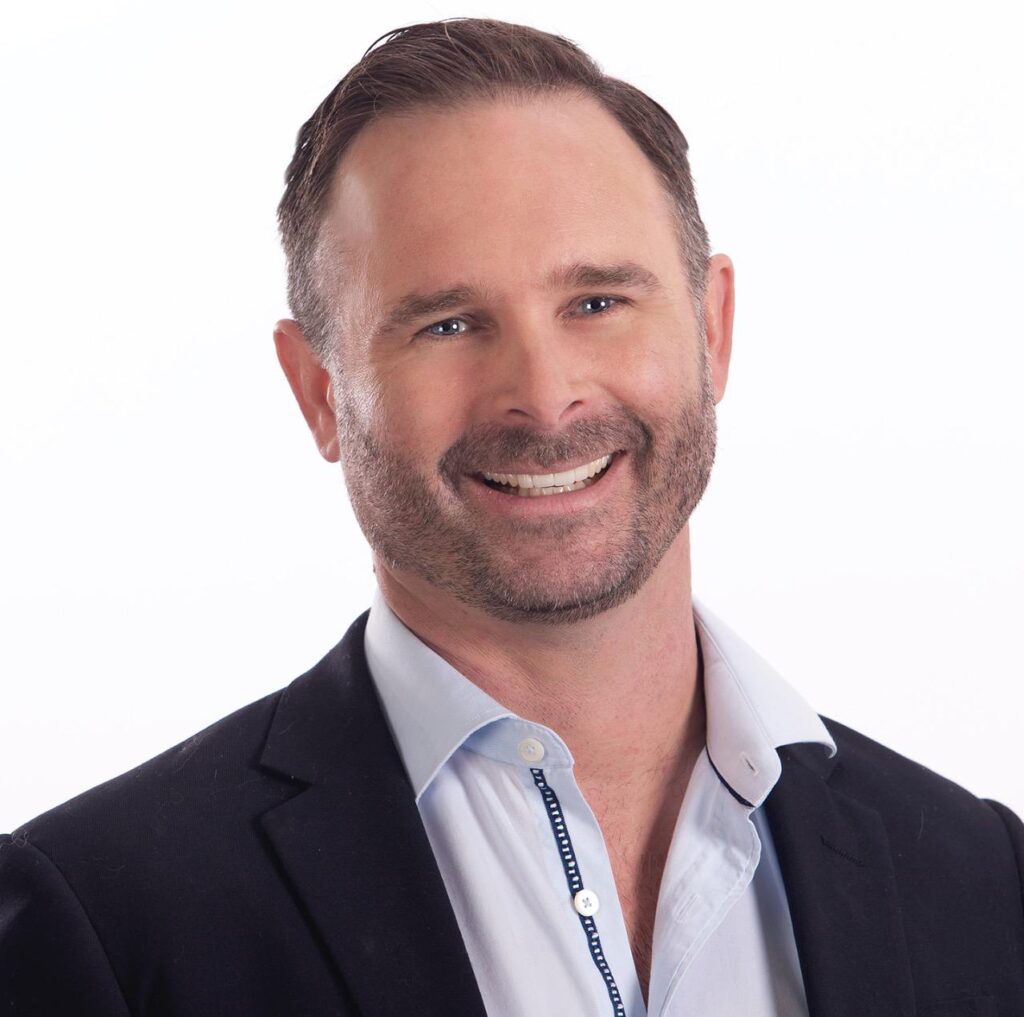
Medically reviewed by
Chris Small, M.D. Addiction Psychiatrist. Dr. Small is board certified in Psychiatry, Addiction Medicine, and Family Medicine. He earned his medical degree at the University of Hawaii and completed his residency in Psychiatry and Family Medicine at UCSD.
Frequently Asked Questions
What is the best treatment for alcohol addiction?
The most effective treatment combines medical detox, therapy, and ongoing support, matched to the severity of the addiction. For alcohol, detox is usually the safe first step because withdrawal can be dangerous. From there, therapy and outpatient care address the causes of drinking and build the skills to stay sober.
How long is alcohol rehab?
The length of alcohol rehab depends on the level of care and individual progress rather than a fixed schedule. Detox typically takes several days, while therapy and outpatient care continue for weeks to months. The clinical team sets and adjusts the plan as you move through the levels of care.
Is alcohol withdrawal dangerous?
Alcohol withdrawal can be dangerous and, in severe cases, life-threatening, which is why medically supervised detox is recommended. Symptoms can include seizures and delirium tremens (DTs), a medical emergency. Detoxing under medical care means these risks are monitored and managed safely.
How much does alcohol rehab cost?
The cost of alcohol rehab depends on the level of care and your insurance coverage. Most major plans cover alcohol addiction treatment, and we verify your specific benefits before you start so you know what to expect. Call us or submit the verification form to confirm coverage.
Can you treat alcohol and drug addiction together?
Yes. Many people are dependent on alcohol alongside another substance, and our drug and alcohol treatment addresses both together. The treatment plan is built around the full clinical picture, including any co-occurring mental health conditions.
Does insurance cover alcohol rehab?
Most major insurance plans cover alcohol rehab, including detox and outpatient care. We work with carriers including Aetna, Blue Cross Blue Shield, Cigna, UnitedHealthcare, Optum, and Humana. Our admissions team verifies your specific benefits with no obligation.
Where can I find alcohol rehab near me in Los Angeles?
Our alcohol rehab is at Simonds Recovery Centers in Granada Hills, in the San Fernando Valley area of Los Angeles, at 17810 Simonds St. The program serves adults across the greater Los Angeles area. Call +1 (833) 781-8338 or verify your insurance to get started.
Start alcohol addiction treatment today
Talk to our admissions team about the right level of care for you or your loved one. Call +1 (833) 781-8338 or verify your insurance now.
Talk to a consultant:
+1 (833) 781-8338