







Benadryl’s allergy relief typically lasts 4, 6 hours per dose, whether you take 25 mg or 50 mg. You’ll feel it working within 15, 30 minutes, with peak effects between 1 and 3 hours. But drowsiness often outlasts symptom relief, sometimes persisting beyond 12 hours especially at 50 mg. Since its half-life ranges from 2.4 to 9.3 hours, full elimination can take up to 48 hours. Several factors influence how long it sticks around for you.
Key Takeaways
- Benadryl typically provides 4, 6 hours of allergy symptom relief per dose, with onset within 15, 30 minutes.
- Both 25 mg and 50 mg doses last 4, 6 hours, though 50 mg often extends sedation to 6+ hours.
- Peak effects and maximum drowsiness occur around 1, 3 hours after taking an oral dose.
- Drowsiness usually lasts 4, 6 hours, but sedative and anticholinergic effects can linger 8, 12 hours or longer.
- A single dose fully clears in about 13, 49 hours, sometimes causing next-day grogginess.
What is Benadryl (diphenhydramine) and how does it work
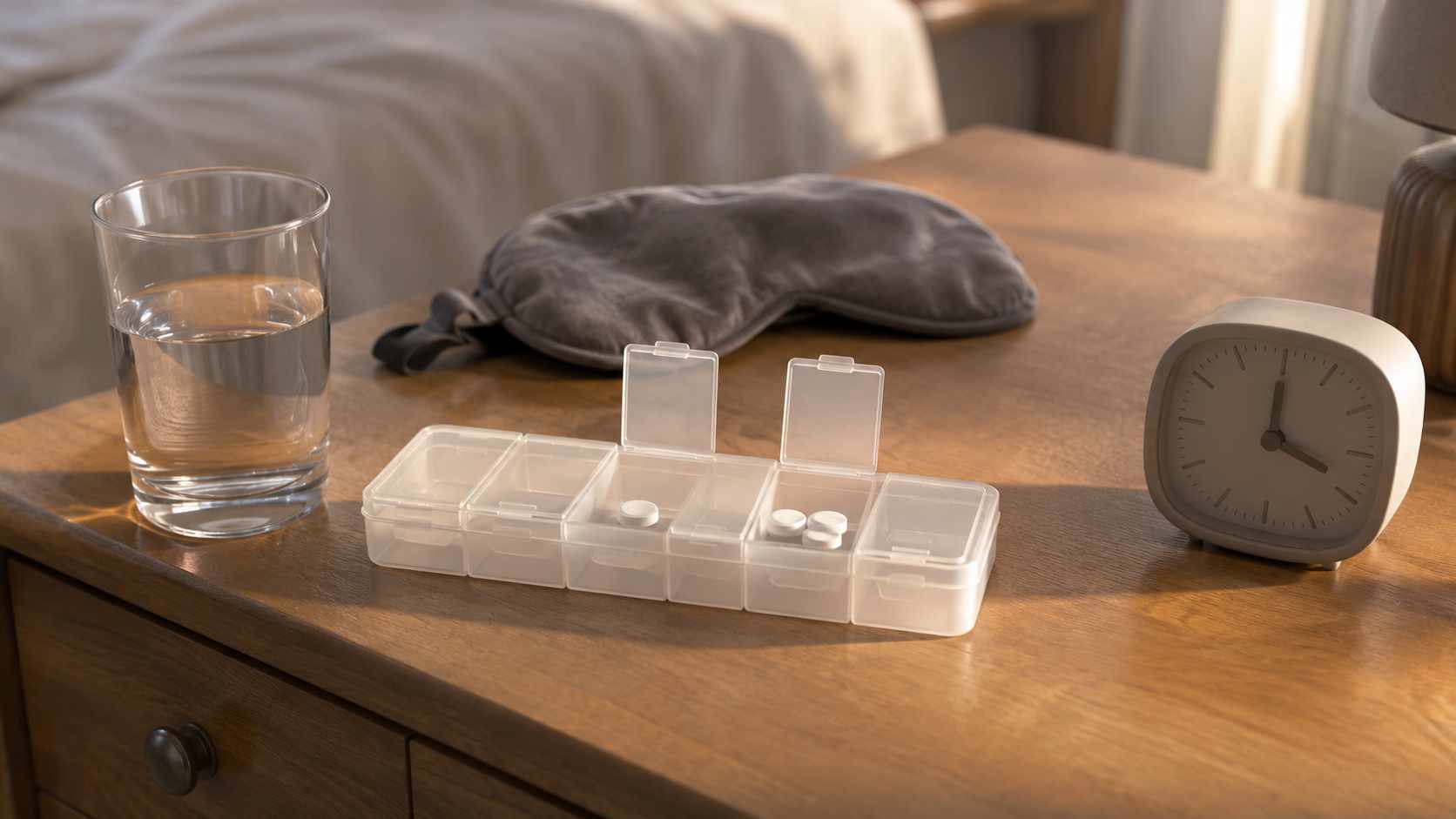
Benadryl (diphenhydramine) is an antihistamine that blocks histamine, the chemical your body releases during allergic reactions. By occupying histamine receptors, it prevents symptoms like itching, sneezing, watery eyes, and hives.
After you swallow an oral tablet, diphenhydramine starts working within 15, 30 minutes. Peak drug concentration reaches your body around 2 hours post-consumption, delivering maximum antihistamine effects during the 1, 3 hour window. If you’re managing a severe reaction, injectable Benadryl provides quicker relief than oral tablets. People may explore ways to make Benadryl wear off faster when experiencing drowsiness or other unwanted effects. Allowing the medication to wear off naturally and consulting a healthcare professional can help ensure safe management of its effects.
Diphenhydramine also crosses into your central nervous system, which explains the drowsiness you’ll likely feel. This sedative effect typically peaks around the second hour, coinciding with maximum symptom relief. This mechanism helps you anticipate both therapeutic benefits and expected side effects. Benadryl side effects can vary between individuals and may include dizziness, dry mouth, and drowsiness. Understanding potential reactions and discussing medication interactions with a healthcare professional can support safer use.
How long does Benadryl last by dose
For most people, Benadryl’s antihistamine effects last 4, 6 hours per dose. If you’re an adult, you’ll typically take 25, 50 mg every 4, 6 hours, and that dose sustains relief across that window. Children aged 6, 11 experience 4, 6 hours of relief per 12.5, 25 mg dose. Benadryl during pregnancy should be discussed with a healthcare provider before use. Professional guidance can help expectant mothers understand potential risks and identify appropriate alternatives for managing symptoms safely.
Larger doses extend how long effects persist. Overall duration of action ranges from 4 to 24 hours, depending on dose size and your individual factors. Your age, metabolism, health status, and organ function all influence clearance rates and how long relief lasts.
Note that sedative effects can outlast allergy relief, persisting beyond 12 hours even after symptom control fades, so drowsiness may linger longer than you’d expect.
How long does Benadryl drowsiness last

Benadryl’s drowsiness typically lasts 4, 6 hours, though it varies by person. You’ll notice sedation peaking around the second hour, coinciding with maximum antihistamine relief. Allergy symptoms fade within this window, but the sedative effects can linger well beyond, sometimes persisting past 12 hours even after relief ends. Benadryl trip dangers can include impaired motor skills, poor decision-making, and prolonged drowsiness. Understanding these risks can help individuals use Benadryl safely and avoid accidents or potentially dangerous behavior.
You might also experience next-day grogginess. That’s because diphenhydramine doesn’t fully clear your system for 24, 48 hours after your last dose. This prolonged central nervous system engagement explains why residual drowsiness sticks around longer than you’d expect.
Anticholinergic effects, which contribute to sedation, persist 8, 12 hours in healthy adults. Your individual metabolism, age, dose size, and organ function all influence how long the drowsiness lasts, so your experience won’t necessarily match someone else’s.
What is Benadryl’s half-life and how long it stays in your system
Benadryl’s half-life ranges from 2.4 to 9.3 hours in healthy adults, though some sources narrow this to 4, 9 hours based on individual variation. Because half-life measures how long your body takes to eliminate half a dose, it directly shapes how long diphenhydramine lingers in your system. Complete elimination of a single dose takes 13.2 to 49 hours, depending on your metabolism, age, and organ function.
Your body fully processes diphenhydramine in roughly 24, 48 hours after your last dose, but the drug may remain detectable for up to 60 hours in some people. This prolonged clearance explains why you might experience next-day grogginess even after allergy relief fades. Faster metabolizers clear it sooner, while impaired liver or kidney function extends elimination time considerably.
How long do the effects of 25 mg versus 50 mg last

Both 25 mg and 50 mg doses provide 4, 6 hours of symptom relief for most people. They share the same onset (15, 30 minutes) and peak window (1, 3 hours), but the duration of relief stays consistent regardless of dose. What changes with a higher dose is intensity and residual effects, not necessarily how long allergy relief lasts.
| Dose | Relief Duration | Sedation Duration |
|---|---|---|
| 25 mg | 4, 6 hours | 4, 6 hours |
| 50 mg | 4, 6 hours | 6+ hours, often longer |
| Both | Peak at 1, 3 hrs | Peaks around hour 2 |
You’ll notice a 50 mg dose intensifies drowsiness and prolongs sedation, while allergy relief itself doesn’t extend proportionally.
What factors change how long Benadryl lasts
Several factors can shift how long Benadryl actually lasts in your system. Although the 25 mg and 50 mg doses share the same 4, 6 hour relief window for most people, your body processes diphenhydramine differently based on physiological and behavioral variables, which explains why elimination time ranges from 13.2 to 49 hours and half-life spans 2.4 to 9.3 hours between individuals.
Key factors that influence duration include:
- Age: Children experience shorter relief windows than adults.
- Metabolism: Faster metabolic rates shorten elimination time and action duration.
- Dose size: Larger doses prolong how long effects persist in your body.
- Health status: Impaired organ function slows clearance and extends half-life.
- Food intake: Minimal impact, since you can take tablets with or without food.
How Simonds Recovery Centers helps with medication misuse
Simonds Recovery Centers helps with medication misuse by addressing the pattern before it escalates. You’ll start with a clinical assessment that identifies your usage patterns, dependency severity, and any co-occurring conditions. If you’ve relied on diphenhydramine’s sedative effects to sleep or manage anxiety, the team develops a tapering plan to reduce withdrawal risks and rebound symptoms.
You’ll receive evidence-based therapies, including cognitive behavioral therapy, to target the behaviors driving your misuse. Medical staff monitor your progress and adjust treatment as your body clears the drug, which can take 24, 48 hours or longer per dose.
You’ll also learn safer symptom-management strategies, so you don’t return to overusing antihistamines once treatment ends.
Reaching for It Every Night? That’s Worth a Look.
Benadryl seems harmless, but leaning on it to sleep or quiet anxiety builds tolerance, and the grogginess it leaves behind can stretch past 12 hours. If the nightly dose has become something you can’t skip, that pattern is worth catching early. Simonds Recovery Centers in Granada Hills assesses the habit, builds a taper if you need one, and teaches safer ways to manage what you were medicating.
Call (833) 781-8338 now or verify your insurance. Confidential, seven days a week.
Frequently Asked Questions
Can I Take Benadryl With Alcohol or Other Medications?
You shouldn’t combine Benadryl with alcohol or other sedating medications. Because diphenhydramine causes central nervous system depression, mixing it with alcohol intensifies drowsiness, impairs coordination, and prolongs residual grogginess. Combining it with other sedatives, sleep aids, or anticholinergic drugs compounds these effects and raises your risk of dangerous side effects. You should always check with your pharmacist or physician before taking Benadryl alongside any other substance or medication.
Is It Safe to Take Benadryl Every Night for Sleep?
You shouldn’t take Benadryl every night for sleep. While it causes drowsiness, its sedative effects can persist beyond 12 hours, leaving you with next-day grogginess since the drug isn’t fully eliminated for 24, 48 hours. Anticholinergic effects also linger 8, 12 hours in healthy adults. Nightly use risks tolerance and prolonged central nervous system engagement. If you’re struggling with sleep, you should consult your doctor about safer, evidence-based long-term options instead.
Can You Overdose on Benadryl, and What Are the Signs?
Yes, you can overdose on Benadryl if you exceed the maximum daily dose of 300 mg for adults. Overdose signs include severe drowsiness, confusion, rapid heartbeat, dilated pupils, dry mouth, blurred vision, and difficulty urinating. You might also experience agitation, hallucinations, seizures, or trouble breathing in serious cases. Since anticholinergic effects persist 8, 12 hours, these symptoms can linger. If you suspect an overdose, seek emergency medical care immediately.
Is Benadryl Safe to Use During Pregnancy or Breastfeeding?
I can’t fully answer that based on the information I have. The knowledge provided covers Benadryl’s onset, duration, half-life, dosing limits, and side effects but it doesn’t include specific safety data for pregnancy or breastfeeding. You’ll want to consult your doctor or pharmacist before using Benadryl if you’re pregnant or nursing. They can weigh your individual health factors and recommend whether it’s appropriate or suggest a safer alternative for you.
What Should I Do if I Miss a Benadryl Dose?
If you miss a Benadryl dose, take it as soon as you remember. However, if it’s almost time for your next scheduled dose, skip the missed one and continue your regular schedule. Don’t double up to compensate, since that risks exceeding safe limits. Remember, you shouldn’t take more than 300 mg (six doses) daily as an adult. Always space your doses every 4, 6 hours to maintain safe intervals and prevent overdose.