



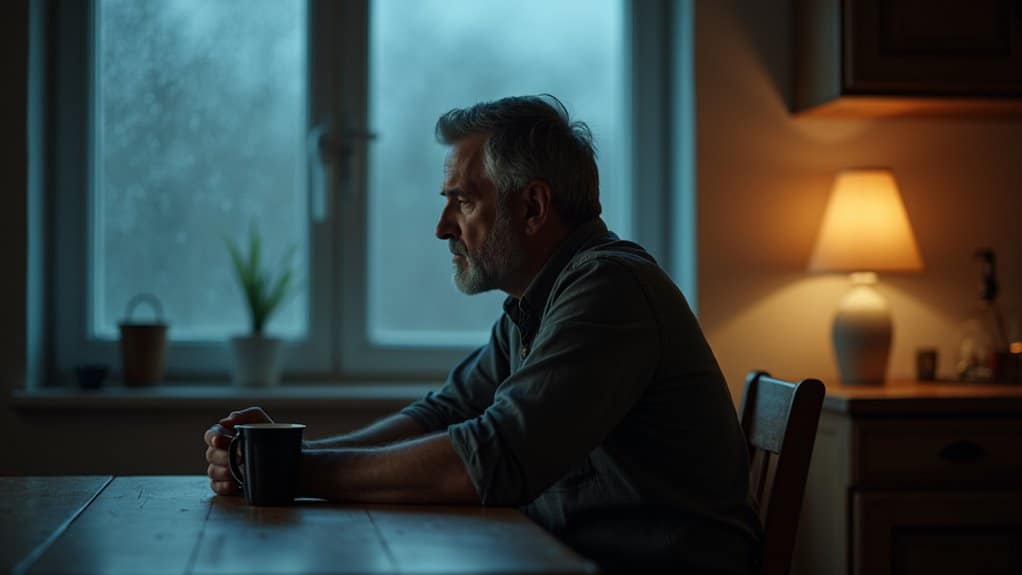

A panic attack is a defined clinical episode. Intense fear surges abruptly, often without an obvious trigger, and peaks within minutes. You might feel chest discomfort, shortness of breath, trembling, or fear of losing control. An “anxiety attack” isn’t a formal diagnosis. It usually describes anxiety that builds gradually around a stressor you can name, and it lasts as long as that worry persists. Understanding which one you’re facing shapes how you’ll find the right relief.
Key Takeaways
- Panic attacks are a defined clinical episode, while “anxiety attack” is not a formal diagnosis.
- Panic surges abruptly, often without an obvious trigger, whereas anxiety builds gradually around an identifiable stressor like a deadline.
- Panic symptoms peak within minutes and typically last 5, 20 minutes; anxiety persists as long as the stressor or worry continues.
- Both share physical symptoms like racing heart and shortness of breath, but panic is more intense, often with fear of dying.
- Seek urgent care for new or severe chest pain or breathing trouble, and see a clinician for recurrent attacks or avoidance.
What is the difference between a panic attack and an anxiety attack

The main difference is that a panic attack is a defined clinical episode, while “anxiety attack” isn’t a formal diagnosis. In a panic attack, intense fear surges abruptly, often without an obvious trigger, and peaks within minutes. You might feel chest discomfort, shortness of breath, trembling, or fear that you’re dying or losing control. An anxiety attack usually describes anxiety that builds gradually around an identifiable stressor, with milder but longer-lasting symptoms like a racing heart or upset stomach. One strikes like a sudden alarm, the other creeps in like a rising tide. The line isn’t absolute: panic can follow a trigger, and anxiety can spike suddenly. Seek urgent care for new or severe chest pain or breathing trouble.
What a panic attack feels like
A panic attack feels like a sudden, fast-hitting surge of physical and mental distress. You may feel your heart racing or pounding, your chest tightening, and your breath coming short. You might sweat, tremble, feel nauseated or dizzy, or notice chills or tingling in your hands. These physical sensations often arrive together in a concentrated surge, typically peaking within minutes. Many attacks last about 5, 20 minutes, though some stretch longer.
The cognitive symptoms can be just as distressing. You may fear you’re dying or losing control, or feel detached from your body or surroundings. Attacks can strike without warning, even when you don’t perceive any threat.
Because these symptoms can mimic serious medical conditions, don’t assume it’s panic if chest pain or breathing difficulty is new or severe. Seek urgent medical care.
What an anxiety attack feels like

An anxiety attack usually feels like a period of escalating or intense anxiety that builds gradually, often with a racing heart, stomach discomfort, or restlessness. It isn’t a formal diagnosis like a panic attack, so the experience varies from person to person. Rather than striking abruptly, it can usually be linked to an identifiable stressor, such as a looming deadline, a difficult conversation, or ongoing pressure at home or work.
The physical symptoms are generally less intense than panic symptoms, but they tend to last longer. They can persist as long as the stressor or worry remains. Still, the line isn’t absolute. Anxiety can intensify suddenly, so how long your symptoms last can’t tell you exactly what you’re experiencing.
How their symptoms compare
Panic attacks and anxiety attacks share many physical sensations but differ in intensity, timing, and the thoughts that accompany them.
| Panic attack | Anxiety attack |
|---|---|
| Starts abruptly, often without warning | Builds gradually, often around a stressor |
| Peaks within minutes | Lingers while worry persists |
| Intense racing heart, sweating, trembling, breathlessness | Milder racing heart or stomach discomfort |
| May bring fear of dying, losing control, or detachment | Centers on persistent worry |
Still, panic can follow a trigger, and anxiety can spike suddenly, so duration alone can’t define what you’re experiencing. Because panic symptoms can mimic medical conditions, seek urgent care if you have new or severe chest pain or trouble breathing. Your symptoms are real, and a clinician can help clarify them.
Why the distinction matters for treatment

The distinction matters because it helps a clinician choose the right next step. A single panic attack doesn’t mean you have panic disorder. That diagnosis requires recurrent, unexpected attacks plus at least a month of persistent worry about future attacks or related behavior changes, such as avoiding places. Gradual anxiety tied to ongoing stressors may point toward a different assessment and plan.
Your clinician will rule out medical causes, substance use, or withdrawal, since panic symptoms can mimic heart or breathing problems. If you’re diagnosed with panic disorder, cognitive behavioral therapy can help you identify triggers and change how you react to symptoms. Medications such as SSRIs are another option you’ll weigh together. Seek assessment if attacks recur, fear lingers, or daily life suffers.
When to seek professional help
Seek urgent medical care if your symptoms are new, severe, or include chest pain or trouble breathing, rather than assuming it’s anxiety. Panic symptoms can mimic heart, lung, and other medical conditions, so you shouldn’t diagnose yourself in the moment.
Book an appointment with a healthcare professional if you’re having recurrent attacks, you can’t stop worrying about the next one, or you’ve started avoiding places and activities to prevent them. If anxiety or panic disrupts your work, sleep, or relationships, that’s reason enough to seek assessment.
A clinician can rule out medical causes, substance use, or withdrawal and determine whether you meet criteria for panic disorder. Effective treatments exist, including cognitive behavioral therapy and medications such as SSRIs. Don’t wait until symptoms feel unbearable.
How Simonds Recovery Centers treats panic and anxiety disorders
Simonds Recovery Centers treats panic and anxiety disorders with a thorough assessment followed by evidence-based therapy and, when appropriate, medication. Treatment starts with that assessment rather than assumptions about what you’re experiencing. Clinicians review your symptoms, their timing, and triggers, and they consider whether a medical condition, substance use, or withdrawal could be contributing. That process helps clarify whether you’re dealing with isolated panic attacks, panic disorder, or another anxiety-related condition.
Your treatment plan reflects established, evidence-based options. Cognitive behavioral therapy can help you identify triggers, understand physical sensations, and change how you respond when panic or anxiety builds. If medication such as an SSRI may help, you’ll discuss benefits and risks with a healthcare professional before deciding.
You don’t have to wait until attacks disrupt your daily life. Reaching out early gives you practical tools sooner.
Don’t Let Substances Complicate Anxiety
Panic-like symptoms can sometimes occur alongside substance use or withdrawal, making it important to understand what is driving them. Simonds Recovery provides dual diagnosis treatment for people dealing with substance use and co-occurring mental health concerns.
Call (833) 781-8338 to discuss your treatment options.
Frequently Asked Questions
How Long Does a Panic Attack Typically Last?
Panic attacks usually reach their peak within minutes and often subside within 20 to 30 minutes, although some symptoms can last longer. Common symptoms include a racing heart, sweating, trembling, shortness of breath, chest discomfort, and an intense sense of fear. A first or unusually severe episode can resemble a medical emergency, so new or severe chest pain, difficulty breathing, or loss of consciousness requires urgent medical evaluation.
Does Having One Panic Attack Mean I Have Panic Disorder?
No. A single panic attack does not establish panic disorder. Panic disorder generally involves recurrent unexpected panic attacks followed by at least one month of persistent concern about additional attacks or significant changes in behavior related to them. A healthcare professional also considers other possible causes, including medical conditions, medications, substances, and withdrawal.
How Common Are Panic Attacks Compared to Panic Disorder?
Panic attacks are considerably more common than panic disorder. Many people experience at least one panic attack without developing a psychiatric disorder. Prevalence estimates vary depending on the population and how researchers define and measure panic attacks. Panic disorder is diagnosed when recurrent unexpected attacks occur alongside persistent concern or behavioral changes and other causes have been considered.
Can Caffeine, Alcohol, or Substance Withdrawal Trigger Panic-Like Symptoms?
Yes. Caffeine can cause symptoms such as nervousness, rapid heartbeat, and trembling, while alcohol and other substance withdrawal can produce anxiety and other panic-like symptoms. The substance, amount used, duration of use, and withdrawal pattern all matter. If you regularly use alcohol or another substance and experience significant symptoms when stopping, seek medical guidance rather than assuming the symptoms are simply anxiety.
Can Panic Attacks Happen While You Are Sleeping?
Yes. Nocturnal panic attacks can wake someone from sleep with symptoms such as a racing heart, sweating, trembling, shortness of breath, or intense fear. Other conditions, including sleep disorders and certain medical problems, can cause similar symptoms, so recurrent nighttime episodes should be evaluated. Seek emergency care for severe or unfamiliar symptoms such as significant chest pain or serious breathing difficulty.