
Simonds Recovery Centers
Steroid Addiction Treatment and Rehab
Joint Commission Accredited · Licensed by California DHCS (#191267AP) · LegitScript Certified
Steroid addiction treatment at Simonds Recovery Centers is care for anabolic steroid dependence for adults. Because steroids do not cause a drug high in the usual sense, treatment focuses on the body-image and compulsive-use patterns that drive it, alongside medical support for the mood and hormonal changes that come with stopping. We work with most major insurance and verify your benefits before you start.
Talk to a consultant:
+1 (833) 781-8338
What is Steroid Addiction?
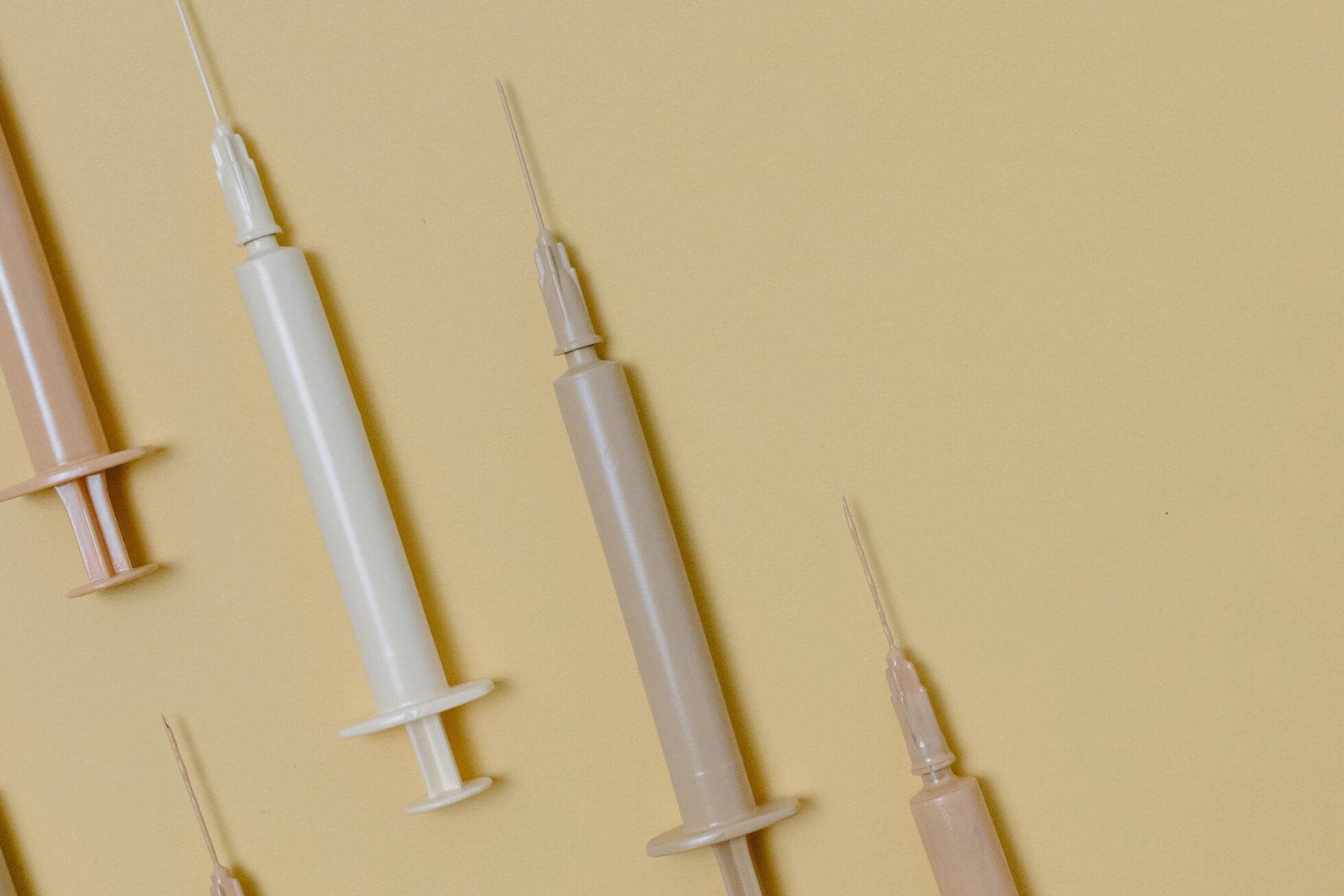
Steroid addiction is compulsive use of anabolic steroids, synthetic forms of testosterone used to build muscle and improve physical performance, despite the harm it causes. Unlike most drugs of abuse, steroids do not produce an immediate high. Instead, dependence builds around the results, the routine, and the fear of losing muscle or returning to a smaller body, which can make stopping feel impossible even when the health costs are clear.
This page is about anabolic steroids, the kind used for muscle building, not corticosteroids such as prednisone or steroid inhalers, which are different medicines used to treat inflammation. Long-term anabolic steroid use can affect the heart, liver, hormones, and mood, and the psychological pull is often the hardest part to break. Professional treatment addresses both sides.
Talk to a consultant:
+1 (833) 781-8338
Who steroid addiction treatment is for?
Steroid addiction treatment is for adults whose anabolic steroid use has become compulsive or hard to stop, whether the worry is the physical health effects, the mood changes, or the inability to take a break from cycles. Many people who seek help are not stereotypical “addicts,” they are dedicated lifters, athletes, or gym-goers whose use grew from a training goal into something they cannot control.
People who seek treatment include those who keep using despite side effects, feel anxious or depressed at the thought of stopping, tie their self-worth heavily to their physique, or have tried to quit and found the mood crash too hard. If any of that is familiar, treatment can help you stop safely and address what drives the use.
Talk to a consultant:
+1 (833) 781-8338


Signs and Symptoms of Steroid Addiction
The signs of steroid addiction are physical, behavioral, and psychological. Because steroid use is often hidden and tied to fitness, the addiction can be harder to recognize than with other drugs.
Common signs include continuing to use despite health problems, spending heavily on cycles, and an intense preoccupation with body image, muscle size, or perceived smallness. Physical signs include rapid muscle gain, acne, hair loss, and in men, testicular shrinkage. Mood changes are common too, including irritability and aggression sometimes called “roid rage,” along with anxiety and depression, especially between cycles or when trying to stop.
Steroid withdrawal and recovery
Steroid withdrawal is different from withdrawal from drugs like opioids or alcohol, because the main challenges are hormonal and emotional rather than a short, intense physical crisis. When anabolic steroid use stops, the body’s own testosterone production has been suppressed and takes time to recover, which can cause fatigue, low libido, body-image distress, and low mood while hormones rebalance.
The most important reason to stop with medical support is mood. Depression after stopping steroids can be significant and, in some cases, serious, so having clinical oversight during this period matters for safety and stability. Our care includes medical monitoring of this recovery, working with medical detox and stabilization where appropriate, while therapy addresses the body-image and behavioral side at the same time.
Talk to a consultant:
+1 (833) 781-8338
Levels of care for steroid addiction
Steroid treatment works through levels of care matched to what each person needs, with most of the work being therapeutic rather than a medical detox. Some people need inpatient support during the hardest early weeks, while others do well in structured outpatient care. The table below shows how the levels compare.
Steroid treatment levels of care
Level of care | Intensity | Living situation |
Medically supervised care / stabilization | Medical oversight for mood and hormonal recovery | Onsite |
Inpatient / residential | High, 24-hour structured care | Onsite |
Partial hospitalization (PHP) | Intensive daily treatment | Home at night |
Intensive outpatient (IOP) | Moderate, part-time | Home |
Outpatient | Ongoing maintenance | Home |
The right level is set by clinical assessment. Steroid recovery leans more on therapy and medical monitoring than on a detox process.
Therapy for steroid addiction
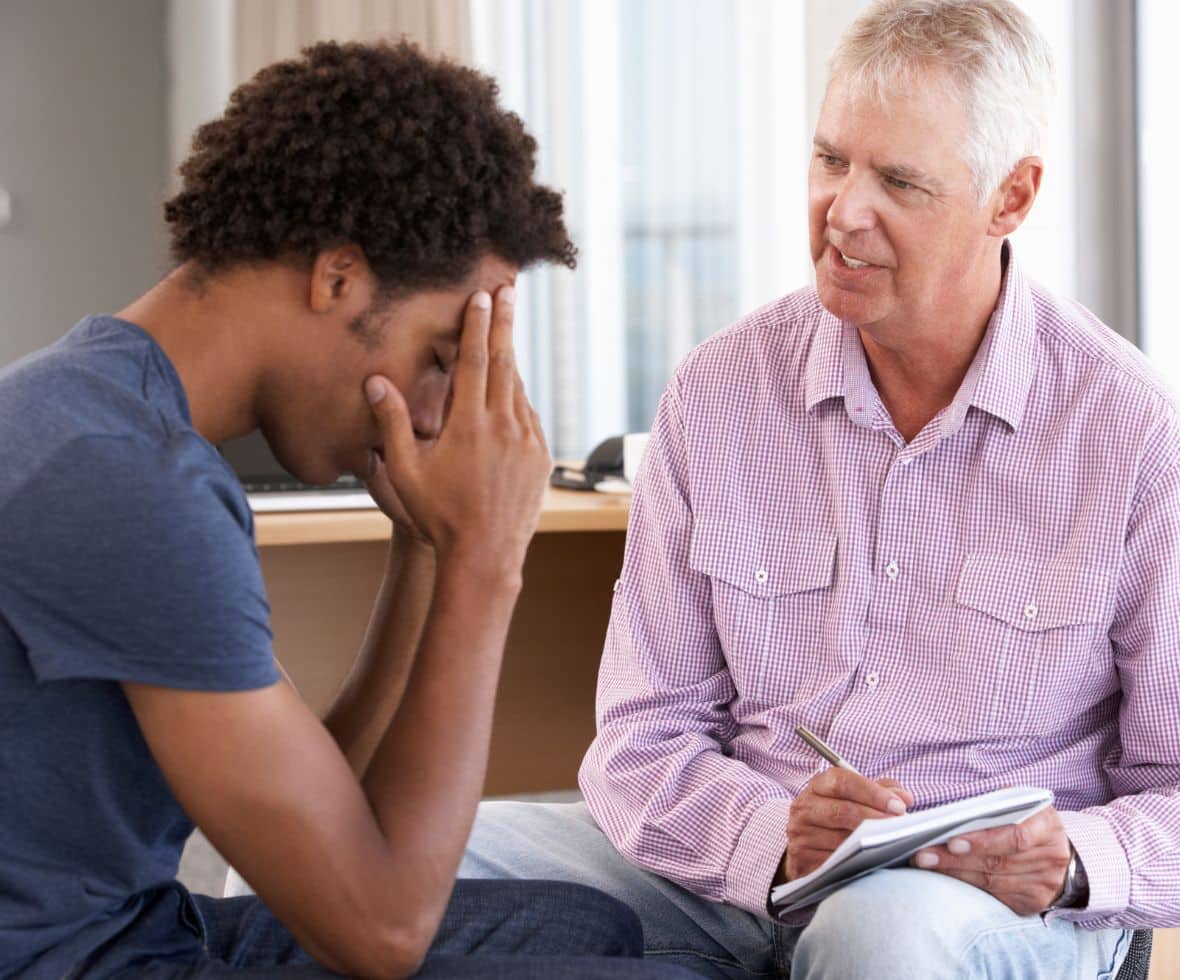
Therapy is the core of steroid addiction treatment, because the dependence is driven mainly by thoughts and behaviors around body image rather than a chemical high. The goal is to understand what the steroids are doing for you, build a sense of self that is not tied entirely to physique, and develop healthier ways to train and cope.
We use evidence-based approaches, with cognitive behavioral therapy (CBT) at the center, to address the body-image distress and muscle dysmorphia that often underlie steroid use, alongside dialectical behavior therapy (DBT) for mood and impulse regulation. Because depression and anxiety are common when stopping, our team treats co-occurring mental health conditions as part of the plan, not separately.
Talk to a consultant:
+1 (833) 781-8338
Insurance and cost
Most major insurance plans cover steroid addiction treatment, including inpatient and outpatient care. We work with carriers including Aetna, Blue Cross Blue Shield, Cigna, UnitedHealthcare, Optum, and Humana, among others, and our admissions team verifies exactly what your plan covers before you start.
What you pay out of pocket depends on your plan and the level of care you need. Verifying your benefits takes a few minutes and carries no obligation. Submit the insurance verification form or call +1 (833) 781-8338.
Talk to a consultant:
+1 (833) 781-8338
Medically reviewed by
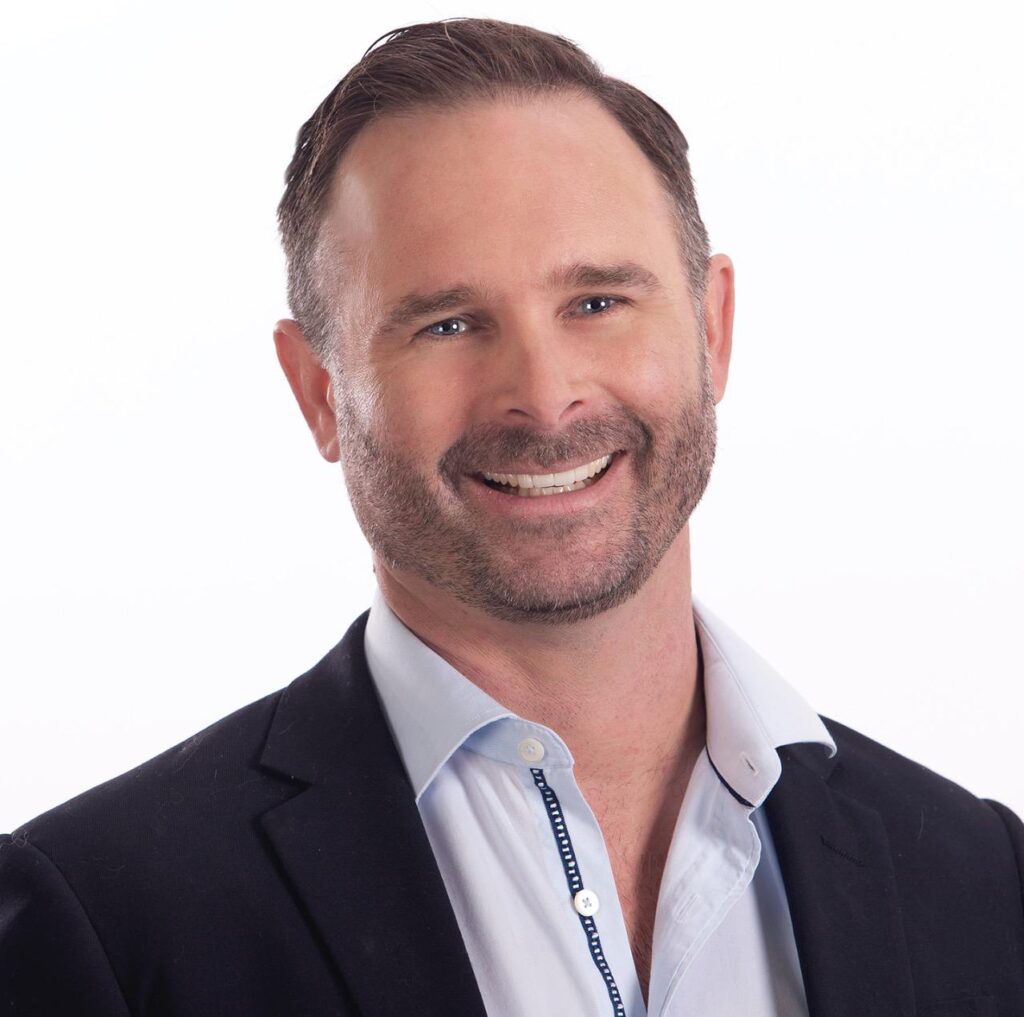
Chris Small, M.D. Addiction Psychiatrist. Dr. Small is board certified in Psychiatry, Addiction Medicine, and Family Medicine. He earned his medical degree at the University of Hawaii and completed his residency in Psychiatry and Family Medicine at UCSD.
Frequently Asked Questions
Are anabolic steroids addictive?
Yes, though differently from most drugs. Anabolic steroids do not cause an immediate high, so the addiction is driven by the results and the routine rather than intoxication. People can develop compulsive use, keep using despite harm, and struggle with low mood and body-image distress when they try to stop, which are hallmarks of dependence.
What is the best treatment for steroid addiction?
The most effective treatment combines therapy, with cognitive behavioral therapy at the center, and medical monitoring of the mood and hormonal changes that come with stopping. Because the dependence is mainly psychological, addressing body image, self-worth, and behavior patterns is the core of recovery, alongside support for any depression or anxiety.
What happens to your body when you stop taking steroids?
When you stop anabolic steroids, your body’s own testosterone production, which has been suppressed, takes time to recover, which can cause fatigue, low libido, and low mood. Many people also feel anxious about losing muscle. These effects ease as hormones rebalance, and medical support makes the period safer and more manageable.
Is steroid withdrawal dangerous?
Steroid withdrawal does not cause the kind of acute physical danger seen with alcohol or benzodiazepine withdrawal, but the mood effects can be serious. Depression after stopping can be significant, which is why medical and psychological support during this period matters. Having clinical oversight keeps you safer while your body and mood recover.
Do you need to detox from steroids?
Steroid recovery is not a detox in the way it works for opioids or alcohol, because there is no short, intense physical withdrawal to clear. Instead, the focus is on supporting your body as its hormones recover and on therapy for the psychological side. Medical monitoring during this time is the part that keeps recovery safe.
Is roid rage a real sign of steroid addiction?
Irritability and aggression, sometimes called “roid rage,” can occur with anabolic steroid use, along with mood swings between cycles. They are part of the mood and behavioral changes that steroids can cause, and they often improve with treatment as use stops and mood stabilizes. Persistent aggression or depression is worth raising with a clinician.
Does insurance cover steroid rehab?
Most major insurance plans cover steroid addiction treatment, including inpatient and outpatient care. We work with carriers including Aetna, Blue Cross Blue Shield, Cigna, UnitedHealthcare, Optum, and Humana. Our admissions team verifies your specific benefits with no obligation.
Where can I find steroid addiction treatment near me in Los Angeles?
Our steroid addiction treatment is at Simonds Recovery Centers in Granada Hills, in the San Fernando Valley area of Los Angeles, at 17810 Simonds St. The program serves adults across the greater Los Angeles area. Call +1 (833) 781-8338 or verify your insurance to get started.
Start steroid addiction treatment today
Talk to our admissions team about treatment for anabolic steroid addiction for you or your loved one. Call +1 (833) 781-8338 or verify your insurance now.
Talk to a consultant:
+1 (833) 781-8338