
Simonds Recovery Centers
Meth Addiction Treatment and Rehab
Joint Commission Accredited · Licensed by California DHCS (#191267AP) · LegitScript Certified
Meth addiction treatment at Simonds Recovery Centers is therapy-led care for adults dependent on methamphetamine. Because meth addiction is driven by powerful psychological dependence, treatment centers on behavioral therapy, support through the severe crash of early withdrawal, and relapse prevention rather than medication. We work with most major insurance and verify your benefits before you start.
Talk to a consultant:
+1 (833) 781-8338


What is Meth Addiction?
Meth addiction is compulsive use of methamphetamine, a powerful stimulant that floods the brain’s reward system with dopamine and produces an intense, long-lasting high. Crystal meth is the smokable crystalline form of the same drug, so meth and crystal meth are treated the same way. Because the high is so intense and the crash that follows is so low, meth is one of the most addictive drugs, and dependence can form quickly.
Meth dependence is primarily psychological rather than physical, which shapes how it is treated. Over time, heavy use takes a severe toll on the brain and body, affecting memory, mood, judgment, and physical health. When use continues despite the damage it causes, professional treatment is the reliable way forward.
Talk to a consultant:
+1 (833) 781-8338
Who meth addiction treatment is for
Meth addiction treatment is for adults whose methamphetamine use has taken over daily life or become impossible to stop on their own. You do not have to reach total crisis to seek help. The common thread is wanting to stop and finding that cravings, the crash, or the pull of the drug keep bringing you back.
People who seek treatment include those using meth daily or in binges, people whose use has led to paranoia, sleeplessness, or weight loss, and those whose work, relationships, or housing are slipping. Meth is often used alongside other drugs, and treatment is built around the full picture, including any co-occurring mental health conditions.
Talk to a consultant:
+1 (833) 781-8338



Signs and Symptoms of Meth Addiction
The signs of meth addiction are physical, behavioral, and psychological, and they often become visible faster than with many other drugs. Recognizing them is usually what prompts someone to seek treatment, for themselves or a loved one.
Common signs include intense cravings, long periods awake followed by heavy crashes, and being unable to stop despite serious consequences. Physical signs include dramatic weight loss, severe dental damage often called “meth mouth,” skin sores from picking, and a run-down appearance. Psychological signs include paranoia, anxiety, irritability, hallucinations, and aggressive or erratic behavior, especially during binges.
Meth withdrawal and the crash
Meth withdrawal is not usually medically dangerous, but it is intense, and it is mostly psychological. When heavy use stops, the crash brings extreme fatigue, heavy sleep, increased appetite, and a deep low mood that can include depression and strong cravings, often lasting one to two weeks with cravings that can linger longer. Like other stimulants, meth has no life-threatening withdrawal and no medication-based medical detox.
Because the hardest part of early meth recovery is psychological, supportive and medically monitored care during this stage matters. Our team provides a safe, stable environment through the crash, watches closely for severe depression and any safety concerns, and moves clients into therapy as mood and energy stabilize. Where stabilization support is needed, our detox and stabilization care supports this first stage.
Talk to a consultant:
+1 (833) 781-8338
Meth-induced psychosis and paranoia
Meth can cause paranoia, hallucinations, and psychosis, which is one of the things that sets it apart from other stimulants. These symptoms can appear during heavy use or in the days after stopping, and they can be frightening for the person and those around them. In most cases the symptoms ease as the drug leaves the body and sleep returns, but they need a safe, monitored setting.
Our team is experienced in supporting people through meth-related paranoia and psychosis, keeping them safe while symptoms settle and addressing any underlying or co-occurring mental health condition as part of the plan. Where psychosis is part of the picture, integrated dual diagnosis care treats both the addiction and the mental health symptoms together.
Levels of care for meth addiction
Meth treatment works through levels of care that step down in intensity as you stabilize. Because meth cravings and the crash are so strong early on, many people begin with inpatient or residential support, then move through structured outpatient care as recovery builds. The table below shows how the levels compare.
Meth treatment levels of care
Level of care | Intensity | Living situation |
Supportive detox / stabilization | Highest, 24-hour medical care | Onsite |
Inpatient / residential | High, 24-hour structured care | Onsite |
Partial hospitalization (PHP) | Intensive daily treatment | Home at night |
Intensive outpatient (IOP) | Moderate, part-time | Home |
Outpatient | Ongoing maintenance | Home |
The right level is set by clinical assessment. Because meth cravings are intense early in recovery, many people start with inpatient or residential care before stepping down through the levels.
How meth addiction is treated
Meth addiction is treated primarily with behavioral therapy, because no medication is approved to treat methamphetamine use disorder. The most effective approaches are contingency management, which rewards staying drug-free and has strong evidence specifically for meth, along with cognitive behavioral therapy and relapse prevention. Treatment is delivered in individual and group settings.
Many people who use meth are also managing depression, anxiety, trauma, or another mental health condition, sometimes using meth to cope. Treating that underlying condition alongside the addiction is central to lasting recovery, and our team addresses co-occurring conditions as part of the plan.
Talk to a consultant:
+1 (833) 781-8338
Meth addiction treatment in Los Angeles
Meth addiction treatment at Simonds is based in Granada Hills, in the San Fernando Valley area of Los Angeles, and serves adults across the greater Los Angeles area. Methamphetamine is one of the most common drugs behind addiction-related crises in Los Angeles, and local access to therapy-led treatment and stabilization matters when someone is ready to stop. Our team can begin an insurance check and admissions conversation the same day you call.
Insurance and cost
Most major insurance plans cover meth addiction treatment, including therapy and inpatient and outpatient care. We work with carriers including Aetna, Blue Cross Blue Shield, Cigna, UnitedHealthcare, Optum, and Humana, among others, and our admissions team verifies exactly what your plan covers before you start.
What you pay out of pocket depends on your plan and the level of care you need. Verifying your benefits takes a few minutes and carries no obligation. Submit the insurance verification form or call +1 (833) 781-8338.
Talk to a consultant:
+1 (833) 781-8338
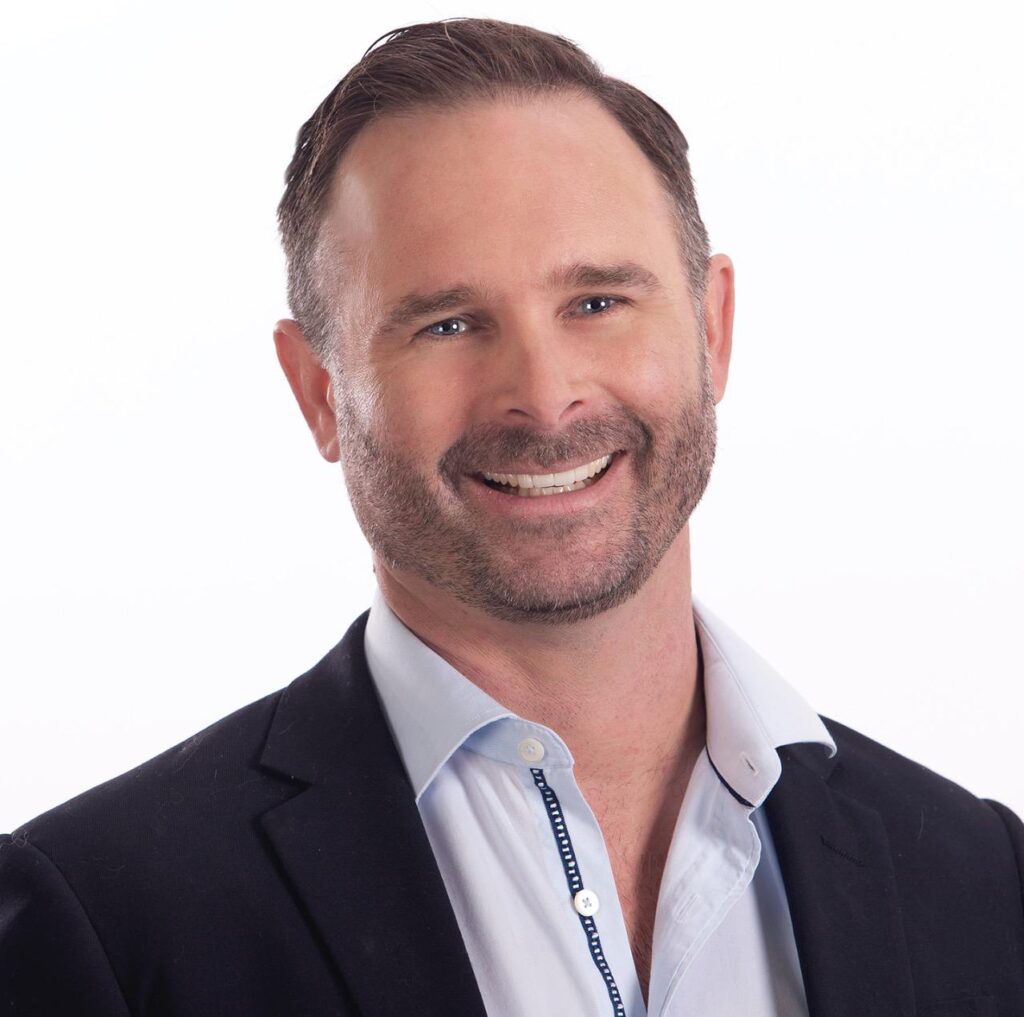
Medically reviewed by
Chris Small, M.D. Addiction Psychiatrist. Dr. Small is board certified in Psychiatry, Addiction Medicine, and Family Medicine. He earned his medical degree at the University of Hawaii and completed his residency in Psychiatry and Family Medicine at UCSD.
Frequently Asked Questions
What is the best treatment for meth addiction?
The most effective treatment for meth addiction is behavioral therapy, since no medication is approved to treat it. Contingency management, which has strong evidence specifically for meth, along with cognitive behavioral therapy and relapse prevention, addresses the cravings and patterns behind use. Treatment often begins with supportive care through the crash.
Is meth withdrawal dangerous?
Meth withdrawal is not usually medically dangerous, but it is intense and primarily psychological. The crash brings extreme fatigue, heavy sleep, deep low mood, and strong cravings, and depression during this stage can be serious. Supportive, medically monitored care helps people get through it safely.
Is meth the same as crystal meth?
Yes. Crystal meth is the smokable crystalline form of methamphetamine, the same drug in a different form. Both cause the same kind of addiction and are treated the same way, with therapy-led care, withdrawal support, and relapse prevention.
How is meth addiction treated without medication?
Meth addiction is treated with behavioral therapy rather than medication, because no drug is approved for methamphetamine use disorder. Contingency management, cognitive behavioral therapy, and relapse prevention address the cravings, triggers, and routines that drive use. Treating any co-occurring depression or anxiety is part of the plan.
Can meth cause paranoia or psychosis?
Yes. Meth can cause paranoia, hallucinations, and psychosis during heavy use or in the days after stopping. These symptoms usually ease as the drug leaves the body and sleep returns, but they need a safe, monitored setting. We support people through these symptoms and treat any co-occurring mental health condition.
Does insurance cover meth rehab?
Most major insurance plans cover meth addiction treatment, including inpatient and outpatient care. We work with carriers including Aetna, Blue Cross Blue Shield, Cigna, UnitedHealthcare, Optum, and Humana. Our admissions team verifies your specific benefits with no obligation.
Where can I find meth addiction treatment near me in Los Angeles?
Our meth addiction treatment is at Simonds Recovery Centers in Granada Hills, in the San Fernando Valley area of Los Angeles, at 17810 Simonds St. The program serves adults across the greater Los Angeles area. Call +1 (833) 781-8338 or verify your insurance to get started.
Start meth addiction treatment today
Talk to our admissions team about therapy-led meth treatment for you or your loved one. Call +1 (833) 781-8338 or verify your insurance now.
Talk to a consultant:
+1 (833) 781-8338