
Joint Commission Accredited · Licensed by California DHCS (#191267AP) · LegitScript Certified
Person-centered therapy at Simonds Recovery Centers is a non-directive talk therapy that puts you at the center of your own recovery. Also called Rogerian therapy or client-centered therapy, it gives you a supportive, non-judgmental space to explore your feelings, set your own goals, and rebuild self-worth, alongside therapies like CBT and DBT.
What person-centered therapy is
Person-centered therapy is a humanistic approach that treats you as the expert on your own life, with the therapist as a supportive guide rather than a director. Developed by psychologist Carl Rogers in the 1940s and 1950s, it is built on the idea that people have an innate capacity for growth when given the right environment. It is also known as Rogerian therapy or client-centered therapy.
In addiction recovery, that means you lead the conversation and set the goals, while the therapist creates the conditions for honest self-exploration. The approach is collaborative and non-judgmental, which makes it a strong fit for people who want an active role in their own recovery.
The core conditions of Rogerian therapy
he main techniques of person-centered therapy are three conditions Carl Rogers identified as essential for change: unconditional positive regard, empathy, and congruence. Rather than directive exercises, these conditions are the method itself, and together they create the safe, accepting relationship the approach depends on.
Unconditional positive regard means you are accepted without judgment, whatever you bring to the session. Empathy means the therapist works to genuinely understand your experience from your perspective. Congruence means the therapist is authentic and honest rather than playing a detached role. In recovery, this combination helps rebuild the self-worth that addiction often erodes.
How person-centered therapy helps in addiction recovery
Person-centered therapy helps in recovery by rebuilding self-esteem and self-awareness, which are often damaged by addiction. When you feel accepted rather than judged, it becomes easier to look honestly at substance use and take ownership of change.
The approach is non-directive, so instead of being told what to do, you work toward goals you set yourself. That sense of ownership matters in recovery, because change a person chooses tends to hold better than change imposed on them. Low self-worth and hopelessness are common drivers of relapse, and rebuilding them is part of how this therapy supports lasting recovery.
Person-centered therapy vs. directive therapies like CBT
Person-centered therapy and directive therapies differ in who leads the work: in CBT, DBT, and REBT the therapist guides you toward changing specific thoughts and behaviors, while in person-centered therapy you lead and the therapist supports your own self-discovery. The table below compares them.
Person-centered therapy vs. directive therapies
| Dimension | Person-Centered (Rogerian) | Directive therapies (CBT, DBT, REBT) |
| Who leads | You lead; therapist follows your pace | Therapist guides the session toward set goals |
| Core focus | Acceptance, self-worth, self-discovery | Changing specific thoughts and behaviors |
| Therapist’s role | Supportive, non-judgmental facilitator | Active instructor and structured guide |
| Structure | Open and flexible | Goal-oriented, often with exercises or homework |
| Best for | People who want to set their own pace and direction | People who want concrete tools and structured steps |
Person-centered therapy and directive therapies are complementary, not competitors. The accepting, client-led relationship of person-centered therapy often makes the structured work of CBT, DBT, and REBT more effective, which is why treatment plans at Simonds commonly use both.
Who person-centered therapy is for
Person-centered therapy is a flexible approach that can benefit most people in addiction recovery, and it is especially suited to those who want to take an active, collaborative role in their treatment. It fits people who value being heard and setting their own pace over being directed.
It is delivered by licensed therapists in both individual and group settings, as one part of a complete treatment plan rather than a standalone fix.
Insurance and getting started
Person-centered therapy is part of the treatment programs we provide, and most major insurance plans cover addiction treatment that includes it. We work with carriers including Aetna, Blue Cross Blue Shield, Cigna, UnitedHealthcare, Optum, and Humana, among others, and our admissions team confirms your specific benefits before you arrive.
Verifying benefits takes a few minutes and carries no obligation. Submit the insurance verification form or call +1 (833) 781-8338.
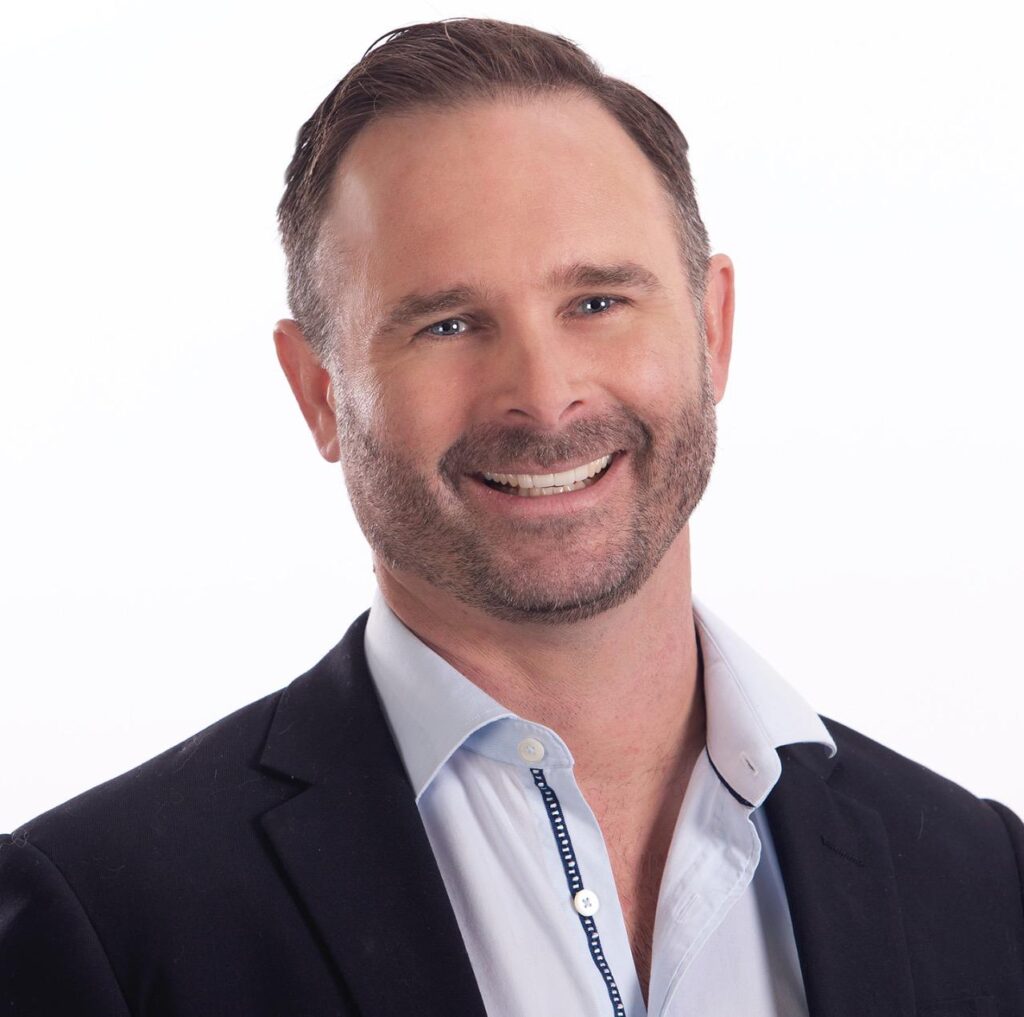
Medically reviewed by
Chris Small, M.D. Addiction Psychiatrist. Dr. Small is board certified in Psychiatry, Addiction Medicine, and Family Medicine. He earned his medical degree at the University of Hawaii and completed his residency in Psychiatry and Family Medicine at UCSD.
Start treatment that puts you at the center
Talk to our admissions team about person-centered therapy as part of your treatment. Call +1 (833) 781-8338 or verify your insurance now.