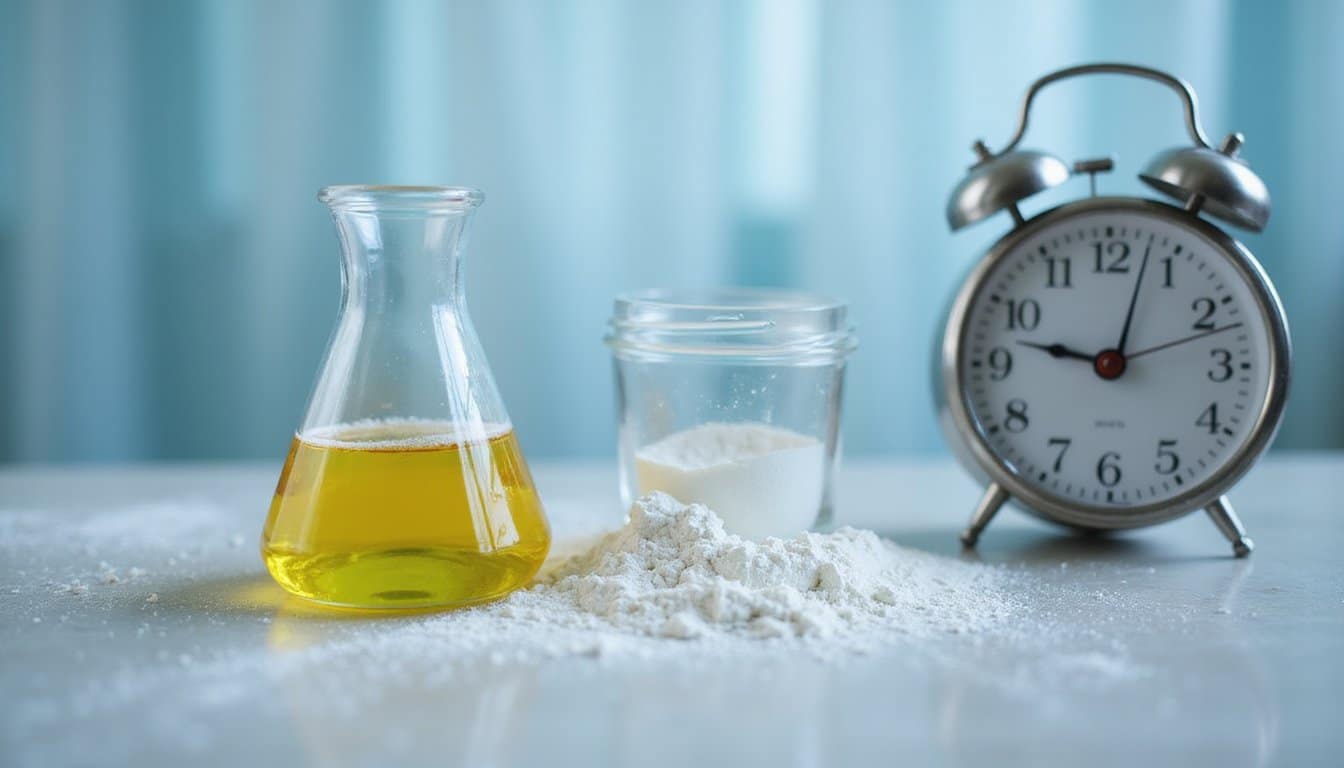







ETOH is the medical abbreviation for ethanol, combining “Et” (the ethyl group C2H5) with “OH” (the hydroxyl group) to represent the psychoactive compound in alcoholic beverages. Healthcare providers use this term to document blood alcohol levels, flag alcohol-related conditions, and identify patients at risk for withdrawal complications. When you see ETOH in your medical records, it’s signaling information about alcohol exposure that guides your treatment plan and recovery options ahead.
What Does ETOH Stand For?

EtOH breaks down into two chemical components that explain its meaning: “Et” represents the ethyl group (C2H5), while “OH” denotes the hydroxyl group. This chemical abbreviation specifically identifies ethanol, the psychoactive CNS depressant found in beer, wine, and spirits. Understanding the etoh medical meaning helps you distinguish safe consumable alcohol from toxic variants like methanol or isopropanol. Ethyl alcohol and ethanol are the same chemical compound, though ethyl alcohol is typically used in more formal scientific or medical contexts.
Healthcare providers use EtOH in medical documentation to record blood alcohol levels, diagnose alcohol use disorder, and identify chronic ethanol use disorder. When you see “EtOH positive” in patient records, it indicates detected ethanol in the system. This standardized term appears in contexts ranging from acute intoxication assessments to treatment planning for ethanol abuse, alcoholism, binge drinking patterns, alcohol addiction, and detox protocols. Clinical staff measure EtOH levels using blood alcohol concentration (BAC), breathalyzers, urine tests, and liver enzyme biomarkers to assess intoxication severity and guide appropriate treatment decisions. Ethanol has been produced for thousands of years through the fermentation of sugars by yeast, a natural process that remains the foundation for creating all alcoholic beverages today.
The Chemistry Behind the ETOH Abbreviation
The abbreviation EtOH breaks down into its component parts when you examine ethanol’s molecular structure. The “Et” represents the ethyl group (C₂H₅-), while “OH” denotes the hydroxyl group. This shorthand reflects the structural formula CH₃CH₂OH, showing how ethyl alcohol arranges its nine atoms. The ethyl group links to the hydroxyl group, forming a 109-degree angle.
You’ll find ethanol’s chemical composition includes two carbon atoms, six hydrogen atoms, and one oxygen atom, giving it a molecular formula of C₂H₆O and a molar mass of 46.069 g/mol. This compound is officially registered under CAS number 64-17-5, which serves as its unique chemical identifier in scientific databases.
Key physical properties of ethanol include:
- Colorless, volatile liquid with characteristic odor
- High solubility in water due to its polar hydroxyl group
- Flashpoint of 55°F, making it highly flammable
- Pungent taste that distinguishes it from other alcohols
Understanding this chemistry helps you recognize etoh references in medical documentation.
How Healthcare Professionals Use ETOH in Medical Documentation

Beyond its chemical roots, this abbreviation serves a practical purpose in healthcare settings where clinicians rely on standardized shorthand for clear, efficient communication. When you encounter ETOH in clinical documentation, you’re seeing a universal marker that flags alcohol-related conditions, from acute intoxication to chronic alcohol use disorder.
Healthcare teams use this abbreviation across multiple documentation contexts. In emergency departments, it appears alongside toxicology results and withdrawal risk assessments. Problem lists link it to complications like liver disease, cardiac issues, and neurological disorders. The term also drives coding accuracy, ensuring alcohol-related diagnoses receive proper classification. Clinicians particularly rely on this terminology when addressing chronic liver damage that develops from prolonged alcohol consumption.
During interdisciplinary care handoffs, ETOH alerts nurses, physicians, and social workers to potential complications requiring intervention. This standardized terminology proves especially critical when diagnosing and treating mental health disorders that frequently co-occur with alcohol use. Medical staff also use ETOH documentation to identify patients who may need ethanol administered as an antidote for methanol poisoning or ethylene glycol toxicity. This consistent shorthand triggers screening protocols and guides discharge planning, connecting you with appropriate treatment resources. Additionally, understanding the underlying causes of ethanol abuse is essential for implementing effective intervention strategies. By addressing these root issues, healthcare providers can develop comprehensive treatment plans that promote long-term recovery.
Short-Term Effects of Ethanol on the Body
Within minutes of consumption, ethanol crosses the blood-brain barrier and begins disrupting normal nerve cell communication throughout your central nervous system. As a central nervous system depressant and psychoactive drug, alcohol triggers immediate physiological changes:
- Impaired coordination and reflexes: You’ll experience slurred speech, poor balance, and reduced reaction times
- Cognitive disruption: Your reasoning, attention, and depth perception become compromised
- Gastrointestinal distress: Nausea, vomiting, and increased stomach acid can cause immediate discomfort
- Cardiovascular changes: Flushed skin, heightened heart rate, and altered blood flow affect your body’s temperature regulation
At higher doses, you risk memory blackouts, respiratory failure, and medical emergency situations requiring immediate intervention. Unconsciousness often occurs at 0.3, 0.4% blood alcohol level, which represents a critical danger zone. Repeated exposure accelerates liver damage, heart damage, brain damage, kidney damage, pancreas damage, and stomach damage. Even a single episode of heavy drinking can weaken your immune system, slowing your body’s ability to ward off infections for up to 24 hours afterward. When you stop drinking abruptly, withdrawal symptoms may emerge, complicating recovery. Your body metabolizes and eliminates alcohol from your system at a rate of 13-18 mg per hour, which is why the effects can linger long after you stop drinking.
Long-Term Health Consequences of Chronic ETOH Use

When chronic alcohol consumption persists over months or years, it inflicts progressive damage across virtually every major organ system in your body. Your liver bears significant burden, progressing through alcohol-associated liver disease stages, fatty liver, hepatitis, fibrosis, and cirrhosis, substantially increasing liver-related mortality risk. Hepatic decompensation and hepatocellular carcinoma become real threats.
Your cardiovascular system suffers through alcoholic cardiomyopathy and persistent hypertension, elevating stroke and heart failure risk. Chronic use impairs nutrient absorption, causing malnutrition and compounding metabolic risk through insulin resistance. The digestive system also faces increased vulnerability to gastritis, stomach ulcers, and chronic pancreatitis.
Neurologically, you’re vulnerable to alcohol-related dementia, structural brain atrophy, and Wernicke-Korsakoff syndrome from thiamine deficiency. Peripheral nerve damage causes painful neuropathy. Chronic alcohol use also weakens your immune system, leaving you more susceptible to infections and illness. Perhaps most dangerous, physiologic dependence develops, making alcohol withdrawal syndrome potentially life-threatening without proper medical supervision. These consequences underscore why early intervention remains critical.
Understanding ETOH Abuse and Binge Drinking Patterns
When you consume five or more drinks within two hours as a man, or four or more as a woman, you’ve crossed the clinical threshold for binge drinking, a pattern that raises your blood alcohol concentration to 0.08 g/dL or higher. ETOH abuse encompasses this dangerous consumption pattern along with recurrent alcohol use that leads to significant impairment, social problems, and loss of control over your drinking behavior. Understanding these definitions helps you recognize when occasional heavy drinking has progressed toward alcohol use disorder, which affects over 14 million American adults. Nationally, 24.0% of adults aged 18 and older reported binge drinking in the last 30 days, highlighting how widespread this risky consumption pattern has become. Importantly, most people who binge drink are not dependent on alcohol, yet this pattern still contributes to serious health risks and preventable harm.
Defining ETOH Abuse
Although the terms alcohol use, abuse, and dependence often overlap in everyday conversation, clinicians distinguish them based on specific diagnostic criteria and the severity of consequences. Ethanol abuse involves repeated consumption causing significant impairment without requiring physical dependence. When you meet at least two of eleven DSM-5 criteria within twelve months, you’re diagnosed with alcohol use disorder.
Key distinctions include:
- Binge drinking triggers acute intoxication, impaired judgment, and potential medical emergencies
- Chronic abuse damages your liver, heart, and pancreas progressively
- Neurotransmitter imbalance from repeated heavy episodes causes blackouts and anxiety
- Physical dependence develops when withdrawal symptoms emerge between drinking episodes
You’ll recognize abuse patterns through loss of control during episodes, secretive drinking, and escalating consumption despite negative consequences. Early identification prevents progression toward severe dependence.
Binge Drinking Thresholds
Recognizing the difference between abuse and dependence helps you understand where binge drinking fits into the clinical picture. Clinically, binge drinking means consuming enough alcohol to raise your blood alcohol concentration to 0.08% or higher, typically five or more drinks for men or four or more for women within two hours. A standard drink contains 14 grams of pure alcohol.
High-intensity drinking doubles these thresholds, markedly escalating alcohol-related harms. Heavy drinking focuses on weekly totals, while binge drinking measures acute intoxication within a short timeframe. Even a single episode can trigger neurocognitive impairment and safety consequences.
You don’t need to drink daily to experience alcohol misuse. Weekend-only binges still qualify as problematic drinking patterns and carry measurable health risks, including immune dysfunction and acute pancreatitis in susceptible individuals.
Progression to Addiction
The shift from casual drinking to addiction rarely happens overnight, it unfolds through predictable stages that build on each other. Initially, you might use alcohol as a coping mechanism for stress or anxiety. As tolerance develops, you’ll need more to achieve the same effect, driving neuroadaptation in your brain’s reward circuits.
- Early warning signs: Using alcohol for negative reinforcement rather than pleasure, experiencing blackouts, and secretive drinking patterns
- Loss of control: Drinking more than intended, failed attempts to cut back, and compulsive drinking despite consequences
- Physical dependence: Withdrawal symptoms like tremors, sweating, and anxiety when you stop drinking
- Behavioral deterioration: Declining work performance, neglected responsibilities, and relationship conflicts
This progression characterizes alcohol use disorder’s development from voluntary use to chronic, compulsive consumption.
ETOH Testing Methods and Diagnostic Applications
When healthcare providers suspect alcohol intoxication or need to monitor your consumption patterns, they’ll typically start with blood alcohol level tests that measure ethanol directly in your serum, plasma, or urine using enzymatic assays. These quantitative tests give clinicians precise readings of your current intoxication level, making them essential for emergency room evaluations, workplace incidents, and legal proceedings. Clinical monitoring applications extend beyond acute situations to include ongoing assessment in addiction treatment programs, pre-transplant evaluations, and court-ordered compliance tracking.
Blood Alcohol Level Tests
Accurately measuring blood alcohol concentration (BAC) requires specialized laboratory techniques that healthcare providers and law enforcement rely on daily. Gas chromatography remains the gold standard, using a flame ionization detector to quantify ethanol with precision. You’ll encounter different sample types, whole blood for DUI cases versus serum analysis in hospital settings, which yields at least 11% higher readings.
Understanding detection windows helps you interpret results accurately:
- BAC tests detect ethanol for 6-12 hours post-consumption
- PEth biomarkers reflect drinking patterns over 3-4 weeks
- CDT indicates heavy use spanning three weeks
- EtG/EtS markers confirm recent alcohol exposure
Blood tests outperform breathalyzers with fewer false positives. However, venous samples can mislead depending on your position along the absorption curve. Factors including weight, medications, and food intake also influence your results.
Clinical Monitoring Applications
Five distinct testing technologies now enable clinicians to monitor ethanol consumption patterns with unprecedented accuracy and flexibility. Wearable sensors detect ethyl glucuronide in your sweat, achieving 71, 95% repeatability for classifying abstinence versus binge drinking. PEth testing measures phosphatidylethanol in red blood cells, offering a 10-day detection window ideal for retrospective assessment of heavy drinking episodes.
For clinical monitoring in addiction treatment and compliance programs, urine EtG/EtS testing provides up to 80-hour detection, supporting frequent non-invasive screening in probation and family court settings. Breath alcohol devices deliver immediate intoxication assessment results for rapid screening needs. Optical techniques and transdermal sensing offer noninvasive alternatives with high precision, sometimes surpassing traditional breath devices. You’ll encounter these technologies across workplace, forensic, and therapeutic environments requiring documented sobriety verification.
Treatment Options for Ethanol Addiction and Recovery
Although overcoming ethanol addiction presents significant challenges, evidence-based treatment options offer genuine hope for lasting recovery. Your journey typically begins with medically supervised detoxification, where healthcare providers manage withdrawal symptoms safely over 2-7 days. Following detox, individuals often engage in a combination of therapy and counseling designed to address the psychological aspects of ethanol addiction. Many facilities provide tailored alcohol addiction treatment programs that incorporate both individual and group sessions, fostering peer support and enhancing personal growth.
Following detox, you’ll work with an addiction specialist to develop an extensive substance abuse treatment plan. A treatment facility or rehab program may incorporate:
- Medications: FDA-approved options include naltrexone, acamprosate, and disulfiram to reduce cravings and prevent relapse
- Behavioral therapies: Cognitive behavioral therapy and motivational enhancement help you build coping strategies
- 12-step programs: Alcoholics Anonymous proves 60% more effective for abstinence than other interventions
- Aftercare and support: Ongoing medical care and support groups prevent relapse, with medications reducing mortality risk by 42%
Your recovery requires personalized, sustained commitment across multiple treatment modalities.
Frequently Asked Questions
Can Etoh Be Confused With Other Alcohol Abbreviations in Medical Records?
You’ll find that EtOH rarely causes confusion because it specifically designates ethyl alcohol, distinguishing it from toxic substances like methanol or isopropanol. Healthcare providers use this precise abbreviation intentionally to safeguard against diagnostic errors. While vague terms like “alcohol” might create ambiguity, EtOH’s standardized notation guarantees clarity in blood tests, intoxication assessments, and alcohol use disorder documentation. This precision shields you by facilitating accurate treatment decisions and preserving reliable medical records across clinical settings.
Why Do Some Medical Professionals Prefer Etoh Over Writing “Alcohol”?
You’ll find medical professionals prefer ETOH because it offers chemical precision that “alcohol” lacks. ETOH specifically identifies ethyl alcohol (C2H5OH), distinguishing it from methanol or isopropanol in your records. It streamlines documentation in fast-paced clinical settings, letting providers quickly note “ETOH intoxication” or “ETOH dependence.” The abbreviation also maintains clinical neutrality, keeping your chart objective and free from social connotations while ensuring accurate communication across your healthcare team.
Does Etoh Interact Differently With Medications Than Other Types of Alcohol?
Yes, ETOH interacts with medications differently than other alcohols. When you consume ethanol, it affects your liver’s CYP2E1 enzymes, altering how you metabolize drugs like acetaminophen and sedatives. You’ll experience additive CNS depression with opioids and benzodiazepines. Other alcohols like methanol, isopropanol, are treated as toxic exposures requiring emergency intervention, not routine drug interaction management. Your healthcare provider bases medication warnings specifically on ethanol’s well-documented pharmacokinetic effects.
How Quickly Does the Body Metabolize Etoh Compared to Other Substances?
Your body metabolizes ethanol at a fixed rate of approximately 0.015 g/100mL/hour, equivalent to about one standard drink per hour. Unlike most medications that follow first-order kinetics (eliminating a percentage over time), ethanol follows zero-order kinetics because your liver’s enzyme capacity saturates quickly. You can’t speed up this process externally; your body prioritizes metabolizing ethanol over carbohydrates, fats, and proteins until it’s fully eliminated.
Is Etoh Abbreviation Used Internationally or Mainly in American Healthcare Settings?
You’ll find EtOH used internationally since it derives from ethanol’s universal chemical formula (C2H5OH), making it recognized in medical literature worldwide. However, you’ll encounter it most frequently in American healthcare settings, particularly in U.S. hospitals, emergency departments, and nursing documentation. Clinical notes commonly include phrases like “positive for EtOH” or “EtOH intoxication.” While the abbreviation follows standard chemistry notation globally, its routine medical shorthand usage remains chiefly, principally, or mainly U.S.-centric.