
An intensive outpatient program in the San Fernando Valley at Simonds Recovery Center is structured addiction treatment that adults across the Valley attend while living at home and keeping up with work or family. IOP runs several hours a few days a week, and because the facility sits in Granada Hills at the center of the Valley, most residents reach it in a short drive. Simonds is Joint Commission accredited and verifies insurance in about 15 minutes. Call (833) 781-8338.
Talk to a consultant:
+1 (833) 781-8338


For an intensive outpatient program, location is not a detail, it is part of what makes the treatment work. Unlike residential care, where a person stays at the facility, IOP means traveling to treatment several times a week for weeks or months while living at home. A program across the county becomes a commute that wears down attendance; a program within the Valley stays realistic week after week.
Simonds sits in Granada Hills, in the northern San Fernando Valley, which puts it within a short drive of most of the region. That reach is what lets someone in Van Nuys, Reseda, or Northridge hold down a job, stay with family, and still make every session. The communities within reach of the program include:
Because attendance is what makes outpatient treatment effective, a Valley location is not a convenience. It is part of the clinical picture.
Talk to a consultant:
+1 (833) 781-8338
An intensive outpatient program, or IOP, is a level of addiction treatment that provides structured clinical care on a part-time schedule, usually several hours a day, a few days a week, while the person lives at home. It sits between partial hospitalization, which is a near-daily commitment, and standard outpatient, which is lighter. IOP gives someone enough structure to drive real recovery while leaving room for work and daily responsibilities.
The reason this level exists is that not everyone needs, or can step away for, residential treatment. Someone with a stable home, a job to keep, or family in the Valley often cannot check into a facility for weeks, but still needs more than a weekly therapy appointment. An intensive outpatient program fills that space, delivering the group work, individual therapy, and relapse-prevention skills of intensive treatment on a schedule that fits around the rest of a person’s life.
Talk to a consultant:
+1 (833) 781-8338



IOP in the San Fernando Valley is the right level of care for adults who need structured treatment but can safely live at home during recovery. It is a common fit for several situations rather than one profile.
The common thread is stability at home paired with a genuine need for structured clinical treatment. IOP is not the right starting point for someone who needs medical detox or a controlled environment first, and the clinical assessment confirms whether it is the appropriate level or whether a person should begin higher in the continuum.
Talk to a consultant:
+1 (833) 781-8338
The program at Simonds delivers several hours of clinical programming per session, a few sessions a week, built around group therapy, individual counseling, and relapse-prevention work. The schedule is structured but part-time, so a person attends treatment and returns home the same day, keeping work and family life in the Valley intact.
Each person starts with a clinical assessment that sets the schedule, the length of the program, and the therapies involved. Treatment combines cognitive behavioral therapy, dialectical behavior therapy, group process work, and family involvement where it helps, with medication-assisted treatment available when it fits the plan. Because it is delivered on the same campus as detox, residential, and PHP care, a person can step up to a higher level if they need more support, or step down from PHP into IOP as they stabilize, without leaving the program or the region. Length of stay is set by clinical progress rather than a fixed number of weeks.
IOP and PHP are both outpatient levels of care, and the difference between them is intensity. Which one fits depends on how much daily structure a person needs, and the clinical assessment makes that call.
A partial hospitalization program, or PHP, is the more intensive of the two, running most of the day, most days of the week, for someone who needs daily clinical structure but not 24-hour residential care. An intensive outpatient program is lighter, running a few hours a few days a week, for someone who can manage more of daily life independently while still receiving structured treatment. Many people step down from PHP to IOP as they stabilize, using PHP for the intensive early phase and IOP to maintain progress while returning to work and family in the Valley. Both are available at Simonds, so a person can move between them based on clinical need.
Talk to a consultant:
+1 (833) 781-8338
The San Fernando Valley is one of the largest regions in Los Angeles County, identified in county overdose reporting as Service Planning Area 2. The Los Angeles County Department of Public Health, which reports data by Service Planning Area, found that countywide drug-related overdose deaths fell 22 percent between 2023 and 2024, from 3,137 to 2,438, with fentanyl-related deaths down 37 percent, though fentanyl was still involved in 52 percent of accidental overdose deaths in 2024, and the crisis remains ongoing.
For Valley residents who cannot step away from work or family for residential care, an accessible outpatient program is often what makes treatment possible at all. A program within the region removes the distance that would otherwise stand between a person and consistent care.
Simonds is in-network with TriWest and TRICARE and works with most major insurance carriers on an out-of-network basis, and we verify benefits in about 15 minutes. We do not accept Medicaid, Medicare, or Medi-Cal. Most commercial plans cover intensive outpatient treatment with prior authorization, and the admissions team confirms what a plan covers before treatment begins, so the cost is clear up front.
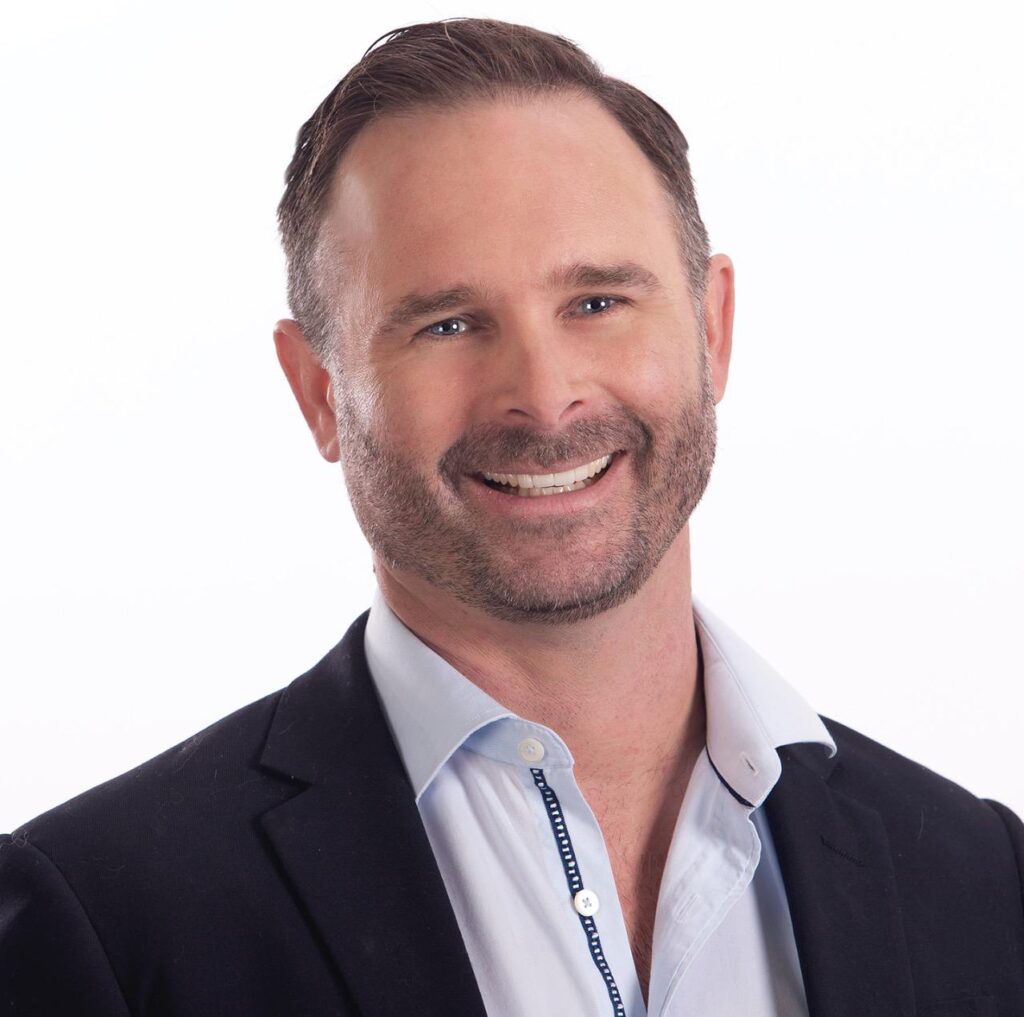
Chris Small, M.D. Addiction Psychiatrist. Dr. Small is board certified in Psychiatry, Addiction Medicine, and Family Medicine. He earned his medical degree at the University of Hawaii and completed his residency in Psychiatry and Family Medicine at UCSD.
The program is at the Simonds campus in Granada Hills, in the northern San Fernando Valley, within a short drive of Van Nuys, Reseda, Northridge, Sylmar, and the west Valley. A central Valley location is part of what makes attending several sessions a week realistic.
IOP typically runs a few days a week for several hours per session, with the exact schedule set during the clinical assessment. The part-time structure is what lets a person attend treatment while keeping up with work and family.
Yes. IOP is built for people who need to keep working. Treatment happens on a part-time schedule and the person lives at home, so it fits around a job rather than requiring time away from it.
PHP is more intensive, running most of the day, most days of the week. IOP is lighter, running a few hours a few days a week. Many people step down from PHP to IOP as they stabilize, and both are available at Simonds.
It depends on the substance and level of dependence. Someone with a significant physical dependence usually needs medical detox first, while someone stepping down from a higher level of care may move straight into IOP. The clinical assessment determines the right starting point.
Most commercial plans cover intensive outpatient treatment with prior authorization. Simonds is in-network with TriWest and TRICARE and works with most major carriers out-of-network, and benefits are verified in about 15 minutes.
If you or someone you love needs structured addiction treatment that fits around daily life in the San Fernando Valley, call (833) 781-8338 now to speak with an admissions coordinator about IOP. The team will verify your insurance in about 15 minutes, confirm whether IOP is the right level after a brief assessment, and set a schedule built around your job and family. You can also submit the insurance verification form on this page for a callback. Every conversation is confidential, with no obligation to enroll.
Talk to a consultant:
+1 (833) 781-8338