
Residential treatment at Simonds Recovery Centers is a live-in inpatient rehab in Los Angeles where adults stay on-site with 24-hour care while they focus fully on recovery, typically for 30 days. It is the most immersive level of addiction treatment, combining medical support, daily therapy, and a private setting in Granada Hills, in the San Fernando Valley area of Los Angeles. Most major insurance is accepted, and many people begin residential care directly after detox.
Residential care is for the stage of recovery when stepping away from daily life entirely is what gives it the best chance to hold. The sections below cover who it is for, what living on-site involves, the 30-day structure, the setting, and how to verify your coverage.
Talk to a consultant:
+1 (833) 781-8338


Residential rehab is the right level of care for people whose recovery needs full-time structure and distance from the environment where their addiction took hold. It suits those coming out of detox who need continued 24-hour support before returning to daily life, and those whose home situation, relapse history, or severity of use makes an outpatient start unrealistic.
The people who benefit most from inpatient rehab are often the ones who have tried to recover while still living at home and found that the pull of old routines, triggers, and access was too strong. Living on-site removes that pull entirely for the length of the stay, replacing it with a controlled, substance-free environment and a full day of clinical support. Residential care is designed for adults, and treats addiction to alcohol, opioids, stimulants, benzodiazepines, and prescription drugs, including for people managing a co-occurring mental health condition alongside their substance use. A clinical assessment confirms whether residential is the right starting point or whether a different level of care fits better.
The most important factor is whether one program covers the full continuum of care. Recovery usually moves through several stages, from detox to residential to outpatient, and a facility that delivers all of them in-house lets a person move between levels without transferring providers or restarting with a new team. Accreditation is the second factor. A Joint Commission accredited, state-licensed facility has met independent standards for safety and quality, which is worth confirming before committing to any program. The rest, location, insurance fit, and the specific therapies offered, follows from those two.
Talk to a consultant:
+1 (833) 781-8338
Living in residential rehab means staying on-site in a private, home-like setting with 24-hour clinical care and a full daily schedule of treatment. Your day is structured around individual therapy, group sessions, and skill-building, with time built in for meals, rest, fitness, and connection with peers who are in the same place you are.
The structure is the point. Addiction thrives in chaos, and a residential day replaces that with a predictable rhythm: therapy in the mornings, group and experiential work through the day, and evenings in a calm, supportive environment rather than around the triggers of ordinary life. Board-certified physicians and addiction psychiatrists oversee care around the clock, so medical and psychiatric support is always on hand, including for anyone managing co-occurring anxiety, depression, or trauma alongside addiction.
The therapies are evidence-based and delivered daily rather than a few hours a week. Cognitive behavioral therapy and dialectical behavior therapy build the skills to manage cravings and difficult emotions, group therapy provides accountability and shared experience, and family therapy repairs the relationships addiction strains. Experiential approaches and wellness practices such as yoga round out the clinical core, and medication-assisted treatment is available where it is part of the plan.
Because you are not commuting to sessions or managing a household, all of your energy goes into recovery. For many people, that total focus is exactly what earlier attempts at treatment lacked.
Talk to a consultant:
+1 (833) 781-8338



The residential program at Simonds Recovery Centers runs about 30 days for most people, though the length is set by clinical need and can range from a shorter stabilization stay to an extended stay of several weeks longer. Thirty days is long enough to move through the hardest early phase of recovery, establish new routines, and build the skills that make the next step possible. The early days focus on stabilizing physically and settling into the rhythm of treatment, the middle weeks go deepest into the therapy that addresses why the addiction took hold, and the final stretch turns toward relapse prevention and the plan for what comes after.
Most people arrive in residential care directly from medical detox, using the residential stay to hold the stability detox created while the deeper clinical work begins. As the stay progresses, the focus shifts toward planning the step down into partial hospitalization or intensive outpatient care, so recovery continues with structure rather than ending abruptly at discharge. This continuity is what separates a residential stay that lasts from one that unravels the week after someone goes home: the structure loosens gradually instead of disappearing all at once.
Talk to a consultant:
+1 (833) 781-8338
Simonds Recovery Centers is a luxury inpatient rehab in Los Angeles, set in a private residence in a quiet Granada Hills neighborhood, designed so the environment supports recovery rather than adding stress to it. The setting is comfortable by design, because comfort is what makes a longer stay sustainable and keeps people engaged through the difficult early weeks.
The residence offers private rooms, chef-prepared meals, an outdoor pool, a fitness center, and space for yoga and recreation, with weekend outings and a small client-to-staff ratio that keeps care personal. These amenities are not the treatment itself, but they remove the friction and discomfort that lead people to leave rehab early, which is where a luxury rehab setting earns its place: it makes staying long enough for the clinical work to succeed far more likely. Cell phones are allowed, and couples and pet-friendly accommodations are available.
The choice between residential and outpatient treatment comes down to how much your recovery depends on leaving your current environment. Residential care removes you from daily triggers entirely and surrounds you with 24-hour support, which is what people with severe addiction, an unstable home, or a history of relapse usually need to get traction. Outpatient treatment, by contrast, keeps you in your daily life while you attend structured sessions, which works once you have enough stability to recover without stepping away.
For most people the two are not either-or but sequential. Residential care comes first, when the priority is safety, structure, and distance from the substance, and outpatient care follows as a step down, when the priority shifts to practicing recovery in the real world. Starting in residential and stepping down through partial hospitalization and intensive outpatient is the pattern that gives early recovery the firmest footing. A clinical assessment is the fastest way to know which level of care fits where you are right now.
Talk to a consultant:
+1 (833) 781-8338
Most major insurance plans cover residential addiction treatment when it is medically necessary, and coverage is determined by clinical criteria and authorized in advance. Simonds Recovery Centers works with most major carriers and is in-network with TriWest, and an admissions specialist can confirm how much of your stay is covered and what the authorization process looks like before you arrive. For those without coverage that applies, self-pay options are available and can be discussed confidentially.
Submit the insurance verification form or call (833) 781-8338 to find out what your plan covers for residential treatment.
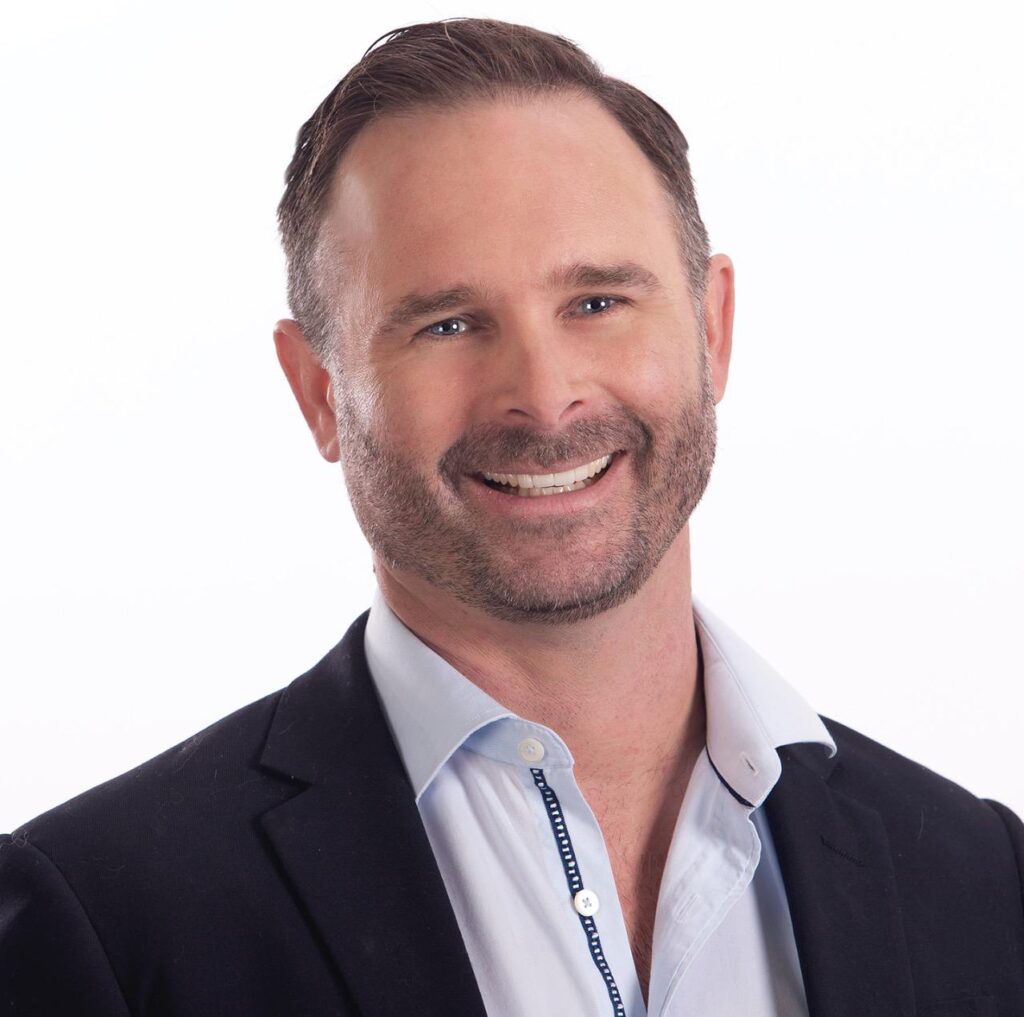
Chris Small, M.D. Addiction Psychiatrist. Dr. Small is board certified in Psychiatry, Addiction Medicine, and Family Medicine. He earned his medical degree at the University of Hawaii and completed his residency in Psychiatry and Family Medicine at UCSD.
Residential treatment is live-in addiction care where you stay on-site with 24-hour clinical support while you focus entirely on recovery. It is the most immersive level of care, offering more structure and support than any outpatient program because you are removed from the triggers of daily life.
The residential program runs about 30 days for most people, though it can be shorter or extend to several weeks longer depending on clinical need. Your care team sets the length based on your progress, not a fixed calendar.
Inpatient rehab means living on-site with 24-hour care, while outpatient rehab means attending treatment during the day and living at home. Inpatient is more intensive and better suited to early recovery or severe addiction, while outpatient works once someone has the stability to recover alongside daily life.
Often, yes. If you are physically dependent and facing withdrawal, medical detox usually comes first, and most people move into residential care directly after completing it. A clinical assessment determines the right starting point.
Most people step down from residential care into a partial hospitalization or intensive outpatient program, then into sober living or alumni support. The residential team plans that next step before discharge so recovery continues without a gap.
Residential care is more intensive than outpatient care, and cost depends on your insurance and length of stay. Most of the cost is typically covered when treatment is authorized, and an admissions specialist can confirm your coverage and any self-pay options before you commit.
A luxury rehab pairs the same clinical treatment with a comfortable, private setting and amenities such as private rooms, chef-prepared meals, and fitness and recreation facilities. The purpose is not indulgence but retention: a comfortable environment helps people stay through the hardest early weeks, when leaving treatment early is the biggest risk.
If you or someone you love needs drug or alcohol treatment in Los Angeles, call (833) 781-8338 now to speak with an admissions coordinator. The team will verify your insurance in about 15 minutes, recommend the right level of care after a brief assessment, and arrange same-day placement when you are ready to start. You can also submit the insurance verification form on this page and a coordinator will call you back. Every conversation is confidential, with no obligation to enroll.
Talk to a consultant:
+1 (833) 781-8338