
Sober living for Northridge, CA is available at Simonds Recovery Center, structured substance-free housing in neighboring Granada Hills, minutes from the community. Residents live in a supportive home with recovery expectations and a direct connection to clinical care, so the move from treatment back into daily life happens with support rather than on its own. Because the residence borders Northridge, it keeps recovery close to home. Beds are limited, so call (833) 781-8338 to check current availability.
Talk to a consultant:
+1 (833) 781-8338


Woodland Hills sits in the southwestern San Fernando Valley, a community of roughly 79,000 residents bordered by Tarzana, Canoga Park, Winnetka, West Hills, and Calabasas, with the Santa Monica Mountains to the south. Simonds Recovery Center is located in Granada Hills, in the northern Valley, an accessible drive from Woodland Hills by way of the 101 and the surrounding Valley routes. For residents of the west Valley, that keeps structured addiction treatment within reach without leaving the region.
Staying close to home matters for recovery. A Woodland Hills resident in treatment can keep family nearby, hold onto work in and around Warner Center, and move through outpatient care without a long commute across the county. Treatment that stays within the Valley is easier to begin and easier to sustain, which is often what makes the difference in the first months of recovery.
Talk to a consultant:
+1 (833) 781-8338
Simonds provides the full continuum of addiction treatment for Woodland Hills residents, delivered on one campus so a person can move between levels without changing providers. The levels of care include:
Each level connects to the next, so a person who begins in detox can continue through residential care, step down to outpatient, and move toward independent living within one program. A resident unsure which level fits can call (833) 781-8338 for a clinical recommendation.
Talk to a consultant:
+1 (833) 781-8338



Treatment begins with a clinical assessment that sets the level of care, the length of stay, and the therapies involved. From there, most people move through the continuum: detox to stabilize the body, residential or PHP for intensive treatment, IOP as structure is reduced, and sober living or aftercare to support the return to daily life in Woodland Hills.
Each stage combines individual therapy, group therapy, and evidence-based clinical work, delivered by a team that includes licensed physicians and addiction psychiatrists, with round-the-clock support during detox and inpatient care. The therapies used include cognitive behavioral therapy, dialectical behavior therapy, family involvement, and medication-assisted treatment where it fits. Length of stay is set by clinical need rather than a fixed calendar, and every substance behind most local admissions, alcohol, fentanyl, heroin, methamphetamine, cocaine, prescription opioids, and benzodiazepines, is treated with a plan matched to it.
Talk to a consultant:
+1 (833) 781-8338
For a Woodland Hills resident, a treatment program within the Valley removes the practical obstacles that keep people from starting or finishing care. A program across the county means a long drive for family visits, a hard commute for outpatient sessions, and a return, after treatment, to a community the person has been away from for weeks. A program a short drive up the 101 avoids all three.
This matters most during outpatient care and the transition back to daily life. IOP means attending several sessions a week while living at home, which only works when the facility is reachable. Sober living and aftercare keep a person connected to the recovery community they will rely on long-term. Keeping all of it within the Valley, close to Woodland Hills, is what makes the full arc of treatment sustainable rather than something a person starts and struggles to continue.
Rehab serving Woodland Hills is for adults who need structured, medically supported treatment for a substance use disorder rather than an occasional outpatient visit. Most people entering the program are dependent on alcohol, opioids such as fentanyl or heroin, stimulants such as methamphetamine or cocaine, or prescription medications, and many are also managing a mental health condition alongside the addiction.
Woodland Hills is a working, family-centered community, and treatment has to fit real lives. Some people entering care are professionals working in and around Warner Center who need a schedule that protects their job. Some are parents who cannot disappear for weeks. Some are stepping down from a hospital stay or an emergency detox and need to continue care right away. The program treats adults, and each plan is built around the individual after a clinical assessment rather than fit to a fixed template, which is what lets it work for the range of people the west Valley sends into treatment.
Talk to a consultant:
+1 (833) 781-8338
Simonds is in-network with TriWest and TRICARE and works with most major insurance carriers on an out-of-network basis, and we verify benefits in about 15 minutes. We do not accept Medicaid, Medicare, or Medi-Cal. Most commercial plans cover addiction treatment with prior authorization, and coverage typically spans detox, residential, PHP, and IOP, though the specific days and out-of-pocket cost depend on the plan. The admissions team confirms what a plan covers before treatment begins, so the cost is clear before care starts.
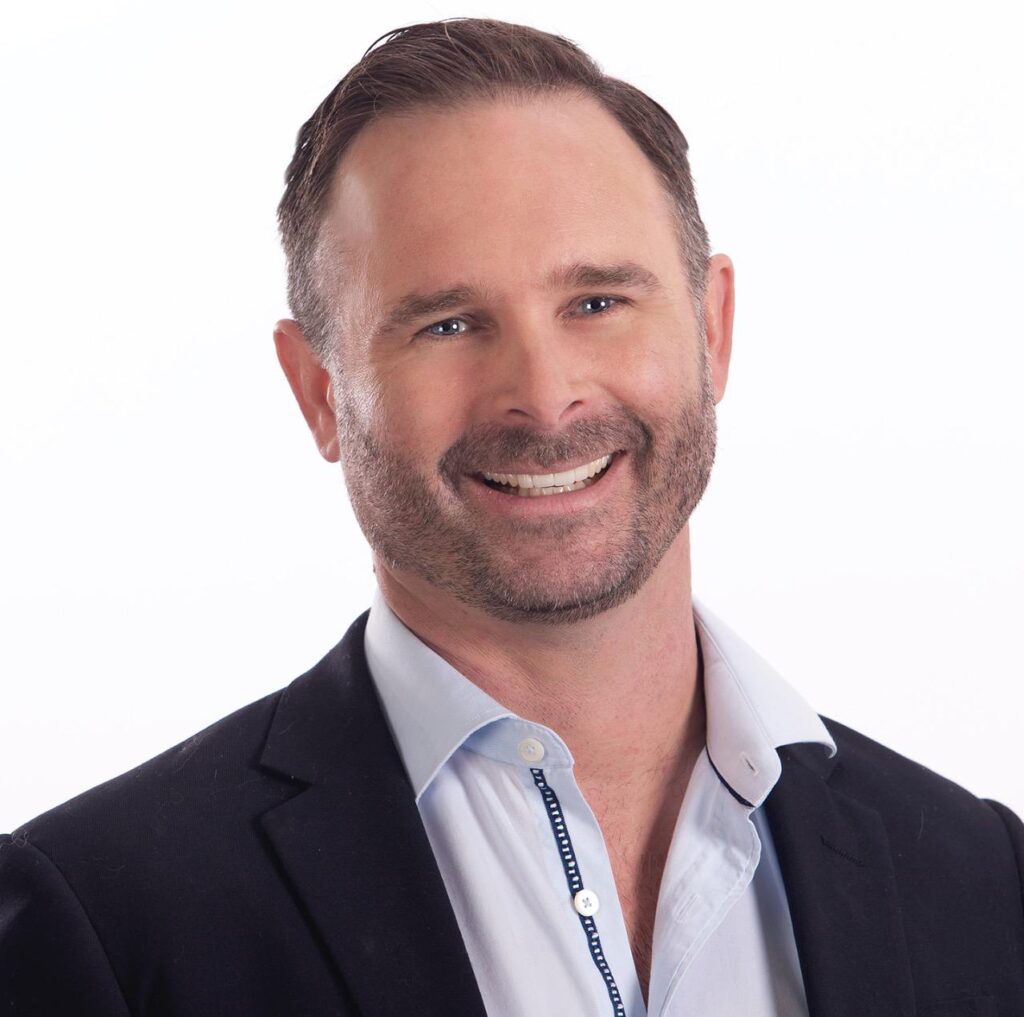
Chris Small, M.D. Addiction Psychiatrist. Dr. Small is board certified in Psychiatry, Addiction Medicine, and Family Medicine. He earned his medical degree at the University of Hawaii and completed his residency in Psychiatry and Family Medicine at UCSD.
The facility is in Granada Hills, in the northern San Fernando Valley, an accessible drive from Woodland Hills by way of the 101 and connecting Valley routes. It serves Woodland Hills and the wider west Valley, including Tarzana, Canoga Park, and West Hills.
Simonds offers medical detox, residential and inpatient treatment, partial hospitalization (PHP), intensive outpatient (IOP), and sober living, all on one campus, so a person can move between levels without changing providers.
It depends on the substance and the level of dependence. Alcohol and benzodiazepine withdrawal usually require medical detox first, while other situations may not. The clinical assessment determines whether detox is needed before residential or outpatient care.
Most commercial plans cover addiction treatment with prior authorization. Simonds is in-network with TriWest and TRICARE and works with most major carriers out-of-network, and benefits are verified in about 15 minutes. Medicaid, Medicare, and Medi-Cal are not accepted.
Same-day placement is available for many people. Call (833) 781-8338 and an admissions coordinator can verify insurance, complete the assessment, and arrange intake, often the same day.
If you or someone you love in Woodland Hills needs drug or alcohol treatment, call (833) 781-8338 now to speak with an admissions coordinator. The team will verify your insurance in about 15 minutes, recommend the right level of care after a brief assessment, and arrange same-day placement a short drive from home. You can also submit the insurance verification form on this page for a callback. Every conversation is confidential, with no obligation to enroll.
Talk to a consultant:
+1 (833) 781-8338