






Sober living gives you a substance-free home that bridges the gap between intensive treatment and independent living. You’ll maintain abstinence, follow house rules like curfews and chores, and attend recovery meetings. This structure builds accountability, healthy routines, and peer support during a vulnerable time. It’s not medical treatment, but it reinforces the skills you’ve learned in rehab. Whether you’re stepping down from residential care or seeking stability, there’s more worth knowing below.
Key Takeaways
- Sober living is a substance-free residence that supports recovery and reinforces long-term sobriety through structure and accountability.
- It serves as transitional housing between intensive treatment and fully independent living, ideal for those recently discharged from rehab.
- Residents follow house rules like abstinence, curfews, chore requirements, drug testing, and mandatory recovery meeting attendance.
- Daily routines and peer support build healthy habits, responsibility, and independent living skills for lasting recovery.
- Stays typically range from a few months to a year, benefiting anyone needing stability and relapse prevention.
What is sober living

Sober living is a substance-free residence designed to support you as you recover from drug or alcohol use. Sober living homes give you a stable environment that reinforces your sobriety and helps protect your long-term recovery.
Most often, sober living serves as transitional housing, a bridge between intensive treatment and fully independent living. If you’ve recently completed rehab, it can ease that shift. But you don’t have to be newly discharged to benefit; some homes welcome anyone who still needs a recovery-focused setting.
It’s important to understand what sober living isn’t. It’s not inpatient rehab or a medical treatment center. Instead, it offers you structure, accountability, and peer support while you rebuild your life and stay grounded in recovery.
How a sober living home works
A sober living home works by combining shared housing, peer support, and clear house rules that hold you accountable. You live alongside others in recovery, maintaining abstinence from alcohol and drugs while following daily routines that build healthy habits and responsibility. Expect structure: curfews, chore requirements, and often attendance at recovery meetings or mutual-help groups.
Supervision varies. Some homes are peer-run, while others operate under clinical oversight. Because clinical services are usually limited or absent, you’ll typically attend outpatient care separately, and the home supports that participation rather than replacing it.
This environment reduces your exposure to triggers from previous living situations, strengthens accountability, and helps you rebuild independent living skills. Rule enforcement protects the recovery-focused setting everyone depends on for stability.
What the house rules and structure involve
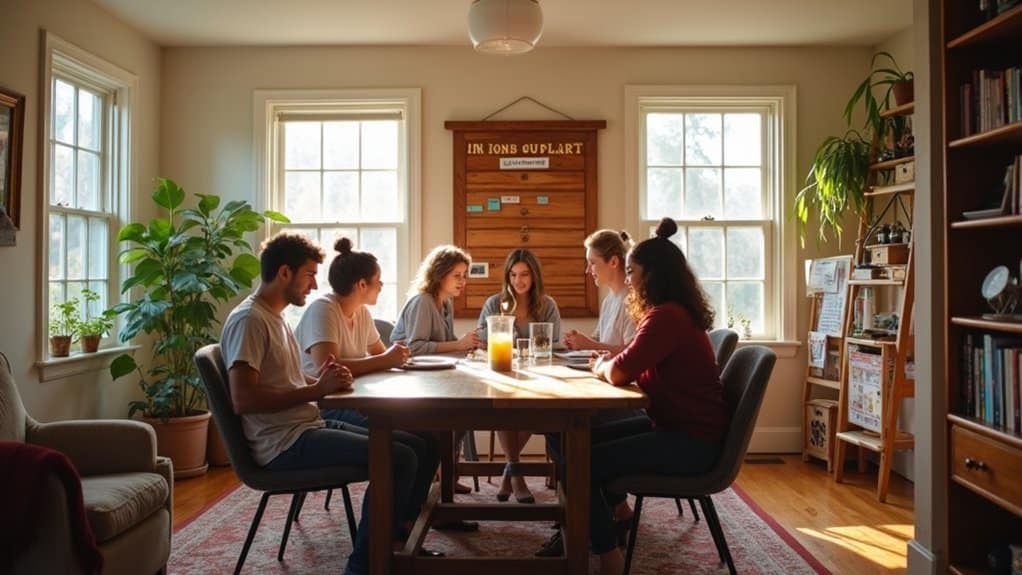
House rules shape your daily life by giving your recovery a predictable framework. In most sober living homes, you’ll agree to abstain from alcohol and drugs, and you may complete regular drug testing to reinforce accountability. You’ll follow a curfew, which supports consistent routines and safer nights. You’ll also share responsibilities, taking on chores that keep the home functioning and build your sense of ownership.
Many homes ask you to attend recovery meetings or community support activities, connecting you with peers who understand early recovery. When someone breaks a rule, consequences help protect the recovery-focused environment for everyone. This structure isn’t meant to punish you. It’s designed to strengthen your stability, rebuild daily living skills, and keep you accountable as you move toward independence.
Who benefits from sober living
Sober living benefits people at different stages of recovery, particularly those transitioning from intensive treatment or needing added support to prevent relapse.
| Who Benefits | How Sober Living Helps |
|---|---|
| People leaving inpatient or residential treatment | Provides a step-down setting between care and independence |
| Those at risk of relapse | Offers structure and accountability to maintain sobriety |
| People rebuilding daily routines | Supports practice of independent living skills |
| Individuals in unsafe home environments | Delivers safer, recovery-focused housing |
If you’re continuing outpatient care and want peer support, sober living can bridge the gap. It’s designed for anyone who benefits from stability, connection, and a substance-free environment.
How sober living fits into the recovery journey

Sober living fits between intensive treatment and fully independent living. After you complete inpatient or residential care, you often need a stable, substance-free environment to practice what you’ve learned before returning home. Sober living gives you that space.
Your recovery journey typically moves through distinct stages:
Recovery unfolds in stages, each building on the last as you move toward lasting independence.
- Intensive treatment, inpatient or residential care addressing acute needs and stabilization.
- Transitional housing, sober living, where you rebuild routines while attending outpatient care and meetings.
- Independent living, applying your skills with lasting recovery-focused habits.
How long people typically stay
Most people stay in sober living anywhere from a few months to a year or longer, depending on your recovery needs, stability, and progress. What matters most is how ready you feel to maintain sobriety independently.
Research suggests that longer stays often correlate with better outcomes, giving you more time to strengthen routines, rebuild daily living skills, and solidify peer connections. You shouldn’t rush the process simply to meet an arbitrary deadline.
As you gain confidence, stability in employment, and consistent participation in outpatient care or mutual-help meetings, you’ll recognize when you’re prepared to transition. Your progress, not a calendar, should guide that decision, ensuring your foundation for long-term recovery is genuinely secure.
How Simonds Recovery Centers supports sober living
Simonds Recovery Centers supports sober living by connecting you with recovery-focused housing that reinforces the skills you’ve built, helping you bridge the gap between intensive care and independence with stability, structure, and genuine community.
Our approach emphasizes:
- Structured accountability, We support consistent routines, house expectations, and abstinence to help you maintain progress.
- Peer connection, We foster a community where you stay connected to others who understand early recovery.
- Continued care coordination, We help you align sober living with outpatient treatment, mutual-help meetings, and employment goals.
Build a Stronger Routine After Treatment
Leaving structured treatment does not mean recovery support has to stop. A sober living environment can provide accountability, daily structure, and a substance-free place to practice the skills you developed in treatment. Simonds Recovery Centers can help you explore outpatient addiction treatment that can complement a sober living arrangement and provide continued clinical support as you transition toward greater independence.
Call (833) 781-8338 to discuss continuing care and find out which treatment option fits your stage of recovery.
Frequently Asked Questions
How Much Does Sober Living Typically Cost per Month?
Sober living costs vary considerably based on location, amenities, house rules, room arrangements, and the level of supervision provided. There is no standard monthly rate that applies to every residence. Ask each home for a complete breakdown of rent, deposits, utilities, transportation, testing, and other fees before moving in so you can compare the actual cost of living there.
Does Insurance Cover the Cost of Sober Living Homes?
Health insurance generally does not cover the housing cost of a sober living home because sober living is typically a residential recovery environment rather than a medical treatment service. However, your insurance may cover separate clinical services, such as therapy or outpatient addiction treatment, depending on your plan. Check your benefits and ask the residence about its payment requirements before making arrangements.
Can I Bring My Pet to a Sober Living Home?
Pet policies vary between sober living homes. Some residences allow pets, while others prohibit them because of allergies, shared living arrangements, property rules, or other concerns. If bringing a pet is important, ask about the policy before applying and confirm whether there are additional deposits, fees, or rules for caring for the animal.
What Happens if a Resident Relapses While Living There?
The response to a relapse depends on the home’s policies and the circumstances involved. Some homes may require a resident to leave, while others may encourage the person to return to treatment or receive a higher level of care. A relapse can also indicate that the current recovery plan needs to be reassessed. Before moving into a sober living home, ask how it handles substance use, drug testing, treatment referrals, and return-to-residence policies.
Are Sober Living Homes Separated by Gender?
Many sober living homes operate separate residences for men and women, although policies vary by provider. Some homes may offer co-ed or other arrangements. When choosing a residence, ask about the gender structure, privacy arrangements, house rules, and whether the living environment matches your recovery needs.