





Yes, 7-OH tablets pose significant dependence and misuse risks you shouldn’t ignore. The compound binds to your brain’s mu-opioid receptors with 10 times greater affinity than mitragynine, triggering rapid tolerance development within days of regular use. You’ll likely notice warning signs like needing higher doses, experiencing muscle aches and anxiety between doses, and intense cravings. Understanding the full scope of these risks can help you make informed decisions about your health.
Understanding 7-OH Potency Compared to Traditional Kratom
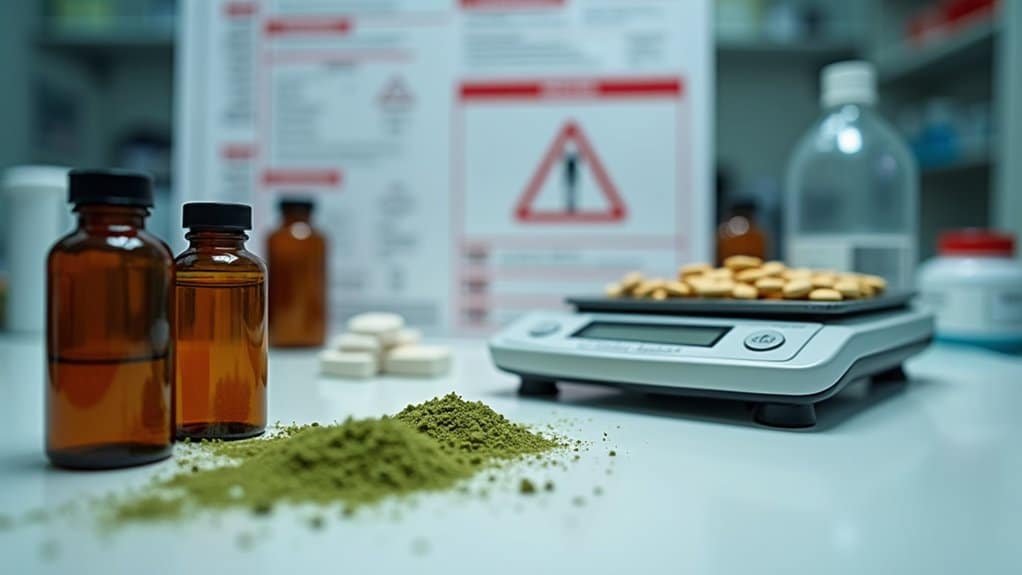
Research shows 7-OH is 13 times more potent than morphine and 46 times stronger than mitragynine. This means you’ll experience rapid-onset sedation and euphoria at much smaller doses than whole-leaf kratom requires.
These potency differences create significant overdose danger concerns. Unlike traditional kratom’s gradual effects, concentrated 7-OH produces strong opioid-like responses, including respiratory depression. You’re not consuming a natural plant product; you’re taking a refined compound with unpredictable dosing and amplified risks. While traditional kratom powder contains only about 1% mitragynine and at most 0.1% 7-OH, concentrated products bypass these natural self-limiting factors that would otherwise restrict intake due to the bitter taste of consuming large amounts of leaf powder. Because individuals may respond differently to traditional Kratom vs 7-OH-enriched products, personal tolerance variations make standardized dosing especially dangerous with these concentrated formulations. The body quickly adapts to 7-OH’s effects, meaning users often find themselves requiring higher doses over time to achieve the same level of sedation and pain relief.
How 7-Hydroxymitragynine Activates Opioid Receptors in the Brain
When you take 7-hydroxymitragynine, it binds directly to mu-opioid receptors in your brain with high affinity, approximately 10 times more potently than mitragynine itself. As a partial agonist, 7-OH activates these receptors but produces a ceiling effect, meaning it can’t generate the same maximum response as full agonists like morphine. This partial activation still triggers significant brain effects, including potent analgesia that peaks within 15 minutes and lasts over two hours in preclinical studies. Research has shown that 7-hydroxymitragynine is actually formed from mitragynine through metabolic conversion in mouse and human liver, with brain concentrations sufficient to explain the analgesic activity of the parent compound. This metabolic conversion is specifically mediated by cytochrome P450 3A isoforms, which play a crucial role in determining how the body processes these compounds. Recent studies on C11-substituted analogs like 11-F-7OH demonstrate reduced efficacy at opioid receptors, suggesting these modified compounds may offer pathways to safer opioid therapeutics with fewer adverse effects.
Mu-Opioid Receptor Binding
Although 7-hydroxymitragynine shares structural similarities with other kratom alkaloids, its binding affinity to μ-opioid receptors (MOR) far exceeds that of its parent compound mitragynine, demonstrating approximately 22-fold greater potency as a MOR agonist.
When you consume 7-OH tablets, the compound binds to MOR with an affinity of 37 (± 4) nM, initiating G protein-coupled signaling cascades. This binding triggers adenylyl cyclase inhibition, reducing cAMP formation and producing analgesic effects. Your receptor expression levels influence response intensity, while repeated exposure affects receptor desensitization dynamics. Research demonstrates that 7-OH-MIT provides 13 times greater pain relief than morphine in guinea-pig ileum studies, underscoring its remarkable analgesic potency.
Importantly, 7-hydroxymitragynine functions as a G protein-biased agonist, selectively activating G protein pathways while minimizing β-arrestin recruitment. This bias distinguishes it from traditional opioids. Functional assays confirm potent agonist activity with 70% efficacy compared to DAMGO controls, establishing clinically significant MOR engagement. Due to these potent receptor interactions, the FDA has taken steps to restrict the sale of 7-OH and push for its scheduling under the Controlled Substances Act.
Partial Agonist Brain Effects
Unlike full opioid agonists such as morphine, 7-hydroxymitragynine functions as a partial agonist at μ-opioid receptors, meaning it activates these receptors but produces a submaximal response even at saturating concentrations. Studies show its maximal efficacy ranges from 14% to 47% depending on assay conditions, comparable to buprenorphine’s profile.
Your body converts mitragynine to 7-hydroxymitragynine through CYP3A liver enzymes, and metabolite bioavailability directly influences brain receptor activation. Tissue distribution considerations matter substantially; 7-hydroxymitragynine reaches brain concentrations sufficient to account for nearly all observed analgesic effects following kratom consumption.
This compound demonstrates G protein, biased signaling, preferentially activating pain-relieving pathways over β-arrestin recruitment. While this profile may theoretically reduce certain adverse effects, you shouldn’t interpret partial agonism as inherently safe, since potent receptor binding still drives meaningful opioid activity.
Warning Signs of Physical Dependence on 7-OH Tablets

Physical dependence on 7-OH tablets typically manifests through a recognizable cluster of warning signs that emerge when you reduce or stop using the substance. You’ll notice muscle aches, nausea, and insomnia within 6, 12 hours of your last dose. Anxiety, irritability, and intense cravings signal your body’s adaptation to the compound.
| Physical Signs | Emotional Signs | Functional Signs |
|---|---|---|
| Muscle aches, sweating | Anxiety, depression | Sleep disruption |
| Nausea, diarrhea | Mood swings, agitation | Reduced work performance |
| Tremors, chills | Intense cravings | Social withdrawal |
Recognizing these symptoms early allows you to implement effective tapering strategies under medical supervision. Managing cravings becomes critical during the acute phase, typically peaking between days one and three. The compound’s high binding affinity to μ-opioid receptors contributes significantly to its addictive potential, making dependence develop more rapidly than with regular kratom use. Unlike typical opioid withdrawal that resolves within about a week, 7-OH withdrawal symptoms can persist for up to 3 months after discontinuation, making recovery particularly challenging. If you’re experiencing these warning signs, professional intervention can greatly improve outcomes.
Tolerance Development and Dose Escalation Patterns
Beyond the immediate withdrawal symptoms, your body’s neurological adaptation to 7-OH creates a predictable tolerance trajectory that drives dose escalation. 7-OH binds to mu-opioid receptors with 14, 22 times the affinity of morphine, producing intense tolerance pressure through receptor desensitization and downregulation.
You’ll likely notice needing higher doses within days of regular use. Starting doses of 5, 10 mg often double quickly as your receptors adapt. The short 3, 6 hour effect window encourages stacking doses, compounding daily exposure beyond recommended 20 mg limits. Homeostatic mechanisms trigger compensatory changes in your brain chemistry that further accelerate this diminished response cycle.
Cross tolerance implications extend to other opioids, meaning your 7-OH use affects sensitivity to prescription painkillers. Slow release formulation risks include prolonged receptor occupancy that accelerates tolerance despite blunted peaks. Variable absorption from tablets may prompt premature redosing, further driving escalation patterns resembling prescription opioid dependence. Users often underestimate the grip 7-OH can have due to its concentrated extract formulation, which bypasses kratom’s natural alkaloid balance and intensifies dependence potential. Many kratom products contain enhanced 7-OH without clear labeling, leaving consumers unaware they’re using a substance far more potent and addictive than standard kratom.
Withdrawal Symptoms and Duration After Stopping 7-OH Use

When you stop using 7-OH tablets after regular use, you’ll likely experience a predictable pattern of withdrawal symptoms that typically begins within 6, 12 hours and peaks between days 1, 3. Common symptoms include muscle aches, gastrointestinal distress, anxiety, insomnia, and intense cravings, with the acute physical phase generally lasting 3, 7 days before significant improvement. Many individuals also experience severe fatigue combined with an inability to sleep, creating a frustrating cycle that compounds recovery difficulties. These withdrawal experiences occur because 7-OH binds to opioid receptors in the brain with strength comparable to morphine, creating significant physical dependence. Understanding this protracted recovery timeline, which may extend weeks for psychological symptoms, helps you prepare effective strategies for managing cessation discomfort and reducing relapse risk.
Common Withdrawal Symptoms
Stopping 7-OH tablets after regular use often brings on a predictable pattern of withdrawal symptoms that closely resemble opioid discontinuation. You’ll typically notice symptoms emerging within 6, 12 hours of your last dose, with the peak withdrawal timeline occurring between 24, 72 hours.
| Physical Symptoms | Psychological Symptoms | Behavioral Signs |
|---|---|---|
| Muscle aches and stiffness | Anxiety and irritability | Intense cravings |
| Sweating, chills, runny nose | Depressive mood crashes | Restlessness |
| Nausea, vomiting, diarrhea | Emotional lability | Inability to remain still |
| Tremors and jerky movements | Insomnia despite exhaustion | Reduced daily functioning |
Managing dehydration risk becomes critical when gastrointestinal symptoms intensify during peak withdrawal. You should monitor fluid intake carefully, as vomiting and diarrhea can rapidly deplete electrolytes. Physical symptoms generally improve by days 3, 7, though psychological effects often persist longer. If you experience severe withdrawal symptoms, you should contact the Poison Help Line or visit Poisonhelp.org for immediate assistance, and call 911 if someone becomes unresponsive.
Protracted Recovery Timeline
The acute withdrawal phase you experience during the first week represents only the beginning of a longer recovery process. Unlike traditional opioids with roughly one-week acute courses, 7-OH withdrawal can extend up to three months, demanding extensively longer taper protocols and aftercare.
Your protracted recovery timeline typically follows this pattern:
- Days 1, 7: Peak physical symptoms emerge between 24, 72 hours, then gradually decline
- Weeks 1, 3: Physical symptoms largely resolve while psychological distress persists
- Weeks 4, 8: Protracted cognitive deficits including poor concentration and mental fatigue may impair daily functioning
- Months 1, 3: Severe protracted anhedonia, emotional instability, and trigger-induced cravings can fluctuate unpredictably
Your individual timeline depends on dose history, co-occurring mental health conditions, metabolic factors, and polysubstance use patterns.
Managing Cessation Discomfort
Anyone who stops taking 7-OH tablets after regular use will encounter a predictable sequence of withdrawal symptoms that demand both physical and psychological management.
Physical symptoms typically begin 6, 12 hours after your last dose, peaking between 24, 72 hours with muscle pain, sweating, nausea, and insomnia. Most acute symptoms resolve by days 4, 7.
Effective harm reduction strategies include maintaining hydration, using symptomatic medications like clonidine for autonomic symptoms, and creating a low-stimulus environment. You’ll benefit from gentle movement and structured daily routines during recovery.
Medication assisted treatment options can address severe cases, particularly when cravings and psychological symptoms persist beyond the acute phase. Sleep hygiene interventions and nutritional support help stabilize mood and energy levels as your body recalibrates during the subacute period lasting through week two.
Common Misuse Behaviors and Recreational Abuse Patterns
Misuse of 7-OH tablets often follows recognizable patterns that distinguish recreational abuse from legitimate use. You may notice these behaviors in yourself or others, particularly when 7-OH consumption shifts toward seeking euphoria rather than therapeutic benefit.
Recognizing the shift from therapeutic use to euphoria-seeking is the first step toward understanding 7-OH misuse patterns.
Common misuse patterns include:
- Using 7-OH tablets in social settings specifically to enhance sedative effects or achieve an opioid-like high
- Engaging in polysubstance misuse by combining 7-OH with alcohol, benzodiazepines, or prescription opioids
- Binge consumption of multiple tablets during weekends or days off to maximize recreational effects
- Sourcing high-potency “enhanced” or “extra strength” formulations from multiple vendors
If you’re choosing 7-OH over traditional kratom specifically for its 5-50 times greater mu-opioid receptor potency, this preference signals amplified risk for dependence development and adverse outcomes.
Serious Health Risks and Adverse Effects of High-Potency Tablets
High-potency 7-OH tablets carry substantial physiological risks that escalate with dose and frequency of use. You face respiratory depression at high doses, which can progress to stopped breathing and death. Combining these tablets with alcohol or sedatives considerably amplifies overdose risk; three fatal overdoses in LA County involved this dangerous combination.
Neurological dysfunction risks include seizures, hallucinations, confusion, and difficulty concentrating. You may also experience anxiety, depression, and persistent insomnia that disrupts your daily functioning.
Long term health effects extend beyond your nervous system. Liver toxicity, irregular heart arrhythmias, and heightened blood pressure threaten your cardiovascular health. Gastrointestinal distress, nausea, and reduced appetite compound these dangers. Because tablets contain unverified concentrations, you can’t accurately assess your dose, making every use unpredictable and potentially harmful.
Regulatory Concerns and Public Health Warnings About 7-OH Products
FDA enforcement actions have resulted in seizures worth approximately $1 million, targeting product adulteration concerns across multiple companies. Here’s what regulators want you to understand:
- No FDA-approved 7-OH drugs exist
- 7-OH cannot be lawfully added to foods or dietary supplements
- Products are often misrepresented as kratom, obscuring their true risks
- State health departments warn of severe respiratory depression and possible death
You should avoid all 7-OH-containing products and seek immediate medical attention for suspected overdose.
Dependence Has a Way Out Let Our Clinical Team Show You
The misuse risks associated with 7-OH tablets are real and escalate quickly, making early clinical intervention one of the most important steps you can take right now. Simonds Recovery Center delivers specialized inpatient detox in Los Angeles County designed to address physical dependency in a safe, monitored environment with around-the-clock physician support. Serving individuals across Granada Hills, our +1 (833) 781-8338 team stands ready at any hour to help you begin recovery the right way.
Frequently Asked Questions
Can 7-Oh Tablets Be Detected on Standard Drug Tests?
Standard 5-panel and 10-panel drug tests won’t detect 7-OH tablets because kratom alkaloids aren’t included in routine screening. Drug screening limitations mean you’ll likely pass typical employment tests. However, specialized tablet detection methods using LC-MS/MS can identify 7-OH in urine for up to seven days. If you’re facing court-ordered, military, or kratom-specific testing, detection becomes possible. Some immunoassays may trigger false-positive opiate results, requiring confirmatory testing to distinguish 7-OH from classical opioids.
Are 7-Oh Tablets Legal to Purchase in My State?
You can’t legally purchase 7-OH tablets as dietary supplements or foods in any state; federal law prohibits their sale nationwide. However, state-specific regulations add another layer: states like Alabama, Arkansas, Indiana, and Wisconsin have criminalized kratom compounds entirely, making possession illegal. Your legal purchasing requirements depend on both federal restrictions and your state’s controlled substance schedules. Check your state health department’s current guidance, as enforcement actions and scheduling changes are actively evolving.
How Do 7-Oh Tablets Interact With Prescription Antidepressants?
When you combine 7-OH tablets with antidepressants, you’re facing serious serotonin syndrome risks due to overlapping activity at serotonin receptors, especially with SSRIs, SNRIs, or MAOIs. Additionally, 7-OH inhibits CYP2D6 and CYP3A4 enzymes, potentially raising antidepressant levels to toxic concentrations. You may also experience withdrawal symptoms that mimic depression relapse, complicating your treatment assessment. Consult your prescriber before combining these substances; the interaction profile remains unpredictable and potentially dangerous.
What Treatment Options Exist Specifically for 7-Oh Tablet Addiction?
You have several evidence-based treatment options for 7-OH tablet addiction. Inpatient rehabilitation programs provide 24/7 medical supervision during detox, using buprenorphine to manage withdrawal symptoms safely. Cognitive behavioral therapy helps you identify triggers and develop healthier coping strategies. Your treatment team may recommend medication-assisted treatment combined with individual and group counseling. A stepped approach, moving from detox through outpatient care, supports your long-term recovery and reduces relapse risk.
Is It Safe to Switch From 7-Oh Tablets to Regular Kratom?
Switching from 7-OH tablets to regular kratom isn’t considered safe without medical supervision. You’ll likely experience potential 7-OH withdrawal symptoms including anxiety, muscle aches, and insomnia due to 7-OH’s high potency. While regular kratom is less concentrated, there’s no established safe kratom dosage, and you’d fundamentally be substituting one opioid-like substance for another. Instead, consult a healthcare provider about evidence-based treatments like buprenorphine for managing your dependence safely.