
Joint Commission Accredited · Licensed by California DHCS (#191267AP) · LegitScript Certified
Dual diagnosis treatment at Simonds Recovery Centers addresses addiction and a co-occurring mental health condition at the same time, in one integrated plan. Provided at our facility and overseen by a board-certified addiction psychiatrist, it treats substance use alongside conditions like depression, anxiety, and trauma, because treating only one rarely holds.
What dual diagnosis means
Dual diagnosis means a person has both a substance use disorder and a mental health condition at the same time. It is also called a co-occurring disorder, a term the National Alliance on Mental Illness uses for the same situation. The two conditions are linked: a mental health condition can drive substance use, and substance use can worsen mental health, each feeding the other.
This is common, not unusual. Many people seeking addiction treatment are also living with depression, anxiety, PTSD, or another condition, whether or not it has been formally diagnosed.
Common dual diagnosis examples
Dual diagnosis can take many forms, but a few pairings are especially common. Each reflects the same pattern: a mental health condition and substance use that feed into each other over time. Depression and alcohol often occur together, with alcohol used to numb low mood while deepening it. Anxiety frequently pairs with alcohol or benzodiazepines taken to calm symptoms that then rebound harder. Trauma and PTSD commonly appear alongside opioid or stimulant use, where substances become a way to manage intrusive symptoms. These are examples, not limits; dual diagnosis covers any combination of a substance use disorder and a co-occurring mental health condition.
Why both conditions have to be treated together
Treating addiction and a mental health condition together is what makes recovery hold. When only the addiction is treated, the untreated mental health condition often drives a return to substance use. When only the mental health condition is treated, ongoing substance use undermines the progress. Integrated treatment addresses both at once, which is the approach SAMHSA identifies as best practice for co-occurring disorders.
That is the core of dual diagnosis treatment: one team, one coordinated plan, both conditions handled together rather than passed between separate providers.
Integrated vs. separate treatment
The difference between integrated and separate treatment is who coordinates the care and whether the two conditions are treated as connected. Integrated treatment handles addiction and mental health in a single plan; separate or sequential treatment handles them in isolation, often at different places or one after the other. The table below compares the two.
Integrated vs. separate treatment for co-occurring disorders
| Dimension | Integrated treatment | Separate / sequential treatment |
| Coordination | One team, one plan for both conditions | Different providers, plans not aligned |
| How conditions are viewed | As connected and reinforcing | As unrelated, treated in isolation |
| Timing | Both treated at the same time | One treated, then the other |
| Relapse risk | Lower; root drivers addressed together | Higher; untreated condition can trigger relapse |
| Best for | Most people with co-occurring disorders | Rarely preferred for true dual diagnosis |
Integrated treatment is the recognized standard for co-occurring disorders because the two conditions reinforce each other. Treating them in the same plan, rather than one after the other, is what gives recovery a stable foundation.
Conditions we treat alongside addiction
Dual diagnosis treatment at Simonds Recovery Center addresses substance use alongside co-occurring mental health conditions, including depression, anxiety, and trauma or PTSD. These conditions often appear together with addiction, and each can intensify the other when left untreated.
Because no two people present the same way, treatment starts with understanding both the substance use and the mental health condition, then building a plan that addresses them together rather than separately.
How dual diagnosis treatment works at Simonds
Dual diagnosis treatment begins with a clinical assessment of both the addiction and the mental health condition, so the plan is built around the full picture from the start. Care is overseen by Dr. Chris Small, a board-certified addiction psychiatrist, whose training spans both addiction medicine and psychiatry, the two fields dual diagnosis sits between.
Treatment combines evidence-based therapies such as CBT and DBT with medical care and, where appropriate, medication-assisted treatment. The same approach carries across our levels of care, so the plan stays coordinated whether a person is in a partial hospitalization program (PHP) or an intensive outpatient program (IOP). Medication-assisted treatment (MAT) combines medications like buprenorphine or methadone with therapy to reduce withdrawal symptoms and cravings, supporting long-term addiction recovery.
What dual diagnosis treatment helps with?
Dual diagnosis treatment helps people whose substance use and mental health condition have become difficult to separate. It is the right approach when past attempts to treat only the addiction have not held, when a mental health condition has gone unaddressed, or when both conditions are clearly present at once.
Addressing both together lowers the risk of relapse and gives people a more stable foundation for long-term recovery than treating either condition alone.
Insurance and getting started
Dual diagnosis treatment is part of the care we provide, and most major insurance plans cover treatment for co-occurring addiction and mental health conditions. We work with carriers including Aetna, Blue Cross Blue Shield, Cigna, UnitedHealthcare, Optum, and Humana, among others, and our admissions team confirms your specific benefits before you start.
Verifying benefits takes a few minutes and carries no obligation. Submit the insurance verification form or call +1 (833) 781-8338.
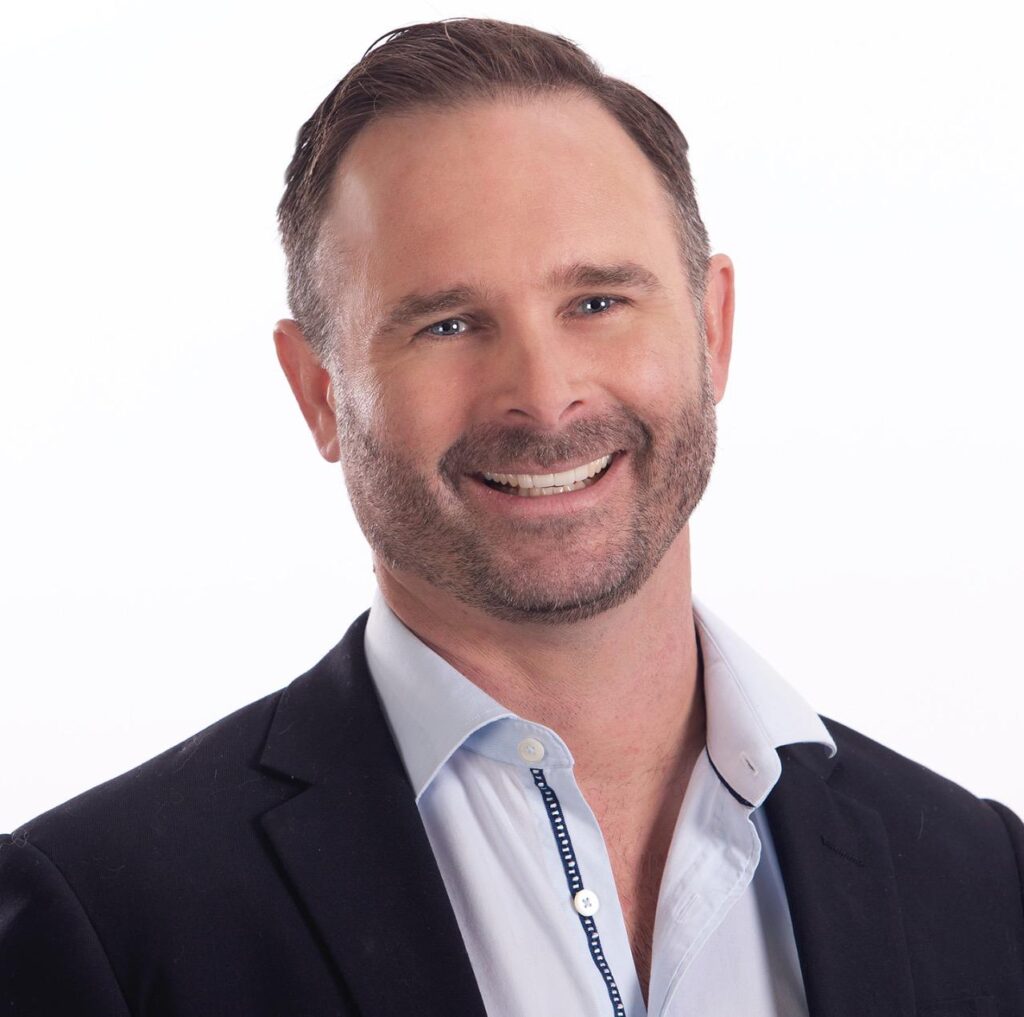
Medically reviewed by
Chris Small, M.D. Addiction Psychiatrist. Dr. Small is board certified in Psychiatry, Addiction Medicine, and Family Medicine. He earned his medical degree at the University of Hawaii and completed his residency in Psychiatry and Family Medicine at UCSD.
Start treatment that addresses both conditions
Talk to our admissions team about dual diagnosis treatment. Call +1 (833) 781-8338 or verify your insurance now.