





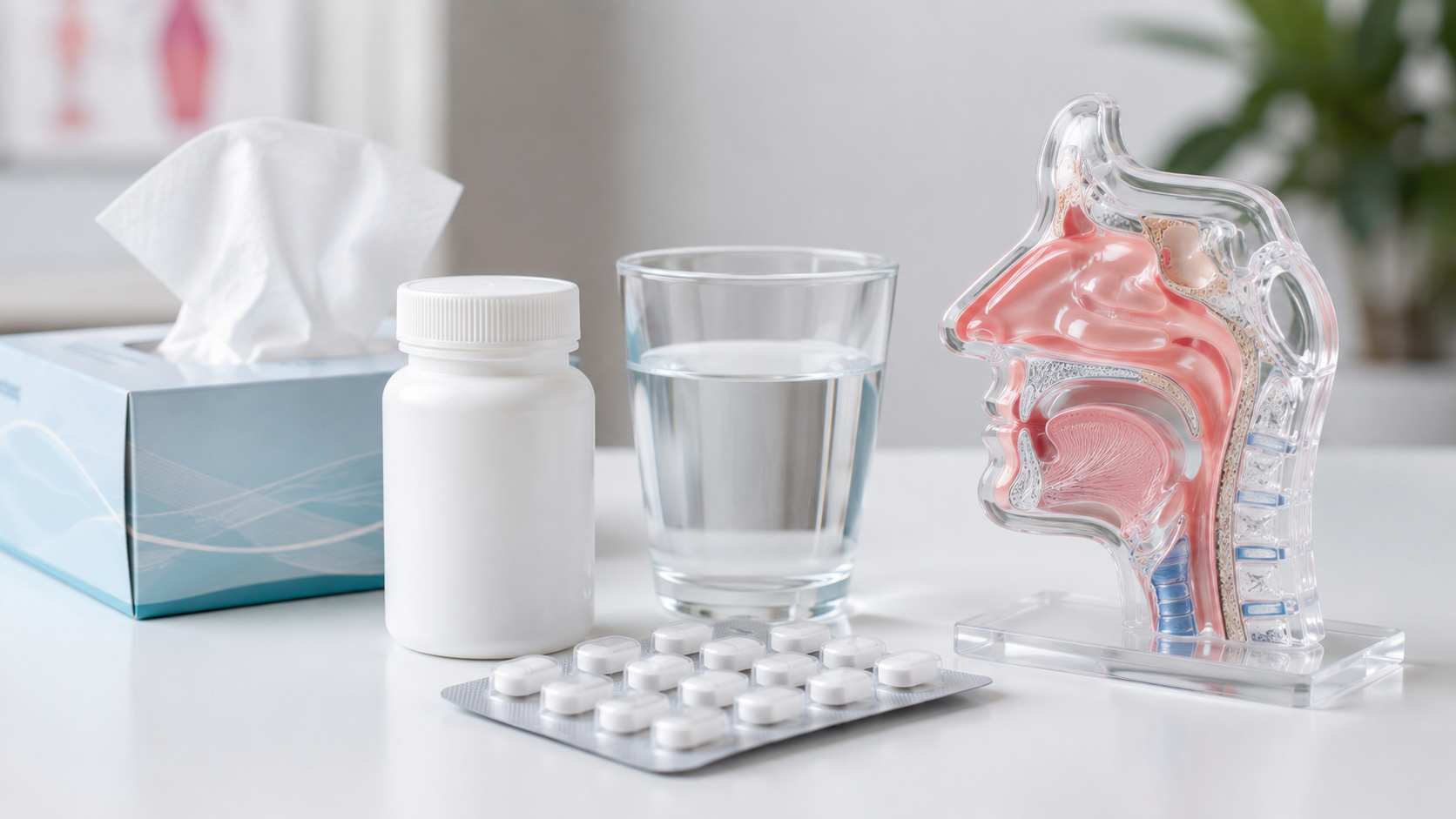

Yes, Benadryl (diphenhydramine) is generally safe for occasional use during pregnancy. It’s an FDA Category B medication, meaning animal studies show no evidence of risk to your baby. Decades of use and large-scale research find no link to birth defects or miscarriage. Still, you’ll want to check with your doctor first, since your health history and trimester can affect the safest choice. Below, you’ll find what matters most before you take it.
Key Takeaways
- Benadryl (diphenhydramine) is generally considered safe for occasional use during pregnancy, classified as FDA Category B with no evidence of birth defect risk.
- Consult your doctor first, as your health history, current medications, and trimester-specific factors can affect the safest option for you.
- Use the lowest effective dose for the shortest duration; typical guidance suggests 25, 50mg every six hours only when needed.
- Avoid daily use or overdoses near delivery, which can cause newborn withdrawal symptoms like tremors and diarrhea.
- Second-generation antihistamines such as loratadine or cetirizine, or non-medication options like nasal rinses, may be recommended alternatives.
Is Benadryl considered safe during pregnancy

Benadryl (diphenhydramine) is generally considered safe for occasional use throughout all three trimesters of pregnancy. It’s classified as an FDA Category B medication, meaning animal studies show no evidence of risk to the baby. The CDC and the American College of Allergy, Asthma & Immunology confirm that extensive testing reveals little to no danger when it’s used appropriately. Large-scale research finds no association between antihistamine use in pregnancy and birth defects. One study reported in the National Library of Medicine even showed no increased chance of miscarriage with early antihistamine use. The medical consensus is reassuring, but you’ll still want to limit use to occasional situations and consult your doctor first.
What is generally known about diphenhydramine use in pregnancy
Diphenhydramine is generally considered safe for occasional use during pregnancy, supported by medical consensus. Because diphenhydramine has been used widely for decades, researchers have gathered substantial data on its safety during pregnancy. The FDA classifies it as Category B, meaning animal studies show no evidence of risk, though human data remains limited. Large-scale research finds no association between antihistamine use and birth defects or harm to your baby. The CDC and the American College of Allergy, Asthma & Immunology confirm that extensive testing shows little to no danger when you use it appropriately. One study reported no increased chance of miscarriage with antihistamine use in early pregnancy. Earlier small studies suggested a possible cleft lip or palate risk, but larger recent studies haven’t confirmed this.
Why you should always check with your doctor first

You should always check with your doctor first because they can weigh your individual health history against the general evidence and guide you toward the safest option for your pregnancy. Even with reassuring safety data, you shouldn’t reach for Benadryl without discussing it with your provider first.
Even with reassuring safety data, always check with your doctor before reaching for Benadryl during pregnancy.
Consulting your doctor helps because they can:
- Assess your specific risks based on your trimester, since third-trimester or near-delivery use carries added considerations.
- Recommend preferred alternatives, like second-generation antihistamines such as loratadine or cetirizine.
- Confirm the lowest effective dose for the shortest duration, limiting use to occasional relief.
- Rule out interactions with other medications or conditions you’re managing.
Diphenhydramine isn’t expected to increase birth-defect risk above background levels, but personalized medical guidance ensures you’re making the safest choice for you and your baby.
What considerations apply by trimester
Considerations by trimester shift as your pregnancy progresses, though Benadryl stays generally safe across all three trimesters. During the first trimester, obstetricians consider it safe, with no increased risk of birth defects even in early gestation. Your doctor may recommend a 25mg to 50mg dose every six hours if needed. In the second trimester, it remains safe when taken as directed, though you’ll typically limit dosing to 25mg every six hours. The third trimester stays generally safe, but daily use or overdoses near delivery can cause newborn withdrawal symptoms like tremors and diarrhea. You’ll want to avoid use during the last two weeks because of a potential risk of eye disease in newborns. Throughout, occasional use at the lowest effective dose is best.
What about Benadryl while breastfeeding

Benadryl is generally considered acceptable for occasional, low-dose use while breastfeeding. Diphenhydramine passes into breast milk in small amounts, and while it’s not linked to serious harm, it can cause drowsiness or irritability in your baby. It may also reduce your milk supply, especially with frequent use. You’ll want to keep an eye on your little one.
| Consideration | Benadryl | Preferred Alternative |
|---|---|---|
| Milk transfer | Small amounts | Minimal |
| Baby drowsiness | Possible | Less likely |
| Milk supply | May decrease | Usually stable |
| Best option | Occasional use | Loratadine/cetirizine |
If you need regular relief, ask your doctor about non-sedating antihistamines like loratadine or cetirizine, which are typically safer choices while nursing.
What non-medication alternatives exist for allergies in pregnancy
Non-medication alternatives for allergies in pregnancy include limiting allergen exposure, rinsing nasal passages, showering after being outdoors, and reducing dust and dander. These approaches reduce your exposure to allergens and ease symptoms without introducing any risk to your pregnancy.
Managing allergies in pregnancy can be as simple as limiting exposure, rinsing nasal passages, and reducing dust, no medication required.
- Limit allergen exposure: Keep windows closed during high-pollen seasons, and use air conditioning with a clean filter to reduce indoor triggers.
- Rinse nasal passages: Use a saline nasal spray or a saline rinse to clear irritants and relieve congestion naturally.
- Shower after being outdoors: Wash pollen from your skin and hair, and change clothes to avoid tracking allergens indoors.
- Reduce dust and dander: Wash bedding weekly in hot water, and minimize contact with pets that trigger your symptoms.
If symptoms persist, talk with your doctor.
How Simonds Recovery Centers supports pregnant individuals with substance concerns
Simonds Recovery Centers supports pregnant individuals with substance concerns by offering specialized care that supports both you and your baby throughout treatment. You’ll work with a team that understands how pregnancy affects both substance use and medication decisions, including questions about medications like Benadryl. Your care plan starts with a thorough assessment, so providers can identify risks and tailor treatment to your trimester and individual needs.
You’ll receive medical monitoring, counseling, and coordinated prenatal care, ensuring your baby’s development stays protected while you address substance concerns. If you’re worried about withdrawal or medication safety, clinicians guide you through evidence-based options and safer alternatives.
You won’t face this alone. Simonds emphasizes compassionate, judgment-free support, helping you build stability for a healthier pregnancy and delivery.
Pregnant and Wondering About Benadryl? Start With Your Doctor.
For an occasional allergy question during pregnancy, your OB or pharmacist is the right call, they can weigh your specific situation in a way no article can. But if the honest issue is that you’ve been leaning on Benadryl to sleep or cope and can’t easily stop, that’s worth naming. Simonds Recovery Centers in Granada Hills helps with that side through a supervised taper and safer strategies for what you were medicating.
Call (833) 781-8338 or verify your insurance. Confidential, seven days a week.
Frequently Asked Questions
Can Benadryl help with morning sickness or nausea during pregnancy?
Benadryl isn’t a first-line treatment for morning sickness, and you shouldn’t assume it’ll help with nausea. It’s an antihistamine intended for allergy symptoms, not a dedicated anti-nausea medication. If you’re struggling with morning sickness, talk to your doctor about options proven for pregnancy nausea, such as vitamin B6 or the doxylamine-pyridoxine combination, which are commonly recommended. Your provider can point you to the right treatment rather than one that isn’t designed for the job.
Does Benadryl interact with prenatal vitamins or other pregnancy medications?
Benadryl isn’t known to interact significantly with standard prenatal vitamins, but it can add to the sedating effect of other medications, including some used in pregnancy, and it crosses the placenta. Because interactions depend on everything else you’re taking, run your full list past your doctor or pharmacist before combining anything. If allergies are the issue, they may suggest a non-sedating alternative like loratadine or cetirizine instead.
Is liquid Benadryl safer than tablets during pregnancy?
No. Both contain the same active ingredient, diphenhydramine, and carry the same safety profile when used as directed. The choice comes down to preference and how easily you can take each form. Whichever you use, stick to the lowest effective dose for the shortest time, and check with your doctor before starting.
Can I take Benadryl for pregnancy-related insomnia?
Occasionally, but regular use as a sleep aid isn’t recommended for anyone, pregnant or not. If you do use it now and then, keep to the lowest effective dose for the shortest time. Because it crosses the placenta and causes drowsiness, it’s better reserved for occasional needs than nightly sleep. Talk with your doctor first, since they can suggest safer strategies for pregnancy insomnia, which is common and often responds to non-drug approaches.
How long does Benadryl stay in your system while pregnant?
Diphenhydramine has a half-life of several hours and generally clears within about a day, though this varies with your metabolism. Because it crosses the placenta, it reaches your baby as well and can cause drowsiness. Occasional use at the lowest effective dose isn’t usually a build-up concern. The exception worth flagging is late pregnancy and labor: diphenhydramine near delivery deserves specific medical guidance, since it can affect the newborn and interact with medications used during labor. Check with your doctor about timing as you approach your due date.