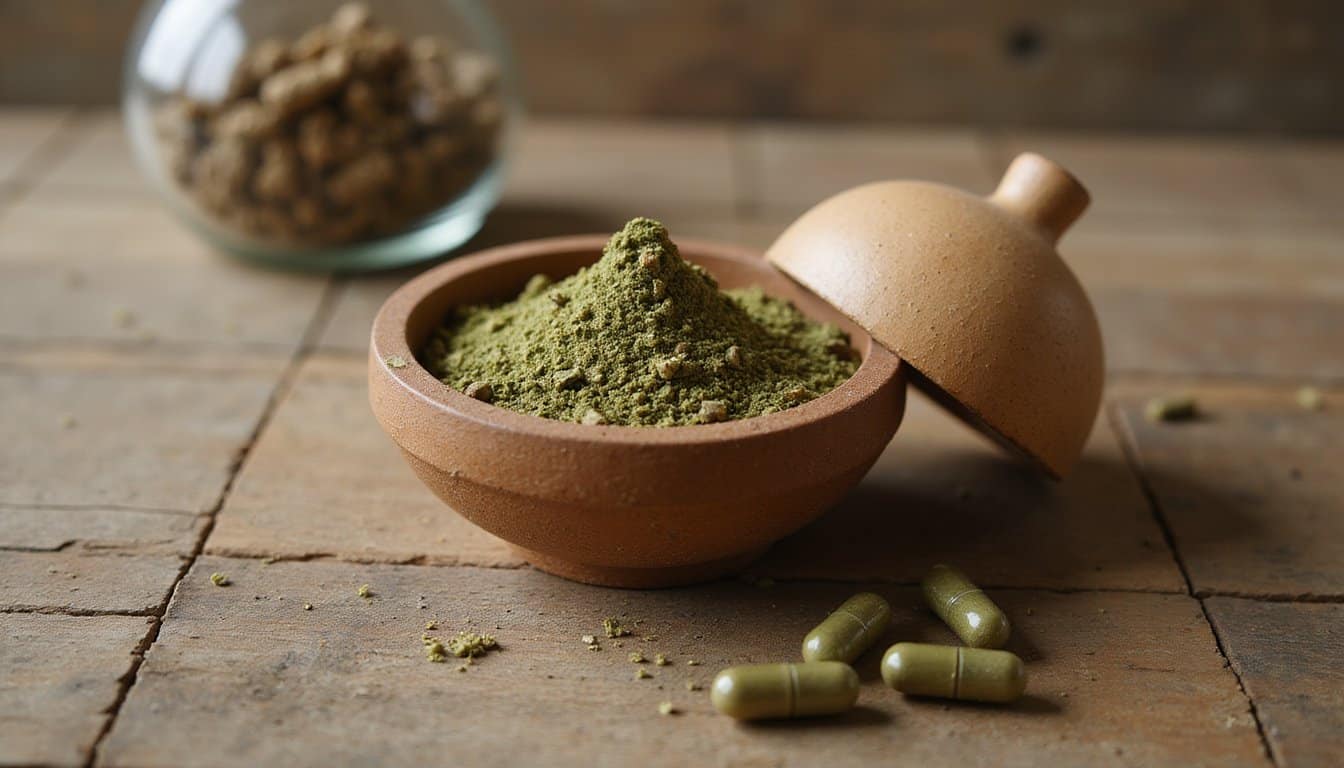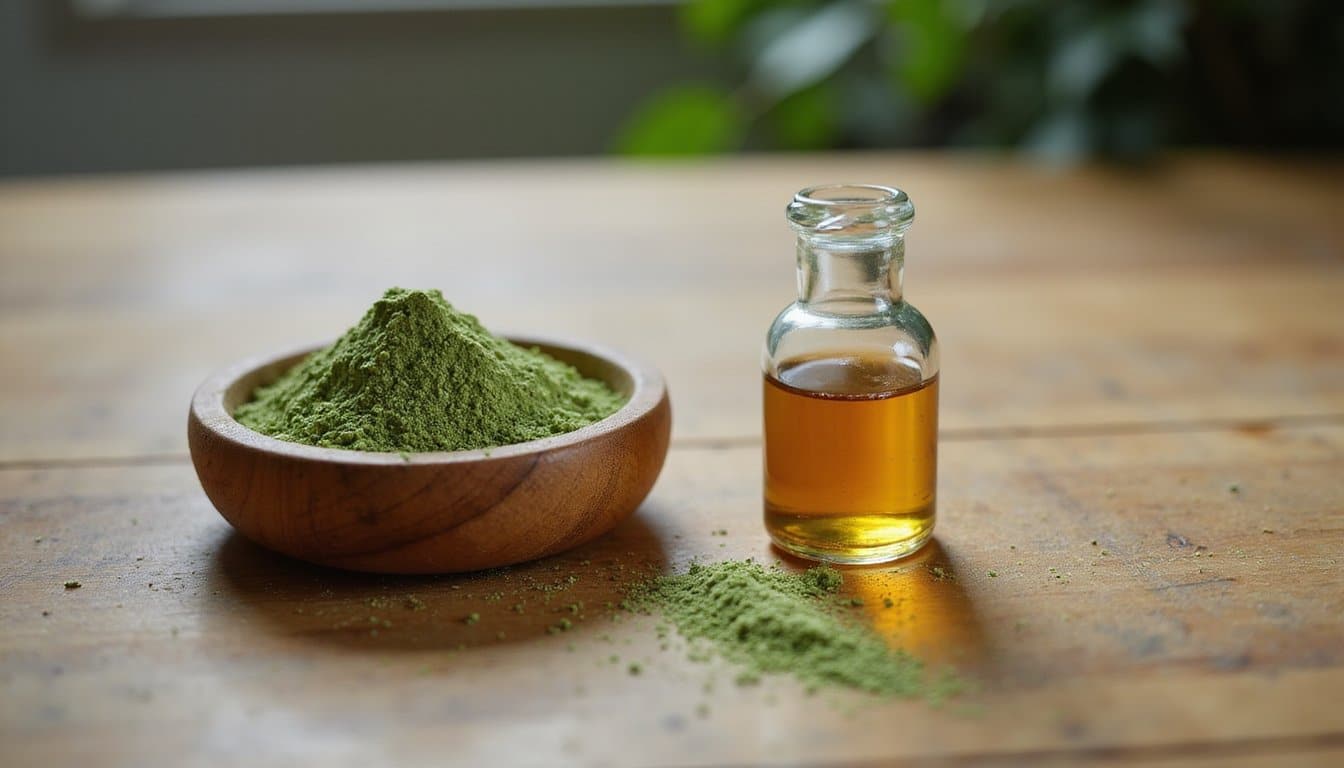






Kratom comes in raw leaves, crushed powder, capsules, and concentrated extracts, and each form delivers different concentrations of mitragynine and 7-hydroxymitragynine, the two alkaloids that bind your opioid receptors. At 1, 5 grams, you’ll feel stimulant effects; above 15 grams, you risk dangerous sedation and opioid toxidrome. Extracts amplify these risks by concentrating alkaloids, accelerating tolerance and dependence. The form you choose also affects your exposure to heavy metals like lead and nickel found in unregulated products. Understanding the different forms of kratom and their risks helps you grasp these factors more fully.
What Kratom Is and Why It’s Risky

Kratom (Mitragyna speciosa) is a tropical evergreen tree native to Southeast Asia whose leaves contain over 50 biologically active compounds, most notably mitragynine and 7-hydroxymitragynine, that bind to opioid receptors in the brain. At low doses, these compounds produce stimulant effects; at higher doses, they trigger sedation, respiratory depression, and opioid-like dependence. A survey of 520 tobacco specialty stores found that over 80% sold kratom in states where it remains legal, underscoring just how accessible these products have become.
When you’re evaluating kratom product types, you should understand that kratom extracts potency varies dramatically across formulations, directly influencing overdose risk. The FDA hasn’t approved kratom for any medical use and warns of seizures, liver toxicity, and addiction. Contamination with Salmonella and heavy metal compounds in kratom products poses further safety risks. Products also interact unpredictably with prescription medications, altering drug metabolism and potentially causing life-threatening complications. The Utah Poison Control Center has reported a rise in kratom-related calls, particularly linked to the emergence of 7-hydroxymitragynine, a compound more potent than morphine that has been associated with increased overdose incidents. Kratom has been linked to dozens of deaths in the U.S. over the past decade, reinforcing that its natural origin does not make it safe.
Why Kratom Dose Levels Change the Risk
Kratom’s effects on your body shift dramatically based on how much you consume. At doses between 1, 5 grams, the active compound mitragynine produces stimulant effects similar to caffeine, increasing alertness and energy with minimal adverse reactions. However, once you exceed 15 grams, kratom mimics an opioid toxidrome, causing sedation, respiratory depression, and severe complications that may require naloxone administration to reverse.
Low-Dose Stimulant Effects
Although kratom products come in many forms, the dose a person takes fundamentally changes how the substance acts in the body. At low doses of 1, 5 grams, low-dose kratom produces stimulant effects by acting on serotonin 5-HT2A and alpha-2 adrenergic receptors rather than triggering opioid-like sedation.
Whether you’re using kratom powder capsules or other kratom consumption methods, effects typically onset within 5, 20 minutes on an empty stomach. You’ll likely experience increased alertness, heightened mood, enhanced sociability, and rapid heart rate lasting 2, 5 hours. However, one-third of users report gastrointestinal symptoms, agitation, and tachycardia even at these doses. Food delays capsule onset by 1, 3 hours, altering your experience. Critically, low-dose stimulation often encourages dose escalation, shifting effects toward opioid activity above 5 grams.
High-Dose Sedation Dangers
You should also recognize that chronic high-dose use builds tolerance, meaning you’ll need progressively more to achieve the same effect while accumulating organ damage. Between 2016 and 2017, at least 90 overdose deaths were attributed to kratom.
Short-Term Side Effects of Kratom Use

When you use kratom, even in lower doses, you’re likely to experience nausea and dry mouth as the active alkaloids interact with opioid receptors in your gastrointestinal tract and central nervous system. Dizziness and excessive sweating frequently accompany these effects, particularly as mitragynine concentrations increase in formulations like extracts or liquid shots. Kratom also elevates your heart rate considerably, poison center data show tachycardia in 22.5% of reported cases, with sinus tachycardia odds 8.6 times higher than baseline.
Nausea and Dry Mouth
Nausea ranks among the most frequently reported short-term side effects of kratom use, with survey data showing it affects roughly 12.75% of respondents who experience negative effects, while U.S. poison control reports from 2011, 2017 cite nausea in 14.7% of adult cases involving kratom alone. Higher doses of mitragynine products activate opioid receptors, disrupting digestive function and triggering nausea alongside vomiting in 5.6, 12.9% of cases.
Dry mouth occurs through kratom’s diuretic properties, which accelerate water loss and reduce saliva production. Across different forms of kratom, this side effect appears consistently, social media analyses show frequent discussions using terms like “dry,” “mouth,” and “water.” Various kratom supplement forms, particularly teas, lower oral pH and weaken enamel, compounding dry mouth‘s effects and increasing cavity risk.
Dizziness and Excessive Sweating
At high doses, kratom triggers opioid-like diaphoresis, excessive sweating that often alternates with chills and accompanies flushing, rapid heart rate, and agitation. Both symptoms appear in approximately 19.4% of users reporting negative reactions in surveys of over 8,000 participants. You’ll face increased risk when combining kratom with alcohol or consuming concentrated extracts, as these amplify neurological and autonomic responses that drive dizziness and sweating simultaneously.
Elevated Heart Rate
Because kratom’s primary alkaloid mitragynine stimulates cardiovascular activity, increased heart rate ranks as the most commonly documented acute cardiovascular side effect of kratom use. At low doses, you’ll experience stimulant-like effects that trigger dose-dependent tachycardia. ECG studies confirm sinus tachycardia occurs markedly more in kratom users than controls (OR = 8.61, p = 0.035).
| Data Source | Tachycardia Incidence | Context |
|---|---|---|
| Clinical ECG study | 8% of participants | ~434 mg daily mitragynine intake |
| Poison control reports | 21.4, 30.4% of cases | Acute adverse event documentation |
| User population estimates | Up to 33% | Broad adverse effect reporting |
Your risk increases proportionally with dose, and conduction defects occur in approximately 2.8% of documented cases.
Kratom and Your Brain: Psychosis, Seizures, and Depression

While kratom’s opioid-like and stimulant properties may seem appealing at low doses, higher or chronic doses can trigger serious psychiatric and neurological harm, including psychosis, seizures, and depression. At low doses, kratom overstimulates dopamine and serotonin pathways, mimicking cocaine’s mechanism and potentially inducing paranoid delusions. At high doses, mu-opioid receptor agonism by mitragynine and 7-hydroxymitragynine can inhibit antipsychotic medications through D2 receptor binding.
Research confirms these risks aren’t theoretical. In Malaysian studies, 4% of regular users reported psychotic symptoms. Case reports document hallucinations, delusions of grandeur, and aggression following escalated use. The National Poison Data System links kratom to seizures across thousands of cases. Long-term use carries additional risk of depression and severe mood disturbances that compound existing psychiatric vulnerabilities.
How Long-Term Kratom Use Damages Your Organs
Kratom’s damage doesn’t stop at your brain, it systematically breaks down your organs with prolonged use. Mitragynine and 7-hydroxymitragynine accumulate in hepatic and renal tissue, triggering dose-dependent toxicity across multiple organ systems.
Clinical evidence documents these specific organ injuries:
- Liver: Mixed hepatocellular-cholestatic injury develops with a latency averaging 21 days, presenting as raised enzymes, jaundice, and persistent cholestasis.
- Kidneys: Acute tubular necrosis produces oliguric renal failure, with muddy brown casts confirming direct tubular damage.
- Gastrointestinal tract: Pancolitis causes extensive mucosal ulceration, sometimes requiring subtotal colectomy.
- Heart: Heavy daily use drives left ventricular hypertrophy, cardiomyopathy, and coronary atherosclerosis.
You’re not risking one organ, you’re exposing your entire body to cumulative, multiorgan toxicity that worsens with each dose.
Addiction, Dependence, and Withdrawal Risks
Though kratom is often marketed as a natural supplement, its alkaloids bind directly to mu-opioid receptors, producing the same neurochemical cycle of tolerance, dependence, and withdrawal that drives opioid addiction. Nearly 80% of regular users can’t quit without professional help, and high doses accelerate dependence by amplifying opioid-like effects.
You’ll recognize dependence through escalating tolerance, cravings between doses, and continued use despite mounting consequences. Withdrawal mirrors opioid detox: muscle aches, irritability, diarrhea, depressed mood, and panic, with severe symptoms affecting half of dependent users.
Your risk compounds if you’re using kratom alongside other substances, consuming concentrated extracts, or exceeding the intended duration. Approximately 1.9 million Americans used kratom in 2022, and the DEA classifies it as a Drug and Chemical of Concern. Finding the strongest kratom strains for beginners can help ease the transition into using this substance safely.
Heavy Metals and Bacteria in Kratom Products
Because kratom products bypass the quality controls required of regulated pharmaceuticals, they frequently harbor dangerous contaminants, heavy metals and pathogenic bacteria, that compound the drug’s inherent risks. FDA testing of 30 kratom products revealed lead and nickel concentrations far exceeding safe daily oral exposure limits, particularly in heavy users.
Key contamination findings include:
- Maeng Da from Kratom Spot contained nickel at 20,100 ng/g, among the highest detected levels.
- RockStar Hippo Maeng Da White measured lead at 1,400 ng/g, posing cumulative neurotoxic and nephrotoxic risk.
- Salmonella contamination in kratom products has been linked to over 35 deaths per FDA reports.
- Arsenic and additional elemental impurities were identified in some samples beyond lead and nickel.
Chronic lead exposure drives nervous system damage, anemia, and hypertension. Nickel accumulation increases lung and sinus cancer risk.
Who Faces the Greatest Danger From Kratom?
While kratom poses baseline risks to any user, certain populations face disproportionately severe, and sometimes fatal, outcomes due to how mitragynine and 7-hydroxymitragynine interact with their specific physiological vulnerabilities.
If you have a pre-existing seizure history, kratom compounds your risk, FDA data links kratom directly to seizure events, and ten kratom-only overdose deaths involved prior seizure histories. Polysubstance users face the steepest danger: hospitalizations involving kratom with other substances surged 1,300% between 2015 and 2025. If you’re pregnant, fetal exposure triggers neonatal abstinence syndrome requiring medical intervention. Adults over 60 experience cardiovascular effects at rates reaching 51.9% in older age brackets. If you’re managing substance dependence, kratom’s opioid-receptor activity builds tolerance and dependence, producing withdrawal symptoms including anxiety, nausea, and body aches that perpetuate addiction cycles.
Reach Out and Take Back Control
Kratom use can slowly affect your health, relationships, and daily life, but with the right support, recovery is within reach. At Simonds Recovery Centers, we offer comprehensive Kratom Addiction Recovery Programs with licensed therapists and addiction specialists to help you take back control. Call +1 (833) 781-8338 today and take the first step toward a healthier life.
Frequently Asked Questions
How Do Kratom Capsules Differ in Risk From Kratom Extracts or Liquid Products?
You face different risks with each form. Capsules deliver pre-measured powder doses, but their delayed onset can lead you to take more before feeling effects, raising accidental overdose risk. Extracts concentrate 7-hydroxymitragynine far beyond natural leaf levels, so they’ll build your tolerance faster and increase toxicity and seizure potential. Liquid products absorb rapidly, giving you less dosing control and stronger sedation. All three carry liver toxicity and contamination risks, but extracts pose the greatest danger.
Can Mixing Different Kratom Product Forms Increase the Danger of Overdose?
Yes, mixing different kratom product forms can notably increase your overdose risk. When you combine powders with extracts, you’re stacking alkaloid concentrations that can push you past dangerous thresholds, exceeding 8g total may trigger tremors, hypertension, and respiratory depression. You’ll also face compounded organ damage, including hepatotoxicity and cardiotoxicity. Unregulated potency variability across forms makes accurate dosing nearly impossible, and poison control data links many adverse kratom reports to such combinations.
Are Kratom Edibles Safer Than Powdered or Concentrated Extract Versions?
Kratom edibles aren’t necessarily safer, they can actually pose greater risks. Edibles containing concentrated 7-hydroxymitragynine deliver potent opioid-like effects, which the FDA has flagged as adulterated products. You’ll also find they may offer higher bioavailability than powder, meaning your body absorbs active compounds more efficiently and intensely. Powdered leaf kratom, by contrast, showed no life-threatening effects at tested doses in FDA trials. You should know that concentrated edibles have been linked to more severe adverse reactions.
Why Do Kratom Extract Products Have Higher Potency Than Traditional Leaf Preparations?
Kratom extracts achieve higher potency because manufacturers boil, concentrate, or chemically extract alkaloids from raw leaf, stripping away most plant matter. This process isolates mitragynine and 7-hydroxymitragynine into concentrations reaching 45, 85%, far exceeding what you’d find in traditional leaf. You’ll need only 0.5, 1g of extract versus 1, 5g of powder for comparable effects, and you’ll experience a faster onset (10, 20 minutes) with markedly higher bioavailability.
Does the Form of Kratom Affect How Quickly Addiction or Dependence Develops?
Yes, the form you use can influence how quickly dependence develops. Extracts deliver high alkaloid doses rapidly, accelerating your tolerance and cravings faster than traditional preparations. Capsules delay onset, which can mask how much you’re actually consuming, increasing overdose and dependence risk. Powder and tea offer more gradual absorption, potentially slowing initial dependence. However, the FDA has noted dependence across all forms, there’s no consumption method that eliminates your risk of developing substance use disorder.