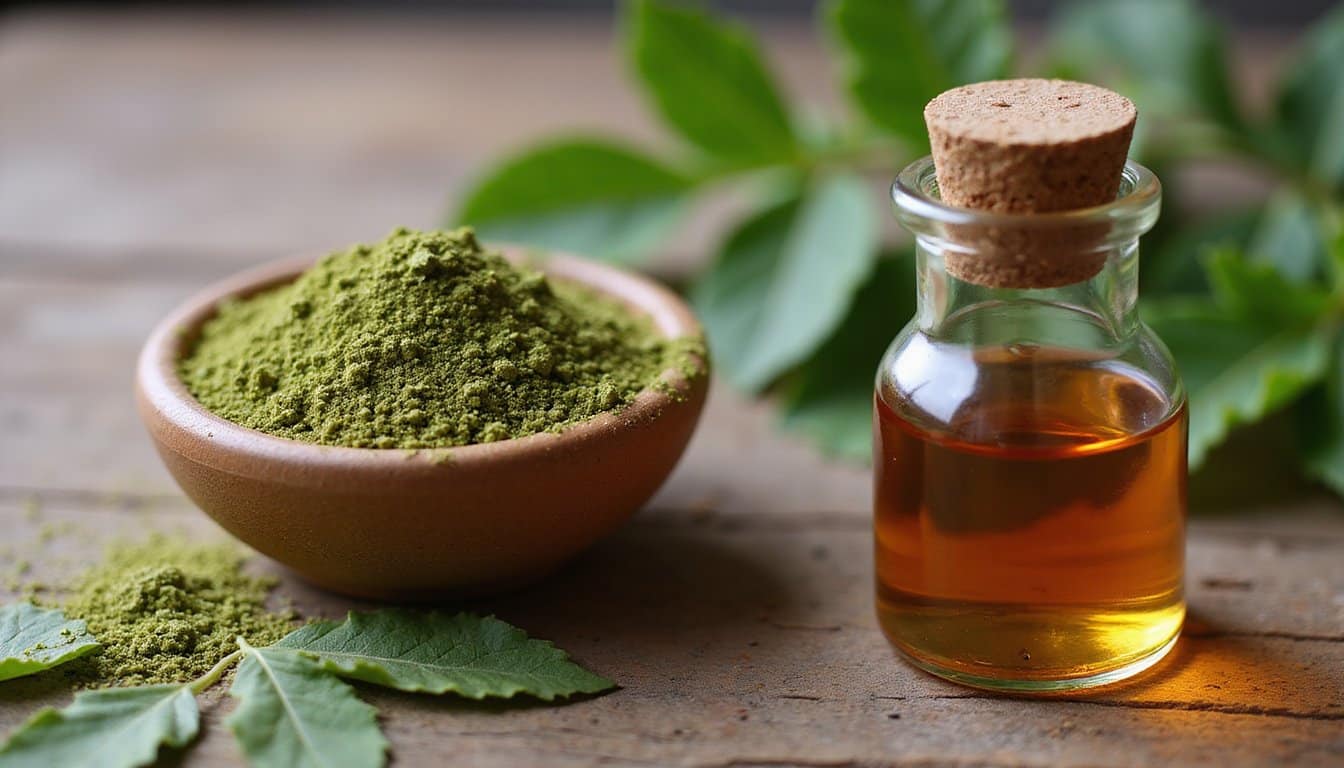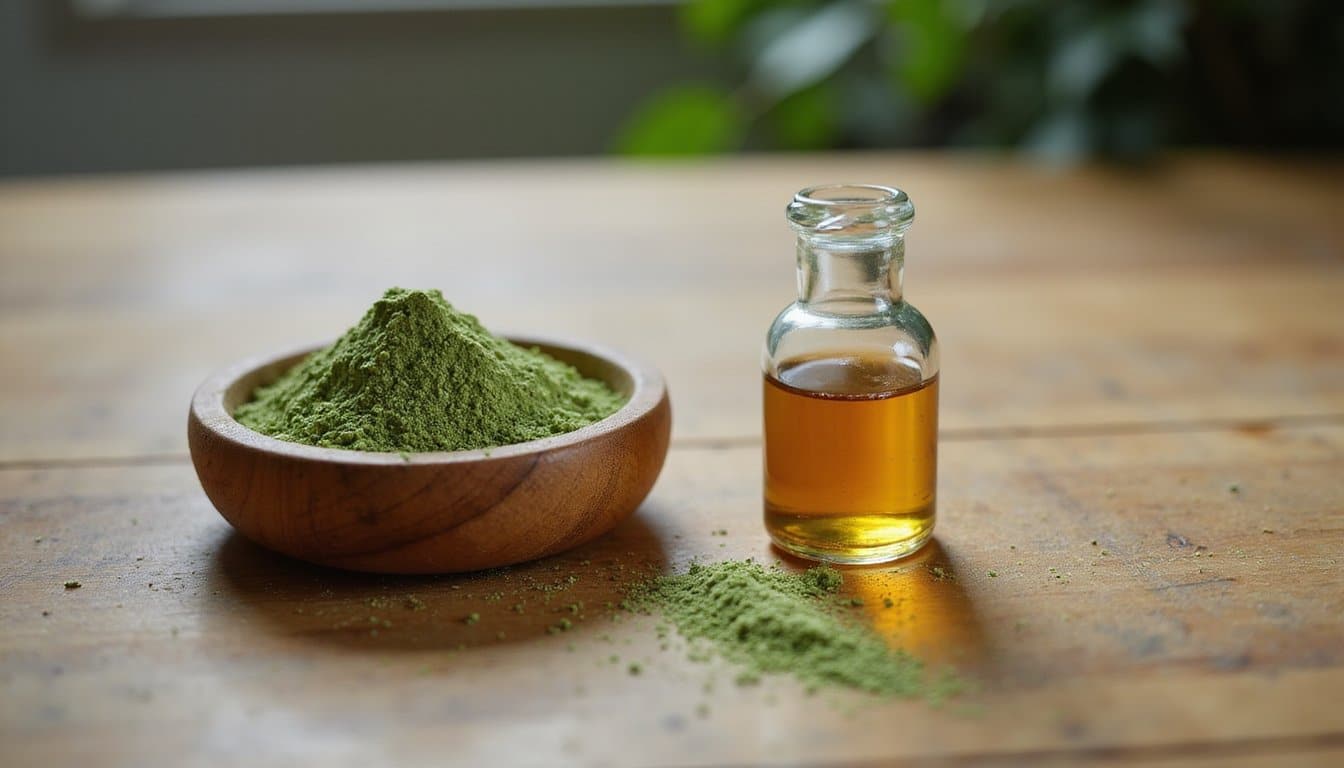






Kratom capsules and powder deliver the same active alkaloids, but they differ in onset speed, cost, and convenience. You’ll feel powder’s effects within 10, 20 minutes, while capsules take 30, 45 minutes due to shell dissolution. Capsules carry a 30, 50% price premium per gram but offer pre-measured doses and a tasteless experience. Powder’s lower cost and dosage flexibility appeal to experienced users. Each format has distinct trade-offs worth exploring below.
Kratom Capsules vs Powder: Key Differences

When comparing kratom capsules to powder, the most significant differences emerge in onset speed, serving flexibility, cost, and convenience. Powder absorbs faster, producing effects within 10, 20 minutes, while kratom capsule products require 30, 45 minutes as the shell dissolves before releasing contents. Understanding these kratom dosage forms capsules vs powder helps you make informed decisions.
Kratom powder consumption methods include brewing tea, mixing with liquids, or using a scale for precise adjustments. Capsules offer pre-measured servings but limit customization to fixed sizes. Powder costs less per gram, making it more economical for regular use. However, capsules provide portability, discreet consumption, and consistent intake regulation. Both forms maintain similar alkaloid profiles, the delivery mechanism, not potency, distinguishes them clinically. Regardless of which form you choose, selecting products that undergo third-party lab testing ensures safety through alkaloid profiling and contaminant screening.
Users seeking to combine the benefits of both forms can create their own capsules from powder, gaining capsule convenience while maintaining full control over serving sizes. Natural potentiators like grapefruit and turmeric can enhance powder’s effects but require careful use to avoid overconsumption. For beginners exploring powder, a starting amount of 2 to 3 grams is generally recommended, with individual tolerance levels guiding any subsequent adjustments.
Do Kratom Capsules or Powder Taste Better?
How considerably does taste influence your choice between kratom formats? When comparing kratom capsules vs powder, taste represents a significant differentiator. Kratom leaf powder delivers a bitter, earthy flavor often described as intensely herbal with a gritty, sandy mouthfeel. You’ll find the clumpy consistency particularly challenging without mixing into beverages or smoothies.
Kratom supplement capsules eliminate this issue entirely. Encapsulation masks the bitter profile, providing a clean, tasteless swallowing experience with no herbal aftertaste. Research into consumer preferences consistently identifies taste as the primary reason individuals select kratom leaf powder capsules over loose powder.
If you’re a beginner, capsules offer immediate palatability advantages. Powder users typically tolerate bitterness through toss-and-wash methods or calorie-dense drink combinations to mask the flavor.
Which Kicks in Faster, Capsules or Powder?

When you consume kratom powder directly, your stomach begins breaking down the material almost immediately, with users typically reporting onset within 15, 30 minutes. Capsules introduce a dissolution delay of 10, 20 minutes as the gelatin shell must break down before the powder contacts your stomach lining, pushing typical onset to 30, 45 minutes. This consistent difference means powder provides a measurable speed advantage, though factors like stomach contents and individual metabolism influence exact timing for both formats.
Powder Absorption Speed
Exactly how quickly kratom reaches your system depends largely on whether you’re consuming it as loose powder or in capsule form. Powder makes direct contact with your stomach lining and digestive fluids immediately upon ingestion, meaning absorption begins almost right away. You’ll typically feel effects within 10 to 30 minutes, especially when mixed with liquid beforehand.
Several factors influence this speed. An empty stomach accelerates absorption notably, while mixing powder into warm water or juice enhances dissolution and uptake. Because there’s no encapsulation barrier, the active compounds enter your digestive process without delay.
This quick release produces a stronger upfront effect compared to capsules. However, the same plant material is present in both forms, the difference isn’t chemical composition but how rapidly your body accesses the alkaloids.
Capsule Dissolution Delay
Because capsules enclose kratom powder within a gelatin or cellulose shell, they introduce a dissolution barrier that powder simply doesn’t have. Your stomach acid must first break down this shell before the kratom powder can release, adding approximately 15, 20 minutes to onset. Total capsule onset typically ranges from 30, 60 minutes, compared to powder’s 15, 30 minutes.
Several factors influence this delay. If you weigh over 154 pounds, expect onset closer to 40, 45 minutes. Consuming capsules after a full meal can push onset beyond 40 minutes. For ideal absorption, take capsules 45 minutes before or 90 minutes after eating. Hydration also matters, adequate water intake supports faster shell dissolution. The capsule material itself plays a role, as gelatin generally dissolves slower than some cellulose alternatives.
Onset Time Comparison
Given that both forms contain identical active alkaloids, the speed difference between powder and capsules comes down to one variable: dissolution. Powder bypasses shell breakdown entirely, so your body begins absorption almost immediately upon ingestion. Reports consistently place powder onset at 15, 45 minutes, while capsules require 30, 60 minutes before you’ll notice effects.
This 15, 20 minute gap exists because gelatin capsules must dissolve before their contents reach your digestive lining. If you take powder on an empty stomach using methods like toss-and-wash, onset can occur in as few as 15 minutes. Capsule users typically experience peak effects at 80, 120 minutes.
You should factor these timing differences into your planning. Powder delivers faster results, while capsules provide a more gradual, consistent release profile.
Kratom Capsules vs Powder for Dosage Control

When comparing kratom capsules and powder for dosage control, precision in measurement stands as a critical safety factor. Capsules deliver pre-measured doses, 00-size holds 0.5, 0.7 grams, while 000-size holds up to 1 gram, eliminating guesswork. Powder requires a digital scale each time, since grind fineness affects volume-to-weight ratios, making eyeballing unreliable. Kratom side effects to be aware of include nausea, dizziness, and potential dependence when used excessively.
For beginners, capsules reduce overuse risk through consistent portioning. A standard 2, 3 gram starting dose equals 4, 6 capsules of 00-size. Powder, however, offers superior flexibility, allowing you to adjust in small increments and blend strains for personalized effects.
Both formats maintain identical alkaloid equivalence, 2 grams of powder equals 2 grams in capsules. You can combine both approaches, using capsules for routine consistency and powder when you need precise customization.
Are Kratom Capsules or Powder Cheaper?
When comparing cost, you’ll find that kratom powder consistently costs less per gram than capsules, primarily because it requires no additional encapsulation materials or labor. Capsule products typically carry a 30% to 50% price premium per gram due to the manufacturing process of filling, sealing, and packaging individual units. Over long-term use, this markup compounds considerably, making powder the more economical choice if you’re managing ongoing expenses.
Powder Costs Less Overall
Kratom powder costs considerably less than capsules across nearly every price point and quantity tier. When you compare equivalent gram amounts, powder consistently offers better value, especially in bulk purchases. Different strains of kratom can help users understand the unique benefits each variety offers. By knowing the differences, consumers can make more informed decisions tailored to their specific needs. Additionally, exploring these strains can reveal new options for managing pain, enhancing mood, or improving focus.
Consider these key price differences:
- Per-gram cost: Bulk powder ranges from $0.07, $0.15 per gram, while 100 capsules (50g) cost $25, equaling $0.50 per gram.
- Per-ounce cost: Powder averages $12 per ounce versus $16 per ounce for capsules.
- Bulk savings: A 1kg powder purchase averages $150 ($4 per ounce), dropping costs dramatically below capsule equivalents.
You’ll find capsules less cost-effective than powder at every quantity level. If you’re managing a budget, powder provides the same active compounds at a substantially lower price without altering the product’s chemical composition.
Capsule Encapsulation Markup
Several distinct manufacturing steps drive capsule prices 30, 50% higher per gram than equivalent powder products. You’re paying for encapsulation machinery, shell materials, filling precision, and sealing labor that powder simply doesn’t require. Quality control during capsule filling adds another layer of expense, as each unit must meet weight consistency standards.
Consider the numbers: 100 capsules containing 50g total (500mg each) cost approximately $25, while a 250g powder bag runs about $45, delivering five times the product for less than double the price. Capsules effectively double your cost per serving compared to loose powder.
If you’re budget-conscious, you can purchase bulk powder and a home encapsulation machine, markedly reducing the markup while retaining capsule convenience. This approach eliminates the manufacturer’s shell-related overhead entirely.
Long-Term Price Comparison
Over a six-month period, the cost gap between capsules and powder compounds greatly. If you’re using kratom regularly, powder delivers considerably more product per dollar, while capsules carry a 30% to 50% markup per gram due to encapsulation processing.
Consider these long-term cost factors:
- Bulk powder at $45 for 250g yields far more doses than equivalently priced capsules, stretching your supply notably longer.
- Capsule bottles averaging $20 to $60 contain roughly 50g of kratom, meaning you’re paying nearly double per serving.
- Ongoing capsule use creates a measurably higher cumulative expense that adds up across months of consistent consumption.
You should weigh these price differences carefully. Powder remains the more budget-conscious option across vendors, strains, and purchase quantities for sustained use.
Which Kratom Form Fits Your Lifestyle?
How you consume kratom, capsules or powder, directly affects your daily routine, dosing accuracy, and overall experience. If you prioritize convenience, capsules eliminate preparation time, require no measuring tools, and offer discreet, tasteless consumption, ideal for travel or busy schedules. Kratom extract vs powder can also influence the onset and duration of effects. Extracts tend to provide a quicker, more potent experience, while powders may offer a more gradual, albeit milder, effect.
If you prefer flexibility, powder lets you customize serving sizes precisely and costs less per dose. However, it demands accurate measurement and involves a bitter, earthy taste that may require mixing with beverages.
Consider onset timing as well. Powder typically produces effects within 10, 30 minutes, while capsules delay onset to 30, 60 minutes due to shell dissolution. Choose capsules for steady, predictable consumption. Choose powder for faster absorption and versatile preparation options, including teas and blended drinks.
Reach Out and Take Back Control
Kratom use can slowly affect your health, relationships, and daily life, but with the right support, recovery is within reach. At Simonds Recovery Centers, we offer comprehensive Kratom Addiction Recovery Programs with licensed therapists and addiction specialists to help you take back control. Call +1 (833) 781-8338 today and take the first step toward a healthier life.
Frequently Asked Questions
Can You Open Kratom Capsules and Use the Powder Inside?
Yes, you can open kratom capsules and use the powder inside. The gelatin or vegetarian shells break easily by hand, and the powder retains its full alkaloid profile, including mitragynine. You’ll find each capsule typically contains 0.5, 1g of pre-measured powder. Once opened, you can mix it into liquids, brew tea, or blend it into food. Expect faster absorption, onset within 10, 30 minutes compared to 30, 60 minutes for intact capsules.
Do Kratom Capsules or Powder Have a Longer Shelf Life?
Kratom capsules generally have a slightly longer shelf life than loose powder. The capsule shell acts as a protective barrier, reducing exposure to oxygen and moisture that accelerate alkaloid degradation. You’ll find powder typically maintains peak potency for 6, 12 months, while capsules can last 1, 2 years under ideal conditions. Store either form in airtight containers in cool, dark, dry environments, and discard immediately if you notice mold or unusual odors.
Are Kratom Capsules or Powder Better for Making Tea?
Kratom powder is better suited for making tea. You can mix it directly into hot water, allowing alkaloids to dissolve and potentially absorb faster in liquid form. Capsules aren’t designed for tea preparation, their gelatin or vegetable-based shells don’t dissolve efficiently at brewing temperatures, preventing proper alkaloid extraction. Powder also lets you customize tea strength by adjusting the amount used. However, you should avoid excessive heat, as it can degrade kratom’s active compounds.
Can You Travel Internationally With Kratom Capsules or Powder?
You can travel internationally with kratom capsules or powder, but legality depends entirely on your destination country. Over 30 countries ban kratom outright, including Australia, the UK, and Germany. Capsules attract less scrutiny since they resemble supplements, while powder may trigger additional screening. You should research each country’s laws, including transit stops, before packing either form. If kratom’s illegal at your destination, don’t bring it to avoid seizure or legal consequences.
Do Kratom Capsules or Powder Have More Strain Variety Options?
You’ll find considerably more strain variety with kratom powder than capsules. Powder requires minimal processing beyond grinding, which allows vendors to offer a wider selection, including custom blends you can mix yourself. Capsules involve additional encapsulation costs and fixed sizing, which limits available options. While capsule variety continues expanding, powder consistently leads in strain diversity. If you’re looking to explore different strains, powder gives you the broadest range of choices.