







The M365 pill contains exactly 5 mg of hydrocodone bitartrate and 325 mg of acetaminophen, placing it in the moderate potency range for opioid combination analgesics often discussed as M365 Norco or Vicodin equivalents. You’ll typically take one to two tablets every four to six hours as needed, with a maximum of eight tablets daily. This fixed-dose formulation targets pain through dual pathways while keeping acetaminophen within safe limits.
What the M365 Pill Looks Like
The M365 pill is a white, oval-shaped tablet measuring approximately 15 mm in length. The imprint “M365” is stamped clearly on one side, with a deep score line on the back that allows for precise dose division. The tablet is manufactured by Mallinckrodt Pharmaceuticals and classified as a Schedule II controlled substance.
To verify a pill is authentic M365, check three features:
- White to off-white color, consistent across the tablet
- Elongated oval shape with smooth, factory-made edges
- Crisp, raised “M365” imprint with no spelling errors or irregular fonts
Legitimate tablets have no cracks, bubbles, or powdery residue. Similar-looking pills with different hydrocodone strengths use distinct imprints to prevent dosing errors:
- M366: 7.5 mg hydrocodone / 325 mg acetaminophen
- M367: 10 mg hydrocodone / 325 mg acetaminophen
If a pill is marked M365 but looks unusual in shape, color, or texture, contact the dispensing pharmacy before taking it.
M365 Contains 5 Mg Hydrocodone and 325 Mg Acetaminophen
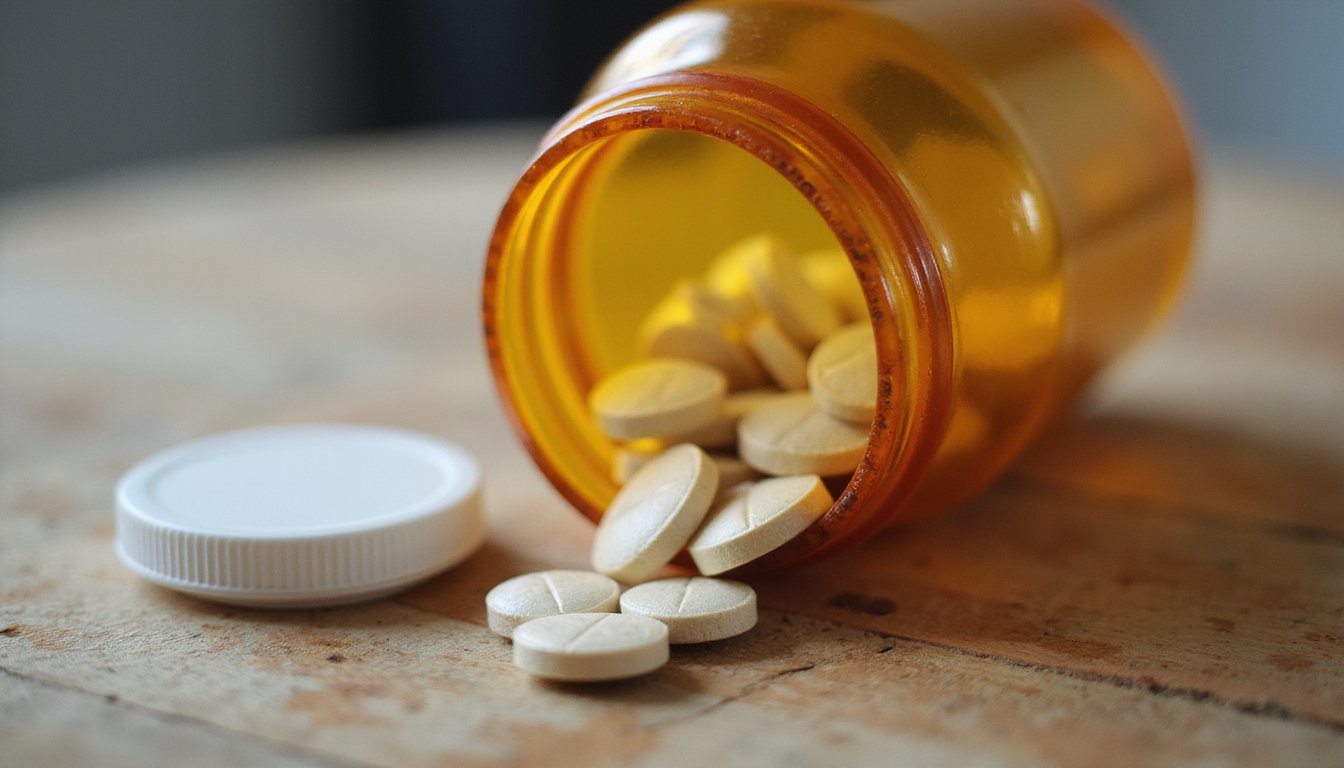
The M365 tablet contains a fixed-dose combination of 5 mg hydrocodone bitartrate and 325 mg acetaminophen. This is the lowest hydrocodone strength available in the combination formulation. The imprint identifies this exact milligram ratio.
The acetaminophen content at 325 mg enhances pain relief through non-opioid mechanisms. Acetaminophen inhibits prostaglandin production in your brain, reducing pain signals without opioid receptor activation. It also provides modest fever reduction beyond its pain-relieving function.
The two active ingredients target pain through different pathways. Hydrocodone binds to opioid receptors, altering how you perceive pain. Acetaminophen provides supplementary analgesic effects through prostaglandin inhibition. This combination delivers relief for moderate to moderately severe pain. Related formulations exist with higher hydrocodone dosages of 7.5 mg or 10 mg, but M365 specifically denotes the 5/325 mg strength. This medication is typically prescribed when other pain medications have not provided adequate relief. Combining the tablet with alcohol or benzodiazepines significantly increases the risk of overdose.
Beyond the two active ingredients, M365 tablets contain inactive ingredients used as binders, fillers, and stabilizers: magnesium stearate, crospovidone, povidone, and microcrystalline cellulose. These don’t affect the analgesic mechanism but are worth knowing if you have a documented sensitivity to common pharmaceutical excipients.
Physicians most often prescribe M365 in three scenarios:
- Post-surgical recovery from procedures like tooth extractions, root canals, or orthopedic operations
- Acute injuries such as fractures, deep lacerations, or severe sprains
- Chronic pain conditions like arthritis or persistent back pain that haven’t responded to non-opioid options
For chronic use, providers monitor closely because of the dependence risk associated with prolonged opioid exposure. The acetaminophen component also reduces fever, which can be incidentally helpful during recovery from surgery or injury.
Is M365 Norco or Vicodin?
M365 is a generic version of Norco, not Vicodin. The tablet contains 5 mg hydrocodone bitartrate and 325 mg acetaminophen, which matches Norco’s 5/325 mg formulation precisely. Vicodin contains only 300 mg of acetaminophen per tablet, a 25 mg difference that affects your cumulative daily acetaminophen exposure.
Mallinckrodt Pharmaceuticals manufactures M365 as a generic equivalent to Norco, which Watson Pharmaceuticals originally produced. Both the Norco and Vicodin brand names have largely been discontinued in their original forms, which is part of why generic versions like M365 now dominate prescription dispensing for this strength.
This distinction matters when you’re tracking total daily acetaminophen for liver safety, filling a Vicodin prescription with a generic substitute, or switching between brand and generic formulations.
In most states, pharmacists can substitute M365 for a Vicodin prescription without contacting your doctor under generic substitution laws. Because hydrocodone is a Schedule II controlled substance, pharmacists must verify your prescription meets strict dispensing requirements before making the substitution.
Other imprints contain the same 5/325 mg formulation from different manufacturers:
- IP 109
- U01
- G035
- T257 (peach-colored tablet rather than white)
These deliver identical therapeutic effects. Each manufacturer uses a distinctive imprint so pharmacists and poison control centers can identify the source quickly. Insurance plans typically cover M365 when your prescription says Norco because pharmacies dispense generic hydrocodone-acetaminophen interchangeably for Norco prescriptions.
Standard Adult Dosage for M365 Pills
Healthcare providers typically prescribe 1 to 2 tablets every 4 to 6 hours as needed for pain relief. The maximum is 8 tablets daily, though your provider will individualize this based on pain severity and your response to treatment.
Dosing frequency depends on your overall health status and existing conditions. Exceeding the recommended dosage is particularly dangerous because the maximum daily acetaminophen limit is around 4,000 mg to avoid liver damage.
Healthcare providers emphasize using the lowest effective dose for the shortest duration necessary. Older patients generally start at the lower end of the dosing range and require careful monitoring due to increased sensitivity. Patients should avoid taking the tablet alongside other acetaminophen-containing products to prevent exceeding safe limits and reduce the risk of hepatotoxicity.
How Long M365 Takes to Work and Last
After you swallow an M365 tablet, the first noticeable effects typically begin within 10 to 30 minutes. Peak pain relief occurs around 30 to 60 minutes after ingestion, when blood concentrations of both hydrocodone and acetaminophen reach therapeutic levels. The immediate-release formulation provides relief lasting 4 to 8 hours before effects gradually wear off, which is why prescribers typically space doses every 4 to 6 hours.
Your individual response depends on several factors: metabolism, whether you took the tablet on an empty stomach or with food, body weight, and prior opioid exposure. Taking the medication with food slightly delays onset but reduces nausea. Patients who have used opioids regularly may develop tolerance that shortens the effective duration of each dose.
If you find effects wearing off well before the next scheduled dose within a few weeks of starting M365, that’s an early sign of tolerance and warrants a conversation with your prescriber rather than self-adjusting the schedule.
Daily Acetaminophen Limits and M365 Safety
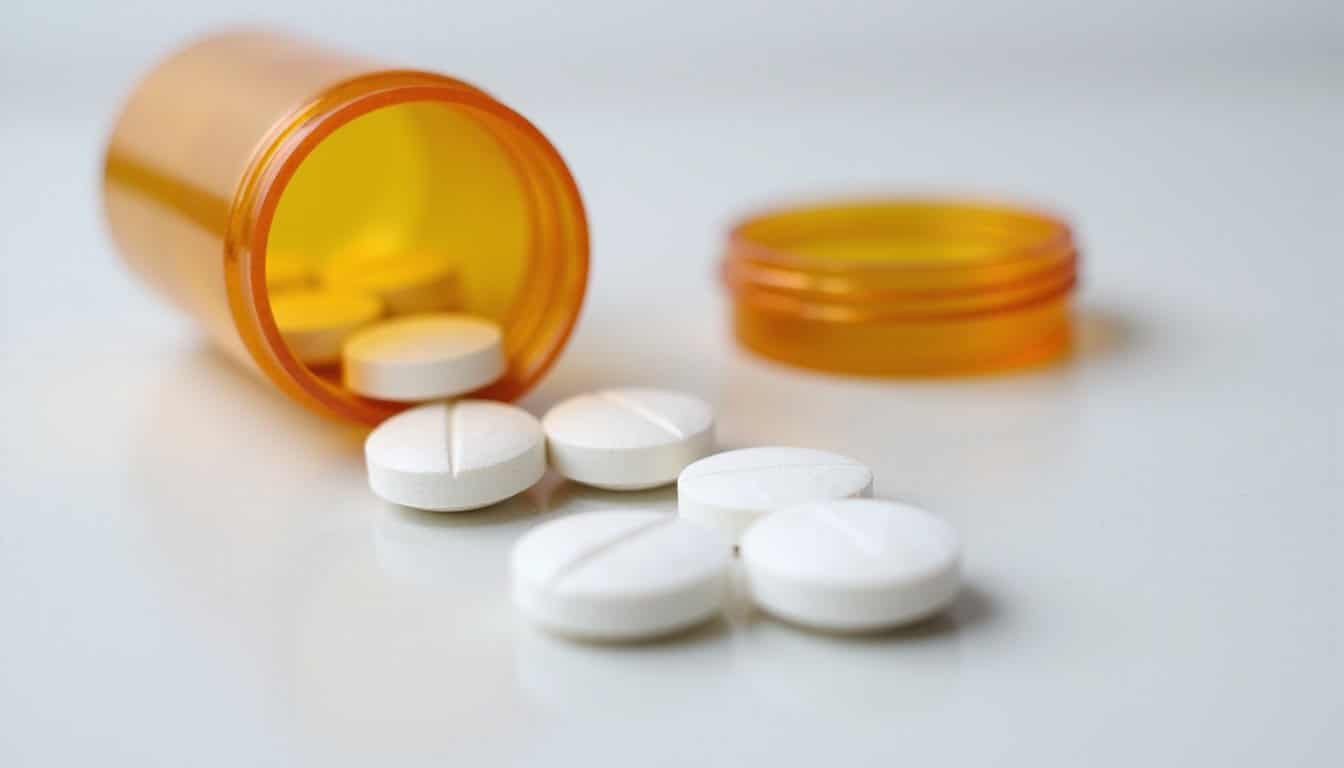
Acetaminophen toxicity represents a serious concern with M365, since each tablet contributes 325 mg toward your daily limit. The FDA sets acetaminophen limits at 1,000 mg per single dose and 4,000 mg per 24 hours. Lower limits of 2,000 to 3,000 mg apply if you have liver disease, consume alcohol, or are malnourished. Liver damage risk increases sharply if M365 is taken alongside three or more alcoholic beverages daily.
At maximum prescribed intervals, you could consume up to 2,600 mg of acetaminophen daily with eight tablets. You must also check other combination medications for hidden acetaminophen to prevent exceeding safe thresholds. Many over-the-counter products contain this ingredient and quickly compound your total milligrams. High doses of acetaminophen can cause significant liver damage even before noticeable symptoms appear.
Liver damage progresses through identifiable stages:
- Early indicators: nausea, fatigue, upper-right abdominal pain
- Progressive signs: jaundice, dark urine, pale stools
- Severe: acute liver failure, sometimes requiring transplant
N-acetylcysteine (NAC) can treat acetaminophen toxicity when administered promptly. If you have consumed more than 4,000 mg in 24 hours, seek immediate medical attention even without symptoms. Serious reactions such as hives, swelling, or labored breathing require immediate medical attention.
M365 Side Effects to Watch For
Common side effects of M365 often appear early in treatment and may diminish as your body adjusts:
- Drowsiness and sedation
- Dizziness and lightheadedness
- Constipation, which often persists with continued use
- Nausea and occasional vomiting
- Dry mouth
- Itching
- Mild mood changes (euphoria or anxiety)
- Pupil constriction
- Difficulty urinating
These occur because hydrocodone acts on opioid receptors throughout the central nervous system while acetaminophen circulates in the bloodstream. Specific incidence rates from clinical data: up to 40% of patients report nausea, approximately 25% report vomiting, and 60-90% experience constipation (around 90% for cancer patients on opioids and roughly 60% for non-cancer use). Older adults face a 38% higher fracture likelihood on opioids, and about 25% of older adults discontinue opioids due to adverse events.
Constipation has a specific mechanism worth understanding. Hydrocodone slows your entire digestive tract, giving the intestines more time to absorb water from stool. Opioids also reduce digestive fluid flow and speed up the removal of what fluid remains. The result is hard, difficult-to-pass bowel movements regardless of dose. Hydration, fiber, and stimulant or osmotic laxatives (sennosides, PEG) typically work better than bulk-forming fiber supplements for opioid-induced constipation. Contact your healthcare provider if you haven’t had a bowel movement in three days.
Mood swings and cognitive effects also occur because hydrocodone affects the brain regions responsible for mood regulation. You may notice shifts from calm to irritability within short periods, mental fog, and difficulty concentrating. Long-term use can lead to memory loss and substance-induced mood disorders. Take M365 with food to reduce stomach upset and stay well-hydrated to help with dry mouth.
Serious side effects require immediate medical attention:
- Slow or shallow breathing (respiratory depression)
- Severe allergic reaction (rash, hives, facial swelling, difficulty breathing)
- Persistent abdominal pain (potential liver complication)
- Confusion or extreme drowsiness
- Yellowing of skin or eyes (jaundice)
- Persistent vomiting
Respiratory depression is the most dangerous risk. It can progress to respiratory failure if untreated, particularly when the tablet is combined with alcohol, benzodiazepines, or other central nervous system depressants. Older adults and people with existing respiratory conditions face higher risk. You can report serious side effects to the FDA at 1-800-FDA-1088.
Drug Interactions to Avoid With M365
Specific medications and substances can severely intensify the effects of M365. Some combinations are life threatening.
CNS depressants. Alcohol, benzodiazepines (Xanax, Valium, Klonopin), sleep aids, muscle relaxants, and other opioids stacked with M365 cause severe respiratory depression, dangerous sedation, and slowed breathing. Each combination compounds the next.
MAO inhibitors require a 14-day separation period before taking M365. This includes phenelzine, isocarboxazid, and selegiline. Combining them can trigger serotonin syndrome, seizures, hallucinations, and other life-threatening reactions.
Serotonin-increasing antidepressants (SSRIs, SNRIs) elevate the risk of confusion, poor coordination, and high blood pressure when combined with hydrocodone. Disclose all antidepressants to your prescriber before starting M365.
NSAIDs (ibuprofen, naproxen) heighten cardiovascular risks and can worsen stomach bleeding, particularly if you have a history of peptic ulcers. Acetaminophen is the safer pain co-treatment with hydrocodone for that reason.
M365 Allergic and Skin Reactions
Skin reactions to M365 range from mild allergy to life threatening dermatologic emergencies. Stop taking the medication immediately if any skin reaction develops, and don’t rechallenge with acetaminophen-containing medications afterward.
| Reaction Type | Symptoms | Action Required |
|---|---|---|
| Mild allergic | Rash, itching, hives | Contact healthcare provider |
| Stevens-Johnson Syndrome | Painful blistering, skin peeling | Seek emergency care |
| Toxic Epidermal Necrolysis | Widespread skin separation | Call 911 immediately |
| AGEP (Acute Generalized Exanthematous Pustulosis) | Pus-filled bumps, rapid onset | Emergency evaluation |
| Systemic involvement | Fever, mouth sores, eye irritation | Discontinue medication |
These reactions can occur after the first dose or after years of use without prior history.
Risks and Addiction Potential of M365
M365 carries serious risks beyond its common side effects. As a Schedule II controlled substance, hydrocodone has a high potential for misuse, dependence, and addiction.
Regular use can lead to:
- Tolerance, requiring higher doses to achieve the same pain relief
- Physical dependence, with withdrawal symptoms when stopping
- Psychological dependence and compulsive use patterns
- Cross-tolerance with other opioids like oxycodone, morphine, and heroin
Withdrawal from M365 produces symptoms similar to other opioids: muscle aches, nausea, sweating, restlessness, anxiety, and intense cravings. These typically begin within 12 to 24 hours of the last dose and peak around 72 hours. Cardiovascular changes during withdrawal can be dangerous for some individuals, which is why supervised detox is recommended for anyone who has been using regularly.
Two specific dangers deserve attention:
Counterfeit pills laced with fentanyl. Illicit versions of M365 sold outside licensed pharmacies have been found contaminated with fentanyl. Even a small amount of fentanyl in a counterfeit pill can be fatal. The DEA reports that fentanyl-laced counterfeits resemble legitimate prescription opioids closely enough to deceive visual inspection. Over 75% of drug overdose deaths in 2021 involved an opioid, many of them counterfeit pills.
Overdose risk with alcohol or benzodiazepines. Combining M365 with these depressants compounds respiratory depression and can be fatal. Acetaminophen toxicity from accidental overdose can also cause acute liver failure, sometimes requiring transplant. Overdose risk is highest during the first 24 to 72 hours of treatment and whenever your dosage changes.
Naloxone (Narcan) reverses opioid overdose when administered quickly. If you suspect someone has overdosed on M365 (shallow breathing, blue lips or fingertips, pinpoint pupils with extreme drowsiness, pale or clammy skin), call 911 immediately and administer naloxone if available. Naloxone is available over the counter in most states.
If you find yourself taking the medication more frequently or in higher doses than prescribed, having trouble stopping, or experiencing cravings between doses, dependence may be developing. Professional treatment significantly improves outcomes.
How M365 Compares to Other Hydrocodone Strengths
The 5/325 mg M365 sits in the moderate potency range between the 2.5 mg entry-level dose and the stronger 7.5 mg and 10 mg options.
When comparing M365 to lower strengths, the 2.5/325 mg formulation suits initial therapy or milder pain. M365 5/325 mg serves as a standard option for moderate to severe pain management. This combination works because hydrocodone attaches to opioid receptors while acetaminophen enhances pain relief through different pathways.
Higher-strength tablets like 7.5/325 mg and 10/325 mg address severe pain unresponsive to lower doses. Because M365 contains less hydrocodone per tablet, prescribers may allow up to eight tablets daily. Higher strengths restrict you to fewer tablets to prevent acetaminophen toxicity.
How to Verify Your M365 Pill Is Authentic
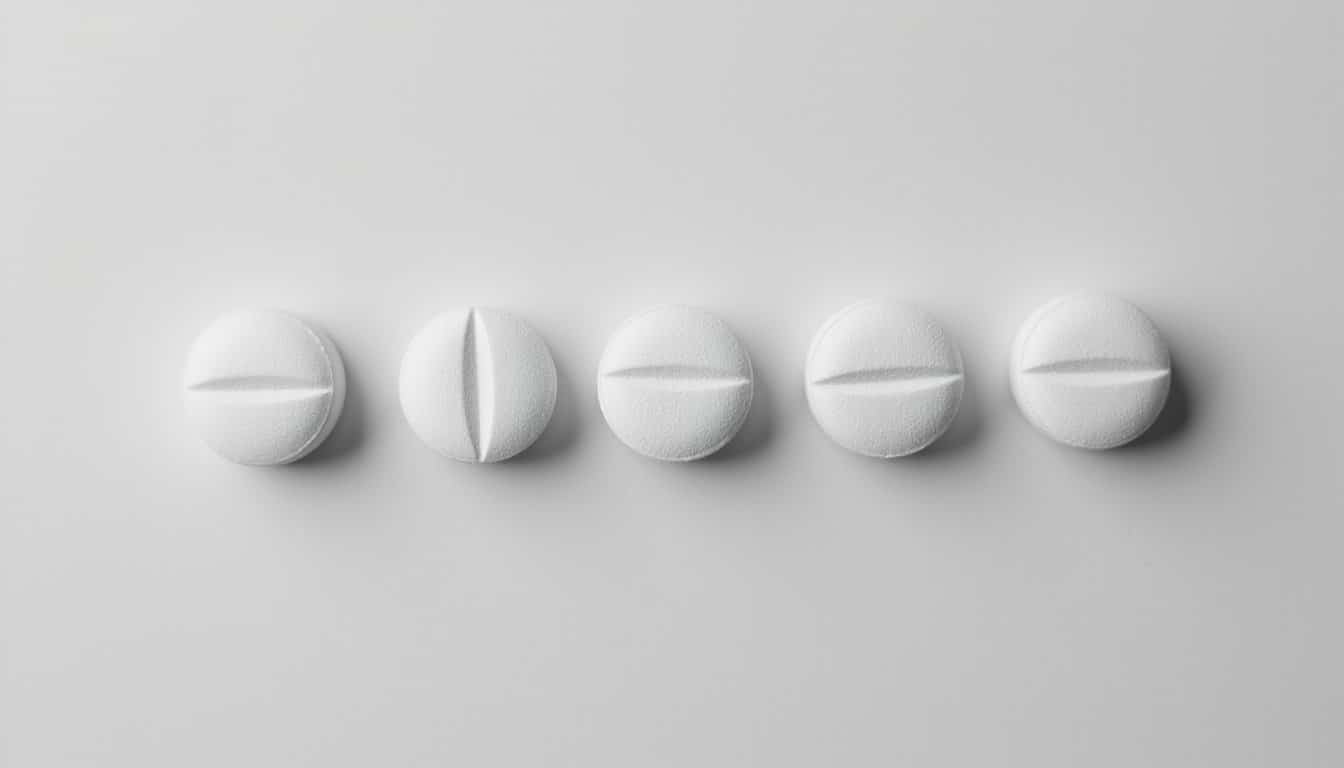
Beyond comparing M365 to other hydrocodone-acetaminophen strengths, you’ll want to confirm your medication’s authenticity before use.
Visual inspection serves as your first defense. Examine the pill for a white, oval shape with a clear “M 365” imprint. Check for spelling errors, irregular fonts, or inconsistent markings. Legitimate pills have smooth, factory-made surfaces without cracks, bubbles, or powdery residue. Compare weight consistency across multiple pills from the same batch.
Professional verification provides definitive confirmation. Obtain medications only through licensed pharmacies with valid prescriptions. If you notice packaging discrepancies, contact your pharmacy immediately. You can also call the manufacturer with your lot number to check for known counterfeits. For absolute certainty, request laboratory testing. It’s the only method guaranteeing 100% authenticity verification of your medication. Verification is critical because counterfeit versions pose significant risks due to potential contamination with fentanyl or methamphetamine. While less than 1% of medicines sold in U.S. retail pharmacies are counterfeit, vigilance helps maintain the integrity of the pharmaceutical supply chain. Verification becomes even more essential given that hydrocodone is classified as a Schedule II/IIN controlled substance due to its high potential for addiction and abuse.
Pill Identification Is a Start. Real Change Starts With Treatment
Knowing the strength of the M365 pill is useful context. If dependency has developed around opioid use, identification alone is not enough. Clinical care is what actually moves the needle. Simonds Recovery Centers delivers specialized inpatient detox in Los Angeles County and pharmaceutical addiction treatment designed to safely manage opioid withdrawal with physician oversight and personalized step-down care. Serving individuals across Granada Hills, our +1 (833) 781-8338 team is available at any hour to help you take the next step.
Frequently Asked Questions
Why Does M365 Have Two Different Milligram Numbers on the Label?
The two milligram numbers reflect the two active ingredients: hydrocodone 5 mg and acetaminophen 325 mg. Hydrocodone is the opioid pain reliever, while acetaminophen is the non-opioid analgesic. Manufacturers list both amounts so you can identify exactly what’s in each tablet, which helps with accurate dosing and lets healthcare providers track your total intake of each medication.
Can M365 Pills Come in Strengths Other Than 5/325 Mg?
No, M365 pills only come in the 5/325 mg strength. The imprint “M365” specifically identifies tablets containing 5 mg hydrocodone and 325 mg acetaminophen. If you need a different strength, you’ll receive a pill with a different imprint. M366 marks the 7.5/325 mg formulation, and M367 indicates 10/325 mg. Each imprint corresponds to one exact dosage combination, so you can reliably identify your medication’s strength.
What Do the Numbers After the Slash Mean on Combination Pills?
The numbers after the slash tell you the milligram amounts of each active ingredient in a combination pill. The opioid component is listed first (for example, 5 mg of hydrocodone), while the second number represents the non-opioid component, typically 325 mg of acetaminophen. This standardized notation helps pharmacists and providers verify strengths quickly. In a 10/325 formulation, you’re getting 10 mg hydrocodone combined with 325 mg acetaminophen per tablet.
Is the M365 Imprint Used for All Hydrocodone-Acetaminophen Strengths?
No. The M365 imprint specifically identifies the 5/325 mg formulation, containing 5 mg hydrocodone and 325 mg acetaminophen. Other strengths like 7.5/325 or 10/325 mg carry different imprint codes to distinguish them. You shouldn’t assume any pill marked M365 contains a different strength, as manufacturers use distinct imprints to help prevent dosing errors and potential overdose risks.
Does Cutting an M365 Pill in Half Change Its Milligram Effectiveness?
Cutting an M365 pill in half doesn’t change the total milligrams, but it can affect how evenly you receive each dose. Combination tablets may not distribute hydrocodone and acetaminophen uniformly throughout, so one half might contain more active ingredient than the other. This uneven split can alter the effectiveness you experience and potentially increase safety risks. Always consult your healthcare provider before modifying any prescribed dosage.
Is M365 the Same as Norco?
Yes. M365 is a generic version of Norco. Both contain 5 mg hydrocodone bitartrate and 325 mg acetaminophen. M365 is manufactured by Mallinckrodt Pharmaceuticals, while Norco is the brand name from the original maker. They produce identical therapeutic effects. Vicodin, by contrast, contains 300 mg of acetaminophen rather than 325 mg, which is why M365 is a Norco generic but not a Vicodin generic.
Can You Become Addicted to M365?
Yes. Hydrocodone, the opioid component of M365, is a Schedule II controlled substance with high addiction potential. Regular use can lead to tolerance within weeks, then physical and psychological dependence. Warning signs include taking the tablet more often than prescribed, running out of prescriptions early, doctor shopping, and experiencing cravings between doses. If any of these apply, professional treatment can help you stop safely.
What Happens if You Take Too Much M365?
Overdose can be life threatening. Hydrocodone in excess causes respiratory depression, which can lead to coma and death. Acetaminophen in excess (more than 4,000 mg in 24 hours, or less for those with liver issues) can cause acute liver failure, sometimes within days. Signs of opioid overdose include slow or stopped breathing, pinpoint pupils, blue lips or fingernails, and unresponsiveness. Call 911 immediately and administer naloxone if available. Combining M365 with alcohol or benzodiazepines dramatically increases overdose risk.
How Quickly Does M365 Start Working After You Take It?
You’ll typically feel noticeable effects within 10 to 30 minutes of swallowing an M365 tablet, with peak relief around 30 to 60 minutes. The effects last 4 to 8 hours, which is why prescribers space doses every 4 to 6 hours. Taking the pill with food slightly slows onset but reduces nausea. Onset can be longer if you’ve recently eaten a high-fat meal, and shorter if you’re taking it on an empty stomach.
How Long Do M365 Side Effects Last After Stopping the Medication?
After stopping M365, withdrawal symptoms typically begin within 6 to 12 hours of your last dose. Acute symptoms like muscle aches, nausea, and chills peak around days 1 to 3 and generally resolve within 5 to 10 days. Lingering effects (fatigue, mood instability, cravings) can persist for 2 to 4 weeks during the post-acute phase. Don’t discontinue this medication abruptly without medical guidance. Your provider can taper the dose to manage symptoms safely.
Can M365 Side Effects Be Reduced by Taking the Pill With Food?
Yes. Eating before or during your dose helps minimize stomach upset and nausea, two of the most common reactions. Food intake doesn’t interfere with absorption. Stay well-hydrated as well, which aids metabolism and helps relieve the dry mouth that often accompanies M365 use.
Are M365 Side Effects Worse for Elderly Patients or Those With Health Conditions?
Yes. Older adults experience more confusion, drowsiness, and falls, with 38% higher fracture likelihood on opioids. About 25% of older adults discontinue opioids due to adverse events. If you have liver or kidney dysfunction, respiratory conditions, or take multiple medications, your risk is elevated and your provider should adjust dosing accordingly.