




When you’re deciding between cold turkey and tapering off kratom, your usage history matters most. Cold turkey might work if you’ve used low doses briefly, but it typically triggers intense withdrawal symptoms peaking around days 2-3, including severe muscle aches, insomnia, and anxiety, that often lead to relapse. Tapering allows your brain’s opioid receptors to gradually readjust, keeping symptoms more manageable while you develop coping strategies. Understanding the full withdrawal timeline helps you choose the safest approach for your situation.
Cold Turkey vs Tapering: How to Choose Your Approach
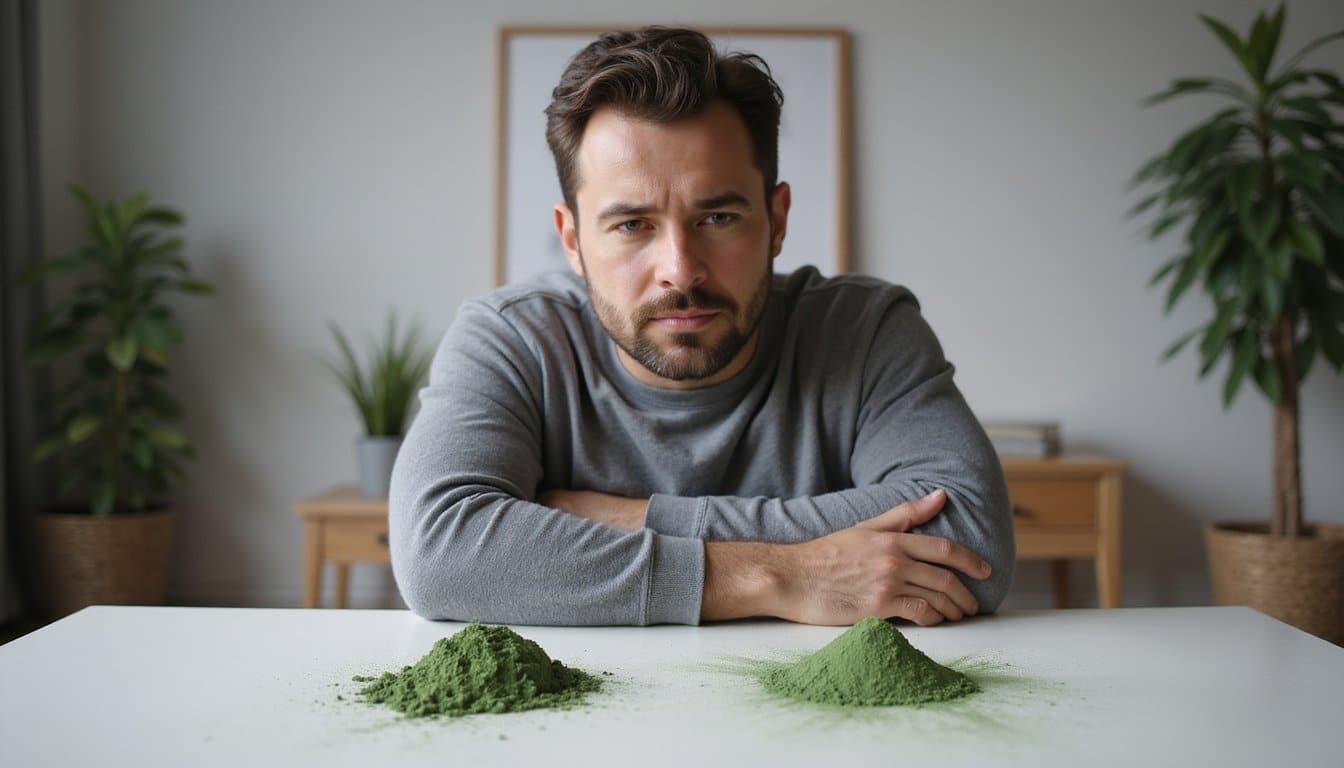
When you’re ready to quit kratom, you’ll face a fundamental choice: stop abruptly or taper gradually. Cold turkey means stopping completely without dose reduction, while tapering involves scheduled decreases over weeks.
Quitting kratom cold turkey concentrates withdrawal into an intense but shorter period. This approach may work if you’ve used low doses of plain leaf for a brief time. However, if you’re showing kratom addiction signs like escalating doses or unsuccessful quit attempts, cold turkey often leads to relapse during peak symptoms around days three and four. The biology works against you because your brain has adapted to kratom, and stopping abruptly creates a neurochemical imbalance that makes willpower alone insufficient.
For established kratom dependence, tapering typically offers better outcomes. Gradual reductions allow your brain chemistry to readjust, spreading milder symptoms across a longer timeline while building confidence through manageable progression. Tapering also prevents medical complications like dehydration and seizures that can occur with abrupt cessation.
The Kratom Withdrawal Timeline From First Hour to Full Recovery
Kratom withdrawal symptoms typically kick in within 6 to 12 hours after your last dose, beginning a predictable progression that most people complete within one to two weeks. Kratom withdrawal symptoms typically kick in within 6 to 12 hours after your last dose, beginning a predictable progression that most people complete within one to two weeks. In discussions of the kratom withdrawal timeline bluelight, this early onset pattern is frequently noted by users and clinicians alike.
| Timeline | Physical Symptoms | Psychological Symptoms |
|---|---|---|
| 6-24 Hours | Muscle aches, sweating, runny nose | Irritability, mild cravings |
| 24-72 Hours (Peak) | Severe pain, chills, insomnia | Intense anxiety, depression |
| 3-10 Days | Fatigue, GI upset, weakness | Persistent cravings, mood swings |
When quitting kratom cold turkey, you’ll experience peak intensity around days two and three. A kratom taper can soften this curve considerably. Post-acute symptoms may linger for weeks in some cases, particularly psychological effects like cravings and low mood. Some individuals may experience protracted withdrawal symptoms (PAWS) that persist for weeks, months, or even years after quitting. Your recovery timeline depends on dosage history and individual health factors. Medical detox provides professional supervision and access to medications that can manage symptoms and stabilize your overall health during this challenging process.
What Cold Turkey Kratom Withdrawal Feels Like
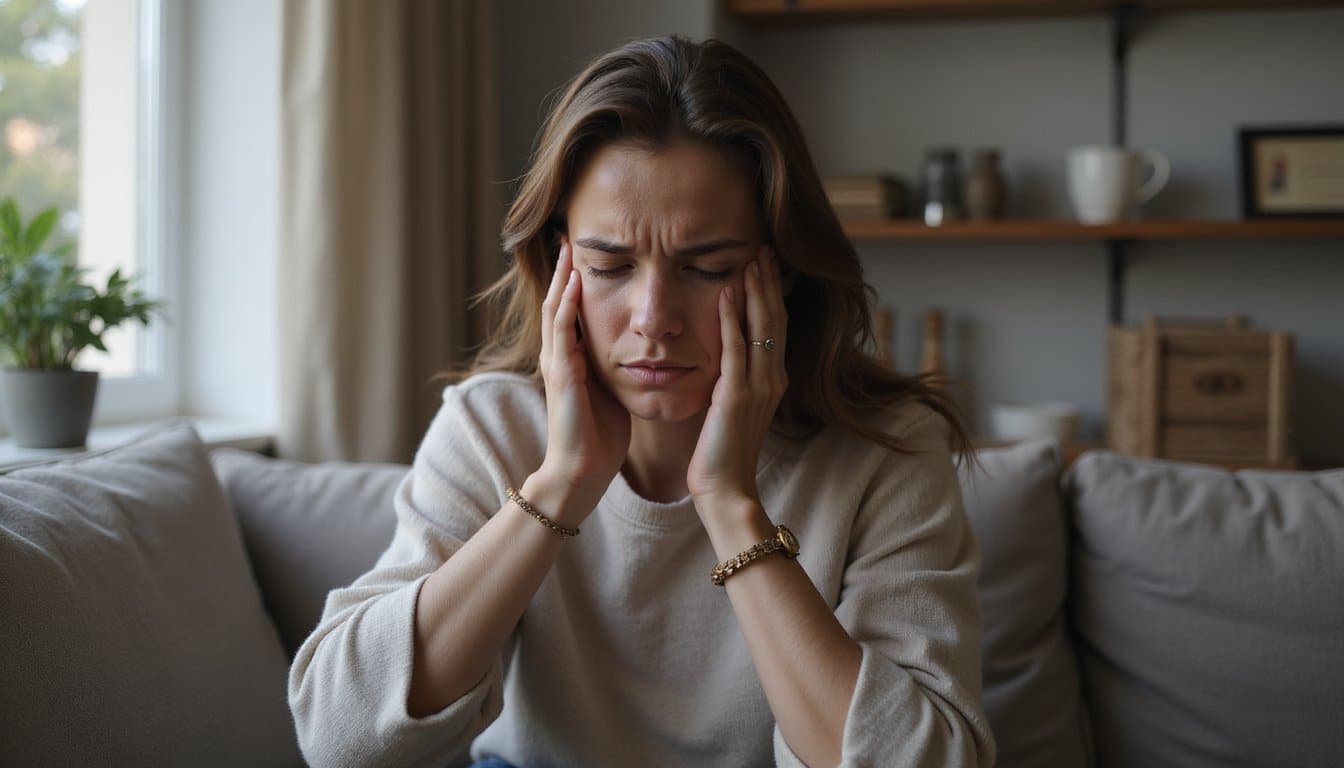
When you stop kratom abruptly, your body responds with a predictable sequence of physical symptoms that typically peak within the first four days. Withdrawal symptoms generally begin 6-12 hours after your last dose, giving you a small window before discomfort sets in. You’ll likely experience muscle aches, gastrointestinal distress, and flu-like discomfort alongside intense psychological effects including anxiety, depression, and powerful cravings. Understanding this timeline helps you prepare for what’s ahead and recognize that these symptoms, while uncomfortable, are temporary signs your body is readjusting. Some individuals may also experience post-acute withdrawal syndrome, where mood changes and occasional cravings can persist for weeks to months after the initial symptoms subside.
Physical Symptoms Timeline
Although individual experiences vary, most people who quit kratom cold turkey notice the first physical symptoms within 6 to 12 hours after their last dose. You’ll likely experience flu-like sensations, muscle aches, and restlessness during this initial phase.
The acute phase peaks between days one and three, bringing the most intense symptoms:
- Severe muscle aches and tremors
- Nausea, vomiting, and diarrhea
- Sweating alternating with chills
- Intense insomnia and fatigue
- Abdominal cramping and goosebumps
By days four through seven, physical symptoms gradually decrease in intensity. Most people find significant relief within one to two weeks, though lingering fatigue may persist. A small percentage of individuals may experience post-acute withdrawal syndrome with symptoms lasting weeks or even months beyond the typical timeline.
This timeline explains why tapering off kratom appeals to many individuals. Kratom tapering allows your body to adjust gradually, potentially reducing symptom severity compared to abrupt cessation.
Psychological Effects Experienced
The psychological toll of cold turkey kratom withdrawal often proves more challenging than the physical symptoms. You’ll likely experience intense anxiety and restlessness within the first 6-12 hours, manifesting as constant worry, agitation, and an inability to relax. These feelings typically intensify through days 1-2 and can persist into the first week.
Depression and hopelessness frequently emerge as your brain chemistry adjusts to functioning without kratom. You may notice mood swings, irritability, and emotional volatility that disrupt your ability to respond calmly to everyday situations. Without proper support and management, these psychological effects can have long-lasting impacts on someone’s mental health and well-being. These symptoms occur because kratom’s psychoactive alkaloids, particularly mitragynine and 7-hydroxymitragynine, act as partial mu opioid agonists, and your brain must recalibrate when they’re suddenly removed.
Cravings peak around days 3-4, creating overwhelming urges that contribute to high relapse rates. Cognitive impairment, including mental fog and difficulty concentrating, compounds these challenges. Insomnia further exacerbates emotional instability, creating a cycle where sleep deprivation intensifies psychological distress throughout withdrawal.
Why Tapering Makes Kratom Withdrawal More Manageable
When you taper off kratom instead of stopping abruptly, you’re allowing your brain’s opioid receptors to readjust gradually, which considerably reduces the peak intensity of withdrawal symptoms. This measured approach helps your body avoid the shock of sudden cessation, keeping physical discomfort like muscle aches and fatigue at more manageable levels. For those who do experience withdrawal, studies indicate that symptoms are generally mild and self-manageable compared to traditional opioid withdrawal. Tapering also provides essential psychological stability, giving you time to develop coping strategies while maintaining your daily functioning throughout the process. Research shows that kratom tapering success rates improve significantly when individuals seek professional guidance and establish strong support systems.
Reduces Symptom Peak Intensity
Cutting back gradually on kratom allows your brain and body to adjust without the intense symptom spikes that characterize cold turkey cessation. When quitting kratom cold turkey, you’ll typically experience peak withdrawal intensity between 24-72 hours, with symptoms escalating rapidly from hours 6-12 onward.
Tapering offers measurable advantages for managing symptom peaks:
- Spreads symptom onset over weeks rather than concentrated days
- Prevents the neurochemical shock that creates days 3-4 misery
- Allows stabilization periods between dose reductions
- Reduces overwhelming physical symptoms like muscle aches and GI distress
- Maintains daily functioning throughout the process
A structured 6-12 week taper limits initial reductions to 10-25%, giving your opioid-like receptors time to rebalance. This approach considerably blunts the acute physical phase that makes abrupt cessation so challenging for many people. The cold turkey approach can also lead to health complications, making medical supervision particularly important for those considering abrupt cessation.
Gradual Tolerance Adjustment Benefits
Tapering offers significant advantages beyond just reducing symptom intensity, it creates the conditions necessary for lasting recovery. When you’re quitting kratom through gradual reduction, your brain has time to reverse the neuroadaptation that developed during regular use. This process allows opioid receptors to upregulate naturally over 4-12 weeks.
| Tapering Benefits | Kratom Cold Turkey Challenges |
|---|---|
| Preserves daily functioning | Disrupts work and social life |
| Enables coping skill development | Overwhelms emotional resources |
| Supports therapy integration | Limits capacity for reflection |
| Builds confidence through progress | Increases relapse risk |
You’ll maintain your ability to work, engage socially, and address underlying issues like anxiety or chronic pain that may have prompted kratom use initially. This structured approach strengthens your motivation through achievable milestones. Without gradual tapering, the powerful cycle of tolerance, dependence, and withdrawal becomes incredibly difficult to break alone, which is why professional guidance can make such a meaningful difference.
Better Psychological Stability Support
Beyond preserving your daily routine and building recovery skills, a gradual reduction approach directly protects your mental health during the withdrawal process.
Stopping kratom abruptly triggers intense neurochemical imbalances that amplify anxiety, depression, and emotional dysregulation, particularly during days one through seven. Tapering prevents these destabilizing spikes by allowing your brain chemistry to recalibrate gradually.
Key psychological benefits of tapering include:
- Minimized peak anxiety levels during early withdrawal phases
- Gradual rebalancing of brain chemistry without shock-induced instability
- Flexibility to pause reductions during high-stress periods
- Time to develop alternative coping strategies before complete cessation
- Reduced craving intensity that often derails cold turkey attempts
Whether you’re discontinuing standard products or managing kratom extract withdrawal, structured dose reductions support emotional regulation throughout recovery. This stability foundation substantially improves long-term mental health outcomes beyond six months. Whether you’re discontinuing standard products or managing kratom extract withdrawal, structured dose reductions are a core kratom withdrawal treatment at home strategy that supports emotional regulation throughout recovery. This stability foundation substantially improves long-term mental health outcomes beyond six months.
Home Remedies That Actually Help Kratom Withdrawal
While professional treatment offers valuable support, many people find relief from kratom withdrawal symptoms through practical home remedies they can implement immediately. While professional treatment offers valuable support, many people find relief through kratom withdrawal treatment strategies they can implement immediately at home.
Staying well-hydrated helps your body flush toxins and prevents dehydration from symptoms like excessive sweating and runny nose. Electrolyte solutions prove particularly helpful if you’re experiencing gastrointestinal distress.
Light physical activity stimulates natural dopamine production, helping restore neurochemical balance. Walking, gentle yoga, or stretching can ease muscle aches and restless legs while boosting your mood.
Dietary adjustments matter tremendously during withdrawal. Focus on nutrient-rich, easily digestible foods and consider adding probiotics to support gut health recovery.
Herbal supplements like valerian root and passionflower may calm anxiety and improve sleep. Magnesium supplements often alleviate muscle cramps. Warm baths and over-the-counter pain relievers can manage physical discomfort effectively.
When Kratom Withdrawal Needs Medical Attention

Home remedies provide meaningful relief for many withdrawal symptoms, but certain signs indicate you’ve moved beyond what self-care can safely address. Recognizing these warning signals can prevent serious complications.
Knowing when home remedies aren’t enough could be the difference between discomfort and a medical emergency.
Seek medical attention if you experience:
- Severe dehydration from persistent vomiting or diarrhea lasting more than 48 hours
- Insomnia extending beyond 72 hours, which signals potential complications
- Hallucinations, delusions, or psychosis, particularly after chronic high-dose use
- Seizures, rapid heart rate, or substantial blood pressure changes
- Suicidal thoughts or severe depression that feels unmanageable
You shouldn’t dismiss symptoms that worsen rather than improve after the first few days. If you’ve attempted to quit multiple times unsuccessfully, or if you’re using other substances alongside kratom, professional medical support considerably improves your chances of safe, successful withdrawal.
Recovery from Kratom addiction is possible with the right care. At Simonds Recovery Centre, our compassionate team in Los Angeles provides personalized, evidence-based Kratom addiction treatment tailored to your needs. We offer medically supervised detox, intensive addiction treatment, residential rehabilitation, and flexible outpatient support, guiding you through every stage of recovery. You deserve a life free from Kratom dependency. Call +1 (833) 781-8338 today and take the first step toward healing.
Frequently Asked Questions
Can I Switch Between Tapering and Cold Turkey Methods Mid-Withdrawal?
You shouldn’t switch methods mid-withdrawal, as this vastly increases your relapse risk. When you abandon tapering for cold turkey, you’ll destabilize your brain chemistry and amplify cravings during your most vulnerable phase. Your cognitive function is already impaired during withdrawal, making it harder to adapt to new strategies. Instead, commit to one approach from the start and work with a healthcare provider to create a personalized plan that addresses your specific circumstances.
Does Kratom Strain Type Affect Withdrawal Severity or Duration?
Yes, strain type can influence your withdrawal experience. If you’ve used potent varieties like Maeng Da or Red Dragon, you may face more intense symptoms due to their stronger opioid receptor binding. Red strains, with higher 7-hydroxymitragynine levels, typically create deeper physical dependence. However, the core withdrawal process remains consistent across all strains, your usage duration, dosage, and individual biology ultimately play larger roles in determining symptom severity and timeline.
Will Exercise Speed up Kratom Withdrawal Recovery?
Yes, exercise can help speed up your kratom withdrawal recovery. Physical activity stimulates dopamine and serotonin production, helping restore the brain chemistry kratom disrupted. Research shows exercise reduces cravings considerably, while routine low-intensity activity decreases fatigue by 65% and increases energy by 20%. You’ll also benefit from endorphin release, which counteracts depression and anxiety. Start with light activities like walking or yoga, and gradually increase intensity as you feel stronger.
How Does Kratom Withdrawal Compare to Caffeine Withdrawal?
Kratom withdrawal hits you harder and faster than caffeine withdrawal. You’ll experience onset within 6-48 hours compared to caffeine’s 12-24 hours, with more intense peak symptoms. While both cause irritability, anxiety, and fatigue, kratom adds opioid-like effects, muscle aches, nausea, and intense cravings, that caffeine doesn’t produce. Your recovery also takes longer: 7-14 days versus caffeine’s 2-9 days, with psychological symptoms persisting well beyond physical resolution.
Can I Work During Kratom Withdrawal or Should I Take Time Off?
Whether you can work depends on your symptom severity and job demands. During peak withdrawal (days 1-3), you’ll likely experience intense muscle aches, nausea, and cognitive impairment that make most work difficult. If you’re in a safety-sensitive role, you should take time off. For milder cases or remote work, you might manage light duties with medical support. Consider scheduling your quit date around time you can reasonably take off.