



What Is Zaza Weed and Why Is It Called Exotic?
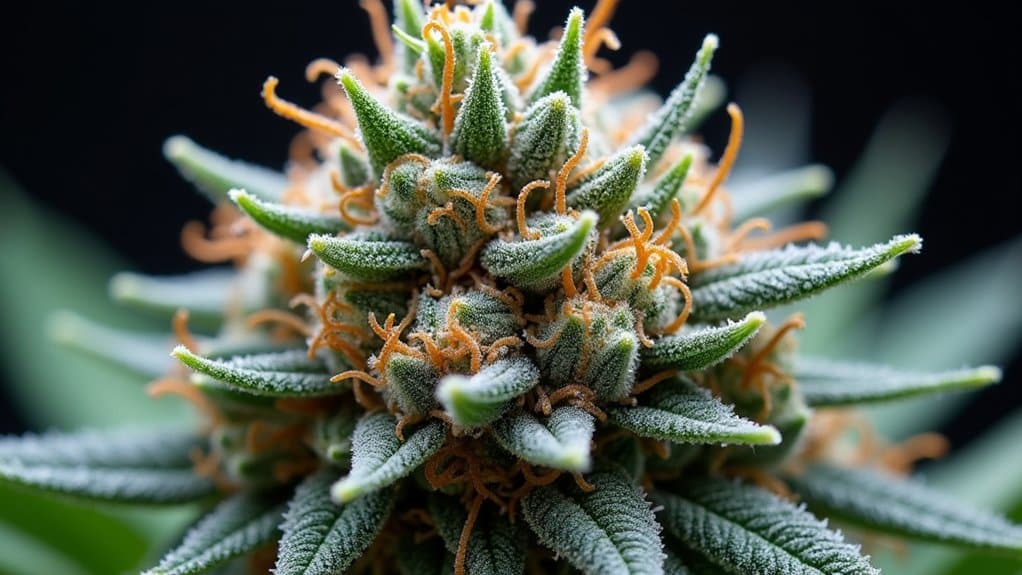
While many assume zaza refers to a specific cannabis strain, the term actually functions as slang for premium, exotic, top-shelf weed in today’s market. The word evolved from “exotic” through slang variations like “za-tic” to “za” to “zaza,” emphasizing rarity and status. However, ZaZa is also a specific strain created by South Bay Genetics, bred from Scotts OG and Gas Station Bob.
While many assume zaza refers to a specific cannabis strain, the term actually functions as slang for premium, exotic, top-shelf weed in today’s market, a distinction often clarified in discussions of zaza vs weed vs za. The word evolved from “exotic” through slang variations like “za-tic” to “za” and eventually “zaza,” emphasizing rarity, quality, and status. However, ZaZa is also a specific strain created by South Bay Genetics, bred from Scotts OG and Gas Station Bob.
When you’re asking what does zaza do or what does zaza feel like, you’re typically inquiring about high-THC, boutique strains with distinct terpene profiles. Good zaza features exotic genetics, unusual colors, heavy trichome coverage, and complex flavors. The zaza THC level often exceeds average strains, contributing to the intense zaza high users report. These strains are typically indica-dominant hybrids with THC levels exceeding 20%, delivering a calming high that sets them apart from standard offerings.
Premium zaza represents luxury-tier cannabis positioned above standard top-shelf offerings. Is zaza weed good? Its reputation stems from how does zaza make you feel, typically delivering powerful, memorable experiences that justify higher prices. The rise of zaza reflects the maturation of the cannabis market, where cultivation has become a refined art form prioritizing unique genetics, complex flavors, and visually stunning buds.
How Strong Is Zaza? THC Levels and Lab Data
When you’re evaluating Zaza’s strength, lab data provides the clearest picture of what you’re actually consuming. Most verified Zaza strains test between 18, 24% THC, placing them in the moderately to highly potent category, above average dispensary flower but below ultra-premium cultivars that push past 30%. You’ll find this potency range consistent across multiple batches, with CBD levels typically under 1%, meaning there’s little to buffer THC’s psychoactive intensity. Some rare Zaza variants exceed 25% THC, delivering an even more intense experience for seasoned consumers. The strain’s varied terpene profile, including myrcene, limonene, caryophyllene, linalool, and pinene, works alongside the THC to shape the overall experience and contribute to its distinctive effects. Rigorous backcrossing strategies by South Bay Genetics have stabilized the ZaZa line, which helps explain why THC concentrations remain so consistent across different cultivations.
Typical THC Range Explained
The THC content in Zaza weed typically falls between 18-21%, with some batches testing as high as 24% under ideal growing conditions. This thc potency places Zaza firmly in the high-grade category, exceeding many standard strains on the market.
Your experience with Zaza’s strength depends on several factors. Cultivation practices, environmental conditions, and harvest timing all influence the final THC concentration. Lab testing through gas chromatography confirms these variations exist between batches and growing regions.
The strain’s low CBD content (0.87-1.11%) amplifies the psychoactive effects you’ll feel from the THC. This cannabinoid ratio creates pronounced euphoria and sedation rather than balanced relief. Scientific research shows that high-THC strains like Zaza significantly activate cannabinoid receptors in the brain, producing both euphoric and analgesic responses. If you’re a beginner, expect intense effects that may feel overwhelming compared to lower-potency options. As an indica-leaning hybrid with 70% Indica dominance, Zaza delivers both a powerful body-stone and strong head-high that contributes to its intense overall experience. The term “Zaza” has also become widely used in popular rap songs, which has contributed to its reputation as a premium, exotic cannabis variety.
Lab-Tested Potency Data
Because independent lab testing provides the most reliable measure of cannabis potency, examining verified data offers a clearer picture of Zaza’s actual strength. Statistical analysis of 50 separate samples from various growers shows a standard deviation of only 3% in THC concentration, demonstrating remarkable consistency. This predictability helps you anticipate the psychoactive effects before consumption.
Lab results consistently place Zaza in the high-potency category, distinguishing it from average cannabis strains. The actual Zaza strain is an Indica-dominant hybrid created by South Bay Genetics as a cross between Scotts OG and Gas Station Bob.
- THC levels range between 18% and 24% across multiple tested batches
- Cannabinoid variance remains below 7% in controlled growing environments
- Rare variants exceed 25% THC, with some reportedly reaching 30%
- CBD content stays under 1%, intensifying psychoactive effects
- Standard cannabis strains test noticeably lower at 10-18% THC
These metrics confirm Zaza’s reputation as premium, potent cannabis.
How Zaza Weed Actually Feels
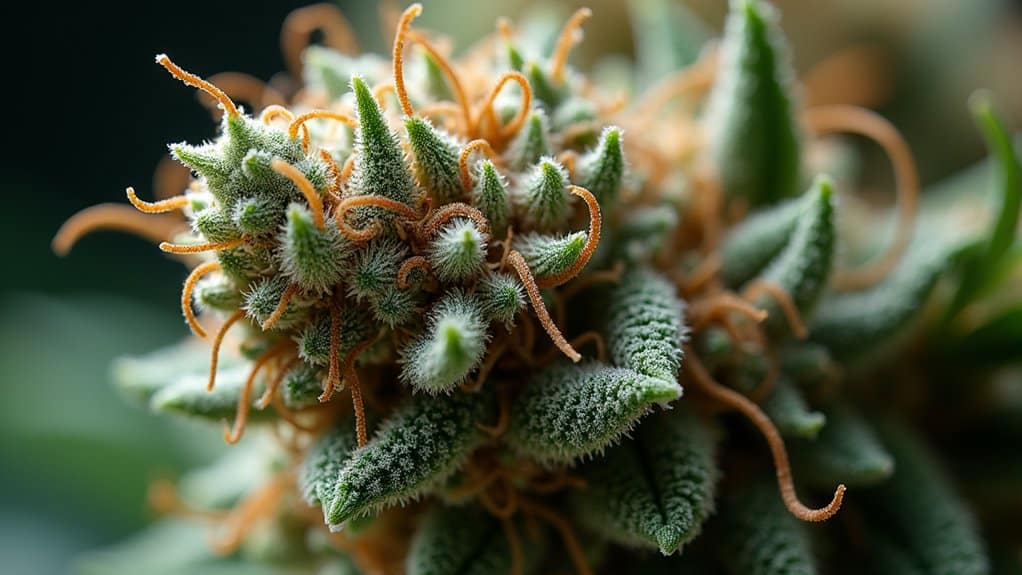
Given its reputation as elite cannabis, Zaza weed delivers a psychoactive experience that’s distinctly more intense than standard flower. You’ll notice a fast-acting onset that brings a strong wave of euphoric effects and immediate mood elevation. The cannabis high typically balances body-melting relaxation with a mentally floaty, sometimes trippy headspace.
Initially, you may experience mental clarity and focused calm, but this shifts into hazier, dreamier thinking as effects progress. The physical sensations include a warm body buzz and weighted-blanket feeling that often leads to pronounced couch-lock. Many users find the experience perfect for winding down and watching videos or zoning out to music. The strain’s terpene profile, featuring linalool and caryophyllene, contributes to its deeply calming physical effects.
What sets Zaza apart is its creeping intensity, effects build from mild relaxation to heavy intoxication quickly. Low-tolerance users should approach cautiously, as higher doses increase the risk of anxiety or paranoia. The high typically persists for extended periods before tapering into deep sedation.
Zaza vs Regular Weed: Is the Hype Real?
When comparing zaza to regular weed, you’ll find measurable differences that go beyond marketing hype, THC levels in zaza strains typically range from 18, 25%, compared to 10, 18% in standard mid-grade flower. The visual and aromatic distinctions are equally concrete, with zaza featuring brighter colors, heavier trichome coverage, and complex terpene profiles dominated by myrcene, caryophyllene, and limonene. Premium zaza strains like Pink Zaza deliver a calming yet euphoric high that makes them suitable for both day and night use. Whether these differences justify the premium price depends on what you’re prioritizing: potency, flavor experience, or simply the aesthetics of your cannabis.
THC Levels Compared
Most zaza flower tests between 20, 25% THC, with premium batches occasionally exceeding 30%, while regular commercial weed typically falls in the 10, 18% range. This gap explains why you’ll notice a significant difference in intensity when smoking zaza versus standard dispensary options.
Key THC comparisons:
- Zaza strains average 20, 25%+ THC; regular weed sits around 12, 18%
- The named ZaZa cultivar from South Bay Genetics tests at 18, 24% THC
- Industry standards classify anything above 20% as “very potent”
- Premium exotics sometimes reach 30, 35% THCA on lab reports
- CBD content in zaza typically stays below 1%, maximizing psychoactive effects
You should verify potency through Certificates of Analysis when possible. Street-sold zaza often lacks lab verification, meaning advertised THC levels may not match reality despite premium pricing.
Flavor and Appearance Differences
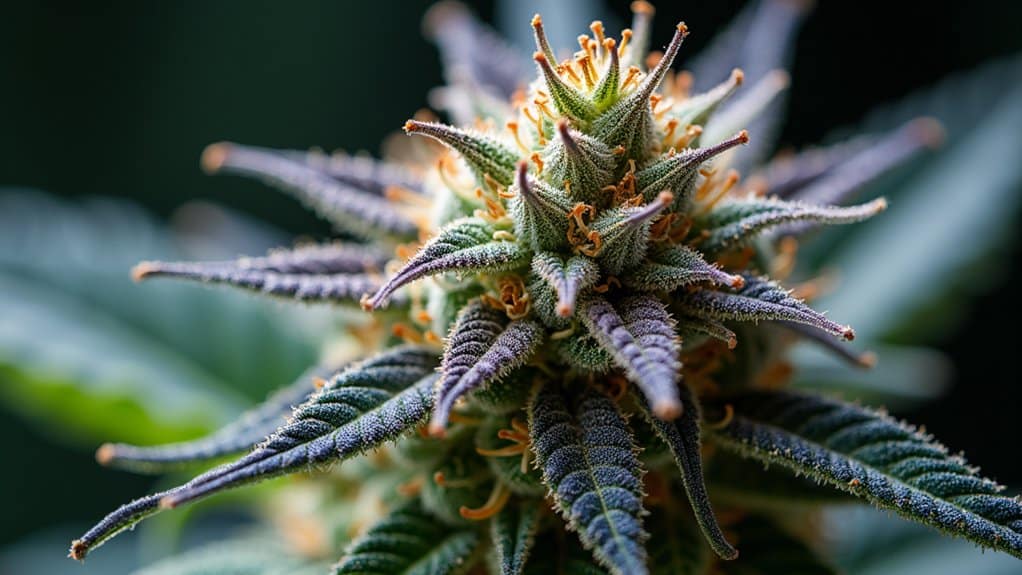
Although THC percentages grab most of the attention, zaza’s visual and sensory characteristics often distinguish it from regular weed before you even take a hit. You’ll notice zaza buds display deep greens with pronounced purples, blues, or near-black tones, while mid-shelf flower typically presents uniform, muted greens. Zaza’s bright orange to fiery red pistils create stark contrast against dark calyxes, producing a multi-tone mosaic effect.
Trichome coverage tells another story. Zaza consistently shows a thick, frosty blanket of crystalline trichomes with dense, rock-hard bud structure. Regular weed often appears less saturated and looser. This premium appearance reflects genetics like Zaza F2, which traces its lineage to Scotts OG x Gas Station Bob.
Aroma differences prove equally distinct. Zaza delivers pungent, complex, “loud” profiles featuring layered earthy, gassy, or citrus notes. Standard flower more often presents simpler scents without strongly distinctive characteristics. Zaza weed look like an experience that goes beyond just the aroma, as its visually striking buds often showcase vibrant hues that attract seasoned cannabis enthusiasts. The interplay of colors in Zaza can range from deep purples to bright greens, inviting consumers to not only enjoy the scent but also appreciate the aesthetic appeal. This visual allure, combined with its exceptional scent profile, places Zaza in a league of its own among various strains available on the market.
Price Worth the Premium
The price gap between zaza and regular weed raises a straightforward question: does the premium actually match the product?
Zaza typically costs 25, 50% more per gram than mid-shelf flower in legal markets. You’re paying for THC levels that often reach 20, 30%, compared to 10, 18% for regular strains. However, cost per milligram of THC frequently favors standard weed.
Key value considerations:
- Higher potency means you’ll use smaller amounts per session
- Mid-shelf strains deliver more THC per dollar in most markets
- Brand reputation and scarcity drive a portion of zaza pricing
- Inexperienced users risk wasting cannabinoids by overconsuming
- Strains testing 15, 22% THC often provide comparable functional effects
Your tolerance level and consumption habits ultimately determine whether zaza’s premium delivers genuine value.
Terpenes Behind Zaza’s Flavor and Effects
Zaza’s distinctive flavor and aroma stem directly from its terpene composition, where myrcene dominates at 40-50% of total terpene content. You’ll notice earthy, sedative notes that define the strain’s character. Limonene contributes citrus brightness at 10-15% concentrations, while pinene adds pine-like aromatics with documented anti-inflammatory properties.
The terpene-cannabinoid interaction creates measurable synergy. When you consume Zaza, myrcene and THC combine to enhance relaxing and pain-relieving effects, with perceived onset times as quick as five minutes when smoked. Limonene’s uplifting properties balance myrcene’s sedation, producing both euphoria and relaxation.
Total terpene content often exceeds 2-3%, confirmed through GC-MS lab testing as among the highest for similar indica varieties. Caryophyllene and linalool add therapeutic depth, targeting anxiety and stress.
Who Should Try Zaza and Who Should Pass?
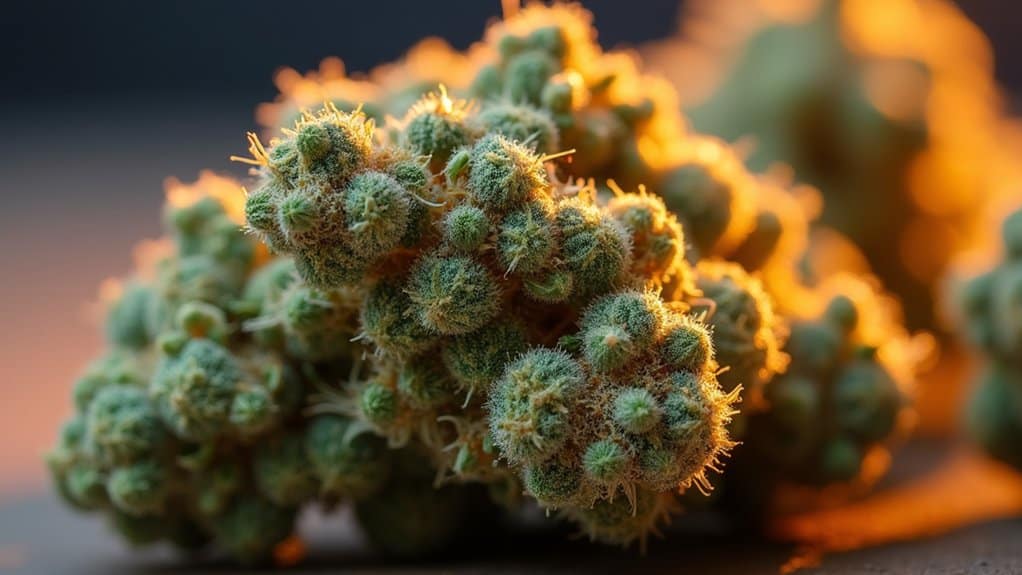
Understanding Zaza’s terpene profile and potency helps you determine whether this strain matches your needs and tolerance level. Zaza’s high THC content (19, 30%) demands respect from consumers.
You’re likely a good candidate if you:
- Have established tolerance to 20, 30% THC strains
- Seek deep physical relaxation or sedation for low-activity periods
- Experience appetite challenges or difficulty with sleep onset
- Want stress relief during evenings or rest days
- Understand your personal limits with potent cannabis
Consider avoiding Zaza if you:
- Are new to cannabis or have low THC tolerance
- Have a personal or family history of psychosis or severe mood disorders
- Need cognitive precision for work, caregiving, or driving
- Have cardiovascular conditions or uncontrolled hypertension
- Are prone to overconsumption with hyped products
Zaza Side Effects and Risks to Know
Because Zaza products span high-THC cannabis strains and tianeptine-laced gas station formulations, the side effect profile varies dramatically depending on what you’re actually consuming.
High-THC Zaza weed commonly triggers dry mouth, dry eyes, palpitations, and increased heart rate. You may experience blood pressure spikes of 10, 15 points and heart rate increases of 15, 25 beats per minute. Psychological effects include paranoia, panic attacks, and severe anxiety episodes, particularly at higher doses. With THC content exceeding 30%, these potent strains can intensify adverse reactions significantly compared to standard cannabis.
Tianeptine-based Zaza carries vastly greater risks. You’ll likely experience sedation, dizziness, nausea, and constipation. The addiction potential rivals opioids, with rapid dependence development and withdrawal symptoms requiring medical intervention. Overdose signs include respiratory depression, confusion, seizures, and potentially death, especially when combined with other depressants. The FDA has issued warnings about these dangers, with poison control center cases rising dramatically from just 1 between 2000-2013 to 151 in 2020.
Frequently Asked Questions
Can You Build a Tolerance to Zaza Weed Faster Than Regular Strains?
Yes, you can build tolerance to Zaza weed faster than regular strains. When you consume Zaza’s higher THC levels (often 20, 30% versus 10, 18% in standard cannabis), you’re exposing your CB1 receptors to greater stimulation per session. This accelerates receptor downregulation, the primary mechanism behind tolerance. Zaza’s typically low CBD content also eliminates THC modulation, intensifying this effect. You’ll likely need to escalate your dose sooner compared to moderate-potency strains.
Does Zaza Weed Show up Differently on Drug Tests?
No, zaza weed doesn’t show up differently on drug tests. Standard urine screenings detect THC-COOH, the metabolite your body produces from delta-9-THC, regardless of the strain’s marketing label. Since zaza is simply high-potency cannabis rather than a distinct compound, you’ll trigger the same “cannabinoids positive” result as any other marijuana product. However, heavier use of potent strains may extend your detection window due to increased THC-COOH accumulation in your system.
How Should Zaza Weed Be Stored to Maintain Its Potency?
Store your zaza weed in airtight, UV-resistant glass jars to limit oxygen exposure and block light. Keep it in a cool, dark location between 60, 70°F with relative humidity around 58, 62%. You’ll want to use humidity-control packs to stabilize conditions and avoid plastic bags, which promote terpene loss. Don’t grind until you’re ready to use, and minimize how often you open the container to prevent oxidation.
Is Zaza Weed Legal in All States Where Cannabis Is Permitted?
No, zaza weed isn’t automatically legal everywhere cannabis is permitted. Since “zaza” is slang for exotic, high-quality cannabis rather than a legal category, its legality depends on the product’s actual composition. High-THC zaza flower requires state-licensed dispensaries in legal markets. THCa hemp products marketed as zaza face restrictions in states like Idaho, Oregon, and Arkansas despite federal hemp legality. You’ll need to verify your specific state’s cannabinoid regulations before purchasing.
Can Zaza Weed Be Used in Edibles or Concentrates?
Yes, you can use zaza weed in both edibles and concentrates. Its high THC concentrations (19-30%) and rich terpene content exceeding 2-3% make it well-suited for extraction processes. However, you’ll need to calculate dosages carefully due to its intense potency. Lab testing shows zaza’s consistent cannabinoid profiles support reliable concentrate manufacturing, while its full-spectrum composition allows you to retain the entourage effect in processed products.