






Zaza weed refers to premium, exotic cannabis that typically tests above 20% THC and represents the highest quality tier available. The term originated from “exotic,” shortened through hip-hop culture to “za-tic” and eventually “zaza.” While there’s an actual strain called Zaza from South Bay Genetics, the word more commonly describes any elite flower with dense buds, complex terpene profiles, and exceptional potency. Below, you’ll discover exactly what separates authentic zaza from overhyped imitations.
Zaza weed refers to premium, exotic cannabis that typically tests above 20% THC and represents the highest quality tier available, a distinction central to understanding zaza and za meanings in modern cannabis culture. The term originated from “exotic,” shortened through hip-hop slang to “za-tic” and eventually “zaza.” While there is an actual strain called Zaza developed by South Bay Genetics, the word more commonly describes any elite flower featuring dense buds, complex terpene profiles, and exceptional potency. Below, you’ll discover exactly what separates authentic zaza from overhyped imitations.
What Does Zaza Actually Mean?
Zaza refers to exotic or premium cannabis strains known for exceptional potency, complex aroma, and superior genetics. You’ll find this term used to describe top-shelf marijuana that typically exceeds 20-30% THC content, reserved for experienced users seeking elite sensory experiences.
The word functions as both a noun and adjective in dispensaries, signaling the “best of the best” flower available. When budtenders mention zaza, they’re pointing you toward rare cultivars grown under superior standards, often indoor or hydroponic methods, that command premium prices. The term is believed to be derived from “exotic”, shortened through slang evolution into “za-tic” and eventually “zaza.” Rap lyrics have played a major role in popularizing the term, associating it with luxury and high-quality weed.
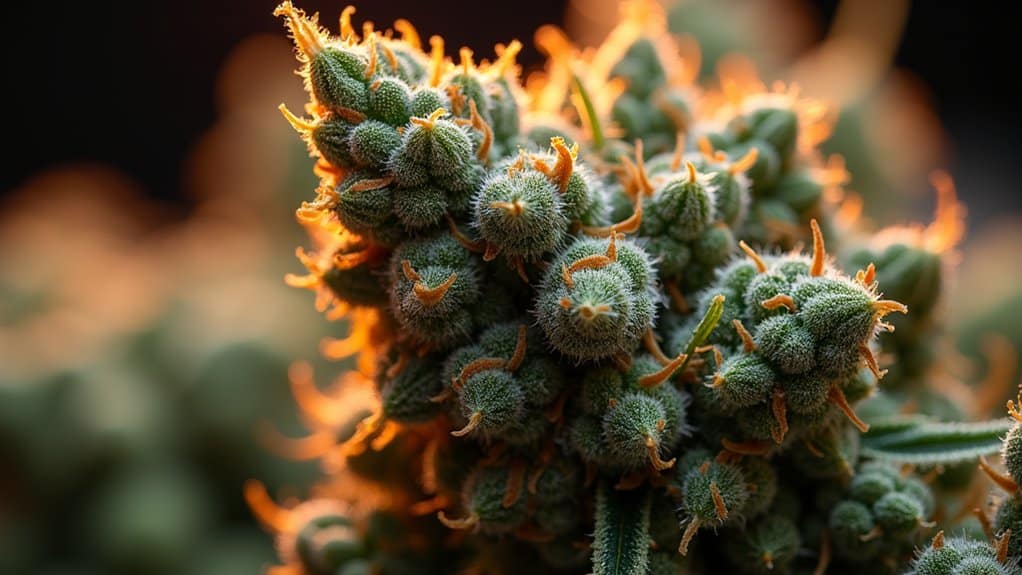
What sets zaza apart is the complete package: meticulous cultivation practices, exceptional terpene preservation, and verified lab testing. You’re not just paying for potency; you’re investing in complex flavor profiles, striking visual appeal with dense, trichome-covered buds, and genetics that deliver balanced, memorable effects. Strains earn exotic status through a combination of limited availability, unique appearance featuring unusual colors like lavender or black buds, and rare flavor profiles that distinguish them from common varieties.
Is Zaza a Strain or Just a Quality Grade?
The label on a dispensary jar can spark genuine confusion, zaza operates as both a quality grade and an actual strain name.
South Bay Genetics created an indica-dominant hybrid called Zaza, crossing Scotts OG with Gas Station Bob. This specific cultivar delivers THC levels between 19-21% with sour lemon and spicy diesel notes. You’ll find it listed on dispensary menus as Za Za or Zaza, a distinct genetic lineage you can verify.
Simultaneously, budtenders and consumers use “zaza” as shorthand for any elite cannabis meeting strict criteria: exotic genetics, THC exceeding 20-25%, dense trichome coverage, and flawless cultivation. Runtz, Jealousy, or Bubba Kush can all earn zaza status when they hit peak quality. The term itself originates from the word exotic and spread widely through hip-hop culture and rap lyrics. This dual usage rose sharply between 2019 and 2021, framing zaza as synonymous with top-shelf cannabis in mainstream conversations. 21 Savage’s 2019 track helped catapult the term into mainstream vocabulary, making it a marker of prestige among cannabis enthusiasts.
Context determines meaning. Check whether you’re buying the cultivar or simply top-shelf flower.
Traits That Make Weed Qualify as Zaza
Before cannabis earns the zaza label, it must check every box on a demanding list of criteria that separates elite flower from standard dispensary stock.
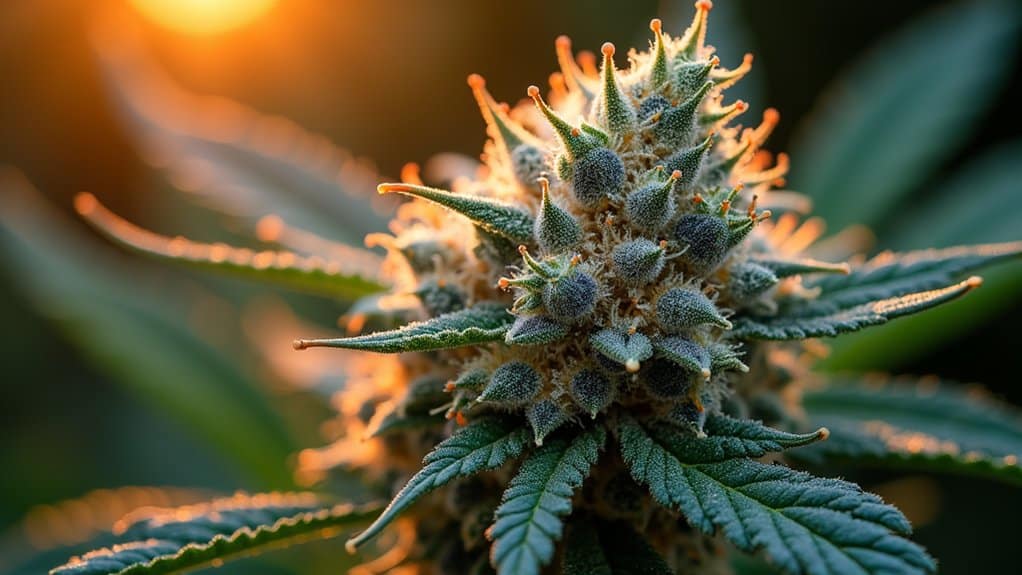
You’re looking for dense, rock-hard buds with a chunky pine-tree structure that’s difficult to break by hand. The visual appeal should stop you cold, deep purples, fiery red pistils, and a thick coating of crystalline trichomes creating that coveted frosty appearance. Top-shelf zaza buds can reach up to 2-3 inches in diameter, showcasing their impressive structural quality.
The aroma profile demands complexity. Expect pungent, earthy notes layered with floral undertones and subtle sweetness. Terpenes like linalool, caryophyllene, and myrcene should announce themselves immediately. True zaza strains also feature limonene and pinene, contributing to that exotic and captivating scent profile.
Genetics matter equally. Zaza-worthy flower typically comes from rare boutique lines, think rigorous backcrossing that stabilizes uniformity. You won’t find these genetics in mass-market cultivation; they’re deliberately scarce and meticulously bred. Breeders like South Bay Genetics, led by Flora Nugs in Southern California, have built reputations creating these exclusive strains.
Why Zaza Hits Harder: THC, Terpenes, and Potency
When you crack open a jar of authentic zaza, you’re encountering flower that routinely tests between 19% and 25% THC, a concentration that sits well above the 10-18% range typical of standard dispensary stock. This heightened potency translates directly to more intense psychoactive effects, requiring experienced users or careful dosing from newcomers.
But THC alone doesn’t explain why zaza hits differently. The dominant terpenes, myrcene, caryophyllene, and limonene, work synergistically with cannabinoids to shape your experience. Myrcene contributes anti-inflammatory properties that enhance THC’s analgesic effects, while limonene adds mood-boosting qualities. These terpene profiles create the strain’s distinctive aroma of pine, diesel, and citrus that enthusiasts recognize immediately.
Zaza also exhibits “creeper” characteristics, meaning potency builds gradually rather than peaking immediately. You’ll notice initial euphoria and mental stimulation before shifting into deeper relaxation, with many users reporting eventual couch-lock during evening sessions. This balanced effect makes elite zaza strains suitable for both day and night use, allowing users to tailor their experience based on timing and personal tolerance.
How to Spot Real Zaza and Avoid Overhyped Flower
Separating authentic zaza from overhyped flower requires examining several key markers that dispensaries and cultivators can’t easily fake.
Key authenticity indicators:
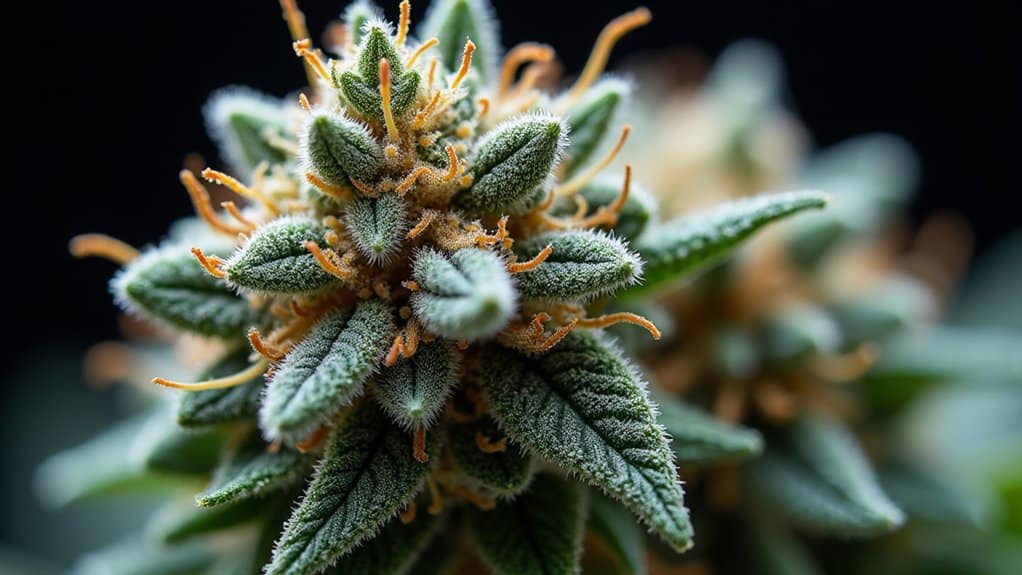
- Structural density, Real zaza features rock-hard buds that resist breaking by hand, with tight colas measuring 2-3 inches in diameter under ideal cultivation.
- Trichome coverage, You’ll notice an abundant frosty coating of crystalline resin, signaling high potency and proper harvesting timing.
- Color complexity, Authentic strains display distinctive hues ranging from deep purples and lavenders to bright neon green buds with fiery red or thin orange pistils, often accented by delicate orange pistils weaving through the dense nugs.
- Lab verification, Legitimate zaza tests between 18-24% THC with cannabinoid variance under 7% across harvests, confirmed through third-party COAs.
Scarcity also matters, if it’s everywhere, it’s likely overhyped rather than genuinely elite.
Why Does Zaza Cost So Much?
You’ve probably noticed that Zaza commands a substantially higher price tag than standard flower, and there’s solid reasoning behind those numbers. Premium cultivation costs drive much of the expense, as indoor-grown Zaza requires precisely controlled environments with optimized lighting, humidity, and nutrient systems that standard grows simply don’t demand. Add in the fact that rare genetics from specialized breeders like South Bay Genetics limit mass production, and you’ve got a supply-demand equation that naturally pushes prices upward. With THC levels reaching 19, 32%, Zaza delivers a potency that justifies its premium positioning in the market. At Ohio dispensaries, eighths often sell for $60 or more, while standard strains typically cost $30, $40 in comparison. The hip-hop industry’s embrace of Zaza as a symbol of rarity and luxury has further elevated its cultural cachet, allowing dispensaries to maintain those premium price points.
Premium Cultivation Costs
The premium price tag attached to Zaza weed reflects the intensive cultivation practices required to produce top-shelf cannabis. You’re paying for small-batch growing methods where cultivators dedicate meticulous attention to individual plants, hand-trim buds to preserve trichomes, and implement precise climate control for supreme terpene preservation.
Four key factors drive Zaza’s lofty costs:
- High-quality inputs, Premium nutrients, advanced LED lighting systems, and CO2 enrichment dramatically increase operational overhead.
- Labor-intensive processes, Expert growers monitor plants daily, and skilled workers command higher wages than large-scale operations.
- Extended timelines, Careful curing periods tie up facility space and resources longer than standard strains.
- Regulatory compliance, Mandatory lab testing, state licensing fees, and tracking systems add substantial administrative expenses.
These combined factors make authentic Zaza inherently expensive to produce.
Rare Genetics Command Premiums
Rare genetics sit at the heart of Zaza’s premium pricing, and you won’t find these cultivars at just any dispensary. The strain’s lineage, crossing Scott’s OG with Gas Station Bob, creates a genetic profile that’s difficult to replicate. South Bay Genetics never released feminized seeds, keeping propagation exclusive and supply tight.
| Factor | Impact on Price | Market Reality |
|---|---|---|
| Limited seed availability | High | No feminized options exist |
| Complex parent genetics | Medium-High | Requires skilled breeding |
| Regional scarcity | High | Common in Netherlands, rare in U.S. |
You’re paying for exclusivity when you purchase Zaza. Few grow reports exist, cultivation data remains scarce, and dispensaries stock it inconsistently. This controlled scarcity drives demand among discerning consumers willing to pay premium prices for verified genetics.
How Zaza Went From Atlanta Slang to Dispensary Label
You can trace zaza‘s journey from Zone 6 street code to mainstream cannabis terminology through Atlanta’s trap music scene, where rappers like Lil Keed and Ola Runt first popularized the term in 2019. Hip-hop’s cultural influence then propelled zaza into viral memes, TikTok trends, and playlist staples, transforming insider slang into a globally recognized marker of premium weed. Today, you’ll find dispensaries and brands leveraging zaza as a marketing label, packaging strains in custom mylar bags that capitalize on the term’s street credibility and luxury associations.
Atlanta Rap Scene Roots
Before Zaza landed on dispensary menus, it lived in Atlanta’s trap scene as clipped slang for exotic cannabis. The term emerged in the late 2010s through a linguistic shortening process: “exotic” became “zotic,” then “zaza,” and finally “za.” Zone 6 in East Atlanta served as ground zero for this evolution.
Key moments that shaped Zaza’s rise:
- Lil Keed posted “Zaza” on Instagram (June 22, 2019), sparking Zone 6 buzz
- Ola Runt tweeted “EXOTIC WEED= ZAZA” (December 1, 2019), claiming he coined it
- Money Man and Ola Runt dropped tracks referencing Zaza in February 2020
- 21 Savage and Moneybagg Yo popularized “smokin’ on zaza” throughout 2020
You’ll find the term traveled from Atlanta blocks to YSL lyrics before reaching mainstream dispensaries.
Hip-Hop’s Mainstream Push
Once Atlanta rappers started dropping Zaza in their tracks, the term’s trajectory shifted from local slang to national cannabis vocabulary. You’ll notice how artists like 21 Savage and Moneybagg Yo positioned Zaza alongside luxury cars and designer labels, cementing its status as a wealth signifier.
| Artist | Year | Cultural Impact |
|---|---|---|
| Ola Runt | 2019 | First major tweet linking exotic to Zaza |
| Lil Keed | 2019 | Amplified term in Atlanta trap music |
| 21 Savage | 2020 | Heightened status symbol connotation |
| Moneybagg Yo | 2020 | Connected Zaza to premium pricing ($35/bag) |
| Gen Z Users | 2021 | Viral spread via TikTok and Instagram |
Social media accelerated this migration dramatically. By 2021, you’d find the term everywhere, though purists argue mainstream adoption diluted its original exclusivity.
Dispensary Marketing Adoption
The leap from street corners to retail shelves happened faster than most industry veterans predicted. Marketing departments recognized the trending hashtag #zaza across social media platforms and saw an opportunity. You’ll now find licensed dispensaries integrating the terminology into their product categorization, with strategic labeling that capitalizes on consumer familiarity.
Dispensaries began marketing specific batches as “real Zaza” to generate exclusivity and justify premium price points. Here’s what drove the shift:
- Medical cannabis legalization across 40 states expanded product availability
- Recreational legalization in 24 states created larger consumer bases for premium branding
- Metropolitan markets like New York City reported up to 15% year-over-year increases in premium strain interest
- Featured coverage in publications like Seed Finder Journal provided industry validation
You’re witnessing underground terminology become legitimate retail strategy.
Is Zaza Just Marketing Hype Now?
Zaza’s journey from elite cannabis descriptor to ubiquitous buzzword raises legitimate questions about whether the term still carries real meaning. When every seller claims “that Za,” the exclusivity erodes fast. Online shops and plugs promise “exotic Zaza strains” without providing lab reports or verification.
You’re right to be skeptical. The linguistic inflation diluting Zaza’s meaning reflects broader marketing overuse across the cannabis industry. However, the term isn’t entirely hollow, it depends on who’s using it.
Strict definitions still reserve Zaza for ultra-rare cultivars with verifiable quality markers: 20%+ THCa, 2%+ terpenes, and batch-matched COAs. The problem isn’t the term itself but its unregulated application. Smart consumers now look past buzzwords entirely, prioritizing minor cannabinoids, terpene profiles, and transparent sourcing over generic “premium” claims that lack documentation.
Zaza May Be the Question Recovery Is the Answer
Zaza weed is rising in popularity, but so is awareness of the dependency risks that come with regular use, especially for those who do not yet recognize the early warning signs in themselves. Simonds Recovery Center delivers specialized cannabis rehab in Granada Hills designed to help individuals break habitual use patterns through personalized behavioral therapy and structured clinical support. Serving individuals across Granada Hills, our +1 (833) 781-8338 team stands ready around the clock for a confidential conversation.
Frequently Asked Questions
Can Medical Marijuana Patients Benefit More From Zaza Than Standard Cannabis Flower?
You may benefit more from Zaza than standard cannabis flower due to its consistent quality and balanced cannabinoid profile. With predictable THC levels (19-21%) and minimal batch variation, you’ll experience more reliable effects for managing chronic pain, anxiety, and insomnia. The rich terpene content, including myrcene and caryophyllene, enhances the entourage effect, potentially delivering better therapeutic outcomes than variable standard flower with inconsistent potency and terpene profiles.
How Long Do the Effects of Zaza Typically Last Compared to Regular Weed?
You’ll typically feel Zaza’s effects for 2 to 3 hours, which exceeds standard cannabis duration due to THC levels ranging from 20% to 30%. The experience starts with a fast-acting cerebral rush, then shifts into deep physical relaxation. After the primary high fades, you’ll notice a gentle, mood-stabilizing state that lingers considerably longer. Your individual tolerance, consumption method, and the strain’s specific terpene profile will influence your exact timeline.
Does Zaza Produce More Anxiety or Paranoia Than Lower-Potency Cannabis Strains?
Yes, Zaza’s heightened THC levels (20-30%+) can trigger more anxiety and paranoia than lower-potency strains, particularly if you have low tolerance. The intense psychoactive effects hit harder and faster, overwhelming inexperienced users. However, Zaza’s full-spectrum cannabinoid profile, including CBD and CBG, along with balanced terpenes may actually mitigate these effects for some. About 22% of users report anxiety relief. Your individual tolerance ultimately determines whether you’ll experience heightened paranoia or therapeutic calm.
What’s the Best Way to Store Zaza to Preserve Its Potency and Flavor?
Store your zaza in airtight glass jars, mason or amber glass works best, filled 70-80% full to limit oxygen exposure. Keep temperatures between 50-60°F and maintain 55-62% relative humidity using control packs and a hygrometer. Store jars in dark locations away from UV light, and burp them regularly during the first week of curing. For storage beyond three months, consider vacuum-sealing to preserve those premium terpenes and cannabinoids.
Are There Specific Consumption Methods That Work Best for Enjoying Zaza Weed?
You’ll get the most from Zaza by choosing methods that preserve its complex terpene profile. Dry herb vaporizers deliver the smoothest experience while maintaining cannabinoid integrity, desktop units excel here. If you prefer smoking, bongs filter the smoke for cleaner hits. For longer-lasting effects, try infusing Zaza into edibles, but start with small doses given its 20-25% THC potency. Dabbing concentrated extracts offers the most intense experience for seasoned consumers.