






Tapering Zoloft safely depends on your starting dose because sertraline’s receptor occupancy follows a hyperbolic curve. From 100 mg, you’ll typically reduce by 10-25% every two to four weeks. At 50 mg, you’ll need proportionally smaller cuts, dropping to 40 mg, then 35 mg, then 30 mg. The final 25 mg phase takes longest, often requiring micro-reductions to 12.5 mg before stopping. Understanding each phase helps you minimize withdrawal symptoms throughout your taper. Tapering Zoloft safely depends on your starting dose because sertraline’s receptor occupancy follows a hyperbolic curve. If you’re weaning off Zoloft and starting Wellbutrin, the taper often needs even closer supervision to maintain mood stability during the transition. From 100 mg, you’ll typically reduce by 10, 25% every two to four weeks. At 50 mg, you’ll need proportionally smaller cuts, dropping to 40 mg, then 35 mg, then 30 mg. The final 25 mg phase takes longest, often requiring micro-reductions to 12.5 mg before stopping. Understanding each phase helps you minimize withdrawal symptoms throughout your taper.
Tapering Zoloft From 100 Mg: Week-By-Week Schedule
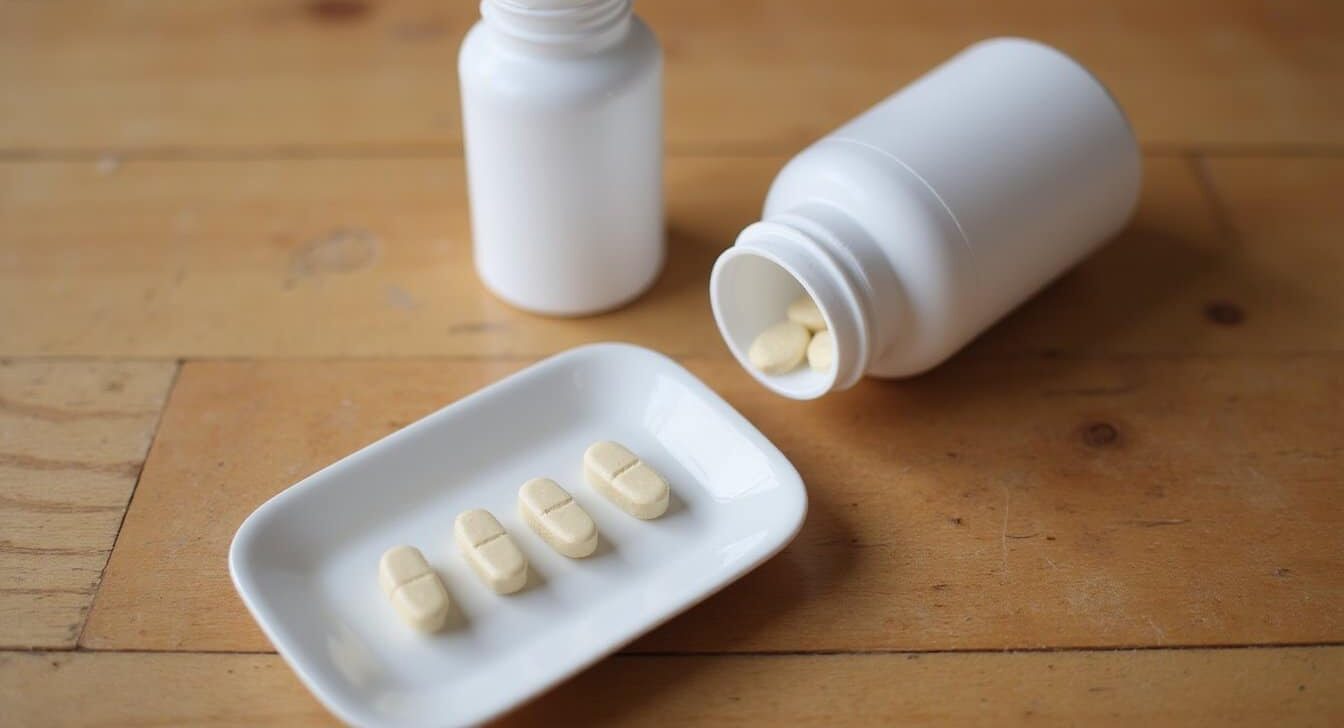
When tapering Zoloft from 100 mg, you’ll typically follow one of several established reduction protocols based on your individual response and clinical history. A standard zoloft taper schedule 100mg involves reducing sertraline dosage by 10% weekly, moving from 100 mg to 90 mg, then 80 mg, and continuing downward while maintaining consistent daily dosing.
Alternatively, the 50 mg halving schedule drops you to 50 mg daily for weeks one through two, then 25 mg for weeks three through four. For difficult withdrawal cases, hyperbolic ssri dose reduction decreases your dose by 25% every two to four weeks: 100 mg to 75 mg to 56 mg to 42 mg. Your clinician will adjust the timeline based on symptom monitoring and individual tolerance. Slower tapers are better tolerated than rapid reductions, particularly for patients who have been on the medication long-term. If you experience withdrawal symptoms such as dizziness, headaches, or nausea, your healthcare provider may temporarily pause the taper before continuing.
Tapering Zoloft From 50 Mg: Slower Steps, Smaller Cuts
Because sertraline’s receptor occupancy follows a hyperbolic curve, tapering from 50 mg requires proportionally smaller dose cuts than reductions from higher amounts. A zoloft taper schedule 50mg typically involves 10-25% reductions every two to four weeks, allowing your nervous system adequate time to adjust.
When tapering sertraline by dose at this level, you’ll follow a structured approach: reduce to 40 mg for weeks one through two, then 35 mg, progressing to 30 mg before decreasing zoloft from 50mg to 25mg. This gradual method minimizes withdrawal symptoms that typically peak within five days of each reduction.
Monitor for nausea, dizziness, and sleep disturbances throughout your taper. If symptoms become problematic, pause at your current dose until they resolve. Factors such as your age, body size, and hydration levels can influence how intensely you experience withdrawal during each step down. Full completion typically requires four to twelve weeks. Any medical decision-making should rely on clinical judgment and independently verified information in consultation with your healthcare provider.
The Final 25 Mg: Why This Phase Takes Longest

The final 25 mg phase presents the greatest tapering challenge due to sertraline’s hyperbolic dose-response relationship. When lowering zoloft dose at this stage, your brain experiences proportionally larger changes in serotonin receptor occupancy than during higher-dose reductions. This nonlinear tapering need explains why traditional linear cuts from 25 mg to zero often trigger significant withdrawal symptoms.
A zoloft taper schedule 25mg should incorporate smaller percentage-based reductions. Evidence supports reducing to 12.5 mg daily for one to two weeks, then shifting to alternate-day dosing before discontinuation. For sensitive individuals, micro-tapering with 10% reductions weekly or monthly minimizes symptom emergence. The final steps should be smallest to prevent discontinuation syndrome during this critical phase.
Sertraline’s 22-36 hour half-life means withdrawal symptoms can appear within one to three days after your final dose. Research indicates that approximately 56% of people stopping SSRIs like Zoloft experience withdrawal symptoms, making careful monitoring essential during this vulnerable period. Schedule follow-up appointments during this phase to monitor your response and adjust accordingly.
Recovery is within reach, and medical detox is the foundation. At Simonds Recovery Centre, our compassionate team in Los Angeles provides personalized, evidence-based care tailored to your needs. We offer medically supervised detox, intensive addiction treatment, residential rehabilitation, and flexible outpatient support guiding you through every stage of recovery. You deserve a life free from dependency. Call +1 (833) 781-8338 today and take the first step toward healing.
Frequently Asked Questions
Can I Switch to Liquid Zoloft to Measure Smaller Doses During Tapering?
Yes, you can switch to liquid Zoloft for precise dose measurements during tapering. The liquid formulation contains 20 mg/mL, allowing you to measure exact small doses using a syringe. NICE guidelines specifically recommend liquid versions when tablets can’t achieve the small reductions needed for gradual tapering. You’ll want to consult your prescriber about moving from one formulation to another and allow your body time to adjust after changing formulations.
How Do Zoloft Taper Schedules Differ for Elderly Patients Versus Younger Adults?
You’ll find elderly patients require slower tapering with extended time at each dose level due to heightened sensitivity to serotonin changes. While younger adults often tolerate standard hyperbolic reductions of 10% every 1-2 weeks, elderly individuals benefit from even more gradual decreases, sometimes taking longer than the typical 2-4 months. Both groups should avoid rapid 10-14 day tapers for long-term use, but elderly protocols prioritize tolerability over speed.
Should I Adjust My Taper Schedule if I’m Taking Other Medications Simultaneously?
Yes, you should adjust your taper schedule when taking other medications simultaneously. Concurrent drugs can affect sertraline metabolism and either mask or intensify withdrawal symptoms. You’ll need to work with your healthcare provider to evaluate all prescriptions before finalizing your taper plan. Certain combinations may require slower reduction protocols, extended washout periods, or micro-tapering approaches. This coordination helps prevent adverse interactions and serotonin-related complications during discontinuation.
What Happens if I Accidentally Miss a Dose During My Taper Schedule?
If you accidentally miss a dose during your taper, take it as soon as you remember, unless you’re close to your next scheduled dose. Don’t double up, as this increases serotonin syndrome risk. Zoloft’s 26-hour half-life means withdrawal symptoms like dizziness, nausea, or “brain zaps” can emerge within 24-48 hours. Contact your prescriber if you’ve missed two or more consecutive doses, as they may need to adjust your tapering plan. If you accidentally miss a dose during your taper, take it as soon as you remember, unless you’re close to your next scheduled dose. If you’re asking is it safe to go off Zoloft cold turkey, the short answer is no for most people, because abrupt changes increase withdrawal risk. Don’t double up, as this raises serotonin syndrome risk. Zoloft’s 26-hour half-life means withdrawal symptoms like dizziness, nausea, or “brain zaps” can emerge within 24, 48 hours. Contact your prescriber if you’ve missed two or more consecutive doses, as they may need to adjust your tapering plan.
Are Zoloft Taper Schedules Different for People With Anxiety Versus Depression?
Standard protocols don’t differentiate Zoloft taper schedules based on whether you’re treating anxiety versus depression. Your taper follows the same general principles regardless of diagnosis, gradual reductions of 10-25% every few weeks with careful monitoring. What matters more is your dose, treatment duration, and individual response. However, discontinuation symptoms can mimic both conditions, making it essential you work closely with your physician to distinguish withdrawal from potential relapse.