






Zaza and za both trace back to “exotic” slang for rare, top-shelf cannabis with THC levels topping 30%. You’ll hear these terms used interchangeably, though zaza typically emphasizes premium quality while za serves as quick shorthand. Weed remains the catch-all for any cannabis, regardless of grade. Hip-hop artists like 21 Savage and Lil Keed pushed these terms mainstream in the late 2010s, and understanding their origins reveals how cannabis culture shapes everyday language.
What Does Zaza Mean?
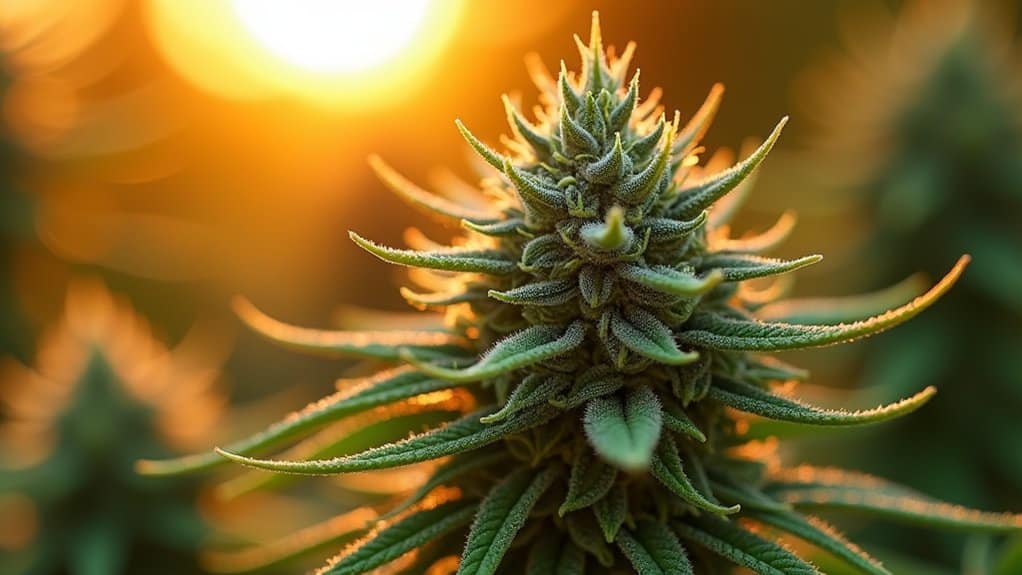
Zaza refers to high-quality, potent cannabis that stands apart from average weed. It’s a blanket term for elite flower featuring THC levels that can top 30%, exceptional aroma, and powerful effects. You won’t find zaza tied to one specific strain, it’s more of a quality designation for top-shelf, exotic marijuana.
The term evolved from “exotic,” which got shortened to “za-tic,” then “za,” before landing on “zaza.” This za slang for weed emerged in the late 2010s through hip-hop culture and online cannabis communities. When you hear someone call their stash zaza, they’re signaling it’s rare, visually impressive, and hits harder than standard options. Dispensaries often apply this label to premium cuts like Runtz or similar exotic genetics. Rappers like Future, Lil Durk, and Travis Scott have helped popularize the term through their lyrics, cementing zaza in mainstream cannabis vocabulary. Beyond music, TikTok trends and meme culture have embedded zaza into everyday vernacular, making it recognizable even outside traditional cannabis circles. With the cannabis market reaching a valuation of USD 33.60 billion in 2023, understanding terms like zaza has become increasingly important for consumers navigating this rapidly growing industry.
How “Exotic” Became “Zaza” in Hip-Hop Slang
The term “zaza” traces directly back to “exotic,” a word used to describe rare, top-shelf cannabis strains that stood apart from standard street weed. You can follow its phonetic journey as speakers shortened “exotic” to “za-tic,” then “za,” and finally “zaza”, a linguistic compression that emerged in Atlanta’s trap music scene during the late 2010s. Artists like Ola Runt, 21 Savage, and Lil Keed pushed the term into mainstream hip-hop vocabulary, transforming it from local slang into a cultural marker of quality and status. The viral success of Lil Mosey’s “Blueberry Faygo” in 2020 further cemented zaza as a household term among cannabis enthusiasts. In hip-hop lyrics, zaza functions as a symbol of luxury that signals wealth and refined taste to listeners. These strains typically feature indica-dominant hybrids with THC over 20%, delivering a potent, calming high that justified their premium reputation.
From Exotic to Zaza
How did “exotic” a term for rare, top-shelf cannabis morph into “zaza,” one of hip-hop’s most recognizable weed references? The evolution traces back to Atlanta’s late-2010s trap scene, where street code demanded verbal shortcuts. Dealers and artists clipped “exotic” to “za-tic,” then compressed it further to “za”giving us the za meaning weed enthusiasts recognize today.
The jump to “zaza” followed hip-hop’s love of rhythmic repetition. By doubling the syllable, artists like Ola Runt and Lil Keed created a term that rolled off the tongue and fit seamlessly into bars. In 2019, Ola Runt publicly claimed credit, tweeting “EXOTIC WEED= ZAZA.” From there, heavyweights like 21 Savage and Moneybagg Yo embedded the term into mainstream consciousness, cementing its status by 2020. The term gained traction because hip-hop culture idolizes the rich lifestyle, and zaza perfectly signified the most expensive, hard-to-find cannabis on the market.
Hip-Hop’s Linguistic Influence
Atlanta’s trap scene didn’t just birth zaza, it revealed hip-hop’s unmatched power to reshape how millions talk about cannabis. You’ve witnessed this evolution firsthand through artists like 21 Savage, whose 2019 hit “a lot” pushed za weed terminology into mainstream consciousness.
This linguistic shift follows a familiar pattern in cannabis slang. Street terminology moves from local crews to studio booths to streaming platforms within months. When Moneybagg Yo raps about charging thirty-five for “real ZaZa,” he’s not just describing flower, he’s establishing cultural currency.
Hip-hop has consistently driven this evolution, transforming descriptors from “gas” to “loud” to today’s zaza. You’re watching rappers, influencers, and meme-makers collaborate unconsciously, turning niche street language into symbols that reshape how entire generations perceive and discuss premium cannabis.
Slang Evolution Timeline
Before “zaza” dominated trap lyrics and Instagram captions, cannabis slang traveled through nearly a century of cultural evolution, each era leaving its fingerprint on how you’d describe premium flower. Hip-hop’s influence on cannabis terminology has been substantial, with 45% of hip-hop tracks containing drug references by the mid-1990s.
Understanding why weed is called za requires tracing the phonetic journey from “exotic” to “za-tic” to the playful “zaza” you hear today. The za drug meaning emerged when Atlanta’s trap scene needed shorthand for premium strains.
Key milestones in the zaza vs weed distinction:
- 1990s hip-hop introduced “chronic” and “fire,” establishing quality-focused descriptors
- Late 2010s Atlanta rappers like Ola Runt and Lil Keed popularized “zaza” as luxury slang
- Ola Runt’s 2019 tweet “EXOTIC WEED= ZAZA” cemented the za weed meaning
- 2020s social media diluted the term, blurring whether za vs weed or is zaza and weed the same
The Rappers Who Made Zaza Mainstream
The term zaza didn’t arrive in mainstream vocabulary by accident, it was carried there by Atlanta’s rap scene in the late 2010s. Rappers like Ola Runt and Lil Keed first popularized the slang, with Ola Runt tweeting “EXOTIC WEED= ZAZA” in 2019 to cement its meaning. This wasn’t just about marijuana grades it was about status.
By 2020, artists with national reach picked up the term. 21 Savage rapped about “smokin’ on zaza,” while Moneybagg Yo referenced premium pricing in his lyrics. These mentions transformed zaza from regional slang into recognized weed quality labels across hip-hop culture.
You’ll notice the term now appears everywhere, sometimes losing its exclusive edge through overuse. What started as code for Atlanta’s finest strains became mainstream cannabis vocabulary.
Za vs Zaza: Is There a Difference?
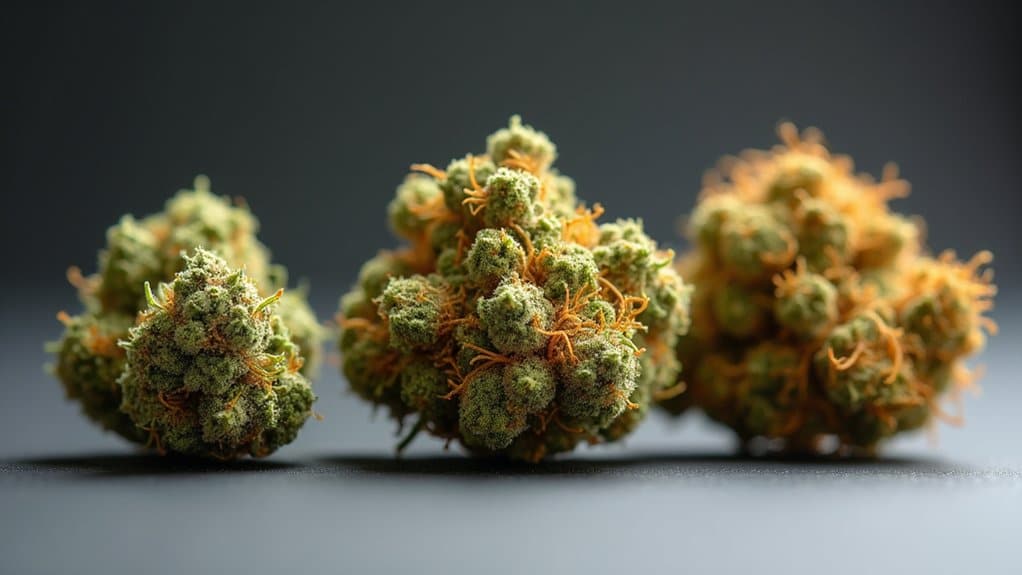
You’ve probably seen “za” and “zaza” used interchangeably in texts, lyrics, and social media posts and for the most part, they mean the same thing. Both terms reference cannabis, with “za” serving as the quicker shorthand while “zaza” adds emphasis or a playful edge to the conversation. The word “za” actually comes from “exotic”, with Gen Z adopting the middle syllable of the word as slang for marijuana. The slang term originally stemmed from cannabis use and hip-hop circles before spreading to mainstream culture. The real difference comes down to context: who’s saying it, where, and whether they’re talking top-shelf exotics or just any weed that’s available. What makes zaza stand out from regular weed is its unique characteristics, including distinctive colors, intricate flavors, and powerful effects that attract users seeking a more intense experience.
Same Meaning, Different Length
When you hear “za” and “zaza” in conversation, you’re fundamentally hearing the same word at different lengths. Both terms describe the same premium cannabis, the only real difference is syllable count. “Za” works as the quick, casual shorthand, while “zaza” delivers more emphasis and formality. The term “zaza” actually comes from a shortening of “exotic”, which explains why it’s used to describe rare, hard-to-find strains.
Here’s what defines both terms equally:
- Identical meaning: Both reference high-THC, exotic strains with exceptional potency
- Same quality markers: Bright colors, heavy trichome coverage, and complex aromas
- Interchangeable usage: Dispensaries and consumers swap these terms freely in marketing and conversation
- Shared origins: Both evolved from “exotic” through the same linguistic progression
Your choice between “za” and “zaza” comes down to personal preference and conversational context, nothing more.
Context Changes the Usage
Setting aside the syllable count, “za” and “zaza” diverge more markedly when you factor in who’s speaking and where. In traditional cannabis circles, you’ll hear “zaza” reserved strictly for exotic strains hitting 25%+ THC with standout terpene profiles. The term signals you’re discussing top-shelf product, not everyday flower.
However, context shifts everything. On TikTok and among Gen Z users, “za” and “zaza” have become interchangeable catch-alls for any cannabis, regardless of quality. You might hear someone call schwag “zaza” without irony.
Geographic and generational factors drive this divide. Street-level dealers and rap lyrics typically maintain the premium connotation, while mainstream social media dilutes exclusivity. When you encounter these terms, consider your audience, the same word carries vastly different weight depending on the speaker’s background.
Why Gen Z Now Uses Za for Any Type of Weed
Although “za” once signaled top-shelf exotic cannabis in Atlanta’s trap scene, Gen Z has stretched the term to cover virtually any weed they encounter. You’ll now hear it applied to everything from premium flower to average mids.
Several factors drove this semantic shift:
- TikTok censorship pushed users toward “zaza” as a workaround when platforms flagged “weed” or “THC”
- Mainstream rap exposure through artists like 21 Savage normalized the term beyond its original context
- Digital communication patterns made shorter slang more appealing for texts and social posts
- Generational adoption disconnected the word from its Atlanta trap origins
This evolution frustrates cannabis purists who valued “zaza” as a quality marker. You’ll find heated debates on r/trees about whether the term holds any meaning anymore. The shift mirrors how other twenty-first century slang like gas and loud also moved from describing premium quality to becoming generic terms for any cannabis.
THC, Aroma, and Price: What Makes Weed Qualify as Zaza
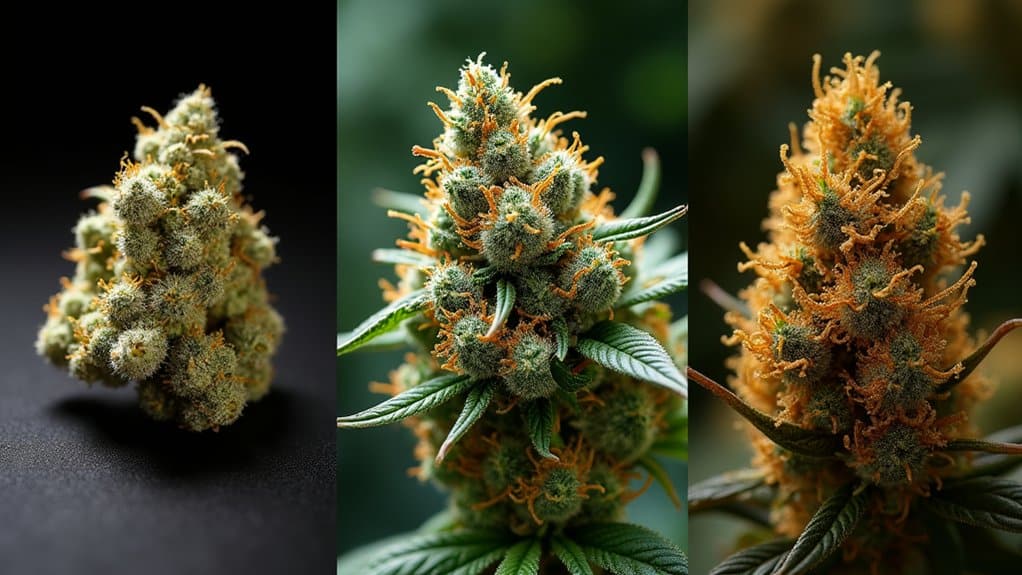
Beyond the debate over terminology, measurable traits still separate genuine zaza from standard flower. You’re looking at THC levels that typically exceed 20-25%, with premium strains pushing toward 30%. This potency isn’t accidental, it stems from exotic genetic lines and meticulous cultivation.
Aroma serves as another qualifier. True zaza delivers a complex terpene profile featuring earthy, spicy diesel notes blended with sweet-sour lemon hints. You’ll notice dominant terpenes like caryophyllene, myrcene, and linalool creating that distinctive pungent signature. The authentic ZaZa strain also carries subtle floral undertones and light nuttiness that distinguish its unique dank aroma. Sensory evaluations have consistently given ZaZa an aroma score exceeding 8 out of 10, confirming its exceptional olfactory qualities.
Visually, zaza stands apart with dense, rock-hard buds coated in thick crystalline trichomes. Expect vibrant purples, neon greens, and orange pistils that create jewel-like appeal. The original ZaZa strain from South Bay Genetics is believed to be a cross between Scotts OG and Gas Station Bob, contributing to these distinctive visual characteristics.
Price reflects these qualities. Boutique genetics, limited supply, and superior resin production command above-market rates that connoisseurs willingly pay.
Is Zaza an Actual Cannabis Strain?
While zaza started as street slang for premium weed, it’s now a legitimate strain you can find on dispensary menus. South Bay Genetics in California bred this indica-dominant hybrid by crossing Blue Dream with Rare Darkness. You’ll also see it labeled as Zaza Runtz in some markets.
The strain delivers what the slang promised, premium quality with THC levels often exceeding 20-25%. Here’s what defines the actual Zaza strain:
- Genetics: 70% indica/30% sativa hybrid with candy-forward terpene profiles
- Appearance: Dense, grape-shaped nugs in purple and dark green hues covered in frosty trichomes
- Lineage: Shares characteristics with Zkittlez, Gelato, and Runtz families
- Recognition: Listed as a reproducible cultivar on Leafly, AllBud, and dispensary menus since 2022
The Other Zaza: A Dangerous Drug With the Same Name
While “zaza” has become popular slang for premium cannabis, you should know the term also refers to something far more dangerous: tianeptine, a synthetic drug sold at gas stations under brand names like ZaZa Red. Often called “gas station heroin,” tianeptine is an atypical antidepressant that binds to opioid receptors in your brain, producing euphoria similar to prescription painkillers while carrying severe addiction and overdose risks. The FDA has issued warnings about tianeptine’s dangers, yet it remains legally available as a dietary supplement in many states despite its opioid-like properties.
Tianeptine: Gas Station Heroin
Tianeptine goes by many names on the street, gas station heroin, gas station dope, and most predominantly, “zaza”creating dangerous confusion with the cannabis slang term. You’ll find this atypical antidepressant sold legally at gas stations and smoke shops in some states, despite its serious risks.
It acts as a full mu-opioid receptor agonist, producing euphoric highs similar to heroin at high doses. It’s marketed as Stablon in certain countries for depression treatment. It carries high misuse potential due to its opioid-like effects. It modulates glutamate signaling rather than working through serotonin pathways.
When someone mentions “zaza,” you can’t assume they’re talking about premium cannabis, they might be referring to this dangerous substance instead. Understanding zaza weed potency and effects is essential for anyone who may encounter it, as its strength can vary significantly compared to typical strains. Many users report experiencing intense highs and unpredictable reactions, which can pose serious health risks. Authorities warn that the allure of zaza could lead to dangerous experimentation and potential addiction.
Severe Risks and Effects
The casual slang overlap between premium cannabis and this dangerous substance masks a stark reality: “zaza” sold at gas stations poses severe, well-documented health risks.
| Health Risk Category | Documented Effects |
|---|---|
| Neurologic | Confusion, agitation, hallucinations, seizures, coma |
| Cardiovascular | Rapid heart rate, hypertension, heart complications |
| Respiratory | Breathing depression, cessation (potentially fatal) |
| Psychological | Paranoia, psychosis, intense mood swings |
| Critical Outcomes | ICU admission (24% of cases), fatal overdoses |
You’re facing unpredictable potency with every purchase, no FDA regulation means batch inconsistency and unknown additives. Tolerance develops rapidly, forcing dose escalation that accelerates addiction. Withdrawal symptoms emerge immediately when you stop, trapping you in dependency cycles. The CDC now classifies tianeptine as an emerging public health risk following increased poisoning reports nationwide.
How to Spot Authentic Zaza Weed
Authenticity matters when you’re searching for genuine zaza weed, and knowing what separates premium cannabis from average flower requires attention to specific markers. You’ll want to examine several key indicators before making any purchase.
Knowing what separates premium cannabis from average flower requires attention to specific markers before making any purchase.
- Visual inspection: Look for dense buds with thick trichome coating, vibrant purples or neon greens, and fiery orange hairs that signal quality genetics.
- Aroma check: Expect pungent, complex scents featuring citrus, diesel, or earthy spice from terpene profiles exceeding 2-3%.
- Potency verification: Authentic zaza typically tests between 20-30% THC with diverse cannabinoid content.
- Lab documentation: Always request a Certificate of Analysis from third-party testing to confirm THC levels and terpene composition.
Scrutinize any claims of THC exceeding 30%, as these often indicate inflated or fraudulent lab results.
When to Say Zaza, Za, or Just Weed
Once you’ve confirmed you’re holding genuine zaza, knowing when to use that term versus “za” or plain “weed” depends entirely on context and audience. When discussing premium strains with connoisseurs, “zaza” signals you’re referencing top-shelf cannabis with 30%+ THC and exotic profiles. For quick texts or casual conversations, “za” works as efficient shorthand among peers who understand the reference.
Once you’ve confirmed you’re holding genuine zaza, knowing when to use that term versus “za” or plain “weed” depends entirely on context and audience, a nuance often clarified when popular zaza strain names are explained. When discussing premium strains with connoisseurs, “zaza” signals that you’re referencing top-shelf cannabis associated with exotic genetics and very high THC levels. For quick texts or casual conversations, “za” works as efficient shorthand among peers who already understand the reference.
| Term | Best Use Case |
|---|---|
| Zaza | Serious discussions about premium, exotic strains |
| Za | Casual texts or quick slang among friends |
| Weed | General references without quality implications |
Reserve “weed” for universal conversations where potency specifics don’t matter. In hip-hop circles and cannabis culture, “zaza” carries elite connotations, while Gen Z often uses these terms interchangeably regardless of actual quality. The zaza cannabis strain origins reveal a complex lineage influenced by various regional cultivars. This rich heritage enhances its appeal, making it a sought-after choice among connoisseurs and casual users alike.
Understand Your Options, Then Choose the Right One
Comparing substances tells you what they are, but recognizing when use has shifted into dependency is where real awareness and real action begins. Simonds Recovery Centers delivers specialized cannabis rehab granada hills designed to get to the root of substance use and replace harmful patterns with lasting, healthier strategies. Serving individuals across Granada Hills, our +1 (833) 781-8338 team stands ready around the clock to guide you forward.
Frequently Asked Questions
Can You Call CBD Flower Zaza if It Looks Exotic?
You shouldn’t call CBD flower zaza just because it looks exotic. Zaza specifically refers to high-THC cannabis strains, typically topping 30% THC, prized for their potency and intense effects. CBD flower contains under 0.3% THC and won’t deliver that experience. Mislabeling creates confusion and sets inaccurate expectations for consumers. While your CBD might have that exotic appearance, true zaza status requires the high-potency profile, not just visual appeal.
Do Dispensaries Actually Label Products as Zaza on Menus?
Yes, some dispensaries actually label products as “zaza” on their menus. You’ll find California dispensaries using it as an adjective to highlight top-shelf, exotic strains like Runtz. They reserve this label for premium flower with THC levels often exceeding 30%, commanding higher prices. However, there’s no standardization, what qualifies as zaza varies between dispensaries since it’s slang, not a regulated classification. You’re fundamentally paying for perceived exclusivity.
Is Zaza Slang Used Outside the United States?
You won’t find much evidence of “zaza” being used outside the United States. The term originated in American hip-hop culture during the late 2010s and spread through US-based platforms like TikTok. While global hip-hop influence and social media could theoretically carry it to international audiences, there’s no documented adoption in other countries. For now, zaza remains firmly rooted in US cannabis slang and rap culture.
Does Zaza Weed Get You Higher Than Regular Cannabis Strains?
Yes, zaza typically gets you higher than regular cannabis strains. You’re looking at THC levels ranging from 20% to over 30%, compared to regular weed’s 10-20% average. The rich terpene profiles and full-spectrum cannabinoids in zaza also intensify the effects, delivering faster onset, deeper euphoria, and longer-lasting highs. If you’re a beginner, you’ll want to approach zaza cautiously, its potency can easily overwhelm inexperienced users.
Will Calling Low-Quality Weed Zaza Offend Experienced Cannabis Users?
Yes, calling low-quality weed zaza can offend experienced cannabis users. You’re fundamentally mislabeling reggie as premium flower, which signals inexperience to connoisseurs who reserve the term for exotic, high-THC strains with exceptional aroma and potency. In knowledgeable circles, this misuse undermines your credibility and clashes with the term’s hip-hop origins tied to luxury and exclusivity. You’ll likely face correction or dismissal from quality-focused enthusiasts who view zaza as an elite descriptor.