






When you stop taking Zoloft, you’ll likely experience withdrawal symptoms as your brain adjusts to lower serotonin levels. Common withdrawal effects include brain zaps (electric shock sensations), dizziness, nausea, fatigue, and flu-like symptoms. These typically begin within one to three days after your last dose and peak between 36 to 96 hours. Most people find symptoms resolve within one to three weeks, though your timeline depends on factors we’ll explore below.
What Zoloft Withdrawal Symptoms Feel Like

When you stop taking Zoloft or reduce your dose too quickly, your body may respond with a range of uncomfortable physical and emotional symptoms. You might experience brain zaps sertraline users commonly describe as brief electric shock sensations in your head or neck, often triggered by eye movement. Dizziness stopping Zoloft is another frequent complaint, presenting as lightheadedness or vertigo that worsens when you move swiftly.
Gastrointestinal disturbances including nausea, vomiting, and diarrhea may develop alongside flu-like symptoms. You’ll likely notice fatigue that persists despite adequate rest. Psychological effects can include heightened anxiety, irritability, mood swings, and vivid nightmares. These symptoms typically emerge within days of dose changes and vary considerably in intensity from person to person. Most withdrawal symptoms peak within the first week and gradually improve over a period of two to four weeks. It’s important to understand that these withdrawal symptoms are distinct from relapse of your original mental health condition.
Why Your Brain Reacts This Way to Stopping Zoloft
Understanding these symptoms requires examining what happens at the neurological level. When you take Zoloft, your brain adapts to higher serotonin levels through SerotoninSystemAdaptation, specifically by reducing receptor numbers to restore balance. Research shows these changes can persist for an average of 29 months after discontinuation.
When you stop Zoloft suddenly, your brain hasn’t yet reversed these adaptations. The result is a temporary serotonin imbalance that triggers NeuralHyperexcitabilityMechanisms. Your ion channels become overactive, sensory signals amplify, and noradrenaline floods systems previously dampened by the medication. This neural disruption can manifest as brain zaps, which many describe as brief electric-like sensations in the head.
Several factors influence your reaction’s severity: treatment duration, dosage level, and your genetic variations in receptor function. Longer use and higher doses typically require more readjustment time. Your overall physical condition and age also play significant roles in how quickly your brain can recalibrate. Understanding these mechanisms helps explain why gradual tapering, rather than abrupt cessation, reduces symptom intensity.
How Long Zoloft Withdrawal Symptoms Usually Last
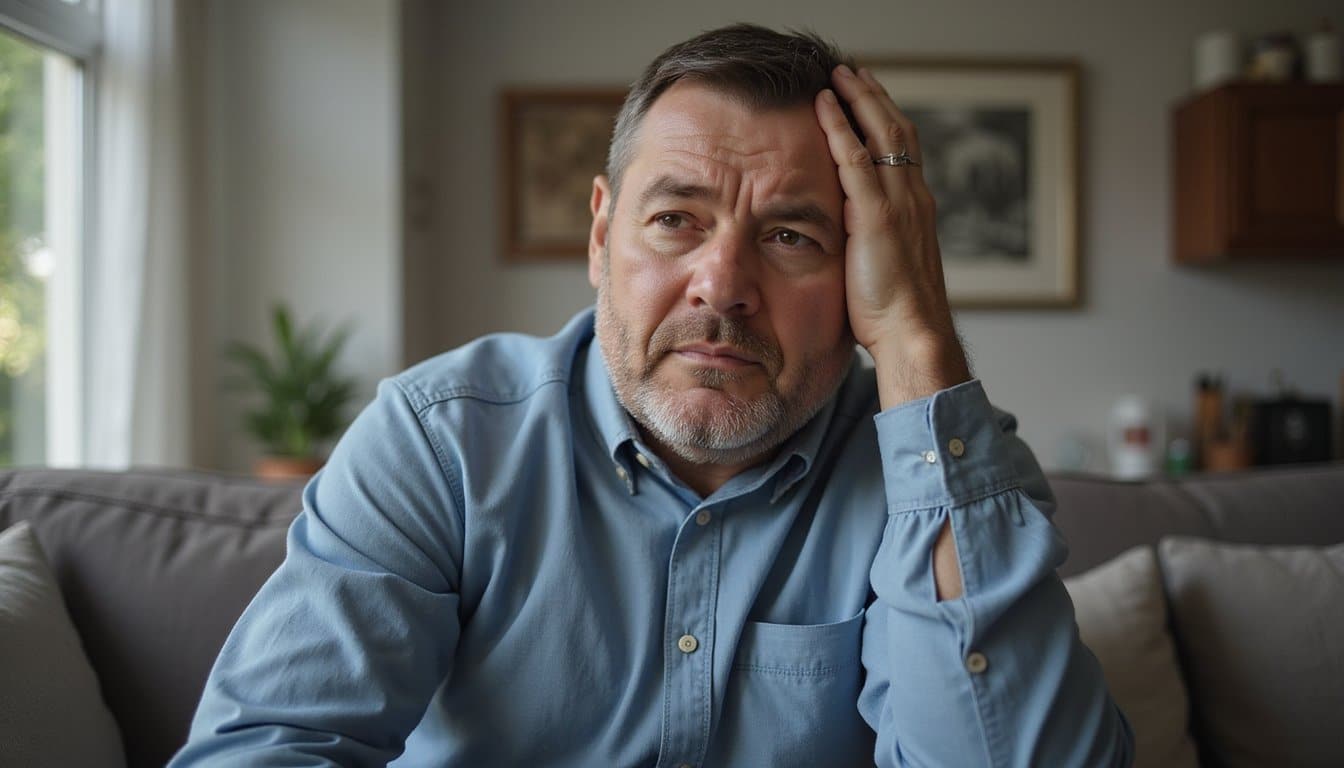
Because your brain needs time to readjust its serotonin signaling, withdrawal symptoms follow a predictable timeline for most people. Zoloft withdrawal symptoms typically begin within one to three days after stopping or reducing your dose. They reach peak intensity between 36 and 96 hours post-cessation. Because your brain needs time to readjust its serotonin signaling, withdrawal symptoms follow a predictable timeline for most people. When mapping the Zoloft withdrawal symptoms timeline, symptoms typically begin within one to three days after stopping or reducing your dose and reach peak intensity between 36 and 96 hours post-cessation.
The typical duration spans one to three weeks for most individuals. During the first week, you’ll likely experience the most intense symptoms, including dizziness, nausea, and mood fluctuations. By weeks two and three, your body adapts, and symptoms gradually diminish. Many people also report experiencing brain zaps, which are brief electrical shock sensations in the head during this adjustment period.
However, if you’ve taken sertraline long-term or at higher doses, withdrawal effects may persist beyond three weeks, sometimes lasting several months. Approximately half of U.S. antidepressant users have taken medication for five or more years, which increases the risk of prolonged adjustment periods. Rapid discontinuation over one to seven days is more likely to result in relapse within the following months than a gradual reduction over two weeks or more. In addition to the emotional and psychological challenges, understanding zoloft withdrawal symptoms can also reveal physical effects that may manifest during this period. Many individuals report experiencing fatigue, nausea, and insomnia, which can further complicate the recovery process. Being aware of these potential symptoms is crucial for managing expectations and seeking appropriate support.
Ways to Ease Zoloft Withdrawal Symptoms at Home
Although withdrawal symptoms can feel overwhelming, several evidence-based strategies may help reduce their intensity while your brain readjusts.
Prioritizing sleep hygiene can greatly impact your recovery. Aim for seven to eight hours nightly, maintain a consistent schedule, and limit caffeine to improve sleep quality and reduce fatigue.
Physical exercise offers measurable benefits during this period. Moderate activity for 45 minutes, three times weekly, promotes endorphin release and helps stabilize mood fluctuations. Regular exercise can also boost energy levels and reduce depression symptoms during the withdrawal process.
Consider these additional supportive measures:
- Adopt a Mediterranean-style diet rich in nutrient-dense foods
- Stay well-hydrated to ease headaches and flu-like symptoms
- Attend psychotherapy sessions for coping techniques
- Explore acupuncture for nausea and sensory disturbances
- Apply over-the-counter remedies for specific physical discomforts
Joining support groups can provide helpful tips and insights from others who have successfully navigated the withdrawal process.
Signs Your Zoloft Withdrawal Needs Medical Attention

While most Zoloft withdrawal symptoms resolve on their own within a few weeks, certain warning signs indicate you need prompt medical evaluation. Symptoms typically peak between 36-96 hours after your last dose, making this period especially important to monitor. While most Zoloft withdrawal symptoms resolve on their own within a few weeks, certain warning signs indicate you need prompt medical evaluation. If you’re following a Zoloft taper schedule 50mg, symptoms typically peak between 36, 96 hours after your last dose or major reduction, making this period especially important to monitor.
Contact your healthcare provider immediately if you experience suicidal ideation, severe depression lasting more than several days, or panic attacks that exceed your original symptoms. Cardiovascular changes like rapid or irregular heartbeat also warrant professional assessment. Withdrawal symptoms can occur within 5 days of stopping your medication, so stay vigilant during this initial period.
| Warning Sign | Key Symptoms | Action Required |
|---|---|---|
| Suicidal Ideation | Thoughts of self-harm, intense guilt | Immediate emergency contact |
| Severe Depression | Prolonged low mood, emotional numbness | Same-day provider consultation |
| Extreme Anxiety | Panic attacks, severe agitation | Urgent medical evaluation |
| Cardiovascular Issues | Racing heart, palpitations | Contact provider promptly |
| Neurological Confusion | Disorientation, psychotic symptoms | Seek immediate care |
Don’t attempt to distinguish between withdrawal and relapse alone, your provider can help determine appropriate next steps.
Healing begins with a single step and medical detox is where recovery starts. At Simonds Recovery Centre, our compassionate team in Los Angeles provides personalized, evidence-based care tailored to your needs. We offer medically supervised detox, intensive addiction treatment, residential rehabilitation, and flexible outpatient support guiding you through every stage of recovery. You deserve a life free from dependency. Call +1 (833) 781-8338 today and take the first step toward healing.
Frequently Asked Questions
Can I Drink Alcohol While Experiencing Zoloft Withdrawal Symptoms?
You should avoid alcohol during Zoloft withdrawal. Drinking amplifies withdrawal symptoms like dizziness, nausea, and mood instability you’re already experiencing. Alcohol also worsens anxiety and depression, making it harder to distinguish between withdrawal effects and returning symptoms. Both substances affect serotonin levels, increasing your risk of complications. It’s best to wait several weeks after discontinuation and consult your healthcare provider before drinking, as they can offer personalized guidance based on your situation.
Will Zoloft Withdrawal Symptoms Affect My Ability to Drive Safely?
Yes, Zoloft withdrawal symptoms can markedly impair your driving ability. You may experience dizziness, vertigo, blurred vision, and brain zaps, often triggered by head movement, that compromise your reaction time and spatial awareness. Fatigue, brain fog, and difficulty concentrating further reduce your alertness behind the wheel. Symptoms typically peak 36-96 hours after your last dose. You shouldn’t drive until you’ve assessed how withdrawal affects you personally and consulted your healthcare provider.
Are Zoloft Withdrawal Symptoms Different for People Who Took Higher Doses?
Yes, higher doses typically produce more intense withdrawal symptoms. If you’ve taken elevated doses, you’re more likely to experience severe brain zaps, dizziness, nausea, and flu-like effects. Research shows 20-40% of people abruptly stopping higher doses face significant physical symptoms. You’ll also need longer tapering periods, often at least four weeks, with gradual reductions. Your doctor can create a supervised schedule that decreases your dose incrementally to minimize these effects.
Can Supplements Like Omega-3s or Magnesium Help With Zoloft Withdrawal?
No direct evidence currently supports omega-3s or magnesium specifically for Zoloft withdrawal symptoms. However, both supplements show promise for general mood support and are unlikely to cause harm during discontinuation. Omega-3s may help with mood stability, while magnesium glycinate could ease muscle tension and sleep disturbances. You shouldn’t rely on supplements alone, gradual tapering under medical supervision remains essential. Consult your healthcare provider before adding any supplements during withdrawal.
Is It Safe to Start a New Antidepressant During Zoloft Withdrawal?
Starting a new antidepressant during Zoloft withdrawal isn’t typically recommended without medical supervision. You’re facing potential risks like serotonin syndrome from overlapping medication effects and difficulty distinguishing withdrawal symptoms from new drug side effects. Your healthcare provider can assess your specific situation, considering your dosage history and symptom severity. They may recommend waiting until acute withdrawal peaks subside or implement a careful cross-tapering protocol to minimize complications.