



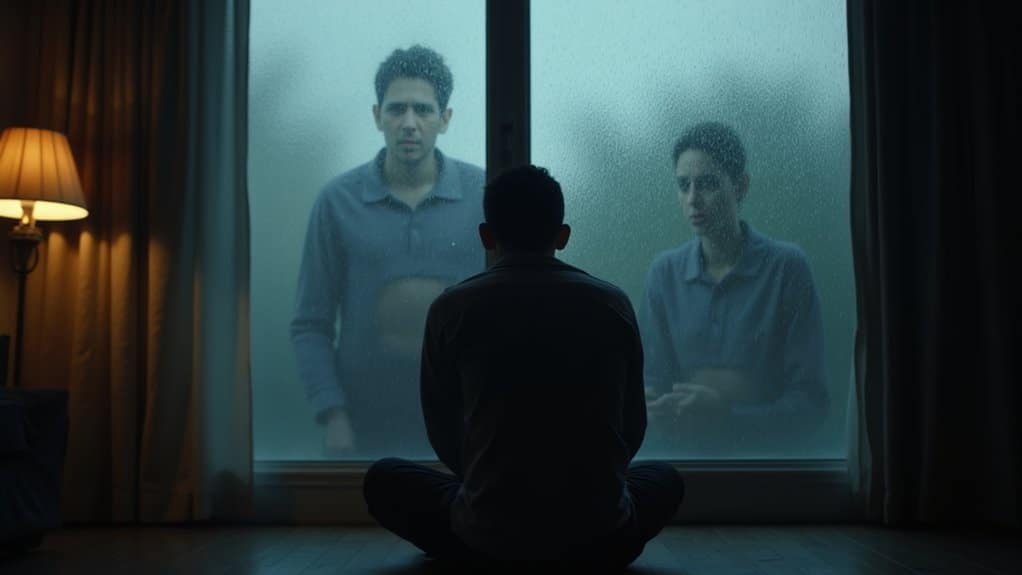



Radical acceptance means completely accepting the facts of reality, especially something painful you can’t change right now. It isn’t approval or giving up, it’s releasing the exhausting fight that adds a second layer of suffering on top of your pain. When you’re overwhelmed, DBT crisis skills like TIPP, distraction, self-soothing, and pros-and-cons help you stabilize first. You don’t have to do this perfectly. Keep going, and you’ll discover exactly how to practice each one.
Key Takeaways
- Radical acceptance means fully acknowledging painful, unchangeable reality with mind, heart, and body, releasing the fight against what is true.
- Acceptance is not approval, resignation, or pretending something is fine; it simply stops resisting what cannot be changed right now.
- Fighting reality adds a second layer of suffering, breeding resentment, anger, and exhaustion on top of the original pain.
- Use DBT’s TIPP (Temperature, Intense exercise, Paced breathing, Paired muscle relaxation) to lower extreme arousal before attempting acceptance work.
- Stabilize with crisis skills like ACCEPTS, self-soothing, STOP, and pros-and-cons to ride out crises without making them worse.
What radical acceptance is

Radical acceptance means completely and totally accepting the facts of reality, acknowledging what’s true and releasing the fight against it. This applies to something painful you can’t change. It isn’t just an intellectual exercise. You accept reality with your mind, your heart, and your body, letting acceptance settle through your whole self.
It’s important to know what radical acceptance isn’t. It isn’t approval, and it isn’t resignation. You’re not pretending a painful event is fine or giving up on yourself. Instead, you’re focusing on what can’t be changed right now, past events, current circumstances, or someone else’s behavior.
When you stop resisting unchangeable facts, you reduce the suffering that resistance creates. You’re not endorsing what happened; you’re freeing yourself to respond more effectively.
Why fighting reality increases suffering
Fighting reality increases suffering because it adds a second layer of pain on top of the first. Because you can’t change something doesn’t mean it stops hurting, but resistance makes it worse. When you tell yourself “This shouldn’t be happening” or “Why me?”, you’re not changing the facts, you’re stacking resentment, anger, and exhaustion onto an already painful situation. That resistance is a major source of avoidable suffering.
Think of it this way: the original pain is unavoidable, but the fight you wage against unchangeable reality is optional. Each time you refuse to accept what’s true, you keep your nervous system locked in a struggle you can’t win.
Radical acceptance doesn’t erase your pain, but it stops you from multiplying it. You free up energy to respond effectively instead.
How to practice radical acceptance

Practice radical acceptance by returning to it again and again, since it’s not a single decision but an ongoing practice. Start by noticing your resistance, those “this shouldn’t be happening” thoughts. Then name the fact plainly, without softening or exaggerating it. Recognizing the causes and history helps you see the situation isn’t random or personal. Finally, engage your whole self, letting your body and emotions accept what your mind already knows.
| Step | What You Do | Example |
|---|---|---|
| Observe resistance | Notice fighting thoughts | “Why me?” |
| Name the fact | State reality plainly | “This happened.” |
| Engage whole self | Add body and emotion | Willing hands, allowing grief |
You’ll likely cycle through these steps repeatedly. That’s expected, acceptance deepens with practice, not perfection.
TIPP skills for crisis
TIPP is a body-based de-escalation skill designed for those moments when arousal is too high for clear thinking or acceptance work. Because it targets your physiology directly, it can quickly lower the intensity so you can regain some footing. Sometimes your emotions spike so fast that acceptance feels impossible, and that’s exactly when TIPP can help.
TIPP stands for Temperature, Intense exercise, Paced breathing, and Paired muscle relaxation. You might splash cold water on your face, take a brisk walk, slow your exhale, or tense and release muscle groups.
After your body settles, you’ll find it easier to ground yourself and eventually move toward acceptance. Remember, stabilization comes first. There’s no shame in soothing your nervous system before you tackle anything else.
Distraction and self-soothing

Distraction and self-soothing can help you ride out the worst of a crisis without making it harder. The ACCEPTS skill gives you structured ways to shift attention, through activities, contributing to others, comparisons, different emotions, pushing the situation away, other thoughts, and sensations. You’re not pretending the pain isn’t there; you’re giving your nervous system time to steady. Self-soothing uses your five senses to bring comfort: a warm blanket, calming music, a familiar scent, or a favorite taste. These aren’t distractions from doing the “real work.” When emotions run too high for problem-solving, they’re exactly what keeps you safe. Once arousal lowers, you’ll have more room for acceptance and clearer, more effective choices.
The pros-and-cons technique
The pros-and-cons technique helps you pause and weigh what you’re about to do in the heat of a crisis. When intense emotions push you toward impulsive, destructive choices, you can stop and honestly list the pros and cons of acting on those urges, and the pros and cons of resisting them. This isn’t about judging yourself. It’s about seeing clearly before you decide.
Ask yourself: What will acting on this urge cost me later? What do I gain by tolerating the distress instead? Writing it down, or picturing it, engages your thinking mind when emotions run high.
You’ll often find that the short-term relief of impulsive action carries long-term consequences you don’t want. That clarity strengthens your resolve to survive the moment.
Practicing before you need it
Practicing before you need it means rehearsing distress tolerance skills while you’re calm, not in the middle of a crisis. A crisis floods your brain with stress hormones and narrows your thinking, so you can’t expect to learn new skills in the moment. That’s exactly why DBT teaches you to practice these skills before a crisis hits. When you rehearse STOP, TIPP, grounding, and radical acceptance while you’re calm, you build muscle memory that’s accessible when your arousal spikes and clear thinking disappears.
Think of it like a fire drill. You don’t want to figure out the exits when the building’s already burning. Practice half-smiling, willing hands, and naming reality plainly on ordinary days, so these responses feel familiar later.
You’re not failing if skills feel awkward at first. Repetition is how they become automatic when you truly need them.
Frequently Asked Questions
Can Radical Acceptance Be Used for Ongoing Chronic Illness or Disability?
Yes, you can use radical acceptance for chronic illness or disability. It means accepting the facts of your reality with your mind, heart, and body, not approving or giving up. You’re releasing the exhausting fight with what can’t be changed right now. This doesn’t mean you stop seeking care or grieving; it means you shift from resistance to responding effectively, which reduces the added suffering that fighting reality often creates.
How Long Does It Take to Fully Accept Something?
There’s no fixed timeline, and that’s completely normal. Radical acceptance isn’t a one-time event you complete, it’s something you’ll return to again and again. You’ll notice resistance, turn your mind back toward acceptance, and repeat this as often as needed. For ongoing situations, you might accept something today and feel yourself fighting it tomorrow. That’s okay. Allow grief its space, and remember acceptance deepens gradually, not on a schedule.
Is DBT Effective for Conditions Other Than Borderline Personality Disorder?
Yes, DBT can help you with far more than borderline personality disorder. The distress tolerance skills you’re learning, like radical acceptance, STOP, TIPP, and ACCEPTS, are evidence-based tools for surviving crises, intense emotions, grief, and overwhelming stress. Research supports using these skills across many struggles where big feelings show up. So if you’re facing something painful, you don’t need a specific diagnosis to benefit from what you’re practicing.
Can I Practice These Skills Without a Therapist?
Yes, you can practice these skills on your own. Start by learning them before a crisis hits, not during one. You can rehearse STOP, TIPP, and grounding, and gently practice radical acceptance by naming what’s true and noticing your resistance. These are evidence-based tools you can build over time. That said, a therapist can offer guidance and support, so consider reaching out if you’re struggling. You’re not alone in this.
What Should I Do if Radical Acceptance Feels Impossible?
When radical acceptance feels impossible, you don’t have to force it. Start smaller by turning your mind, simply notice your resistance and gently choose acceptance again, even if you have to repeat this a hundred times. Try willing hands or half-smiling to engage your body, not just your thoughts. Allow grief to surface; it’s part of accepting. You’re not failing, acceptance is a practice you build moment by moment, not all at once.