







Group therapy activities give you structured ways to build skills, process emotions, and connect with peers who understand. You’ll find icebreakers like Recovery Bingo that reduce shame, trigger mapping and refusal role-play that strengthen relapse prevention, and vision boards that clarify your goals. Research supports approaches like CBT, motivational interviewing, and peer support. Together, these turn isolation into connection and accountability. Below, you’ll discover how each activity type supports your recovery stage.
Key Takeaways
- Icebreakers and trust-building activities like Recovery Bingo and story circles reduce shame and help members form connections at their own pace.
- Relapse-prevention exercises such as trigger mapping and refusal role-play strengthen coping skills and boundary-setting for real-world challenges.
- Skill-building activities use CBT techniques to challenge negative thoughts and rehearse healthier responses linked to substance use.
- Motivation-focused activities like vision boards and letters to your future self clarify goals and values to support reintegration.
- Psychoeducation and expressive activities, such as Recovery Jeopardy and expressive art, teach recovery concepts and process emotions nonverbally.
What are group therapy activities for addiction recovery
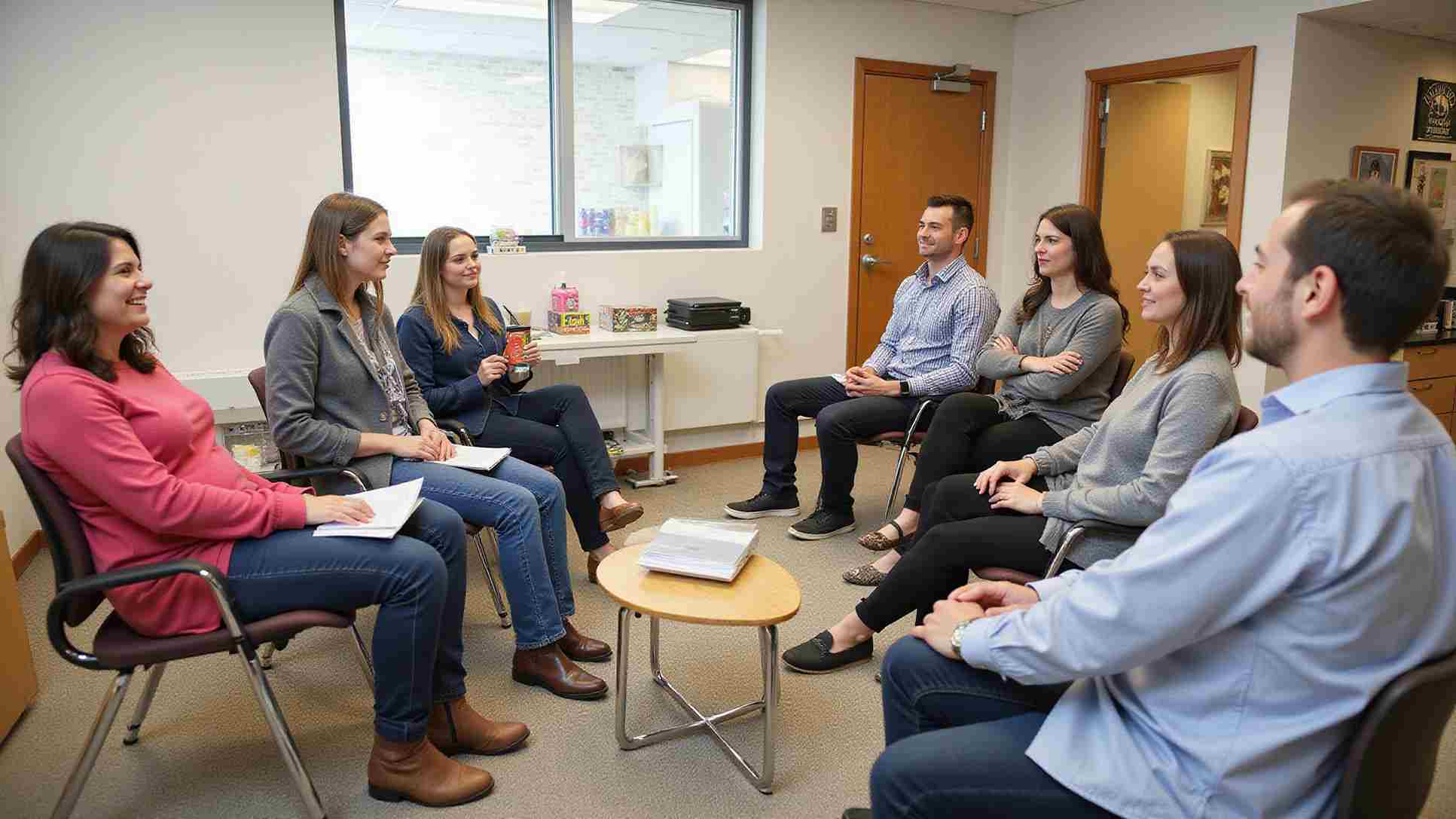
Group therapy activities for addiction recovery give you structured ways to build skills, process emotions, and connect with peers who understand what you’re facing. These activities range from icebreakers and story circles that reduce shame early on, to trigger mapping and refusal role-play that strengthen relapse-prevention skills. You’ll find motivation-focused tools like vision boards and values clarification, psychoeducation through activities like Recovery Jeopardy, and expressive options such as art sessions or feelings wheel check-ins. Medication assisted treatment can complement group therapy by reducing cravings and supporting recovery. Combining these approaches can improve treatment outcomes and promote long-term stability.
Research supports group treatments including CBT, relapse prevention, motivational interviewing, and social support. Activities are often matched to your recovery stage. Early groups emphasize trust, while later ones focus on reintegration. Ultimately, they create shared language, peer feedback, and mutual support, helping you practice recovery in a safe, collaborative space.
Why group therapy is central to recovery
Group therapy is central to recovery because it turns isolation into connection. When you sit with peers who understand your struggle, shame loses its grip and honest change becomes possible. Research-supported group treatments, including CBT, relapse prevention, and motivational interviewing, give you structure while surrounding you with people who hold you accountable.
Group settings offer therapeutic value you can’t easily find alone:
- Shared language helps you name experiences and feel understood
- Peer feedback challenges distorted thinking and reinforces new coping skills
- Mutual support reduces isolation and strengthens your motivation to stay engaged
Activities matched to your stage build trust early and support reintegration later, keeping you connected, engaged, and grounded in lasting change.
What icebreaker and trust-building activities involve
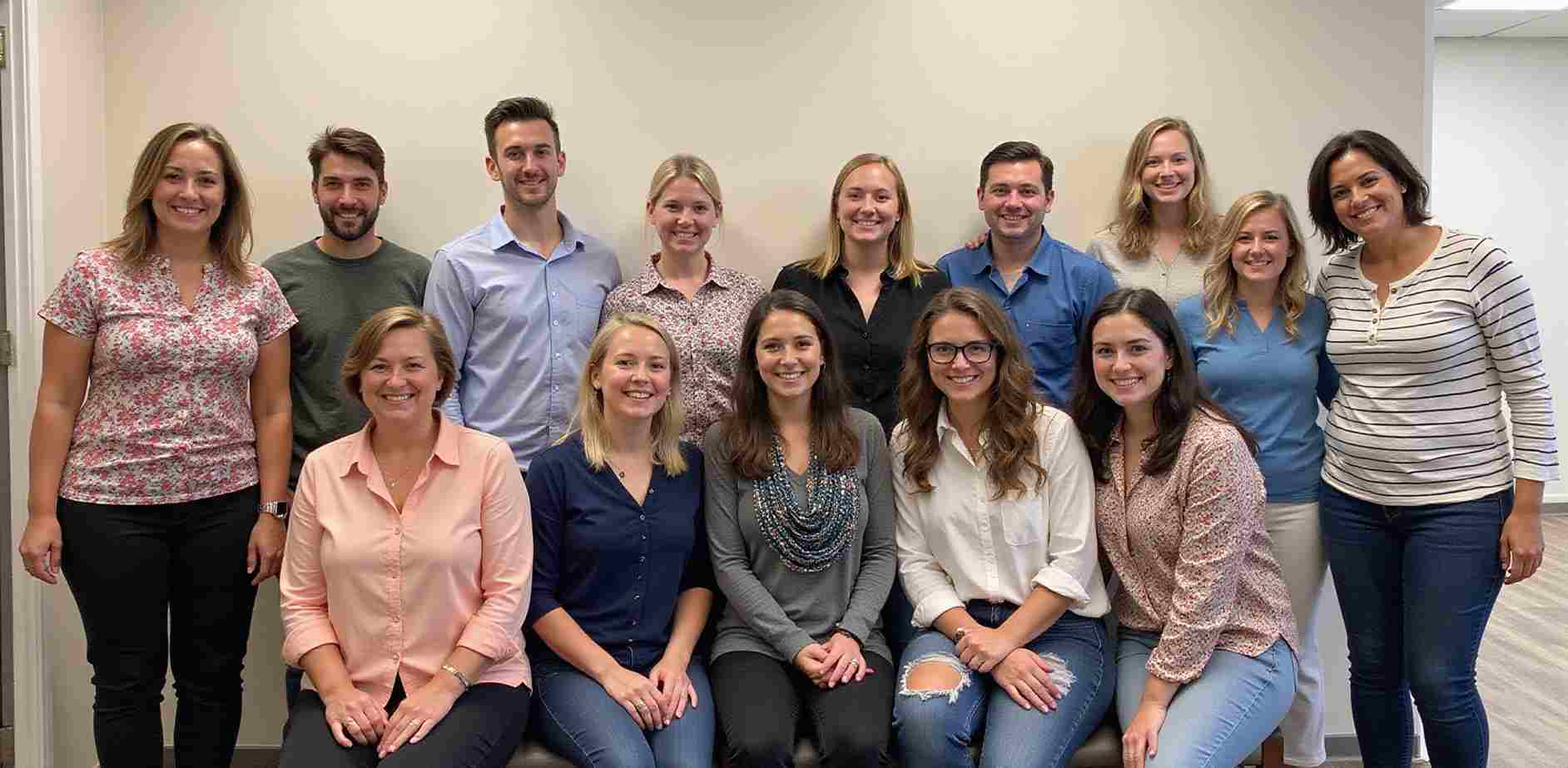
Icebreaker and trust-building activities involve structured, low-pressure exercises like Recovery Bingo, where you find common ground with peers, or story circles, where you share small pieces of your experience at your own pace. When you’re new to a group, shame and hesitation can keep you silent, so these activities create entry points that lower your guard. These early activities aren’t just warm-ups. They build the trust that meaningful recovery work depends on. As you participate, you’ll notice defensiveness easing and connection forming. That sense of belonging reduces isolation, normalizes your struggles, and lays the foundation for the deeper, more challenging work you’ll do together later.
What skill-building and relapse-prevention exercises look like
Skill-building and relapse-prevention exercises give you concrete tools to protect your recovery. These activities move beyond connection into active practice, helping you recognize what drives use and rehearse healthier responses before you face real-world pressure.
You’ll often work through structured exercises that target specific patterns:
- Trigger mapping, where you identify the cue, body response, thought, and urge behind each craving so you can interrupt the cycle early.
- Refusal role-play, which lets you rehearse boundary-setting and saying no in realistic scenarios.
- Cognitive-behavioral exercises, where you challenge negative thoughts linked to use and build problem-solving skills.
Coping-skills reviews reinforce these strategies over time. Practicing them in a supportive group means you’re better prepared when challenges arise outside sessions.
How different activity types compare in purpose

Different activity types compare by targeting distinct parts of your recovery, with some building trust, others sharpening coping skills, and still others strengthening motivation. Understanding these differences helps you see why your group moves through different exercises rather than repeating one format. Understanding MAT for opioid vs alcohol treatment helps individuals compare medications, treatment approaches, and recovery benefits. These differences support informed decisions based on individual treatment needs.
| Activity Type | Primary Purpose | Example |
|---|---|---|
| Icebreakers | Build trust, reduce shame | Recovery Bingo |
| Skill-building | Rehearse coping, refusal | Role-playing scenarios |
| Motivation | Clarify goals, values | Vision boards |
| Psychoeducation | Teach recovery concepts | Recovery Jeopardy |
| Expressive | Process emotions nonverbally | Expressive art |
Early activities emphasize connection, while later ones focus on reintegration and self-efficacy. Matching activities to your recovery stage keeps each session relevant, engaging, and clinically meaningful for you.
How group therapy complements individual treatment
Group therapy strengthens the work you do one-on-one with your counselor by adding a community that reflects your experience back to you. Individual sessions give you focused, private space to explore your history and set personal goals. Group therapy adds something individual work can’t. Together, these two formats reinforce each other and deepen your recovery.
Group settings offer benefits that complement your one-on-one progress:
- Shared language and peer feedback that help you feel understood and less alone
- Skill rehearsal through role-playing and coping-skills review, so you practice what you discuss individually
- Mutual support that reduces shame and builds accountability between sessions
Combining both approaches lets you apply insights from individual counseling within a supportive group, strengthening your skills through real connection.
How Simonds Recovery Centers uses group therapy in recovery
Simonds Recovery Centers uses group therapy built around your recovery stage, matching activities to where you are in the process. Early on, you’ll join icebreakers, story circles, and Recovery Bingo to build trust and reduce shame. As you settle in, guided journaling, feelings wheel check-ins, and trigger mapping help you name emotions and recognize your cue, thought, and urge patterns. When you’re ready to build skills, we use CBT-based exercises, refusal role-play, and coping-skills reviews to strengthen relapse prevention. Later, life skills workshops, vision boards, and letters to your future self support reintegration and long-term planning. Throughout, we draw on research-supported approaches, CBT, relapse prevention, motivational interviewing, and peer support, so you get shared language, honest feedback, and mutual support at every step. MAT for alcohol addiction combines evidence-based medications with counseling and peer support to reduce cravings, strengthen motivation, and promote long-term sobriety.
Use Group Therapy to Strengthen Recovery
Group therapy gives people in addiction treatment a place to practice coping skills, work through triggers, and learn from others facing similar challenges. At Simonds Recovery Centers, intensive outpatient treatment combines group therapy with individual counseling and relapse prevention while allowing clients to continue living at home.
Call (833) 781-8338 to learn whether group-based addiction treatment is the right fit for your recovery.
Frequently Asked Questions
How Long Does a Typical Group Therapy Session Last?
Group therapy sessions commonly last between 45 and 90 minutes, although the exact length depends on the treatment program, group size, and goals for the session. Addiction treatment groups may include check-ins, structured discussions, coping exercises, relapse prevention activities, and peer feedback. The overall treatment schedule determines how frequently these sessions occur.
Is Group Therapy Covered by Insurance?
Group therapy may be covered when it is provided as part of an eligible behavioral health or substance use treatment program. Coverage depends on your insurance plan, provider network, diagnosis, level of care, deductible, copay, and authorization requirements. Check your benefits before starting treatment to understand what your plan covers and what you may pay out of pocket.
How Many People Are Usually in a Recovery Group?
There is no standard number of participants for every addiction recovery group. Group size varies by treatment setting, program structure, and clinical needs. Smaller groups may allow more time for individual participation, while larger groups can provide a broader range of experiences and perspectives. The facilitator should maintain a setting where participants can engage safely and productively.
Can Family Members Participate in Group Therapy Sessions?
Family members can participate in certain addiction treatment sessions when a program offers family therapy or family-focused groups. Family involvement can help improve communication, build understanding around addiction, and strengthen support during recovery. However, not every therapy group includes family members because some sessions are designed specifically for clients.
What Qualifications Do Group Therapy Facilitators Need?
Group therapy should be led by a qualified mental health or substance use professional with the appropriate education, training, licensure, or certification for the services provided. Experience with addiction treatment, group dynamics, behavioral therapy, and relapse prevention is also important. A qualified facilitator should be able to guide discussion, maintain appropriate boundaries, manage conflict, and keep the group focused on treatment goals.