




Cocaine stays in your hair follicles for up to 90 days using a standard 1.5-inch sample. If you’re a chronic or heavy user, increased benzoylecgonine concentrations can push detection beyond that three-month window. Lighter or occasional use typically clears within the standard timeframe. Keep in mind that metabolites don’t appear above the scalp until 7, 10 days after use. Factors like hair color, length, and chemical treatments also shape your results, as outlined below.
How Long Does Cocaine Stay in Hair Follicles?
Cocaine remains detectable in hair follicles for up to 90 days under standard testing protocols, though several biological and usage-related factors can shift this window considerably. A standard 1.5-inch hair sample captures approximately three months of use history, since hair grows at roughly half an inch per month.
How long can cocaine be detected in hair depends largely on sample length and usage patterns. Longer hair samples extend detectability to six months or beyond, while very long samples may reveal use up to 12 months prior. Heavy, chronic use elevates metabolite concentrations in the hair shaft, pushing detection well past the standard window. Conversely, single or light use typically clears within the baseline 90-day period. These metabolites remain stable in the hair structure and resist removal through normal washing or environmental exposure, which is why hair follicle testing is considered more reliable than other methods.
How Hair Tests Compare to Urine, Blood, and Saliva
While hair follicle testing captures cocaine use over a 90-day window or longer with extended samples like urine, blood, and saliva tests operate on far shorter timelines. Urine detects cocaine within two to three days, saliva within approximately 48 hours, and blood within a few days post-exposure. Saliva testing is also difficult to tamper with because collection is typically conducted under direct observation.
Hair testing detected reported cocaine use at 66.3%, compared to 48.0% for urine. It also identified 21.2% more unreported cocaine use. When you’re evaluating how long does cocaine stay in hair follicle test results versus other methods, hair’s superiority for chronic use detection is clear. However, urine maintained higher specificity for cocaine at 94.2% versus 73.0% for hair. Hair testing costs more and requires longer processing, but it provides unmatched long-term monitoring capability for habitual cocaine exposure.
Why Hair Tests Don’t Detect Cocaine Right Away
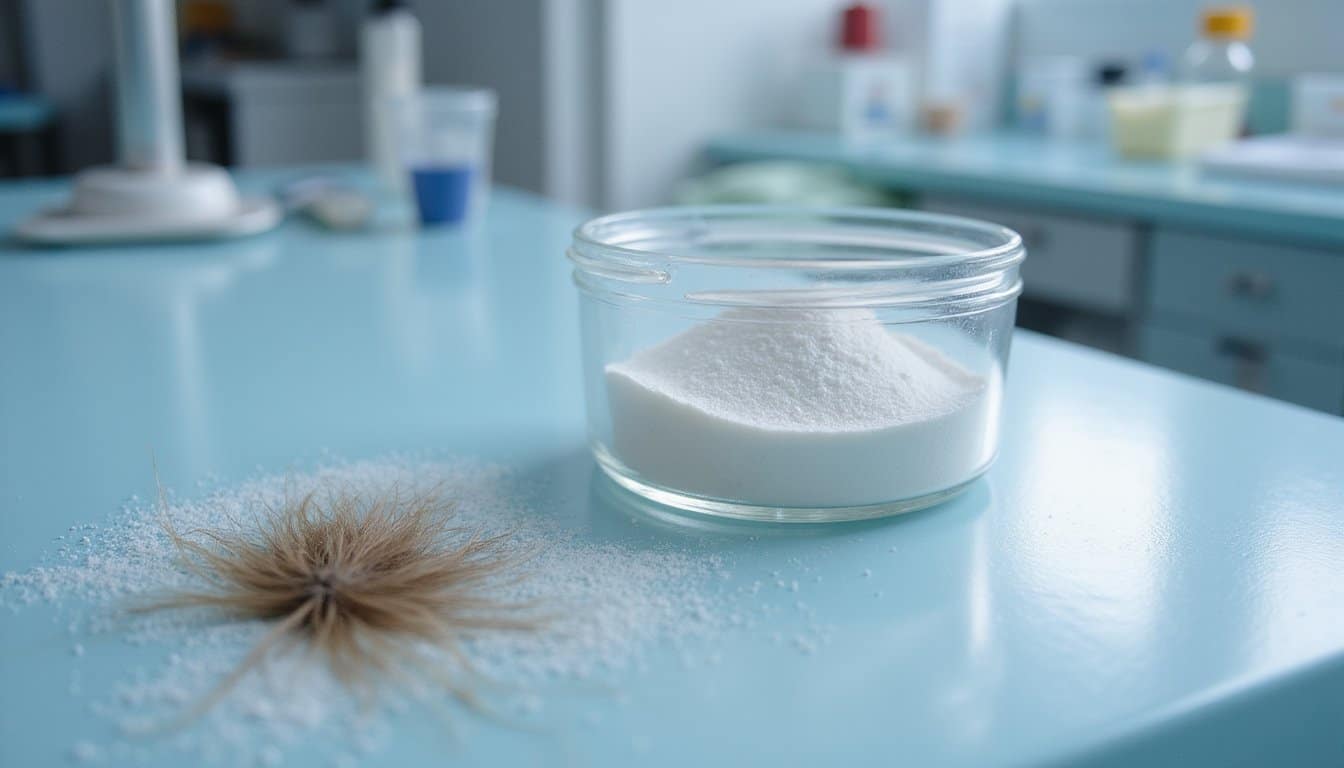
If you’ve recently used cocaine, a hair test won’t detect it right away because your hair grows at roughly 0.5 inches per month, and metabolites need time to physically emerge above the scalp’s surface. This growth delay creates a documented blind spot of approximately 7 to 10 days, during which cocaine metabolites haven’t yet reached a collectible length in your hair. Technicians also exclude the newest hair segment closest to your scalp during sample collection, which further extends the lag between your use and the point at which testing can identify it. Once metabolites do become detectable, cocaine can remain identifiable in hair for up to 90 days after use, making this method far more revealing than shorter-window alternatives.
Hair Growth Delay Factor
Because hair follicle testing relies on the physical growth of hair above the scalp, it doesn’t detect cocaine immediately after use. After ingestion, cocaine metabolites incorporate into the follicle’s keratin matrix through blood, sweat, and sebum. However, these deposits require 7, 10 days to emerge above the scalp as testable strands. This growth delay creates a brief detection blind spot, meaning that how long cocaine stays in your hair depends partly on when testing occurs relative to use.
| Factor | Detail |
|---|---|
| Growth rate | ~0.5 inches per month |
| Detection onset | 7, 10 days post-use |
| Standard sample length | 1.5 inches from scalp |
| Detection window | ~90 days |
| Blind spot | Most recent 7, 10 days |
Recent cocaine use within the past week may not register on your hair test.
Scalp-Level Detection Lag
Even though cocaine metabolites enter your bloodstream within minutes of use, hair follicle tests can’t detect them for at least 7, 10 days. This delay occurs because metabolites like benzoylecgonine must first bind to the keratin matrix inside your hair follicle, then travel with the growing strand until it emerges above your scalp’s surface.
Your hair grows approximately 0.5 inches per month, meaning it takes roughly 7, 10 days for drug-containing segments to reach the collection point. Blood, sweat, and sebum transport cocaine metabolites to your follicles, but technicians can only sample visible hair. This scalp-level lag explains why a cocaine in hair test sacrifices immediate detection capability in exchange for extended historical coverage spanning up to 90 days of use patterns.
How Heavy vs. Light Cocaine Use Changes Detection Time
How often and how much cocaine you use directly affects how long it remains detectable in your hair. If you’re an occasional user, metabolites still incorporate into your hair follicles at the standard growth rate, keeping cocaine traceable for up to 90 days, far longer than the 2, 4 day urine detection window. Heavy or chronic use, however, deposits considerably higher metabolite concentrations into each hair strand, which can extend detectability beyond the standard 90-day window and produce a more pronounced drug-use history in testing results.
Heavy Use Detection Duration
Although standard hair follicle tests examine the most recent 1.5 inches of growth, covering roughly 90 days of history, chronic cocaine use can push detection well beyond that window. Repeated exposure embeds higher concentrations of cocaine in hair, creating a persistent chemical signature that labs can identify for up to six months.
Key factors that extend detection duration for heavy users include:
- Cumulative metabolite buildup: Frequent use continuously incorporates benzoylecgonine into keratin, amplifying detectable residue
- Higher concentration levels: Heavy use produces cocaine in hair at concentrations that remain above the 500 pg/mg cutoff longer
- Extended sample length: Hair beyond 1.5 inches captures usage history past 90 days
- Melanin binding: Darker hair retains more metabolites, increasing detection sensitivity
- Slower-growing body hair: Alternative collection sites demonstrate prolonged detection windows
Light Use Clearance
Light or occasional cocaine use deposits far lower concentrations of the drug and its metabolites into the hair shaft, but this doesn’t necessarily shorten the standard detection window. A cocaine hair follicle test typically analyzes 1.5 inches of growth closest to the scalp, representing approximately 90 days. Even with sparse metabolite accumulation, modern testing maintains sufficient sensitivity to identify occasional use within this timeframe.
However, light users produce less dense chemical signatures in the hair structure. Single-use instances may yield metabolite concentrations near detection thresholds, particularly if you have shorter hair that limits available sample material. Detection begins 7, 10 days post-use, as the drug requires time to incorporate into hair growing above the scalp. Infrequent users won’t typically show detectability beyond the standard 90-day window.
Metabolite Concentration Differences
The concentration of benzoylecgonine, cocaine’s primary metabolite, embedded in your hair shaft varies considerably based on how frequently and heavily you use the drug. Metabolite accumulation in chronic vs. occasional users follows distinct, measurable patterns that directly influence detection outcomes.
- Chronic users accumulate considerably higher benzoylecgonine concentrations, extending detection well beyond the standard 90-day window.
- Occasional users typically show detectable levels for up to 90 days, with lower overall metabolite deposits.
- Peak detection occurs 7, 10 days post-use regardless of usage intensity.
- Dose quantity directly correlates with metabolite concentration, higher doses produce proportionally greater hair deposition.
- Individual variables like metabolic rate, liver function, and method of administration further modify how much benzoylecgonine your hair retains.
How Hair Color, Length, and Treatments Affect Cocaine Results
Because melanin concentration varies considerably across hair types, cocaine metabolite binding isn’t uniform, darker hair (black and brown) retains substantially higher cocaine concentrations than blond or gray hair at identical exposure levels. This pigment-dependent variability means a hair test for cocaine can yield different concentration readings across individuals with equivalent drug exposure.
Hair length determines your detection window directly. Standard tests examine 1.5 inches, covering approximately 90 days. Longer samples extend detection beyond this threshold, while very short hair reduces it.
Chemical treatments like bleaching, dyeing, perming, and relaxing degrade cocaine metabolites through cumulative structural damage. However, these processes rarely eliminate traces entirely. Laboratories account for treatment-related variables during analysis, and even heavily processed hair typically retains detectable cocaine residues for extended periods, preserving overall testing reliability.
Why Hair Tests Can’t Pinpoint When You Used Cocaine
Several factors prevent precise timing:
- Cocaine metabolites require 7, 10 days post-use to emerge above the scalp, creating a detection lag
- Individual hair growth rates vary markedly, meaning identical sample positions represent different timeframes across people
- Accumulated metabolites lack chronological markers distinguishing recent from older use
- A single heavy session appears indistinguishable from repeated light use
- Longer hair samples exponentially increase temporal compression, widening the ambiguity window
Call Today and Choose a Cleaner Tomorrow
Worrying about how long cocaine stays in your system is often a sign that something deeper needs attention. At Simonds Recovery Centers in Granada Hills, CA, our compassionate professionals deliver dependable Cocaine Addiction Treatment built around your unique needs and circumstances. Call +1 (833) 781-8338 today and begin a healthier chapter in your life.
Frequently Asked Questions
Can Secondhand Cocaine Exposure Cause a Positive Hair Follicle Test Result?
You’re unlikely to test positive from secondhand cocaine exposure alone. Modern hair follicle tests use wash procedures and confirmatory analysis to distinguish environmental contamination from actual ingestion. Labs typically measure cocaine’s metabolite, benzoylecgonine, which your body only produces through direct metabolic processing. While trace amounts can deposit on hair externally, standardized testing protocols effectively screen out passive exposure, greatly reducing your risk of a false positive result.
Does Shaving Your Head Help You Pass a Hair Drug Test?
Shaving your head doesn’t reliably help you pass a hair drug test. If you shave before the 7, 10 day window when cocaine metabolites incorporate into new growth, you may temporarily eliminate detectable hair. However, testers can collect body hair from other sites, and suspiciously short or absent hair often triggers alternative testing methods like urine or blood screens. Continuous shaving would be necessary, as new growth immediately begins trapping metabolites after use.
Can Body Hair Be Used Instead of Head Hair for Cocaine Testing?
Yes, testers can use body hair instead of head hair for cocaine testing. If you’ve shaved your head, collectors will typically take samples from your arms, legs, chest, or underarms. You should know that body hair actually grows more slowly than head hair, which means it can represent a longer detection window, potentially extending beyond the standard 90 days. Body hair doesn’t help you avoid detection; it often makes detection easier.
Are Hair Follicle Drug Tests Legally Admissible in Court Proceedings?
You should know that the provided research doesn’t cover the legal admissibility of hair follicle drug tests in court proceedings. However, courts in many jurisdictions do accept hair testing as evidence, though admissibility standards vary by state and case type. You’ll find that judges typically evaluate these tests under established evidentiary frameworks like the Daubert or Frye standards. You should consult a legal professional for jurisdiction-specific guidance.
Can Any Shampoo or Detox Product Remove Cocaine From Your Hair?
No shampoo or detox product can reliably remove cocaine from your hair. Once cocaine and its metabolite benzoylecgonine embed within the hair shaft, they create a permanent chemical record that remains until you cut the hair. While chemical processes like bleaching or dyeing can reduce drug metabolite concentrations, they don’t guarantee you’ll pass a hair follicle test. You shouldn’t rely on commercial detox shampoos, as they lack scientific evidence supporting their effectiveness.