



Cocaine is detectable in your saliva within minutes of use, and you’ll typically test positive for 24 to 48 hours if you’re an occasional user. However, if you use heavily, impaired metabolic enzyme function slows elimination considerably extending your detection window to seven days or more as accumulated tissue stores continue releasing benzoylecgonine. Advanced tests targeting multiple metabolites can push detection even further. Your usage frequency, metabolism, and the specific test’s sensitivity all shape your actual risk, which the sections below explore in detail.
How Long Does Cocaine Stay in Saliva?
Cocaine enters saliva within minutes of use and remains detectable for a window that varies considerably based on usage patterns, dose, and test sensitivity. If you’re an occasional user, you’ll typically test positive for 1, 2 days. Standard detection ranges fall between 24, 48 hours, though Cleveland Clinic data extends this to 36 hours as a common benchmark.
How long does cocaine stay in saliva if you’re a heavy user? Chronic consumption pushes metabolite persistence up to one week, as residual compounds accumulate in oral fluid. Test kit sensitivity also plays a direct role, some detect cocaine within a 12, 14 hour window, while higher-sensitivity assays capture metabolites across 2, 3 days. Food and beverage consumption can reduce detection timeframes substantially. It’s important to note that oral drug tests indicate the presence, not quantity of substances, so even trace amounts of cocaine metabolites in saliva can trigger a positive result.
What Saliva Tests Detect After Cocaine Use
When a saliva test screens for cocaine, it doesn’t target just one substance, it identifies both the parent drug and its primary metabolite, benzoylecgonine. Your body rapidly metabolizes cocaine into benzoylecgonine, which persists in oral fluid longer than the parent compound. A saliva drug test for cocaine that detects both substances extends the detection window by 24, 48 hours compared to targeting cocaine alone.
Advanced mass spectrometry analysis can also identify ecgonine methyl ester, a secondary metabolite. This multi-analyte approach increases detection reliability because as cocaine’s concentration declines in your saliva, metabolite accumulation maintains detectability for one to three days. The dual-detection strategy guarantees the test captures both immediate and residual markers of cocaine exposure. Instant on-site screening devices deliver presumptive results within minutes, while laboratory confirmations using gas chromatography-mass spectrometry can achieve detection levels as low as 0.1 ng/mL.
Why Some People Test Positive for Up to 10 Days
While dual-detection methods account for metabolite persistence in most users, they don’t fully explain why some individuals test positive in saliva for up to 10 days, far beyond the standard 24, 48 hour window.
Chronic heavy use saturates your metabolic enzymes, preventing normal elimination rates. Repeated exposure causes benzoylecgonine to accumulate faster than your body can clear it, extending detection well past baseline pharmacokinetic expectations.
Your liver plays a critical role here. Extended cocaine use damages hepatic function, directly reducing your capacity to process both the parent drug and its metabolites. This creates a compounding effect, impaired clearance layered over metabolite buildup.
Individual factors like hydration, metabolism rate, and body composition further influence your cocaine saliva test results. Heavy users face detection windows five times longer than occasional users due to these converging pharmacokinetic variables. Despite widespread beliefs, time is the only reliable factor for clearing cocaine from your system, as modern testing methods can detect attempts at sample manipulation.
Saliva, Urine, or Hair: Which Detects Cocaine Longest?
How effectively a drug test detects cocaine depends entirely on which biological sample it analyzes. Each method targets cocaine or its metabolites at different pharmacokinetic stages, producing distinct detection windows.
Hair testing ranks longest, capturing metabolites incorporated into the hair shaft for up to 90 days. Urine testing detects benzoylecgonine for 2, 14 days, depending on usage frequency. When considering how long is cocaine detectable in saliva, you’re looking at the shortest window typically 24, 48 hours post-use.
These differences reflect each sample’s unique metabolite retention mechanism. Hair preserves cocaine’s chemical signature as it grows. Urine concentrates metabolites during renal clearance. Saliva, however, only captures cocaine during its brief oral presence and rapid systemic distribution. Your detection risk consequently shifts dramatically based on the test type administered.
How Long Do Cocaine Mouth Swab Results Take?
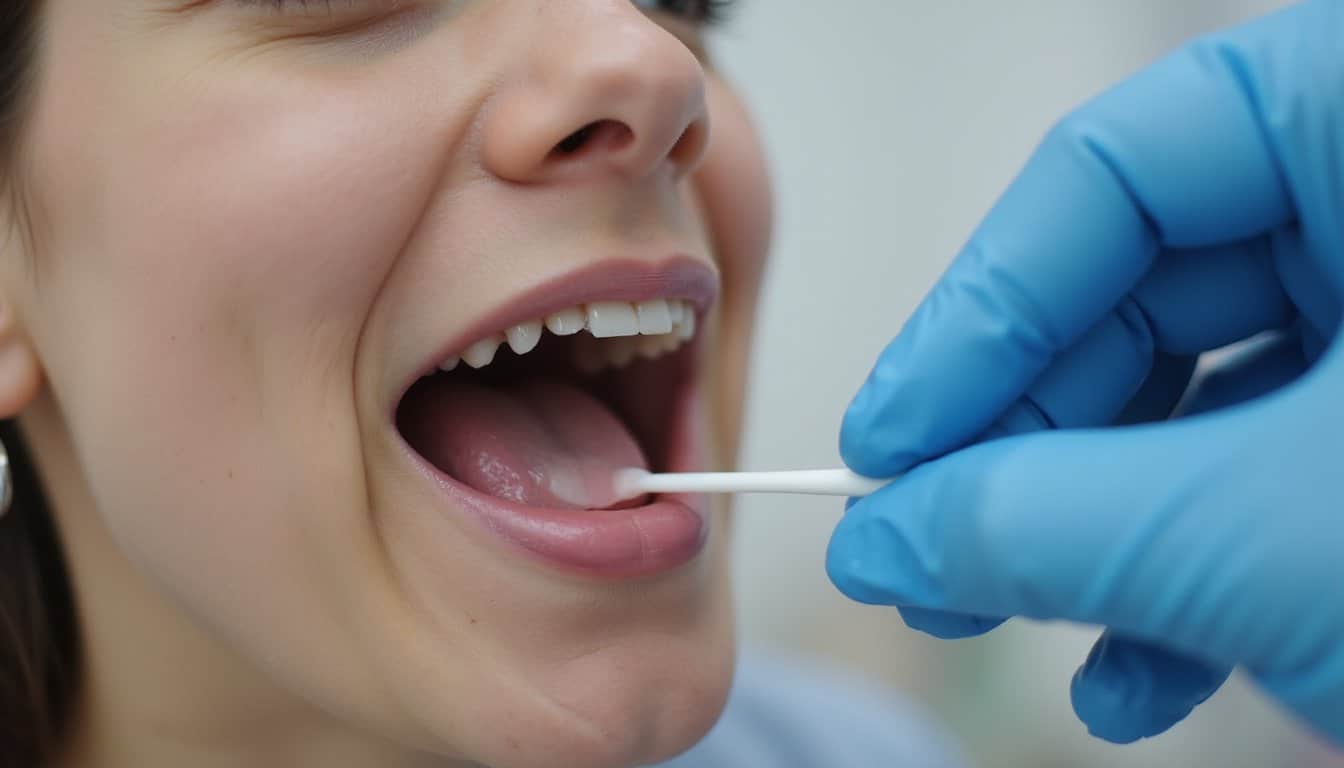
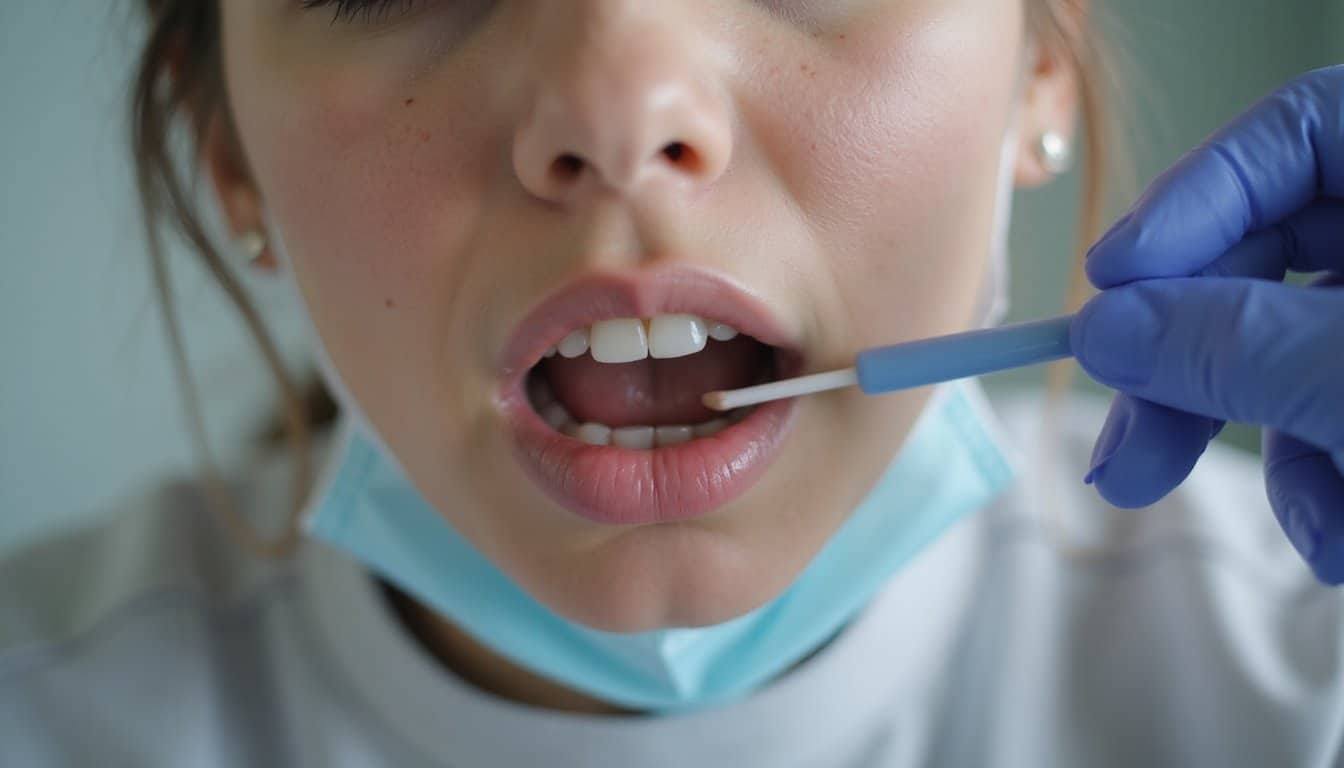
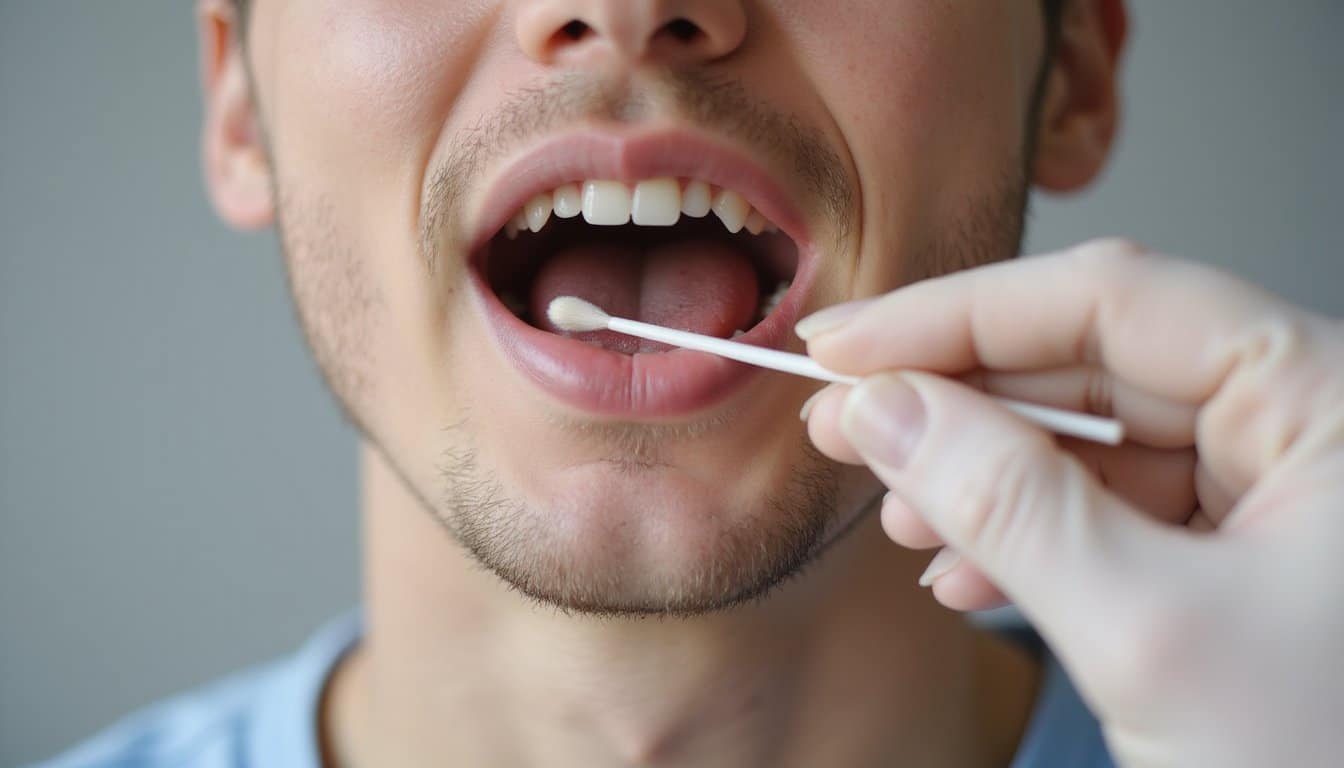
When you undergo a cocaine mouth swab test, on-site rapid immunoassay devices deliver presumptive screening results within 5, 10 minutes by detecting cocaine metabolites directly in your oral fluid. If your screen returns negative, laboratory confirmation using mass spectrometry typically takes 1, 3 days after specimen receipt, with methods sensitive enough to identify cocaine levels as low as 0.1 ng/mL. However, a presumptive positive triggers additional confirmatory ELISA and chromatographic analysis, extending your total result timeline by 2, 3 days and potentially up to 5 days when clinical toxicology review is required.
On-Site Screening Timeframes
On-site mouth swab tests deliver presumptive results within 5, 10 minutes of sample collection, making them one of the fastest screening methods available for detecting cocaine use. These rapid immunoassay devices target benzoylecgonine, cocaine’s primary metabolite, using portable equipment designed for immediate workplace and roadside administration.
Understanding how long cocaine stays in your mouth depends on the test’s detection parameters. On-site screens identify cocaine metabolites within minutes of ingestion, with ideal detection occurring during the 24, 48 hour window post-use. The non-invasive swab methodology requires minimal sample volume while maintaining forensic precision. Your presumptive results function as initial screening indicators, positive findings typically require laboratory confirmation through mass spectrometry, which detects cocaine concentrations as low as 0.1 ng/mL in oral fluid.
Laboratory Confirmation Delays
Although on-site screening devices deliver presumptive results within minutes, laboratory confirmation follows a fundamentally different timeline. When your saliva drug test for cocaine yields a negative screening result, laboratories typically return findings within 24, 36 hours after specimen receipt, as negative specimens bypass confirmatory analysis.
Positive results require substantially longer processing. Presumptive positives trigger confirmatory testing typically mass spectrometry or chromatographic analysis adding 2, 3 days beyond initial screening. This confirmatory step detects benzoylecgonine metabolite concentrations as low as 0.1 ng/mL in oral fluid, ensuring analytical accuracy before final determination. Chain of custody documentation requirements further extend reporting timelines, as laboratories prioritize specimen integrity over speed. You should expect total turnaround times of 3, 5 days for confirmed positive results, depending on laboratory workload and provider-specific review protocols.
Does Cocaine Clear From Saliva After 48 Hours?
Because cocaine has a plasma half-life of roughly one hour, the drug and its metabolites clear from saliva relatively quickly typically within 24 to 48 hours for most single-use or occasional-use scenarios. Your metabolic rate, dose ingested, and route of administration directly govern how long does cocaine stay in your mouth swab detection range.
However, if you’re a heavy or chronic user, don’t assume the 48-hour threshold applies. Studies document saliva-positive results extending to 7, 10 days during abstinence periods in chronic populations. Prolonged excretion patterns in these individuals reflect accumulated tissue stores releasing cocaine metabolites well beyond standard clearance timelines. Your usage frequency fundamentally shifts the pharmacokinetic elimination curve, making the 48-hour benchmark unreliable for heavy consumption patterns.
Call Today and Choose a Cleaner Tomorrow
Worrying about how long cocaine stays in your system is often a sign that something deeper needs attention. At Simonds Recovery Centers in Granada Hills, CA, our compassionate professionals deliver dependable Cocaine Addiction Treatment built around your unique needs and circumstances. Call +1 (833) 781-8338 today and begin a healthier chapter in your life.
Frequently Asked Questions
Can Secondhand Cocaine Smoke Cause a Positive Saliva Test Result?
You likely won’t test positive from secondhand cocaine smoke alone, but reliable data on this specific scenario doesn’t currently exist. Research on secondhand cannabis smoke shows it clears from saliva within one hour, though you can’t directly apply those pharmacokinetics to cocaine. Your exposure level, the test’s sensitivity, and metabolite clearance rates all play roles. If you’re concerned about passive exposure, you should consult a toxicology professional for personalized guidance.
Does Drinking Water Help Cocaine Leave Your Saliva Faster?
There’s no strong research showing that drinking water speeds cocaine’s clearance from your saliva. While hydration status is recognized as a factor influencing detection duration, available studies don’t quantify how increased water intake affects elimination rates. Your body clears cocaine and benzoylecgonine primarily through metabolic enzyme activity, not dilution. Drinking water won’t reliably shorten the 24, 48-hour detection window for occasional use or the extended 7, 10-day window for heavy use.
Can Prescription Medications Cause a False Positive for Cocaine on Swabs?
Certain prescription medications can potentially trigger a false positive for cocaine on mouth swab tests, though it’s relatively uncommon. You should know that some local anesthetics containing cocaine derivatives (like lidocaine) and certain antibiotics may cross-react with immunoassay-based screening panels. If you’re taking prescription medications and receive a positive result, you’ll want to request a confirmatory GC-MS (gas chromatography-mass spectrometry) test, which can distinguish cocaine’s specific metabolite, benzoylecgonine, from other compounds.
How Accurate Are Home Saliva Drug Tests Compared to Laboratory Tests?
Home saliva drug tests use immunoassay technology that delivers presumptive results within 5, 10 minutes, but they’re less precise than laboratory methods. Lab confirmation employs mass spectrometry, detecting cocaine metabolites like benzoylecgonine at levels as low as 0.1 ng/mL. If your home test shows a positive, it’ll require lab verification through chromatographic analysis to distinguish true positives from false positives. You’ll wait 1, 3 days for those definitive confirmed results.
Will Brushing Your Teeth Remove Cocaine Traces Before a Mouth Swab?
Brushing your teeth won’t reliably remove cocaine traces before a mouth swab test. Cocaine and its metabolites absorb into your oral mucosal tissues and re-diffuse into saliva through pharmacokinetic pathways you can’t eliminate with surface cleaning. While brushing may reduce superficial residue, it doesn’t clear drug compounds circulating from your bloodstream back into oral fluid. Since testers typically observe collection directly, you’ll find manipulation attempts difficult and largely ineffective.