




Crack cocaine’s intense high fades within 5 to 10 minutes, while powder cocaine’s effects last 45 to 60 minutes, but detection times depend on the test. Both forms show up in urine for 2 to 4 days after occasional use and up to 14 days with heavy use. Blood tests detect either form for 12 to 48 hours, and hair tests can reveal use for 90 days or longer. Several personal factors influence how quickly your body clears cocaine’s metabolites.
How Your Body Processes Crack vs. Powder Cocaine Differently
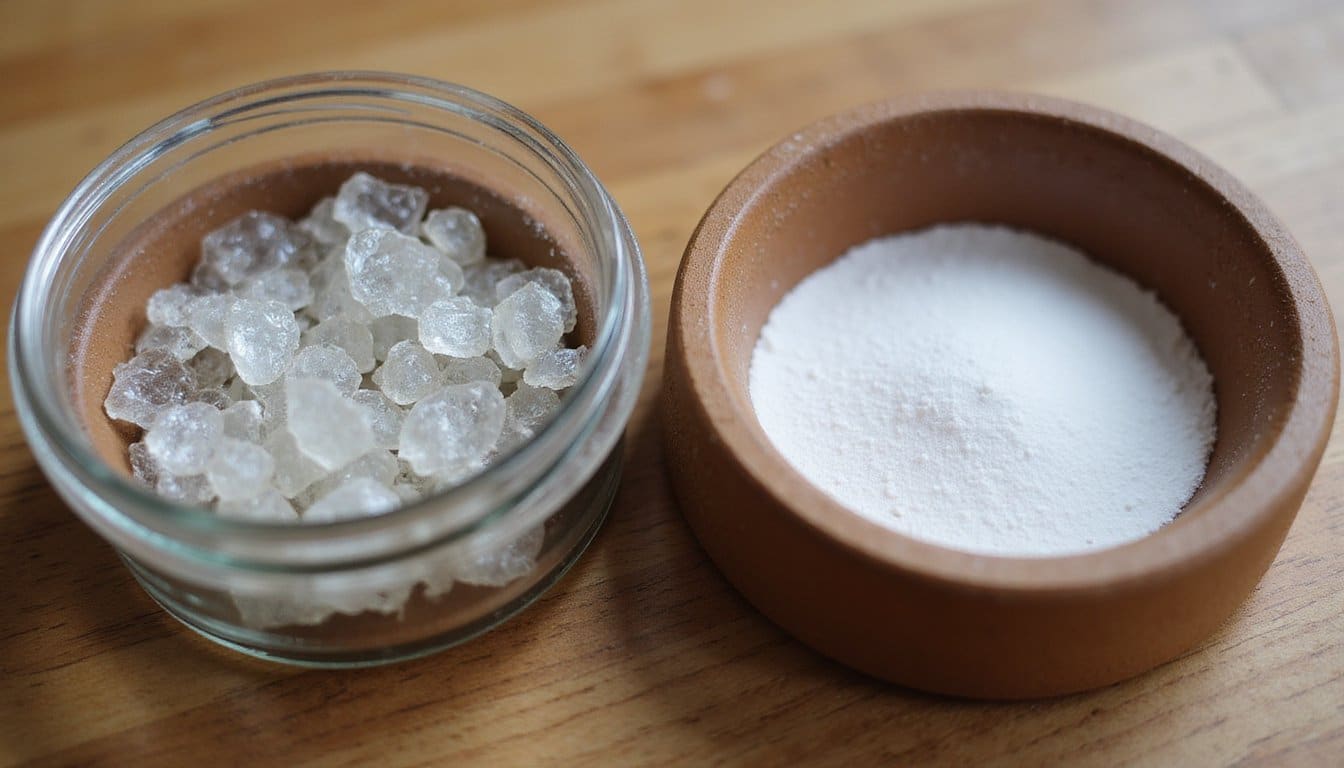
When you smoke crack cocaine, the drug takes a fundamentally different path through your body than when you snort powder cocaine, even though both contain the same active substance. Crack vapor absorbs directly through your lungs’ air sacs, reaching your brain in approximately 10 to 19 seconds. Snorted powder cocaine absorbs more slowly through nasal mucous membranes.
This distinction matters when considering how long does crack stay in your system. Smoking delivers 30 to 60 percent of the dose into your bloodstream almost immediately, producing intense effects lasting only 5 to 10 minutes. Powder cocaine’s effects last 45 to 60 minutes. These differences in absorption speed directly influence crack cocaine detection time and how long powder cocaine in system remains measurable. Because smoking allows the drug to reach the brain so rapidly, addiction develops more quickly through this route compared to snorting powder cocaine.
Crack vs. Powder Cocaine Detection Times Compared
Although crack and powder cocaine share the same active compound, their detection windows don’t always align neatly across every testing method. How long does crack cocaine stay in your system depends on the route of administration, dosage, and frequency of use. The same factors influence how long does powder cocaine stay in your system.
Current evidence on comparative detection times remains limited. However, general patterns include:
While research comparing crack and powder cocaine detection times is still evolving, general patterns offer useful guidance.
- Urine: How long does crack stay in urine mirrors powder cocaine’s window, typically 2, 4 days for occasional use
- Blood: Both forms are detectable for approximately 12, 24 hours
- Saliva: Detection ranges from 24, 48 hours for either form
- Hair: Both can appear in hair tests for up to 90 days
- Heavy use: Chronic consumption of either form extends all detection windows considerably
Because crack’s smoked form enters the bloodstream almost immediately, it overstimulates dopamine release, which can drive more frequent dosing patterns that ultimately affect how long metabolites remain detectable.
How Long Does Powder Cocaine Stay in Your System?
If you’ve used powder cocaine, detection times vary depending on the type of test administered. Urine tests can detect cocaine metabolites for 2, 4 days after occasional use and up to 10, 14 days with chronic use, while blood and saliva tests typically identify recent use within 1, 2 days and 2, 3 days, respectively. Hair follicle testing offers the longest detection window, capturing evidence of use for up to 90 days or longer based on hair length and growth patterns. Once ingested, cocaine is rapidly absorbed into the bloodstream and primarily broken down in the liver into benzoylecgonine, the key metabolite that most drug tests are designed to detect.
Urine Detection Time Window
How quickly cocaine shows up, and how long it lingers, in a urine test depends largely on how much you’ve used and how often. Urine screens detect benzoylecgonine, cocaine’s primary metabolite, rather than cocaine itself. Understanding how long does crack stay in body tissues helps clarify why detection windows vary. Whether smoking cocaine stay in your system longer depends on dose and frequency.
- Occasional use: Benzoylecgonine remains detectable for approximately 2, 4 days after last use.
- Heavy/chronic use: Detection extends up to 14 days, with extreme cases approaching 21, 30 days.
- High doses: Extremely large amounts of cocaine can remain detectable for up to 3 weeks.
- Standard cut-off: Immunoassays use a 300 ng/mL threshold for benzoylecgonine.
- Individual variation: Metabolism, hydration, and renal function influence clearance speed.
Blood and Saliva Tests
Because crack cocaine is smoked, it enters your bloodstream almost immediately. This rapid absorption means it may appear in blood and saliva tests sooner than snorted powder cocaine but also clear more quickly. However, the specific detection window you’ll face depends on factors like dosage, frequency of use, and your individual metabolism.
If you’re concerned about testing, remember that seeking help is always more important than timing detection windows. Treatment professionals can guide you forward without judgment.
Hair Follicle Analysis Duration
Unlike blood or saliva tests, hair follicle analysis offers the longest detection window for cocaine use, up to 90 days under standard testing protocols. Labs typically analyze the 1.5-inch hair section closest to your scalp, reflecting approximately three months of growth at 0.5 inches per month.
Key factors that influence your hair test results include:
- Detection lag: Cocaine won’t appear in hair until 7, 10 days after use, as metabolites must incorporate into growing hair above the scalp
- Heavy use: Chronic cocaine use can extend detection beyond 90 days, potentially up to 6 months
- Hair length: Samples longer than 1.5 inches may reveal use beyond the standard window
- Low-level use: Single-use instances may not produce detectable concentrations
- Screening cutoff: Labs use 500 picograms per milligram for initial screening
How Long Does Crack Cocaine Stay in Your System?
When you use crack cocaine, your body begins breaking it down almost immediately, but its metabolites can linger far longer than the high itself. Detection windows vary widely depending on the type of test, urine screening can identify use for up to two weeks in heavy users, while blood tests typically detect the drug for only 12 to 48 hours. Several personal factors, including your metabolism, frequency of use, and overall health, also play a significant role in how quickly your body clears the substance.
Detection Window Timelines
Detection timelines vary greatly depending on the type of test used, and understanding these windows can help you know what to expect. Each method detects crack cocaine or its metabolites over different periods, depending on biological sample type and your usage patterns.
- Urine: Detectable for 2, 4 days with occasional use, up to 2 weeks with chronic use
- Blood: Crack cocaine detectable up to 12 hours; metabolites up to 48 hours
- Saliva: Detectable for 24, 48 hours, most reliably within the first 12, 24 hours
- Hair: Detectable for up to 3 months, reflecting long-term exposure
- Sweat patch: Detectable for 7, 14 days during continuous wear
If you’re facing testing, knowing these windows can reduce uncertainty and help you make informed decisions about seeking support.
Factors Affecting Duration
Several key factors influence how long crack cocaine stays in your system, and understanding them can help you better anticipate detection outcomes.
Frequency and dosage play considerable roles. If you’re a chronic user, metabolites accumulate in your body, extending urine detection windows up to two weeks, compared to two to four days for occasional use. Larger doses also require more time to metabolize fully.
Your metabolism, age, and health matter greatly. Slower metabolic rates delay clearance, while declining kidney or liver function, common with aging or chronic illness, can considerably lengthen detection periods.
The type of test used also affects results. Blood tests detect cocaine for 12, 48 hours, saliva tests for 24, 48 hours, and urine tests for several days. Hair tests offer the longest detection window.
What Affects How Long Cocaine Stays in Your System?
The length of time cocaine remains detectable in your body depends on several interconnected factors, not just the drug itself. Your unique biology, habits, and overall health all play a role in how quickly your body processes and eliminates cocaine metabolites.
Key factors that influence detection times include:
- Frequency and amount of use, heavy or repeated use leads to metabolite accumulation in fatty tissues
- Metabolic rate and body composition, age, genetics, and body fat percentage affect elimination speed
- Liver and kidney function, compromised organ function considerably slows cocaine metabolism and clearance
- Method of ingestion, smoking or injecting produces faster absorption and different metabolite timelines than snorting
- Concurrent substance use, alcohol creates cocaethylene, which has a half-life three to five times longer than cocaine alone
Can Drug Tests Tell Crack and Powder Cocaine Apart?
How precisely can a drug test distinguish between crack and powder cocaine? Standard urine screens detect benzoylecgonine, a metabolite both forms produce, so they can’t differentiate between them. However, smoking crack generates a unique biomarker called anhydroecgonine methyl ester (AEME), which specialized laboratory analysis can identify in your urine, saliva, sweat, and hair.
Hair and nail tests detect both forms for 90 days and up to six months, respectively, but won’t distinguish between them without advanced protocols. Saliva testing catches cocaine use within one to three days regardless of form.
If differentiation matters, for legal or clinical reasons, you’ll need confirmation testing through a specialized lab equipped to analyze specific metabolic byproducts beyond standard screening thresholds.
Why Crack Cocaine Leaves Your System Faster Than You Think
Understanding which form of cocaine you’ve used matters beyond just test differentiation, it directly shapes how quickly your body processes and eliminates the drug. Crack’s smoking route delivers concentrated doses that your body metabolizes at an accelerated rate compared to snorted powder.
Key factors driving crack’s faster clearance:
Crack’s rapid absorption and shorter half-life drive significantly faster clearance from your system compared to powdered cocaine.
- Rapid absorption through lung tissue creates immediate peak plasma concentrations within minutes
- Shorter half-life of approximately 1-4 hours means half the substance exits your bloodstream within 60 minutes
- Compressed blood detection windows of only 12-48 hours reflect efficient elimination
- Accelerated metabolite production leads to faster clearance cycles
- Higher bioavailability triggers your liver’s enzymatic systems to process the concentrated dose more rapidly
This doesn’t mean crack is undetectable, it means your testing timeline requires careful consideration.
Why There’s No Shortcut to Beating a Cocaine Drug Test
Because crack cocaine clears the bloodstream relatively quickly, some people assume they can simply wait it out or use detox products to pass a drug test, but modern testing methods don’t leave that gap. Urine tests target benzoylecgonine, a metabolite with a longer half-life than cocaine itself, remaining detectable for up to 14 days in chronic users. Hair follicle tests extend that window to 90 days, and sweat patches provide continuous monitoring for weeks.
Your body’s metabolism, age, hydration, and overall health all influence clearance rates, but none of these factors are within your immediate control. If you’re concerned about testing, the most reliable path forward isn’t a shortcut. It’s seeking professional support to address the underlying use and build toward sustained recovery.
Call Today and Choose a Cleaner Tomorrow
Worrying about how long cocaine stays in your system is often a sign that something deeper needs attention. At Simonds Recovery Centers in Granada Hills, CA, our compassionate professionals deliver dependable Cocaine Addiction Treatment built around your unique needs and circumstances. Call +1 (833) 781-8338 today and begin a healthier chapter in your life.
Frequently Asked Questions
Can Secondhand Crack Smoke Cause a Positive Cocaine Drug Test Result?
Secondhand crack smoke can expose you to cocaine, but it’s unlikely to cause a positive drug test under normal conditions. Studies show that passive exposure in well-ventilated spaces typically doesn’t produce detectable levels. However, if you’re in a small, poorly ventilated room with heavy smoke for an extended period, it’s possible to absorb enough cocaine to trigger a positive result. If you’re concerned, talk to your healthcare provider about your situation.
Does Mixing Cocaine With Alcohol Extend Its Detection Time in Tests?
Yes, mixing cocaine with alcohol can extend detection time. When you use both together, your liver produces a unique metabolite called cocaethylene, which has a longer half-life than cocaine’s typical metabolites. This means your body takes longer to eliminate it, potentially widening the detection window on drug tests. If you’re concerned about substance use involving cocaine and alcohol, reaching out to a healthcare professional can help you take the next step.
Is Cocaine Detected Differently in Hair From Different Body Parts?
Yes, hair from different body parts can show varying detection results. Body hair generally grows slower than scalp hair and may retain cocaine metabolites for longer periods. Standard hair follicle tests detect cocaine for up to 90 days, but this window can shift depending on the sample’s source. If you’re facing testing, it’s important to know that labs typically use scalp hair as the default, though they can test body hair when needed.
Can Breastfeeding Mothers Pass Detectable Cocaine Metabolites to Their Infants?
Yes, if you use cocaine while breastfeeding, you can pass detectable metabolites to your infant through breast milk. Cocaine concentrates in breast milk and can remain detectable in your baby’s system, potentially causing serious health effects. If you’re struggling with cocaine use and currently breastfeeding, it’s important to speak honestly with your healthcare provider. They can help you explore safer options to protect both your health and your baby’s well-being.
Does Cocaine Use Show up on Standard Employment Background Check Screenings?
Standard employment background checks don’t typically include drug testing. They focus on criminal history, credit, and employment verification instead. However, if your employer adds a separate drug screening, cocaine can show up. Urine tests, the most common workplace method, detect cocaine metabolites for 2, 3 days after occasional use and up to 14 days with heavy use. If you’re concerned about substance use, you deserve compassionate support and treatment options.