



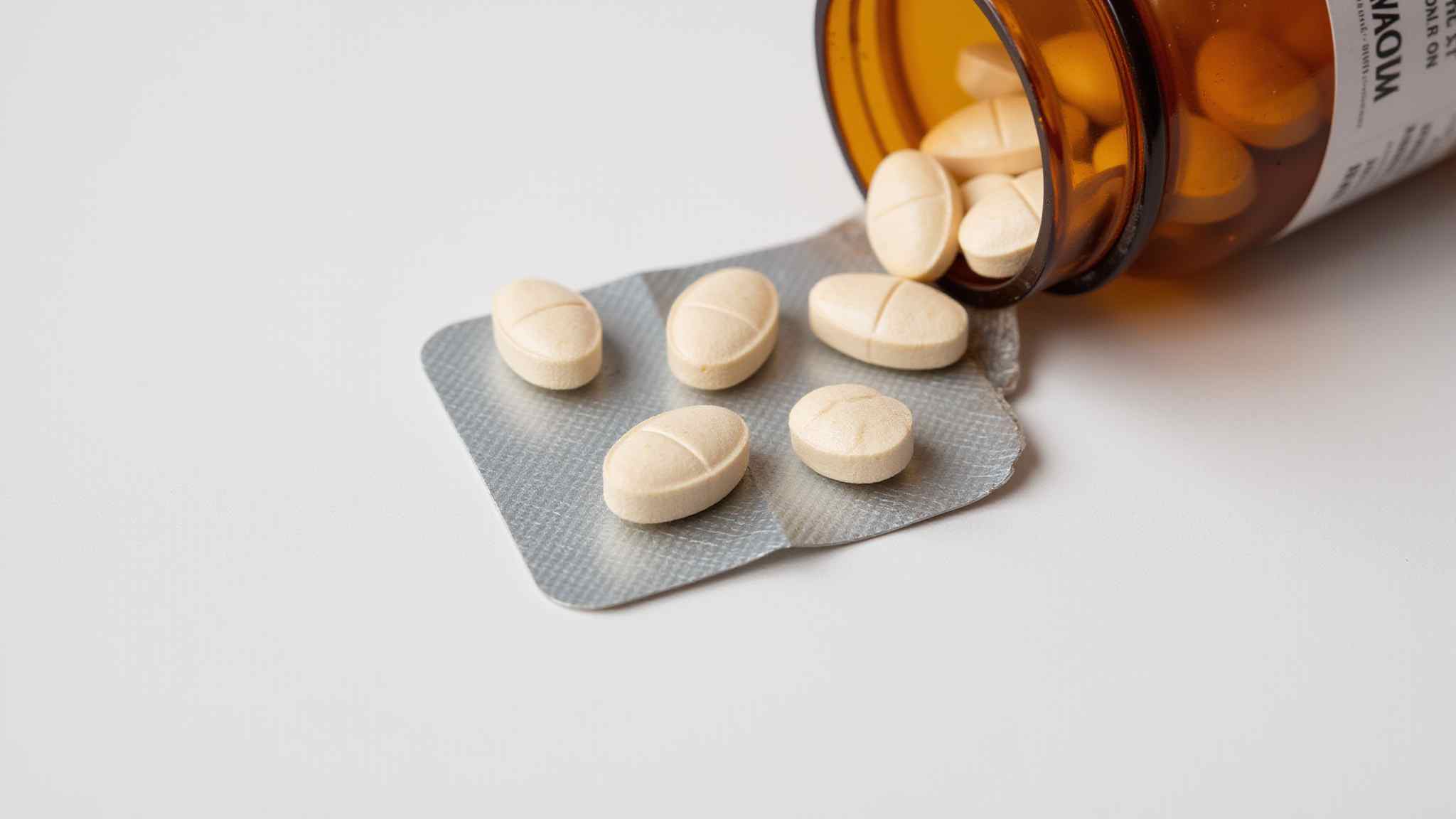



If you’re facing opioid use disorder, medication-assisted treatment offers real, measurable benefits. MAT using methadone or buprenorphine at least doubles your odds of lasting abstinence and cuts overdose death risk by roughly 50%. It reduces cravings, eases withdrawal, and keeps you engaged in treatment longer. You’ll see the strongest results when medication’s paired with psychosocial support. MAT isn’t replacing one addiction with another; it’s legitimate medical care. Here’s what the evidence shows.
Key Takeaways
- MAT with methadone or buprenorphine at least doubles opioid-abstinence outcomes compared to placebo or no medication in randomized trials.
- Agonist medication cuts mortality risk by roughly 50%, significantly reducing fatal overdoses across communities.
- MAT increases treatment retention, especially in comprehensive programs pairing medication with psychosocial support for stronger, lasting results.
- Methadone and buprenorphine reduce cravings and ease withdrawal, helping prevent relapse during the high-risk first six months.
- MAT is legitimate, life-saving medical care that works best within a thorough program, not as a standalone cure.
Why MAT improves recovery outcomes

MAT improves recovery outcomes because it addresses the biological drivers of opioid use disorder, a chronic medical condition. When you take prescribed methadone or buprenorphine, you’re reducing cravings and preventing the relapses that undermine long-term recovery. That’s why randomized controlled trials show MAT at least doubles opioid-abstinence outcomes versus placebo or no medication. You’re also far more likely to stay engaged: MAT increases retention in treatment, and sustained engagement is critical for lasting recovery. This matters because long-term retention is directly associated with better outcomes. When you pair medication with psychosocial support, you’ll see stronger results than behavioral treatment or medication alone. By stabilizing the biology first, MAT gives you the foundation you need to rebuild your life. MAT opioid vs alcohol treatment emphasizes individualized treatment based on the substance involved and each person’s needs. Combining medication-assisted treatment with behavioral therapies can help address cravings while supporting mental health and long-term recovery.
Reducing overdose risk
MAT reduces your overdose risk by keeping you alive. When you’re treated with agonist medication like methadone or buprenorphine, you cut your mortality risk by roughly 50% compared to receiving no treatment. That same protection applies specifically to overdose deaths, you’re 50% less likely to die of an overdose while taking prescribed medication.
This survival advantage strengthens the longer you stay on treatment. Continuing methadone or buprenorphine long term consistently improves your survival rate, which is why sustained engagement matters so much. Support systems can play an important role in maintaining long-term methadone treatment. Encouragement from family, friends, or support groups can promote accountability, motivation, and adherence to treatment plans.
At the population level, expanding access to MAT reduces overdose fatalities across communities. So when you commit to medication-based care, you’re not just supporting your recovery, you’re substantially lowering your risk of a fatal overdose.
Keeping people in treatment

Keeping people in treatment depends on MAT, which increases your retention in treatment, especially when it’s part of a all-inclusive program that pairs medication with psychosocial support. That combination outperforms behavioral treatment alone or medication alone for many patients. When you stay engaged long-term, you’re more likely to achieve the sustained outcomes that recovery requires. Retention isn’t just about showing up, it’s linked to reduced use of high-intensity treatment services and improved continuity of care. The longer you remain on methadone or buprenorphine, the better your outcomes tend to be. Sustained engagement is critical for long-term recovery, so staying connected to your treatment plan gives you the consistency and stability you need to keep moving forward.
Managing cravings and withdrawal
MAT gives you a clinical tool to manage both cravings and withdrawal. Medications like methadone and buprenorphine reduce cravings and ease withdrawal symptoms, letting you focus on recovery instead of the physical pull to use. That’s a critical advantage in your first six months, when relapse risk runs highest. Randomized controlled trials show MAT at least doubles opioid-abstinence outcomes compared with placebo or no medication, and real-world data link it to fewer returns to use. By stabilizing the neurochemical drivers behind cravings, MAT lowers illicit opioid use and helps prevent relapse. You don’t have to fight withdrawal on willpower alone. With properly dosed medication, you get a manageable foundation that supports lasting abstinence and keeps your recovery on track.
Addressing the stigma around MAT

MAT is legitimate, life-saving medical care, not a way of trading one addiction for another. The evidence doesn’t support the dismissive view. When you’re properly dosed, medication doesn’t impair your intelligence, mental capability, physical functioning, or employability. Instead, it stabilizes you, letting you focus on employment, housing, and parenting. The stigma persists despite data showing agonist medication cuts mortality by roughly 50% and doubles abstinence outcomes. Medication assisted treatment combines medication with counseling and supportive care to address substance use and promote recovery. Understanding this approach can help reduce stigma and encourage individuals to seek appropriate treatment and support.
| Common Myth | What Evidence Shows | Your Outcome |
|---|---|---|
| “Just another addiction” | No effect on functioning | Restored stability |
| “It’s a crutch” | 50% lower overdose death | Improved survival |
| “You’re not sober” | Reduced illicit use, cravings | Sustained recovery |
These facts allow you to reject the stigma and recognize MAT as legitimate, life-saving medical care.
Limitations and considerations
MAT has important limitations, and it isn’t a standalone cure. Understanding these limitations helps you set realistic expectations. Medication works best as part of a thorough program, and evidence shows that pairing medication with psychosocial support outperforms medication alone for many patients. You shouldn’t expect medication by itself to address the broader life needs, such as employment, housing, and parenting, that sustain long-term recovery.
Retention matters, too. Because outcomes improve with sustained engagement, discontinuing medication prematurely can undermine the mortality and abstinence gains you’ve achieved. You’ll also need proper dosing. Correctly dosed MAT has no adverse effects on intelligence, physical functioning, or employability, but individualized care is essential.
Finally, treatment responses vary. What works for one patient may require adjustment, ongoing monitoring, and coordinated clinical support. CBT vs DBT are therapeutic approaches that use different techniques to address individual needs. Understanding their distinct methods can help individuals and providers identify strategies suited to specific symptoms, treatment goals, and personal circumstances.
Is MAT right for you
MAT is right for you if you’re living with opioid use disorder and want treatment backed by clear evidence. The data are clear: agonist medications like methadone or buprenorphine cut mortality by roughly 50% and reduce overdose deaths. Consider whether you want improved treatment retention, reduced cravings, and lower relapse risk, outcomes MAT consistently delivers, especially when paired with psychosocial support. If you’re pregnant, buprenorphine has shown favorable safety and improved maternal and fetal outcomes. Think about your broader recovery goals too, since MAT can stabilize you enough to focus on employment, housing, and parenting. Talk with a qualified provider about your history, needs, and preferences. Together, you’ll determine whether medication-based treatment fits your recovery. Suboxone vs methadone differ in how they work, their side effects, and treatment requirements. Both can effectively treat opioid use disorder, but the best choice depends on individual needs and medical guidance.
The Evidence Is Clear. MAT Works. Start Today.
MAT isn’t a shortcut or swapping one drug for another, the research shows it cuts relapse, curbs cravings, and keeps people in recovery longer than willpower alone. Simonds Recovery Centers in Granada Hills puts that evidence to work with medication-assisted treatment paired with behavioral therapy, the combination that actually holds.
Call (833) 781-8338 now or verify your insurance. Confidential, seven days a week.
Frequently Asked Questions
How long does a typical course of MAT usually last?
There’s no fixed timeline, and duration is individual. The evidence favors longer engagement: staying on methadone or buprenorphine is associated with roughly halved mortality and lower relapse, and those benefits hold while you’re in treatment. That’s why rushing to stop tends to work against you. There’s no prize for coming off quickly, and staying on medication longer improves survival and abstinence. Work with your provider to decide what’s right for you.
Can I take MAT medications while pregnant or breastfeeding?
Yes. The evidence supports their use in pregnancy, with fewer complications and improved maternal and fetal outcomes compared with untreated opioid use disorder. Buprenorphine in particular has a favorable safety and efficacy profile in pregnant patients. If you’re pregnant or breastfeeding, work closely with your provider to find the right medication and dose, so both your recovery and your baby’s health are protected throughout.
Does insurance or Medicaid typically cover the cost of MAT?
Usually, yes. Under federal parity rules, most commercial plans and Medicaid cover medication-assisted treatment, though the covered medications, prior-authorization requirements, and out-of-pocket costs vary by plan and state. Verify your benefits directly with your insurer or Medicaid office, or ask your treatment provider’s billing staff, so you know what to expect before starting care.
What is the difference between methadone and buprenorphine?
Both reduce cravings and, when you stay in treatment, substantially lower overdose risk. Methadone is a full opioid agonist, typically dispensed daily through specialized opioid treatment programs. Buprenorphine is a partial agonist, often prescribed for take-home use, with a favorable safety profile including in pregnancy. Both improve retention and survival, so the better choice depends on your situation. Discuss which fits your recovery needs with your provider.
Can I switch between different MAT medications during treatment?
Yes, if your current medication isn’t working well for you. Your provider can guide a transition between methadone and buprenorphine based on your response, side effects, and goals; these switches need clinical oversight, since moving to buprenorphine too soon after a full agonist can precipitate withdrawal. What matters most is staying engaged, since retention is what’s linked to better outcomes. Don’t stop or switch on your own; work with your care team.