





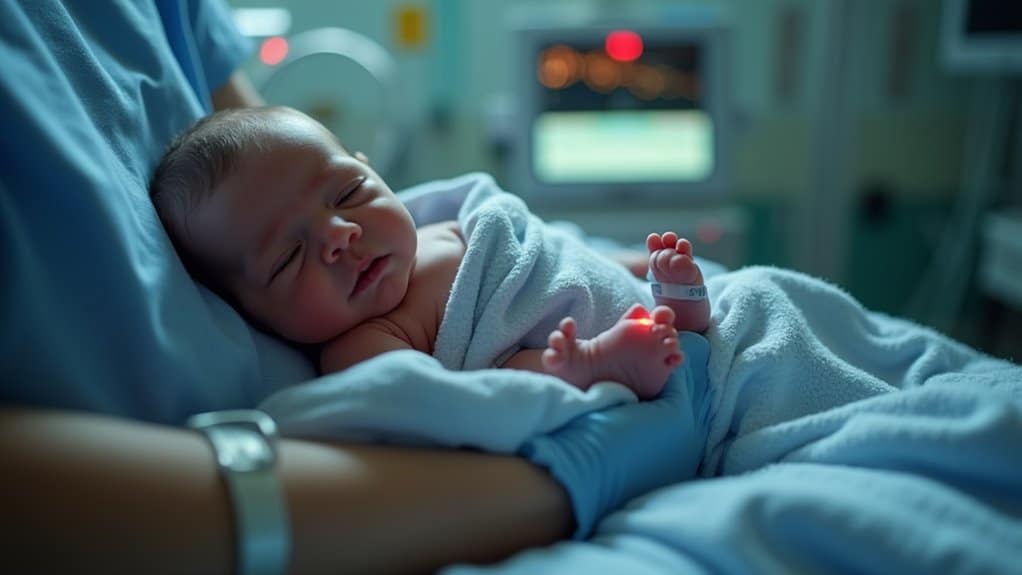

Rehab for pregnant women starts with confidential, nonjudgmental screening, ideally at your first prenatal visit. Your care team assesses what you use, how often, and your withdrawal and overdose risks. Then they build a trauma-informed plan around your pregnancy stage and health needs. If you use opioids, you’ll typically receive methadone or buprenorphine, since stopping abruptly can trigger preterm labor or miscarriage. Below, you’ll find how programs adapt care to protect you and your baby.
Key Takeaways
- Rehab for pregnant women begins with confidential, nonjudgmental screening assessing substances used, withdrawal and overdose risks, and co-occurring health needs.
- Treatment plans are person-centered and trauma-informed, considering pregnancy stage, medical and mental health history, housing, and social support.
- Methadone and buprenorphine are first-line medications for opioid use disorder during pregnancy, combined with counseling and coordinated medical care.
- Abruptly stopping opioids or withdrawal-based treatment is not recommended because it can trigger preterm labor, fetal distress, or miscarriage.
- Pregnancy-specific programs add obstetric clinicians to the care team and extend aftercare to newborn withdrawal monitoring and postpartum recovery support.
What does rehab for pregnant women involve

Rehab for pregnant women involves screening, assessment, a personalized treatment plan, medication when needed, counseling, prenatal care, and ongoing recovery support. It starts with a confidential, nonjudgmental screening, ideally at your first prenatal visit, followed by an assessment of the substances you use, how often you use them, any withdrawal or overdose risks, your treatment history, and co-occurring health needs. Your care team then builds a person-centered, trauma-informed plan around your pregnancy stage, medical and mental health, housing, and social support. Depending on your needs, you’ll receive treatment in an outpatient program, opioid treatment program, or residential setting. If you have opioid use disorder, you’ll likely start methadone or buprenorphine, the first-line medications, rather than undergoing withdrawal, which can trigger preterm labor or fetal distress. Counseling, regular prenatal care, and newborn monitoring complete your treatment, with recovery support continuing well after delivery.
Why pregnancy makes getting help more urgent, not less
Pregnancy is the moment when getting help matters most, because early connection to treatment can support improved pregnancy outcomes. Fear of judgment or legal consequences can make you want to delay treatment, but universal screening at your first prenatal visit is meant to be collaborative, not punitive.
If you’re using opioids, don’t try to quit on your own. Abruptly stopping can trigger preterm labor, fetal distress, or miscarriage. That’s why clinicians recommend methadone or buprenorphine over withdrawal-based approaches: these medications stabilize you, lower relapse risk, and support better outcomes for you and your baby.
Getting help now also gives your care team time to coordinate prenatal visits, plan newborn monitoring, and build support that continues after delivery. Reaching out is an act of care.
What treatment approaches are considered safe during pregnancy

The safest treatment approach for opioid use disorder during pregnancy combines medication with counseling and coordinated medical care, since the condition carries real risks for you and your baby.
Methadone and buprenorphine are first-line medications during pregnancy. They’re recommended over withdrawal-based treatment because they support better outcomes and lower your relapse risk. Stopping opioids abruptly can trigger preterm labor, fetal distress, or miscarriage, so don’t quit on your own. If you notice cravings or withdrawal symptoms, your clinician can review your dose. If you took naltrexone before pregnancy, you’ll discuss whether to continue it, since safety data are limited.
Behavioral therapy works alongside medication, helping you build strategies for handling relapse triggers. Your team can add mental-health services when needed and coordinate prenatal care with specialists experienced in opioid use.
How treatment is adapted for pregnant women
Treatment for pregnant women is adapted by combining addiction care with prenatal care, starting with a universal, validated substance-use screening at your first prenatal visit. Your care team then assesses which substances you use, how often, your withdrawal and overdose risks, and any co-occurring health needs. Your plan accounts for your pregnancy stage, medical and mental-health history, housing, and social support. Your obstetric clinician coordinates with addiction specialists, so prenatal care and treatment work together instead of leaving gaps. Depending on your needs, you may receive care in an outpatient program, opioid treatment program, or residential setting. If cravings or withdrawal symptoms appear, your clinicians review your medication dose. Counseling, regular prenatal visits, and planning for newborn monitoring continue alongside medication, and your support extends through delivery and the postpartum period.
How pregnancy-specific programs compare to standard rehab

Pregnancy-specific programs use the same core tools as standard rehab to treat substance use, but they add obstetric care and are built around two patients: you and your developing baby.
| Feature | Standard rehab | Pregnancy-specific program |
|---|---|---|
| Care team | Addiction specialists | Addiction specialists plus obstetric clinicians |
| Opioid treatment | Medication or supervised withdrawal | Methadone or buprenorphine; withdrawal-based treatment isn’t recommended |
| Aftercare | Relapse prevention | Relapse prevention, newborn withdrawal monitoring, postpartum support |
Abruptly stopping opioids can trigger preterm labor, fetal distress, or miscarriage, so your care team adjusts medication doses rather than removing them. Your prenatal visits, counseling, and addiction care are integrated or coordinated, reducing care gaps between appointments. After delivery, you and your baby are treated as a connected care dyad, with continued medication, contraceptive counseling, and naloxone access supporting your long-term recovery.
Why seeking help protects both mother and baby
Seeking help protects you and your baby because early treatment gives you both the strongest protection. Early connection to care can support healthier pregnancy outcomes, and it lets your care team build a plan around your pregnancy stage, health history, and support needs.
If you’re using opioids, don’t stop abruptly on your own. Sudden withdrawal can trigger preterm labor, fetal distress, or miscarriage. Instead, methadone or buprenorphine can stabilize your body, reduce cravings, and lower your relapse risk more effectively than withdrawal-based approaches.
Treatment also connects you with regular prenatal care, counseling, and specialists who understand opioid use. After birth, your team monitors your newborn for withdrawal and continues supporting you both.
Seeking help isn’t a failure. It’s a powerful protective step for your whole family’s health.
How Simonds Recovery Centers supports pregnant individuals in treatment
Simonds Recovery Centers supports pregnant individuals in treatment with a collaborative, nonjudgmental assessment of the substances you use, how often you use them, any withdrawal or overdose risks, your treatment history, and your co-occurring health needs, because every pregnancy and every recovery path is different. From there, your team builds a trauma-informed plan around your pregnancy stage, mental health, housing, and support system.
If you have opioid use disorder, your clinicians will typically recommend methadone or buprenorphine, the first-line medications in pregnancy, because stopping opioids abruptly can trigger preterm labor or fetal distress. Counseling helps you build coping strategies for relapse triggers, and we coordinate closely with your obstetric providers. After delivery, support continues with relapse prevention, naloxone education, and care that treats you and your baby together.
Keep Treatment Going Safely
Pregnancy does not mean you have to face opioid addiction without treatment. Simonds Recovery provides medication-assisted treatment with medications such as buprenorphine and methadone, combined with counseling and ongoing recovery support.
Call (833) 781-8338 to discuss your treatment options with the Simonds team.
Frequently Asked Questions
Can I Breastfeed While Taking Methadone or Buprenorphine?
Breastfeeding is often possible for people who are stable on methadone or buprenorphine, although the decision should be individualized. Only small amounts of these medications generally enter breast milk, and breastfeeding can provide benefits for both mother and infant. Your obstetric and pediatric teams should consider your treatment stability, other substance use, medications, and your baby’s health before recommending breastfeeding.
Will My Newborn Be Monitored for Withdrawal Symptoms After Birth?
Yes. If a newborn has been exposed to opioids during pregnancy, the healthcare team may monitor for signs of neonatal opioid withdrawal syndrome. Symptoms can include difficulty feeding, tremors, irritability, excessive crying, and sleep problems. Hospitals use different assessment and treatment approaches, so ask your obstetric and pediatric teams what monitoring and follow-up your baby will receive.
Should I Keep Taking Naltrexone if I Become Pregnant?
Do not stop or change naltrexone on your own if you become pregnant. Evidence about naltrexone use during pregnancy is more limited than for methadone or buprenorphine, so the decision should be individualized with your healthcare providers. They can weigh your treatment stability, risk of returning to opioid use, pregnancy, and available alternatives before deciding whether to continue or change treatment.
Does Addiction Treatment Continue After I Give Birth?
Yes. Treatment for opioid use disorder should continue after delivery rather than automatically ending with pregnancy. Your providers may reassess your medication, cravings, mental health, recovery supports, and postpartum needs. Continuing medication treatment when appropriate, along with counseling and other recovery support, can help reduce relapse and overdose risk during the postpartum period.
Will Postpartum Care Include Naloxone Access and Overdose Education?
It can, and naloxone should be readily available when there is a risk of opioid overdose. Postpartum care can also include education for the patient and family members about recognizing an overdose and administering naloxone, along with continued medication treatment and recovery support. Ask your healthcare team how to obtain naloxone and create an overdose-response plan before leaving the hospital.