






Fetal alcohol syndrome (FAS) is the most involved diagnosis within fetal alcohol spectrum disorders (FASDs). It involves growth deficiencies, characteristic facial features, and central nervous system problems. When you drink, alcohol passes through the umbilical cord to your baby, whose brain develops throughout pregnancy. Researchers haven’t found any safe amount, timing, or type of alcohol. FAS is preventable, and stopping at any point can help your baby. Below, you’ll find the signs, risks, and support available.
Key Takeaways
- Fetal alcohol syndrome is the most severe fetal alcohol spectrum disorder, marked by growth deficiencies, distinctive facial features, and central nervous system problems.
- Alcohol passes through the umbilical cord to the baby and can affect brain development at any stage of pregnancy.
- No amount, timing, or type of alcohol, including wine, beer, or liquor, is known to be safe during pregnancy.
- Signs may not appear at birth; learning, memory, attention, and behavior challenges can emerge later in childhood.
- FASDs are preventable, and stopping drinking at any point helps the baby; heavy drinkers should stop with medical guidance.
What is fetal alcohol syndrome (FAS)

Fetal alcohol syndrome (FAS) is the most involved diagnosis within fetal alcohol spectrum disorders (FASDs), a range of conditions caused by alcohol exposure before birth. Many people use “fetal alcohol syndrome” to describe any harm from drinking during pregnancy, but the term refers specifically to this diagnosis. FAS typically involves three hallmarks: growth deficiencies, characteristic facial features, and central nervous system problems. Other FASDs vary in severity and can affect your child’s physical health, learning, behavior, and development. You won’t always see these effects at birth. Some difficulties emerge during childhood and can last throughout life. FASDs are preventable. When your baby has no alcohol exposure before birth, you remove the cause entirely. Understanding this spectrum helps you make informed choices and recognize when your child needs support.
How alcohol affects fetal development
Alcohol can cause growth problems, physical differences, and changes in how your baby’s brain and central nervous system function. It passes from your bloodstream through the umbilical cord to your baby. Your baby’s brain keeps developing throughout pregnancy, so alcohol can affect development at any stage, even before you know you’re pregnant. Researchers haven’t identified any safe amount, safe time, or safe type of alcohol. Wine, beer, and liquor carry risk.
These changes may affect learning, memory, attention, behavior, and everyday skills. Drinking also raises the risk of miscarriage, stillbirth, preterm birth, and sudden infant death syndrome. No one can predict how alcohol will affect an individual pregnancy, but stopping at any point can improve your baby’s health.
What the physical and developmental signs of FAS are
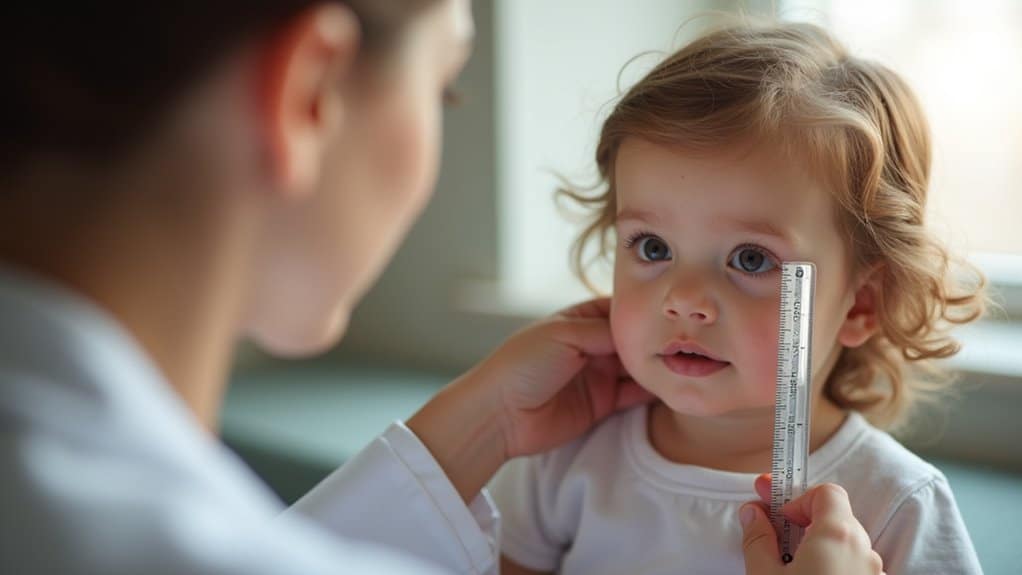
The physical and developmental signs of fetal alcohol syndrome include three core features doctors typically use to recognize it: growth deficiencies, characteristic facial features, and central nervous system problems. Fetal alcohol syndrome sits at the most involved end of fetal alcohol spectrum disorders. Beyond these core features, you may notice difficulties with learning, memory, attention, behavior, and daily living skills.
Signs aren’t always obvious at birth. Some, such as learning problems, may not surface until your child reaches school age. Effects also differ from one child to the next, and you can’t reliably predict outcomes from exposure alone, since children exposed to similar amounts can develop differently.
If you have concerns, your pediatrician can begin an assessment and refer you for specialist evaluation. Early identification helps connect your family with support that fits your child’s needs.
Why there is no known safe amount of alcohol during pregnancy
No amount, timing, or type of alcohol is known to be safe during pregnancy, because you can’t predict how alcohol exposure will affect an individual child. When you drink, alcohol passes from your bloodstream through the umbilical cord to your baby. Even children exposed to similar amounts can have very different outcomes.
Timing offers no protection either. Your baby’s brain develops throughout pregnancy, so alcohol can affect development at any stage. Effects may begin before you know you’re pregnant, which can take four to six weeks. Wine, beer, and liquor all carry risk.
Beyond FASDs, prenatal alcohol use is linked to miscarriage, preterm birth, stillbirth, and sudden infant death syndrome. If you’ve already had alcohol, stopping now can still improve your baby’s health, and your healthcare provider can help.
How FAS fits within fetal alcohol spectrum disorders (FASD)

Fetal alcohol syndrome (FAS) is the most involved condition within fetal alcohol spectrum disorders (FASDs). FASDs describe a range of conditions caused by alcohol exposure before birth, and they vary widely in severity.
| What you might notice | When it may appear | What it means for your child |
|---|---|---|
| Growth deficiencies | Infancy onward | Your child may need closer health monitoring |
| Characteristic facial features | Visible early on | These help clinicians recognize FAS |
| Learning, attention, behavior challenges | Often by school age | Your child may need lifelong support |
You can’t predict how alcohol will affect an individual pregnancy. Children with similar exposure may have different outcomes. What you can control is prevention: FASDs don’t happen when there’s no alcohol exposure before birth, and stopping at any point helps.
Why stopping drinking at any point helps
Stopping drinking at any point in pregnancy benefits your baby, because your baby’s brain keeps developing throughout pregnancy and alcohol can affect that development at any stage. If you drank before you knew you were pregnant, you’re not alone. Pregnancy often goes unrecognized for four to six weeks, and stopping now still improves your baby’s health and well-being.
No amount, timing, or type of alcohol is known to be safe, so the most protective choice is to stop completely. Wine, beer, and liquor all carry risk. If stopping feels difficult, tell your healthcare provider. Prenatal care can include screening and counseling, and your provider can discuss treatment options without judgment. Asking for help today is a concrete, protective step toward supporting your baby’s development.
How Simonds Recovery Centers helps people stop drinking
Simonds Recovery Centers helps you stop drinking during pregnancy with compassionate, judgment-free support. Our team starts by understanding your alcohol use, health history, and pregnancy needs. From there, we’ll help you build a treatment plan that fits your situation.
Stopping suddenly isn’t always safe if you’ve been drinking heavily, so we’ll coordinate with your obstetrician or prenatal care provider to protect both you and your baby. Counseling can help you manage cravings, stress, and triggers, and family involvement can strengthen your support at home.
Stopping alcohol at any point in pregnancy can improve your baby’s health. You don’t have to do it alone. Reach out today to talk confidentially about your treatment options and next steps.
Get Help Stopping Alcohol Use
If alcohol use is continuing during pregnancy or you’re worried about stopping on your own, getting professional support can help you take the next step safely. Simonds Recovery provides alcohol addiction treatment for people who need help addressing problematic drinking and building lasting recovery.
Call (833) 781-8338 to discuss your treatment options.
Frequently Asked Questions
I Drank Before I Knew I Was Pregnant. Should I Be Worried?
You should tell your prenatal care provider, but an earlier exposure does not mean your baby will definitely develop a fetal alcohol spectrum disorder. No safe amount or timing of alcohol use during pregnancy has been established, and the effects vary between pregnancies. The most useful step is to stop drinking and begin prenatal care as soon as possible. Your provider can discuss the exposure and determine whether any additional monitoring is appropriate.
How Is Fetal Alcohol Syndrome Diagnosed, and Can It Be Detected at Birth?
There is no single test that diagnoses fetal alcohol syndrome. Clinicians evaluate features such as characteristic facial differences, growth, and central nervous system development. Some effects may not become apparent until later in childhood, so FASD may not be fully recognized at birth. A pediatrician can refer a child for a multidisciplinary evaluation when there are developmental or physical concerns.
How Common Is Fetal Alcohol Syndrome in the United States?
The estimated prevalence of fetal alcohol syndrome varies considerably between studies because researchers use different populations and diagnostic methods. Community-based active surveillance studies have reported higher rates than some medical-record-based estimates. FAS is also only one condition within the broader fetal alcohol spectrum disorder category, so estimates for FAS should not be presented as estimates for all FASDs.
What Support and Treatment Options Exist for Children With FAS?
There is no cure that reverses FASD, but individualized support can improve functioning and quality of life. Children may benefit from educational accommodations, behavioral interventions, speech or occupational therapy, developmental services, and treatment for related conditions such as attention or learning difficulties. A pediatrician or developmental specialist can help identify the child’s needs and coordinate appropriate services.
Should I Tell My Prenatal Care Provider About My Alcohol Use?
Yes. Tell your prenatal care provider about alcohol use during pregnancy, including how much and how often you drank if you know. This information helps your provider offer appropriate prenatal care and discuss support for stopping. There is no established safe amount of alcohol during pregnancy, but stopping at any point prevents additional exposure. If you drink heavily or regularly, ask for medical guidance rather than attempting to manage withdrawal on your own.