





Kratom dependence is your body’s physical adaptation to its alkaloids, you’ll need more to feel normal and experience withdrawal without it. Addiction goes further: it’s compulsive use despite consequences, driven by psychological cravings and loss of control. Research shows about 25% of regular users meet substance use disorder criteria, meaning dependence doesn’t always become addiction. Understanding where you fall on this spectrum matters because each requires a fundamentally different treatment approach.
What Kratom Dependence and Addiction Actually Mean

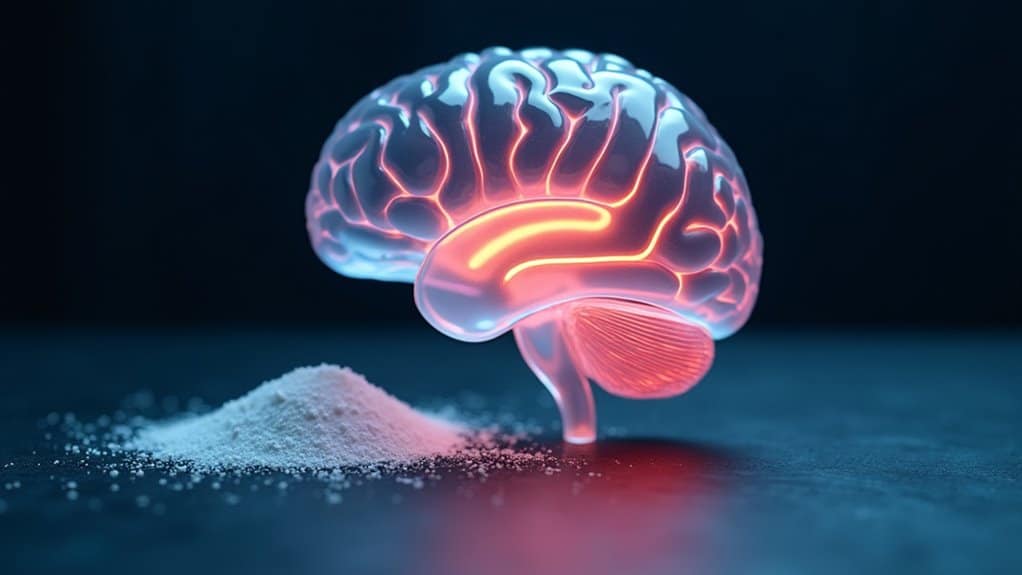
When you use kratom regularly, your body undergoes neuroadaptation, its chemistry shifts to accommodate the presence of kratom’s primary alkaloids, mitragynine and 7-hydroxymitragynine. This is kratom’s physical dependence: your neurotransmitter function begins relying on the substance, tolerance builds, and withdrawal symptoms emerge within 12 to 48 hours after stopping. Over time, increased amounts are needed just to feel normal, which further entrenches the cycle of dependence.
Kratom psychological addiction operates differently. It’s the mental and emotional reliance on kratom to manage stress, anxiety, or pain, driven by cravings, compulsive use, and continued consumption despite harm. Much like how user actions can unintentionally trigger security protocols on protected websites, everyday kratom use patterns can inadvertently escalate into problematic behavioral cycles without the user realizing it.
Understanding substance dependence vs addiction matters clinically. Dependence reflects your body’s physiological adjustment; addiction layers behavioral compulsion on top. You can be physically dependent without being addicted, but psychological dependence more readily progresses into addiction, making early recognition critical. Research suggests that dose frequency correlates more strongly with withdrawal and kratom use disorder symptoms than the amount consumed per dose, underscoring why daily or multiple-times-daily use patterns warrant particular attention.
Kratom Dependence Symptoms vs Addiction Symptoms
| Dependence Signs | Addiction Behavioral Signs | Addiction Cognitive Signs |
|---|---|---|
| Anxiety and irritability | Increasing doses | Persistent cravings |
| Kratom withdrawal, dependence, and cravings | Secrecy and isolation | Depression |
| Restlessness and mood changes | Inability to cut back | Poor decision-making |
When comparing kratom dependence vs addiction, the critical distinction lies in behavioral escalation. Kratom tolerance and dependence involve physiological adaptation, while addiction adds compulsive drug-seeking despite harm. Research shows 66.7% of experienced users meet substance use disorder criteria, underscoring addiction’s prevalence beyond simple dependence.
When Does Kratom Dependence Cross Into Addiction?

Although kratom dependence develops through predictable physiological adaptation, it doesn’t always remain static, certain patterns signal a shift into addiction territory. The stages of kratom dependency development reveal important insights into how the body adjusts to increased use.
The clearest marker is when you’re dosing to avoid withdrawal rather than for positive effects. This preventive dosing pattern reflects a fundamental shift in your relationship with kratom. Tolerance escalation accelerates this change, you need more to feel normal, not better.
Behavioral indicators confirm the crossover. You’ve tried to stop multiple times, but can’t. You’re prioritizing kratom over responsibilities, relationships, and activities you once valued. Secretive use emerges because you recognize something’s wrong. Financial strain mounts as quantities increase.
Research shows that dose frequency predicts this change more reliably than dose amount. If you’re using multiple times daily and meeting these behavioral thresholds, you’ve likely crossed into addiction.
How Kratom’s Alkaloids Build Tolerance and Dependence
Because kratom’s effects stem from a complex alkaloid profile rather than a single compound, understanding how these chemicals interact with your brain reveals why tolerance and dependence develop. Mitragynine, comprising roughly 66% of kratom’s alkaloid content, acts as a partial mu opioid receptor agonist. It triggers G-protein-coupled signaling rather than the beta-arrestin pathway typical of classical opioids, which explains why kratom produces fewer withdrawal signs than morphine.
However, chronic use still initiates neuroadaptive changes, including altered adenylyl cyclase activity. Your body adjusts its homeostatic balance, building tolerance that drives higher dosing. 7-Hydroxymitragynine, though present in low concentrations, amplifies mu receptor activity. Together, these alkaloids create cross-tolerance to morphine, meaning your opioid receptors progressively require more stimulation to achieve baseline effects.
Who’s Most at Risk for Kratom Dependence?

Who faces the greatest risk of developing kratom dependence? Several key factors increase your vulnerability, and understanding them can help you assess your own risk level.
- Genetic and family history, If you have a family history of substance abuse, your genetic makeup may predispose you to kratom dependence. Specific gene clusters linked to broader drug vulnerability apply to kratom as well.
- Prior substance use, A personal history of opioid addiction markedly raises your risk. Research shows that lifetime kratom users report heroin use at 50% compared to 30% among non-users.
- Mental health conditions, Existing anxiety, depression, or other psychiatric disorders elevate your susceptibility. Kratom can worsen these conditions while creating a cycle of dependence.
Environmental factors like easy access and poor social support further compound these risks.
How Common Is Kratom Addiction Among Regular Users?
How frequently does regular kratom use actually cross the line into addiction? The data suggests it’s less common than you might expect. While dependence develops in many regular users, true addiction, marked by compulsive use despite harm, remains relatively rare. Symptoms of kratom addiction can vary significantly between individuals. Some may experience cravings or withdrawal-like symptoms when they try to stop using the substance.
| Dependence Indicators | Addiction Indicators |
|---|---|
| Withdrawal and tolerance are commonly reported | Social/functional impairment is rare, even among heavy users |
| 44.6% of high-use groups attempted unsuccessfully to quit | Use “to get high” is relatively low compared to opioids |
| Cravings reinforce continued use patterns | Loss of control over use is uncommon in most consumers |
You should know that most regular users report dependence symptoms without meeting full addiction criteria. Kratom’s dependence profile is substantially less severe than that of traditional opioids or stimulants. Recognizing kratom withdrawal symptoms timeline can help users prepare for potential discomfort.
Why Kratom Dependence and Addiction Need Different Treatment
If you’re physically dependent on kratom, your treatment focuses primarily on managing withdrawal symptoms through tapering and supportive care, an approach that’s often sufficient without long-term medication. However, if you’ve developed addiction, you’ll need interventions that break compulsive use cycles, such as buprenorphine-naloxone therapy combined with structured counseling. Addressing the root causes driving your kratom use, whether chronic pain, anxiety, or trauma, is essential for addiction treatment but less central when managing straightforward physical dependence.
Withdrawal Management Differs
Because kratom interacts with opioid receptors differently than traditional opioids, its withdrawal profile carries distinct characteristics that shape how clinicians approach treatment.
Your withdrawal experience depends on several key variables:
- Daily dosage and frequency, Higher doses and multiple daily uses create stronger physical dependence, intensifying withdrawal severity.
- Duration of use, Longer use periods extend your withdrawal timeline beyond the typical 5, 10 day acute phase.
- Product form, Concentrated extracts produce more severe withdrawal than standard powder forms.
Unlike traditional opioid detox, kratom withdrawal rarely requires intensive medical management. You’ll likely benefit from supportive care, hydration, rest, and gradual tapering, rather than medication-assisted protocols like buprenorphine. However, kratom’s stimulant-like properties can trigger pronounced anxiety and panic, requiring targeted emotional regulation strategies during recovery.
Breaking Compulsive Cycles
While physical dependence and addiction often overlap in kratom use, they stem from distinct mechanisms, and treating one without addressing the other sets you up for relapse. Physical dependence responds to medical interventions targeting opioid receptor adaptation, but these alone prove insufficient. Patients report high anxiety levels that drive treatment abandonment when only opioid-specific medications are used.
Breaking compulsive cycles requires addressing the psychological dependence that fuels drug-seeking behavior. You’re not just managing withdrawal, you’re dismantling the behavioral reinforcement patterns that keep you locked in escalating dosing cycles. Relapses cluster during stressful periods, confirming that cognitive and behavioral interventions aren’t optional additions but essential components. Approximately 25% of kratom users meet substance use disorder criteria, and effective treatment demands individualized protocols addressing both the body’s adaptation and the mind’s reliance.
Addressing Root Causes
Dismantling compulsive cycles means identifying what built them in the first place, and that’s where dependence and addiction diverge sharply at the root level. Your brain has adapted to mitragynine and 7-hydroxymitragynine acting on mu opioid receptors, but the underlying drivers differ:
- Physical dependence stems from neuroadaptation, your body now relies on kratom alkaloids for baseline functioning, producing withdrawal upon cessation.
- Psychological dependence involves emotional reliance, you’re using kratom to manage stress, anxiety, or pain rather than addressing those conditions directly.
- Addiction layers compulsive behavioral patterns onto both, driven by cravings you can’t override despite repeated quit attempts.
Standard opioid treatments like methadone address only the opioid component, missing kratom’s broader pharmacological effects. Effective treatment must target your specific root causes, not just symptoms.
What Kratom Withdrawal Feels Like and How Long It Lasts
Kratom withdrawal typically unfolds in four distinct phases, each with its own intensity and duration. Understanding what you’ll face helps you prepare mentally and physically.
| Phase | Timeline | Key Symptoms |
|---|---|---|
| Early | 6, 24 hours | Anxiety, muscle aches, sweating, restlessness |
| Peak | Days 1, 4 | Nausea, tremors, severe cravings, insomnia |
| Subacute | Days 4, 7 | Declining physical symptoms, persistent cravings |
| Post-Acute | Week 2+ | Depression, brain fog, mood swings, low energy |
Acute withdrawal typically resolves within 7, 14 days. However, if you’ve used kratom heavily or long-term, you’re more likely to experience post-acute withdrawal syndrome, where psychological symptoms like cravings and depression linger for weeks or months. This phase carries the highest relapse risk and often requires professional support.
Reach Out and Take Back Control
Kratom use can slowly affect your health, relationships, and daily life, but with the right support, recovery is within reach. At Simonds Recovery Centers, we offer comprehensive Kratom Addiction Recovery Programs with licensed therapists and addiction specialists to help you take back control. Call +1 (833) 781-8338 today and take the first step toward a healthier life.
Frequently Asked Questions
Can You Be Dependent on Kratom Without Being Addicted to It?
Yes, you can be physically dependent on kratom without being addicted. Your body adapts to kratom’s partial mu opioid agonism through neuroadaptation, causing tolerance and withdrawal symptoms upon cessation, that’s dependence. Addiction, however, involves compulsive use despite negative consequences, loss of control, and functional impairment. Research shows some people use kratom regularly, develop physical dependence, yet don’t exhibit the behavioral patterns defining addiction. Recognizing this distinction helps you assess your situation accurately.
Does Kratom Dependence Develop Faster With Certain Consumption Methods?
Current research hasn’t specifically compared how quickly dependence develops across different consumption methods like capsules, gummies, or loose leaf. What matters more is your dose frequency, how often you’re using kratom each week, rather than the format you’re consuming it in. If you’re dosing multiple times daily regardless of method, you’re increasing your risk of dependence. The research simply hasn’t isolated consumption method as a significant variable yet.
Is Kratom Less Addictive Than Prescription Opioids or Other Controlled Substances?
Research suggests kratom carries considerably less potential for dependence and overdose than traditional prescription opioids. Its unique manner of opioid receptor activation reduces, but doesn’t eliminate, addiction risk. You can still develop tolerance, cravings, and withdrawal symptoms, especially with frequent, high-dose use. While some people use kratom to manage opioid cravings, it’s not risk-free. If you’re noticing compulsive patterns or escalating doses, that’s a clear signal to seek professional guidance.
Can Occasional Kratom Use Lead to Psychological Dependence Over Time?
Yes, occasional kratom use can lead to psychological dependence over time. You might notice cravings intensifying, mood disturbances like irritability or anxiety emerging without kratom, and a gradual prioritization of use over responsibilities. Your brain neuroadapts to kratom’s alkaloids, and what starts as casual use for pain or relaxation can subtly progress through rationalized dose escalation into dependency. If you’re recognizing these patterns, seeking professional support early can make a meaningful difference.
Do Men Develop Kratom Dependence More Quickly Than Women?
Research suggests men do develop kratom dependence more quickly than women. Men report higher kratom use disorder symptom counts, more withdrawal symptoms, and stronger cravings. Greater dose frequency drives dependence symptoms more powerfully in men than women. However, you should know that at high doses after a missed dose, women actually experience more intense withdrawal than men. If you’re noticing dependence signs regardless of sex, don’t hesitate to seek professional guidance.