




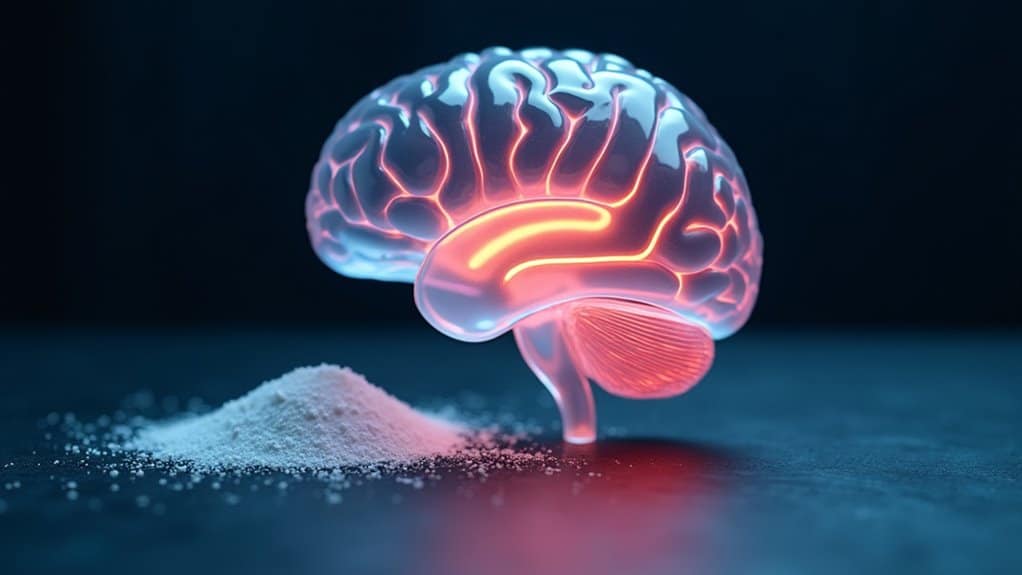

Kratom addiction develops when daily use rewires your brain’s opioid receptors, often within one to two weeks. You’ll notice increased tolerance, dose escalation, mood swings, and withdrawal symptoms like muscle pain and insomnia when you try to stop. Chronic use carries serious risks, including liver toxicity and cognitive decline, reflecting emerging trends in drug abuse. Treatment typically combines medical detox, medication-assisted therapy, and behavioral counseling such as CBT.
Early Signs of Kratom Addiction You Shouldn’t Ignore

How do you know when casual kratom use has crossed the line into addiction? Behavioral shifts often appear first: secrecy about consumption, withdrawal from loved ones, and neglecting responsibilities you once prioritized. As these changes become more pronounced, anxiety or depression often deepen alongside the developing dependence.
Physically, your body sends clear signals: increased tolerance demanding higher doses, persistent nausea, sweating, and unexplained weight loss. These aren’t minor inconveniences. They’re warning signs of a developing use disorder. Because kratom alters brain chemistry with regular use, the psychological grip can strengthen quickly alongside physical dependence.
Emotionally, you may experience intensifying mood swings, anxiety, and cravings that dominate your thinking. Failed attempts to cut back despite wanting to stop are a critical red flag. In severe cases, prolonged use can lead to seizures and psychosis, which is why early intervention matters.
Early withdrawal indicators appear within 6 to 12 hours of your last dose, including muscle aches, insomnia, and heightened agitation. If you recognize these patterns, don’t dismiss them. Professional guidance can help before symptoms worsen. Research shows 63.5% of regular kratom users meet criteria for kratom use disorder, and dependence can develop even without prior opioid exposure.
Why Kratom Addiction Builds Faster Than You Think
Your body adapts to kratom’s effects quickly, often needing higher doses within weeks of regular use to achieve the same pain relief or euphoria. This rapid tolerance development creates a dangerous cycle: as you increase your intake, your brain’s opioid receptors recalibrate, driving you to consume even more to stay ahead of diminishing returns. Research shows that dose frequency is a stronger predictor of tolerance than the amount you take, which means even moderate but consistent use can accelerate dependence faster than expected.
Rapid Tolerance Development
Because kratom activates the brain’s opioid receptors with each dose, tolerance can begin developing within 7 to 14 days of consistent daily use, far faster than many people expect. Within 2 to 4 weeks, you may notice effects wearing off sooner, prompting larger or more frequent doses. This dose creep is one of the earliest indicators of emerging dependence. Tolerance builds especially fast beyond 5 grams per dose or with multiple daily uses, since active compounds trigger dopamine release that reinforces repeated use while D2 receptors downregulate, leaving your brain unable to maintain emotional balance without the drug.
Extract products accelerate the process due to concentrated alkaloid content, compressing the timeline further. Your individual rate depends on genetic variations in opioid receptor sensitivity, metabolism speed, and dosing patterns. Higher doses, daily use, and repeated use of the same strain all speed tolerance development.
Recognizing these early warning signs gives you a critical window to intervene before tolerance progresses into full physical dependence.
Escalating Dose Cycles
When kratom’s active alkaloids (mitragynine and 7-hydroxymitragynine) bind to your brain’s opioid receptors on a near-daily basis, they trigger neuroadaptations that mirror classical opioid dependency. Your brain undergoes receptor downregulation, reducing its sensitivity to these compounds and forcing you to consume more to achieve the same effects. Combining xylazine and fentanyl dangers can exacerbate the risks associated with opioid dependency.
Case data show a troubling progression: users escalate from 1 to 2 bottles daily to 6 to 8 bottles within six months. You’ll find yourself redosing not for positive effects but to stave off withdrawal symptoms that emerge within 12 to 24 hours of your last dose. This compulsive cycle, where anxiety and irritability between doses drive preventive consumption, marks the critical shift from voluntary use to substance use disorder. Greater dose frequency, more than the amount alone, predicts withdrawal severity.
What Kratom Addiction Does to Your Body Over Time

When you use kratom regularly over months or years, the physical toll extends beyond what you might initially notice. Liver toxicity, chronic gastrointestinal problems, significant weight loss, and visible changes to your skin can develop as your body struggles under sustained exposure. At the same time, your brain adapts to kratom’s presence at opioid receptors, driving a cycle of escalating tolerance that pushes you toward higher and more frequent doses. The longer you continue using, the harder recovery becomes.
Chronic Physical Health Effects
Although short-term effects often receive the most attention, prolonged kratom use reshapes your body’s health in ways that aren’t immediately visible. Chronic consumption can damage your liver, alter your appearance, and impair cognitive function.
| Body System | Chronic Effect | What You May Experience |
|---|---|---|
| Liver | Drug-induced hepatitis | Toxicity, serious organ damage |
| Skin & Hair | Pigmentation changes, hair loss | Darkened facial skin, thinning hair |
| Neurological | Cognitive decline | Memory problems, tremors, seizures |
| Gastrointestinal | Persistent digestive disruption | Chronic constipation, nausea, cramping |
| Weight & Appetite | Anorexia | Significant weight loss, reduced intake |
These effects compound over time. Professional treatment can help if you’re experiencing any of them.
Escalating Tolerance and Dependence
Because kratom activates the brain’s opioid receptors with each dose, your body adapts to its presence. That adaptation is where tolerance takes root. You’ll need progressively higher amounts to achieve the same effects, with dose frequency driving tolerance more aggressively than dose size alone. Research shows that experienced users beyond one year have a 66.7% rate of meeting substance use disorder criteria.
As tolerance escalates, physical dependence follows. Withdrawal symptoms surface within 6 to 12 hours of your last dose, peaking between days one and three with muscle aches, nausea, and tremors. You may find yourself unable to cut back despite repeated attempts. That’s a hallmark sign that professional treatment is needed. Left unaddressed, the cycle intensifies and compromises both physical health and daily functioning.
What Kratom Withdrawal Really Feels Like
Kratom withdrawal shares many features with opioid withdrawal. Knowing what to expect helps you prepare. Symptoms typically begin 6 to 12 hours after your last dose, starting with agitation, anxiety, mild muscle discomfort, and a runny nose. For a full breakdown of stages and duration, see our kratom withdrawal timeline.
Within 24 to 72 hours, you’ll likely experience peak intensity: severe muscle pain, nausea, vomiting, insomnia, and intense cravings. This acute phase also carries a dehydration risk from gastrointestinal distress.
After day four, physical symptoms gradually subside, but psychological effects like depression, anxiety, and episodic cravings can persist for one to two weeks. These lingering symptoms increase relapse risk considerably.
Professional treatment helps you navigate each stage safely while building relapse prevention skills.
How Kratom Addiction Is Treated

When you’re ready to address the addiction, professional treatment offers several evidence-based pathways. Medically supervised detox eliminates kratom from your body while managing withdrawal under 24/7 oversight. Programs typically combine pharmaceutical interventions with behavioral therapy.
| Treatment Approach | What It Involves |
|---|---|
| Medical Detox | Gradual kratom elimination with professional monitoring in inpatient or outpatient settings |
| Medication-Assisted Treatment | Buprenorphine-naloxone, clonidine, or antidepressants to manage withdrawal and cravings |
| Residential Treatment | Around-the-clock supervision with individual and group therapy sessions |
| Behavioral Therapy | CBT, contingency management, and motivational interviewing to build relapse prevention skills |
Because kratom affects opioid receptors similarly to traditional opioids, trained professionals can manage potential complications and address co-occurring mental health conditions like depression or anxiety.
Where to Get Help for Kratom Addiction Now
Kratom use can slowly affect your health, relationships, and daily life. With the right support, recovery is within reach. At Simonds Recovery Centers, our Kratom Addiction Recovery Programs combine licensed therapists and addiction specialists who help you take back control. Call +1 (833) 781-8338 to take the first step.
Frequently Asked Questions
Can Kratom Addiction Develop From Using It Only on Weekends?
Yes. Because kratom activates your brain’s opioid receptors, physical dependence builds gradually over time regardless of your usage pattern. You’ll likely notice tolerance developing, pushing you toward higher doses each weekend. Mid-week cravings, withdrawal symptoms, and difficulty skipping weekends are all signs of emerging dependence. Research shows that regular recreational use markedly increases your risk of meeting substance use disorder criteria.
Is Kratom Addiction More Common in Certain Age Groups?
Yes, risk varies by age group. Kratom use is most common among adults aged 30 to 49, though young adults aged 18 to 25 show a 2.40 adjusted odds ratio compared to adolescents. Adults under 50 carry 2 to 3 times the odds for past-year use. If you fall within these demographics, increased exposure elevates your dependence risk, which makes early intervention essential.
Does Kratom Show up on Standard Workplace Drug Tests?
Kratom won’t show up on standard 5, 10, or 12-panel workplace drug tests. These panels follow SAMHSA and DOT guidelines, which target federally scheduled substances. Kratom isn’t on that list. However, specialized tests using LC-MS/MS can detect kratom’s alkaloids, like mitragynine. Some employers in safety-sensitive industries, addiction treatment programs, and drug courts may specifically order these panels. Check your employer’s specific testing policy.
Can You Safely Use Kratom While Taking Prescription Medications?
You shouldn’t use kratom with prescription medications without consulting your doctor, and most physicians won’t recommend it. Kratom inhibits key liver enzymes like CYP2D6 and CYP3A, which can dangerously alter how your body processes medications. Combining kratom with opioids or benzodiazepines is especially risky and has been linked to overdose deaths. These interactions can cause liver damage, seizures, and other severe consequences. Always disclose kratom use to your healthcare provider.
Is Kratom Legal in All States Across the United States?
No. Six states (Alabama, Arkansas, Indiana, Rhode Island, Vermont, and Wisconsin) have fully banned it. Several other states allow kratom statewide but have local bans in specific cities or counties. Many states have adopted consumer protection laws regulating kratom’s sale and labeling. Since laws vary by location, check your state and local regulations before purchasing or using kratom.