


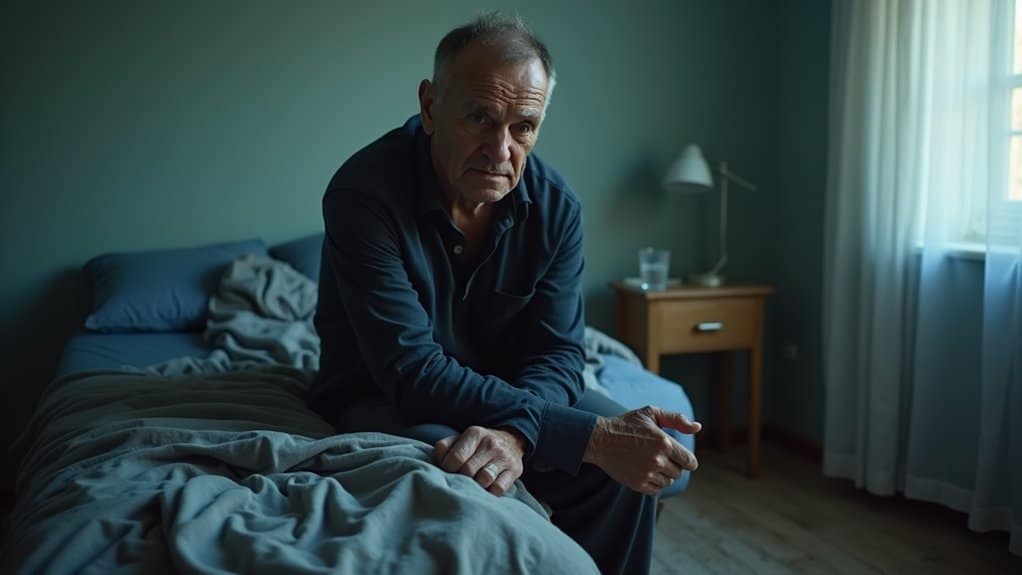




Signs of alcoholism often show up in small patterns you might miss. You drink more than you intended, crave alcohol, or can’t cut down despite trying. You might notice rising tolerance, withdrawal symptoms like shaking or sweating, or drinking to feel normal. Responsibilities slip, relationships strain, and loved ones express concern. Heavy drinking becomes alcoholism when you can’t stop once you start. Understanding these warning signs is the first step toward getting help.
Key Takeaways
- Losing control over drinking, consuming more than intended, and failing to cut down despite repeated attempts signal a developing problem.
- Neglecting work, school, or family responsibilities while abandoning hobbies and hiding alcohol indicates drinking is disrupting daily life.
- Physical dependence shows through rising tolerance, withdrawal symptoms like shaking or sweating, morning drinking, and frequent blackouts or tremors.
- Mood swings, personality changes, preoccupation with the next drink, and concern from loved ones are warning signs worth heeding.
- Alcoholism differs from heavy drinking by an inability to stop once started and continued use despite clear health or relationship harm.
What are the signs of alcoholism

Alcoholism shows up across several recognizable patterns. You might notice a loss of control, drinking more than intended, craving alcohol, or failing to cut down despite repeated attempts. Watch for time increasingly consumed by drinking, obtaining alcohol, or recovering from its effects. Missing work, school, or family responsibilities is a major red flag. Physical dependence appears through rising tolerance, withdrawal symptoms like shaking or sweating, and drinking to relieve them. You may continue drinking despite clear harm to your health, relationships, or safety. Social and emotional changes, withdrawing from hobbies, drinking alone, mood shifts, or concern from loved ones, often signal that help is needed.
What behavioral signs point to a drinking problem
Behavioral signs of a drinking problem include shifts in how someone spends time and meets responsibilities. You might notice repeatedly drinking more than intended, or failed attempts to cut down. Missing work, school, or family duties because of drinking or recovery is a major red flag. Pay attention if hobbies, social activities, or recreational interests get abandoned to make room for alcohol. Drinking alone, hiding bottles, or feeling preoccupied with the next drink also point to trouble. You may see continued drinking despite relationship conflict, or risky choices like driving after drinking. Mood, personality, and behavior changes often accompany heavier use. When friends or family express concern, take it seriously, that external worry is itself a meaningful warning sign.
What physical signs of alcohol use disorder look like
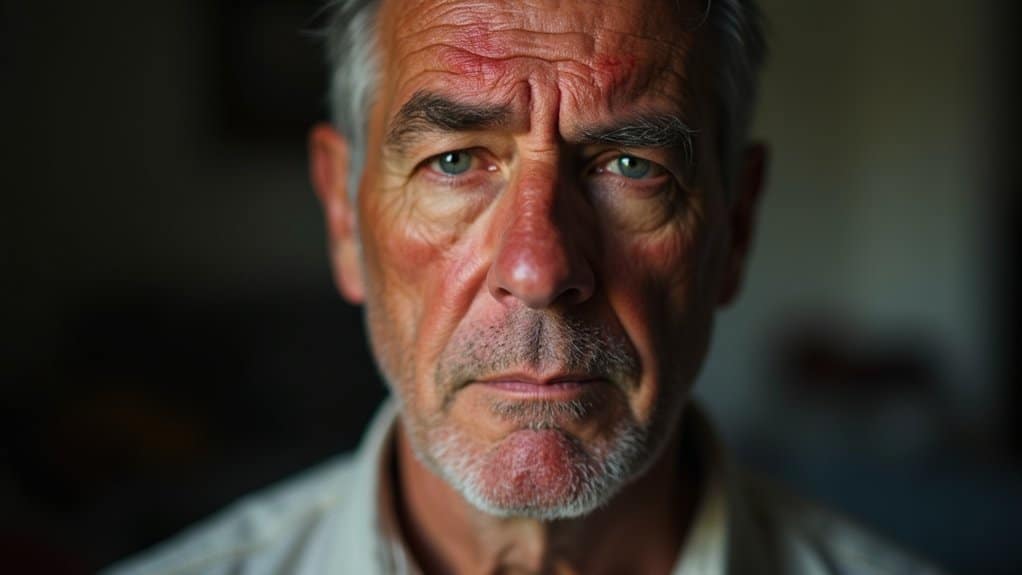
Physical signs of alcohol use disorder include increased tolerance, withdrawal symptoms, and visible changes in appearance and health. As drinking progresses, your body adapts in ways that become harder to hide. You might notice you need more alcohol to feel the same effect, or that stopping triggers uncomfortable symptoms. These changes reflect physical dependence and deserve honest attention, not shame.
Your body’s growing reliance on alcohol isn’t a moral failing, it’s a physical reality deserving honest attention and compassionate care.
- Increased tolerance, needing more alcohol to reach the same effect
- Withdrawal symptoms like shaking, sweating, nausea, or vomiting when you stop
- Drinking in the morning to steady yourself or ease withdrawal
- Frequent blackouts, tremors, and lingering hangovers
- Declining personal care, appearance, or nutrition
If you recognize these patterns, they signal your body’s growing reliance on alcohol and warrant compassionate, professional support.
How tolerance, cravings, and withdrawal signal dependence
Tolerance, cravings, and withdrawal matter because together they signal that your body and brain have adapted to alcohol, marking physical dependence. Tolerance means you need more alcohol to feel the same effect you once got from less. Cravings are strong urges to drink, often making it hard to think about anything else until you do. Withdrawal shows up when you stop or cut back. You might notice shaking, sweating, nausea, vomiting, anxiety, or irritability. If you find yourself drinking to avoid these symptoms, or reaching for a drink in the morning, that’s a warning sign worth taking seriously. Recognizing these patterns in yourself isn’t a judgment. It’s an opportunity to understand what’s happening and reach out for support.
How to tell heavy drinking from alcoholism

Heavy drinking crosses into alcoholism when alcohol controls you rather than the reverse. Heavy drinking describes the amount you consume, while alcoholism reflects how alcohol controls you. You might drink heavily on occasion yet still stop when you choose. Alcoholism shows up when control slips: cravings, failed attempts to cut down, and drinking despite clear harm to your health, work, or relationships.
| Heavy Drinking | Alcoholism |
|---|---|
| You can stop when you decide | You can’t stop once you start |
| Drinking doesn’t dominate your day | You spend time getting and recovering from alcohol |
| Responsibilities stay intact | You neglect work, school, or family duties |
If you’re noticing lost control, tolerance, or withdrawal, that’s a signal your drinking may have progressed beyond heavy use into dependence.
How to approach someone you’re worried about
Approach someone you’re worried about by choosing a private, calm moment when they’re sober, and lead with care rather than accusation. Timing and tone matter. Focus on specific behaviors you’ve noticed, missed responsibilities, morning drinking, or concern from others, rather than labels like “alcoholic.” Use “I” statements to express worry, and listen without judgment. Expect resistance, and don’t push for immediate change; instead, plant a seed and offer support toward professional help.
Lead with care, not accusation, choose a calm moment, name what you’ve noticed, and offer support without demanding change.
- Pick a quiet, sober moment away from distractions
- Name concrete signs: absences, withdrawal symptoms, hidden bottles
- Say “I’m worried about you,” not “You’re a problem drinker”
- Listen calmly, even if they deny or deflect
- Suggest talking to a doctor or counselor together
How Simonds Recovery Centers treats alcohol use disorder
Simonds Recovery Centers treats alcohol use disorder with care built around individual needs rather than a single approach. If withdrawal symptoms like shaking, sweating, or nausea are a concern, medically supervised detox helps manage them safely. From there, treatment addresses the patterns behind the drinking, whether that’s craving, loss of control, or drinking to relieve withdrawal. You’ll see evidence-based therapies that tackle both the physical dependence and the emotional triggers, along with support for rebuilding responsibilities and relationships harmed by alcohol. Because recovery isn’t linear, Simonds also focuses on ongoing support, helping the person you love maintain progress well beyond initial treatment.
Take the Signs Seriously
If drinking is affecting someone’s health, relationships, work, or ability to control how much they drink, it may be time to look at treatment options. Simonds Recovery provides alcohol addiction treatment for people who need help addressing problematic drinking and building a path toward recovery.
Call (833) 781-8338 to discuss your concerns and find out what treatment options are available.
Frequently Asked Questions
Is Alcoholism Hereditary or Influenced by Genetics?
Genetics can influence a person’s risk of developing alcohol use disorder, but they are not the only factor. Research suggests that genes account for about half of the risk, while environment, stress, mental health, family history, and patterns of alcohol use can also play a role. Having a family history of alcohol problems increases risk, but it does not mean someone will inevitably develop alcohol use disorder.
Can Alcohol Use Disorder Be Fully Cured?
Alcohol use disorder is treatable, and many people achieve long-term recovery. Treatment may include behavioral therapy, medications, mutual-support groups, or a combination of approaches. Some people experience recurrence of alcohol use after treatment, but this does not mean recovery is impossible. Continued treatment and adjustments to a recovery plan can help manage ongoing risks and support long-term improvement.
How Long Does Alcohol Withdrawal Typically Last?
Alcohol withdrawal symptoms can begin within hours after the last drink and are often most severe during the first 24 to 72 hours. Many symptoms improve within several days, but some can last longer. Severe withdrawal can cause seizures, hallucinations, delirium tremens, and other potentially life-threatening complications. If you drink heavily or regularly, do not abruptly stop without speaking with a healthcare professional about the safest way to withdraw.
What Health Complications Can Long-Term Alcohol Use Cause?
Long-term heavy alcohol use can affect many parts of the body. It can contribute to liver disease, high blood pressure, heart problems, pancreatitis, certain cancers, weakened immune function, nutritional deficiencies, and changes in brain function. Alcohol use can also worsen existing mental health conditions and contribute to problems with memory, mood, and decision-making. The risk depends on factors such as the amount and duration of alcohol use.
Does Insurance Cover Alcohol Addiction Treatment Programs?
Many health insurance plans provide some coverage for alcohol use disorder treatment, but benefits vary by plan and provider. Coverage may include services such as medical detox, outpatient treatment, residential care, therapy, or medication depending on the policy and medical necessity. Check your plan for network requirements, deductibles, copays, and prior authorization before beginning treatment.